Introduction: Navigating the Dawn of the Metaverse Era

In recent years, the concept of the metaverse has emerged from the pages of science fiction and speculative fiction to become a tangible force shaping the future of digital experiences. Once a niche term known mostly to gamers and tech enthusiasts, the metaverse now represents a broad and ambitious vision: a persistent, immersive digital universe where people can work, play, socialize, and engage with content in entirely new ways. Enabled by advanced technologies like virtual reality (VR), augmented reality (AR), extended reality (XR), and blockchain, the metaverse is transforming how we interact with digital environments—bringing immersive and interactive experiences into the mainstream. The term “metaverse” was popularized by author Neal Stephenson in his 1992 novel Snow Crash, where he imagined a virtual space parallel to the physical world. Fast forward to the early 2000s, platforms like Second Life and World of Warcraft began to build online environments that mimicked aspects of the real world. However, these were largely closed, game-centric systems. The real breakthrough came with the convergence of high-speed connectivity, realistic 3D rendering, decentralized systems, and wearable computing—making it possible to create persistent, interoperable digital spaces that users can inhabit and customize. Initially rooted in the gaming industry, the metaverse is now expanding across multiple sectors. Enterprises are creating virtual workspaces that support collaboration beyond the constraints of physical offices. Retailers are launching 3D virtual storefronts, allowing consumers to engage with products in novel ways. Artists and content creators are building and selling NFTs (non-fungible tokens) that represent ownership of digital assets. Even governments are exploring virtual spaces for civic engagement and public services. These developments signal a shift from metaverse as entertainment to metaverse as infrastructure. At the heart of this transformation is the fusion of immersive technology and decentralization. Devices such as Meta Quest headsets or Microsoft HoloLens allow users to step into virtual environments with lifelike realism, while blockchain ensures verifiable ownership, provenance, and decentralized governance. Meanwhile, AI enhances avatars, virtual assistants, and generative content, making digital interactions more human-like and scalable. The layering of these technologies has created the conditions for what some call the “next evolution of the internet”—a shift from 2D browsing to 3D living. As organizations look toward the future, the metaverse represents a new frontier in digital transformation. It challenges companies to rethink how they operate, how they connect with customers, and how they design products and services. It also brings forth new business models, from virtual real estate and digital fashion to immersive education and remote surgeries. These opportunities, however, are not without challenges: ensuring privacy, building ethical frameworks, and preventing digital inequality will be just as critical as technological innovation. This blog will explore the rise of the metaverse through multiple lenses: from the transformation of hybrid work environments to innovations in e-commerce, education, and entertainment. It will also examine the underlying technologies driving these changes, the security and governance challenges, and the strategic implications for businesses, governments, and users alike. As we enter this new digital age, understanding the metaverse isn’t just about keeping up with trends—it’s about preparing for a paradigm shift in how we live, work, and interact in both the virtual and physical worlds. 1. Hybrid Work Environments in the Metaverse The global shift toward hybrid work—accelerated by the COVID-19 pandemic—has led to profound changes in how organizations think about collaboration, productivity, and workplace infrastructure. With remote and distributed workforces becoming the norm, the metaverse presents an evolutionary leap in hybrid work, transforming flat video calls and static collaboration tools into interactive, immersive environments that better replicate physical office dynamics. Hybrid work in the metaverse doesn’t just connect people; it reimagines how people connect. Virtual Office Spaces: New Frontiers of Collaboration Traditional video conferencing tools like Zoom and Microsoft Teams have proven invaluable in maintaining continuity, but they fall short in fostering spontaneity, engagement, and presence—key aspects of the in-person office. Enter the metaverse: a persistent, shared digital space where employees can work, collaborate, and interact through avatars in 3D virtual environments. Two leading examples: Other platforms like Spatial, Virbela, and Gather.town are also gaining popularity for creating metaverse-style workspaces accessible via browsers or headsets, catering to teams that want more than Slack channels and Zoom links. Benefits of Metaverse-Enabled Hybrid Work The metaverse offers a number of strategic and operational benefits for organizations embracing hybrid work models: Challenges to Adoption and Scalability Despite the potential, several hurdles must be overcome before metaverse workspaces become mainstream: Case Studies: Companies Embracing Metaverse Workspaces Several organizations and institutions are already exploring how metaverse platforms can enhance or supplement hybrid work: The Future of Work: Persistent, Personalized, and Immersive The metaverse will not replace every aspect of physical office life, nor will it render all remote collaboration tools obsolete. Instead, it will complement and enhance hybrid work, enabling more meaningful, flexible, and inclusive experiences. As metaverse technologies mature and become more affordable, we can expect them to become standard elements in enterprise tech stacks—much like video conferencing did post-2020. To prepare for this future, organizations should begin by: The metaverse offers a vision of work where distance no longer limits collaboration and digital presence feels almost physical. While challenges remain, the potential to reshape work culture, employee experience, and organizational agility is immense. 2. E-Commerce and Virtual Shopping The landscape of commerce has undergone significant transformation over the past two decades. From traditional brick-and-mortar retail to the convenience of online marketplaces like Amazon and Alibaba, shopping has progressively moved into the digital sphere. Yet, the next major shift in this evolution is being driven by the metaverse—a convergence of immersive technologies and decentralized systems that allow for new types of consumer experiences. Virtual shopping and e-commerce in the metaverse are no longer experimental concepts; they are rapidly becoming essential strategies for brand engagement, customer loyalty, and digital revenue generation. The Rise of Immersive Shopping Experiences In the metaverse, shopping is not just transactional—it’s experiential. Rather than scrolling through a flat webpage or clicking through product thumbnails, users
Introduction: Navigating the Talent Gap in the IT Industry

In the digital era, information technology (IT) is no longer a back-end support function—it’s the backbone of modern enterprises. From cloud computing and artificial intelligence (AI) to cybersecurity and software development, IT is responsible for driving innovation, enabling global connectivity, and safeguarding critical systems. However, as the pace of digital transformation accelerates, a significant and persistent challenge looms over the tech landscape: the growing shortage of skilled IT talent. Today’s IT job market is experiencing an unprecedented demand for professionals across nearly every domain. According to recent data from the U.S. Bureau of Labor Statistics, employment in computer and information technology occupations is projected to grow by 15% from 2021 to 2031, much faster than the average for all occupations. Globally, industry leaders such as Gartner and IDC report similar trends—millions of positions remain unfilled due to a lack of qualified candidates. For businesses of all sizes, this talent scarcity isn’t just a staffing problem—it’s a direct threat to competitiveness, resilience, and growth. Digital Transformation and Its Ripple Effect on Talent Demand The digital transformation wave is sweeping across industries—banking, healthcare, logistics, education, manufacturing, and more. As businesses rush to digitize operations, migrate to the cloud, and embrace automation, the need for IT professionals has skyrocketed. AI and machine learning have introduced a new layer of complexity, requiring not just engineers but data scientists, algorithm specialists, and ethics experts. Cybersecurity has become a boardroom priority, driven by escalating ransomware attacks and data breaches, fueling the need for professionals trained in digital forensics, incident response, and network defense. Startups, tech giants, governments, and even nonprofits are competing in the same global talent pool. Whether it’s a Silicon Valley firm developing the next big fintech app or a hospital implementing a secure patient portal, IT roles are central to these initiatives. The net result? A demand-supply mismatch that is growing wider with each passing year. Consequences of the Talent Shortage The implications of the IT talent shortage are far-reaching. Organizations unable to fill critical roles often delay projects, reduce innovation pipelines, and risk falling behind competitors who have access to more robust talent networks. According to a report by McKinsey, 87% of organizations say they are already experiencing or expect to experience a talent gap in the near future. This gap affects not just delivery timelines but also the quality, security, and scalability of digital solutions. For startups and small-to-medium enterprises (SMEs), the shortage can be especially crippling. They may struggle to match the compensation and perks offered by larger tech firms, making talent acquisition a costly and competitive endeavor. Even when talent is successfully onboarded, high turnover and burnout can lead to knowledge drain and disruption of long-term projects. From a macroeconomic perspective, the shortage in IT talent is slowing national innovation agendas, affecting digital infrastructure goals, and weakening cybersecurity postures at a time when digital threats are more sophisticated than ever. Why This Blog Matters Now This blog is an in-depth exploration of the ongoing IT talent shortage, designed for industry professionals, HR leaders, educators, policymakers, and business executives who are grappling with this issue in real time. Over the next several sections, we’ll analyze: We’ll also present real-world insights, case studies, and discussion questions to stimulate thinking and collaborative problem-solving across stakeholders. Setting the Stage for Solutions The IT talent shortage is not insurmountable—but it does require a multi-pronged approach. Solutions lie in rethinking recruitment strategies, investing in lifelong learning, embracing remote work, and building inclusive workplaces that attract diverse talent. By understanding the root causes and emerging patterns, organizations can shift from reactive hiring to proactive workforce development. The following sections will break down each of these themes in detail, offering practical insights, examples, and strategies to help you navigate the talent landscape and turn today’s challenge into tomorrow’s competitive advantage. 1. Rising Demand Across IT Specializations. The digital era has ushered in unprecedented transformation across every industry, placing IT professionals at the core of innovation, infrastructure, and security. From banking to healthcare, logistics to entertainment, the reliance on digital ecosystems has grown rapidly. This surge has catalyzed an explosive demand for IT specialists in several key areas, creating a talent vacuum that companies are struggling to fill. Demand Surge in High-Impact Domains Cybersecurity has emerged as one of the most sought-after IT disciplines in recent years. With cyberattacks becoming more frequent and sophisticated, organizations—from startups to global enterprises—are investing heavily in security measures. According to Cybersecurity Ventures, there will be an estimated 3.5 million unfilled cybersecurity jobs globally by 2025, reflecting the critical shortage of qualified professionals in this space. The demand spans across roles such as penetration testers, threat analysts, SOC analysts, and incident responders. Artificial Intelligence (AI) and Machine Learning (ML) are other rapidly growing fields driving the talent crunch. As businesses integrate AI into customer service, decision-making, predictive analytics, and automation, the need for machine learning engineers, data scientists, and NLP specialists has skyrocketed. According to McKinsey, companies that effectively integrate AI could double their cash flow by 2030—yet many are stalled due to the lack of in-house AI talent. Cloud Computing is now the backbone of modern enterprise IT infrastructure. With the rise of remote work, digital products, and software-as-a-service (SaaS), companies have migrated to platforms like AWS, Microsoft Azure, and Google Cloud. As a result, there’s a sharp rise in demand for cloud architects, DevOps engineers, and site reliability engineers (SREs), many of whom are needed to design, deploy, and maintain scalable cloud environments. Software Development remains the beating heart of digital business. Full-stack developers, backend engineers, mobile app developers, and frontend designers are constantly in demand. Even with the advent of no-code and low-code platforms, the need for skilled coders who can build robust, secure, and scalable applications has not diminished. DevOps and IT Operations have also seen strong growth due to the need for continuous integration/continuous deployment (CI/CD) practices and infrastructure automation. Businesses that embrace agile workflows rely on DevOps engineers to streamline deployments, monitor performance, and reduce time
Blockchain and Its Potential Beyond Cryptocurrencies:

1. Introduction to Blockchain Technology In the last decade, one of the most groundbreaking and widely discussed technologies has been blockchain. While it first entered the public consciousness as the foundation for Bitcoin and other cryptocurrencies, blockchain has since evolved into a transformative force poised to revolutionize numerous industries far beyond digital currency. At its core, blockchain is a decentralized digital ledger technology that securely records transactions across a network of computers. Unlike traditional databases, which are typically stored on a central server and maintained by a single authority, a blockchain is distributed and immutable. Every participant in the network (referred to as a “node”) maintains a copy of the entire ledger, and once a transaction is recorded, it cannot be altered or deleted without consensus across the network. This decentralization and immutability make blockchain inherently secure, transparent, and resistant to fraud, characteristics that are increasingly valuable in a world where data manipulation, identity theft, and systemic inefficiencies are common problems in both public and private sectors. What Is Blockchain, Really? Blockchain can be thought of as a continuously growing chain of records, called “blocks,” that are linked and secured using cryptographic principles. Each block contains: This chaining of blocks together ensures that the entire transaction history is traceable and tamper-proof. Even if a single piece of data in a previous block is changed, it invalidates all subsequent blocks unless the change is validated by the network — an almost impossible feat in large, well-secured networks. This design makes blockchain particularly attractive for applications that require a high degree of data integrity and security, such as finance, healthcare, supply chains, voting systems, and more. The Genesis: Blockchain and Bitcoin Blockchain technology was first conceptualized by Satoshi Nakamoto in 2008 as the underlying infrastructure for Bitcoin. The aim was to create a peer-to-peer electronic cash system that did not rely on central authorities like banks. Bitcoin’s blockchain maintained a public ledger of all transactions, where ownership of coins could be tracked without revealing user identities. Bitcoin showcased the power of blockchain as a trustless system — that is, a system where trust is distributed among participants, and where integrity is enforced not by central authorities but by cryptographic consensus mechanisms such as Proof of Work (PoW). Since then, blockchain technology has evolved to support many other cryptocurrencies and platforms, such as Ethereum, which introduced smart contracts — self-executing agreements coded into the blockchain. This development opened the door to more complex applications and led to the emergence of blockchain 2.0, where the focus shifted from digital currencies to programmable value systems. Beyond the Crypto Craze: A Foundation for Digital Trust While cryptocurrency remains a high-profile application of blockchain, the true value of this technology lies in its ability to establish trust in digital environments. In sectors plagued by inefficiencies, corruption, data breaches, or lack of transparency, blockchain can serve as a trust-enhancing infrastructure. Some of the inherent qualities of blockchain that make it uniquely valuable include: These characteristics position blockchain as a powerful tool for reimagining how trust and value are managed in digital systems. Blockchain Types: Public, Private, and Hybrid To understand blockchain’s versatility, it’s essential to differentiate between the various types of blockchains: Each type of blockchain serves different needs, making the technology applicable across a wide range of use cases and industries. Blockchain as an Enabler of the Next Digital Revolution Much like how the internet transformed how we access and share information, blockchain is revolutionizing how we handle trust, value, and data. From enabling peer-to-peer lending without banks to securing supply chains and creating digital identities, blockchain’s potential is vast. What sets blockchain apart from previous technologies is its promise to eliminate intermediaries in transactions and processes. By removing the need for a central authority, blockchain empowers individuals and organizations to interact directly with greater security, efficiency, and transparency. For instance, imagine a world where: These are not far-fetched fantasies — they are already being tested and, in some cases, implemented in real-world pilots and enterprise use cases. Conclusion to the Introduction The rise of blockchain technology marks a paradigm shift in how we conceptualize trust, ownership, and digital transactions. Although it is often synonymous with cryptocurrencies like Bitcoin, blockchain’s underlying architecture holds far greater potential. As we move forward, it’s clear that this technology is poised to redefine everything from supply chain logistics to public governance. This blog will explore how blockchain is making strides beyond cryptocurrencies, improving transparency, automating systems, securing digital interactions, and reshaping industries through decentralized innovation. We’ll also examine how IT companies are integrating blockchain into their ecosystems and address the challenges and regulatory hurdles on the road to mass adoption. Up next: Blockchain Use Cases Beyond Bitcoin. Would you like me to continue with the next section right away? 2. Blockchain Use Cases Beyond Bitcoin While blockchain’s first major breakthrough came through Bitcoin, the technology’s versatility has propelled its adoption into many industries far beyond the realm of cryptocurrency. Today, blockchain is being recognized not just as a financial tool but as a transformative infrastructure that can solve age-old challenges related to trust, transparency, security, and efficiency. Here, we explore a variety of use cases where blockchain is already making waves or has the potential to reshape entire systems. 1. Supply Chain Management Supply chains are inherently complex, often involving multiple parties — manufacturers, logistics providers, retailers, and regulators — each of whom relies on accurate and timely information. Traditional systems for managing supply chains often lack transparency and are susceptible to fraud, inefficiencies, and bottlenecks. How Blockchain Helps: Real Example: Walmart, in partnership with IBM’s Hyperledger Fabric, uses blockchain to track the origin of food products. They were able to reduce the time it took to trace mangoes from 7 days to just 2.2 seconds — a game-changer in food safety and recalls. 2. Voting Systems and Digital Democracy One of the most talked-about use cases is blockchain’s potential to secure democratic processes. Voting systems around the world are
Today’s Technologies: Beneficial or Detrimental to Society?

Introduction Technology has become an integral part of modern society, reshaping the way we communicate, work, and live. Over the past few decades, technological advancements have accelerated at an unprecedented pace, influencing every aspect of human life. From smartphones and the internet to artificial intelligence (AI) and blockchain, technology has revolutionized industries and created new opportunities that were once unimaginable. However, while technology has provided numerous benefits, it has also raised concerns about privacy, security, social disconnection, and environmental sustainability. This dual nature of technology invites an essential question: Is technology ultimately beneficial or detrimental to society? The Pervasiveness of Technology in Society Today, technology touches almost every facet of life. The internet has connected billions of people across the globe, enabling instant communication, access to information, and seamless collaboration. Social media platforms have redefined how people interact, share ideas, and engage with the world. Cloud computing has empowered businesses to operate more efficiently, while AI-driven systems have enhanced productivity, automated processes, and optimized decision-making. Technologies such as the Internet of Things (IoT) and 5G networks have created smart environments where devices communicate seamlessly, improving convenience and efficiency. In the healthcare sector, technology has led to groundbreaking innovations, such as telemedicine, wearable health devices, and AI-assisted diagnostics. Educational systems have also witnessed a significant transformation with the rise of e-learning platforms, virtual classrooms, and AI-driven personalized learning. Similarly, industries have embraced automation and robotics to streamline processes, reduce costs, and increase efficiency. The Dual Impact of Technology: A Double-Edged Sword While the positive impacts of technology are undeniable, its drawbacks cannot be ignored. Privacy concerns, cyber threats, and data breaches have become prevalent as more personal information is shared online. Social media, though a powerful tool for connection and information sharing, has also contributed to issues such as cyberbullying, misinformation, and addiction. Moreover, the automation of jobs has led to concerns about job displacement and the widening skills gap, leaving many workers vulnerable in an evolving job market. Another pressing concern is the environmental impact of technology. The production and disposal of electronic devices generate significant electronic waste (e-waste), contributing to environmental degradation. Additionally, the energy consumption of data centers and large-scale computing infrastructure adds to the carbon footprint, raising questions about the sustainability of rapid technological growth. Navigating the Complexity: Finding a Balance Given this dual impact, it becomes essential to strike a balance between leveraging technology’s benefits and addressing its associated challenges. Governments, businesses, and individuals must work together to establish ethical frameworks, implement regulations, and promote responsible use of technology. Encouraging digital literacy, fostering inclusivity, and developing sustainable technologies can mitigate the adverse effects while maximizing the positive outcomes of technological advancements. The Road Ahead: Shaping the Future with Responsible Technology As we navigate this digital era, the responsibility lies with all stakeholders to ensure that technology serves the greater good. With ongoing innovations in AI, IoT, blockchain, and other emerging technologies, the potential to reshape society positively is immense. However, these advancements must be guided by ethical considerations and sustainability to ensure a balanced and inclusive future. In the following sections, this blog will explore the benefits and drawbacks of today’s technologies, assess their societal impact, and discuss potential solutions to ensure a future where technology enhances rather than hinders human progress. Positive Impact of Technology on Society Technology has become an indispensable part of modern society, transforming every aspect of human life. From revolutionizing communication to enhancing healthcare and enabling sustainable innovations, technology has created numerous benefits that have improved the quality of life and streamlined various processes. Below are some of the key positive impacts of technology on society: 1. Enhanced Communication and Connectivity One of the most remarkable achievements of technology is how it has revolutionized communication. The evolution from landline phones to mobile devices, and now to internet-based communication, has enabled instant, seamless connectivity across the globe. Social media platforms like WhatsApp, Facebook, and Twitter allow people to stay connected regardless of distance. 2. Advances in Healthcare and Medicine Technological innovations in healthcare have led to breakthroughs that have extended life expectancy, improved diagnosis, and enhanced treatment options. Artificial intelligence (AI), robotics, telemedicine, and wearable devices have transformed the healthcare sector, ensuring timely medical interventions and improving patient outcomes. 3. Boosting Education and Learning Systems Education has undergone a transformative shift due to technological advancements. E-learning platforms, virtual classrooms, and adaptive learning software have democratized education, making knowledge accessible to a wider audience. 4. Economic Growth and Job Creation Technology has driven economic growth by fostering innovation, automating processes, and creating new industries. Emerging technologies such as AI, blockchain, and IoT have opened up new job opportunities and stimulated economic activity. 5. Environmental and Sustainable Innovations Technology is playing a pivotal role in driving sustainable development and minimizing environmental impact. Innovations in green technologies and smart systems are helping reduce carbon footprints and promote environmental sustainability. Negative Impact of Technology While technology has revolutionized various aspects of our lives, it also comes with significant downsides. Below are some of the major negative impacts of technology on society: 1. Privacy Concerns and Data Security The widespread adoption of the internet, smart devices, and social media platforms has raised serious privacy concerns. Personal data is often collected, stored, and shared without users’ consent, making individuals vulnerable to data breaches, identity theft, and misuse of personal information. Companies use user data to target advertisements, while cybercriminals exploit security loopholes, leading to increased cyber threats. Example:In 2023, a major data breach exposed sensitive information of millions of users, leading to widespread financial and reputational damage. 2. Mental Health and Social Isolation Excessive use of technology, particularly social media, has been linked to declining mental health. People often compare themselves to idealized versions of others’ lives, leading to anxiety, depression, and low self-esteem. Moreover, prolonged screen time and digital interactions have reduced face-to-face communication, contributing to social isolation and a lack of meaningful relationships. Example:Studies have shown that teenagers spending more than 3 hours daily on
Sustainable IT and Green Technologies: Paving the Path to a Greener Future

Introduction In an era where technology shapes every aspect of our lives, the environmental impact of the IT sector has come under intense scrutiny. The rapid growth of data centers, the proliferation of electronic devices, and the energy demands of modern computing systems have significantly contributed to environmental degradation. The constant demand for faster, more powerful devices has led to the overconsumption of natural resources, increased greenhouse gas emissions, and mounting electronic waste. This environmental toll has prompted industries, policymakers, and consumers to rethink how technology is developed, used, and disposed of. To address these concerns, Sustainable IT and Green Technologies have emerged as pivotal strategies aimed at reducing carbon footprints, enhancing energy efficiency, and promoting eco-friendly innovations. Sustainable IT encompasses practices and methodologies designed to minimize the environmental impact of information technology systems throughout their lifecycle, from production to disposal. Meanwhile, Green Technologies focus on advancing innovations that contribute to sustainable development by conserving resources, reducing emissions, and fostering environmental stewardship. The importance of adopting sustainable IT practices is underscored by the escalating scale of digitalization. The increasing demand for cloud computing, big data processing, and Artificial Intelligence (AI) technologies intensifies the environmental load on IT infrastructure. Data centers, for example, are known to be among the largest consumers of electricity globally, generating vast amounts of heat and requiring extensive cooling mechanisms. Likewise, the production of electronic devices involves the extraction and processing of finite natural resources, leading to habitat destruction and pollution. The commitment to sustainable IT extends beyond merely reducing energy consumption. It involves a holistic approach that includes resource conservation, lifecycle management, and eco-friendly innovation. Organizations are now prioritizing energy-efficient designs, reducing the carbon intensity of their operations, and ensuring that their products are recyclable and reusable. The integration of AI into sustainable practices has further amplified these efforts, enabling predictive analytics, optimization, and intelligent resource management. AI technologies, in particular, have the potential to revolutionize the way we approach sustainability. AI-driven solutions can optimize energy consumption in data centers, automate resource management, and streamline waste reduction efforts. By leveraging machine learning models, businesses can predict maintenance needs, enhance supply chain efficiency, and minimize environmental waste. AI also plays a pivotal role in renewable energy management by forecasting energy demands and optimizing grid operations. The adoption of Sustainable IT and Green Technologies is not just an environmental imperative but also a business strategy that can enhance operational efficiency, reduce costs, and bolster brand reputation. As regulatory frameworks around the world evolve to promote sustainability, companies that proactively embrace green practices are better positioned to comply with environmental standards and gain a competitive edge. This comprehensive blog, presented by Pinaki IT Consultant Private Limited, delves into the essence of Sustainable IT and Green Technologies, emphasizing how AI development partnerships are shaping a greener and more sustainable future. We will explore the key principles that define sustainable practices in IT, including energy efficiency, resource conservation, eco-friendly innovation, and lifecycle management. Additionally, we will highlight the transformative role of AI in driving sustainable advancements and achieving long-term ecological goals. By adopting and championing sustainable IT practices, businesses can contribute to global efforts to mitigate climate change, reduce ecological footprints, and promote responsible consumption. Pinaki IT Consultant Private Limited is committed to advancing these sustainable practices, fostering technological innovations that prioritize environmental responsibility, and partnering with organizations to build a cleaner, greener future for all. Understanding Sustainable IT and Green Technologies Sustainable IT refers to designing, manufacturing, using, and disposing of information technology systems in ways that minimize environmental impact. Green Technologies focus on innovations that contribute to sustainable development by conserving resources, reducing emissions, and enhancing environmental stewardship. Key principles include: Energy Efficiency Energy efficiency is a cornerstone of Sustainable IT. It involves optimizing processes, systems, and devices to consume the least possible amount of energy while maintaining high performance. This encompasses everything from using energy-efficient servers and processors to implementing algorithms that minimize computational complexity. For example, organizations are transitioning to low-power devices and using advanced cooling systems to mitigate excessive energy consumption in data centers. Beyond hardware, energy-efficient software design, where programs are written to perform tasks using minimal resources, also plays a pivotal role. Resource Conservation Resource conservation is about minimizing the use of natural resources and ensuring the longevity of materials. In IT, this involves designing products that use fewer rare materials, encouraging the reuse and refurbishment of devices, and promoting recycling. For instance, companies are investing in sustainable sourcing practices, such as using recycled materials in hardware components and minimizing water use in manufacturing processes. Additionally, adopting virtualization technologies reduces the need for multiple physical servers, thereby conserving hardware resources. Eco-Friendly Innovation Eco-friendly innovation pushes the boundaries of designing technology that aligns with environmental goals. This involves creating devices with modular designs for easy upgrades, developing software that requires less processing power, and innovating in areas such as biodegradable packaging. Moreover, research into sustainable materials and efficient production methods continues to drive the development of greener technologies, ensuring that innovation does not come at the expense of the planet. Lifecycle Management Lifecycle management involves considering the environmental impact of IT products from production through to disposal. This holistic approach ensures that products are designed with sustainability in mind, encouraging practices such as take-back schemes, refurbishing old devices, and responsible e-waste disposal. Companies are also focusing on extending the life of their equipment through regular maintenance and upgrades, thereby reducing the frequency of replacements and minimizing waste. The Role of AI in Sustainable IT and Green Technologies AI technologies can significantly enhance the efficiency and sustainability of IT operations. AI-driven solutions help optimize energy usage, reduce waste, and automate sustainable practices. Collaborating with AI development partners can lead to more innovative and impactful green technologies. AI-Enhanced Data Centers Data centers are among the most energy-intensive aspects of IT infrastructure. AI can play a crucial role in making these centers more sustainable. Smart Resource Management Smart resource management involves using AI to streamline processes and
Case Study: AI-Driven Autonomous Systems – Transforming Work, Transportation, and Beyond
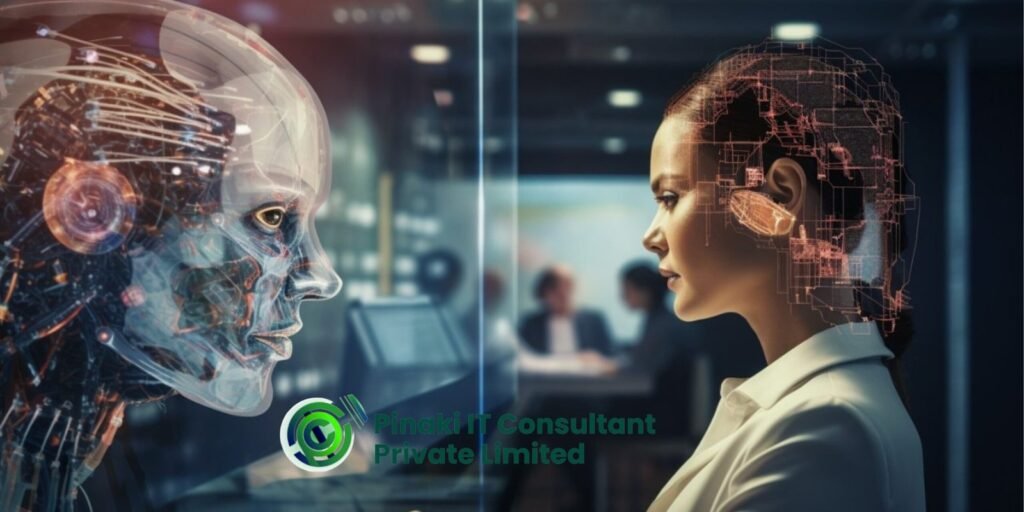
Introduction The rapid advancements in artificial intelligence (AI), machine learning, and robotics have given rise to autonomous systems that are reshaping industries. Pinaki IT Consultant Private Limited has been actively involved in implementing AI-driven autonomous solutions across various sectors. This case study presents real-world applications of AI-driven autonomous systems, the challenges faced during implementation, and their long-term impact on business and society. Background Pinaki IT Consultant Private Limited has been at the forefront of AI innovation, working closely with businesses to integrate autonomous systems into operations. Through the application of AI, robotics, and machine learning, the company has successfully optimized logistics, transportation, and workplace automation for its clients. The company has developed and deployed AI-powered solutions that are not only cost-effective but also improve efficiency and productivity. Implementation of Autonomous Systems Self-Driving Vehicles: The Road to Autonomy Pinaki IT Consultant Private Limited partnered with an Indian logistics firm to integrate AI-driven self-driving delivery vehicles into their supply chain. These vehicles utilized real-time AI perception models and sensor fusion to navigate complex urban environments. Project Achievements: Route Optimization: AI algorithms reduced delivery time by 25%. Safety Enhancements: Advanced collision detection decreased accident rates by 40%. Cost Savings: The company reduced fuel and maintenance costs by 30% through autonomous fleet management. Traffic Analysis: Implemented predictive analytics to optimize route planning and reduce traffic congestion. AI in Transportation: Beyond Cars Autonomous transportation extends beyond roads to air and sea, and Pinaki IT Consultant Private Limited has been instrumental in implementing these technologies. Case Study: AI-Powered Drone Delivery System For a leading e-commerce company, Pinaki IT Consultant Private Limited designed an AI-driven drone delivery system. This system improved last-mile delivery efficiency, reducing delays by 35% and operational costs by 20%. Key Features of the Drone System: Automated Flight Path Optimization: AI algorithms determined the most efficient delivery routes. Obstacle Detection and Avoidance: Real-time machine vision enabled drones to navigate safely. Secure Package Handling: Smart locks and tracking systems ensured safe delivery. Autonomous Shipping Integration Pinaki IT Consultant Private Limited collaborated with a maritime logistics provider to develop an AI-powered navigation system for cargo ships. This system improved route efficiency and minimized fuel consumption by 18%. Key Developments: Autonomous Docking Systems: Ships could autonomously dock without human intervention. Weather Prediction AI: Advanced weather forecasting algorithms improved navigation safety. Fuel Efficiency Algorithms: AI-driven fuel optimization reduced emissions and costs. AI-Powered Robotics in Warehousing and Logistics Pinaki IT Consultant Private Limited has successfully implemented AI-powered robotics in warehouses for several major clients, automating inventory management and logistics operations. Project Success: AI-Powered Robotic Arms: Increased order fulfillment speed by 50%. Automated Inventory Systems: Reduced stock mismanagement errors by 70%. Predictive Maintenance Models: Reduced downtime and maintenance costs by 30%. Collaborative Robots (Cobots): Enhanced human-robot collaboration in warehouses, improving overall productivity. Ethical and Safety Considerations Pinaki IT Consultant Private Limited prioritizes ethical AI development by ensuring fairness, transparency, and security in all AI-driven autonomous solutions. Key considerations include: Job Transformation vs. Displacement: Training programs were initiated to upskill employees affected by automation. AI Bias Mitigation: Implementing diverse datasets to prevent biased AI decision-making. Regulatory Compliance: Ensuring all AI implementations align with industry regulations and government policies. Data Privacy & Cybersecurity: Implemented encryption and authentication protocols to prevent unauthorized access to AI-driven systems. Enhancing Human Capabilities with AI Rather than replacing human roles, AI-driven systems implemented by Pinaki IT Consultant Private Limited have enhanced workforce productivity in multiple sectors. Healthcare: AI-Assisted Diagnostics: AI-assisted diagnostics leverage artificial intelligence and machine learning to analyze medical data, detect diseases, and support clinical decision-making. By processing vast datasets, AI enhances accuracy, speeds up diagnoses, and reduces human errors. It aids in imaging analysis, pathology, and personalized treatment, revolutionizing healthcare with efficiency and precision. Robotic Surgery Assistance: Robotic surgery assistance enhances precision, flexibility, and control in minimally invasive procedures. Surgeons operate robotic arms using a console, improving accuracy and reducing human error. These systems offer 3D visualization, tremor filtration, and micro-movements, leading to smaller incisions, faster recovery, and reduced complications, revolutionizing modern surgical techniques for better outcomes. AI-Powered Drug Discovery: AI-powered drug discovery leverages machine learning, deep learning, and big data to accelerate pharmaceutical research. It predicts molecular interactions, identifies potential drug candidates, and optimizes clinical trials. By analyzing vast datasets, AI reduces costs and development time, enhancing precision in drug design and improving treatments for complex diseases like cancer. Retail and Customer Service: AI Chatbots: Improved customer support response times by 40%. Automated Inventory Management: Optimized stock replenishment for retail businesses, reducing shortages by 25%. AI-Powered Recommendation Systems: Enhanced customer experience by providing personalized product suggestions. Future of Autonomous Systems Based on successful implementations, Pinaki IT Consultant Private Limited foresees a transformative shift in industries adopting autonomous systems. Smart Cities Integration The integration of AI into urban infrastructure is a key focus for Pinaki IT Consultant Private Limited. AI-Driven Traffic Management: AI-driven traffic management leverages artificial intelligence to optimize traffic flow, reduce congestion, and enhance road safety. It utilizes real-time data from sensors, cameras, and GPS to predict traffic patterns, adjust signals dynamically, and manage incidents efficiently. AI also supports smart city initiatives by integrating autonomous vehicles and adaptive traffic control systems. Autonomous Public Transport: Autonomous public transport utilizes self-driving technology to operate buses, trams, and shuttles without human drivers. These vehicles rely on AI, sensors, GPS, and advanced communication systems for navigation, safety, and efficiency. They reduce traffic congestion, enhance accessibility, lower operational costs, and promote eco-friendly urban mobility with minimal human intervention. Smart Waste Management: Smart Waste Management utilizes IoT, AI, and data analytics to optimize waste collection, reduce environmental impact, and enhance efficiency. Sensors in bins monitor waste levels, enabling timely collection and minimizing overflow. Automated sorting, recycling technologies, and smart routing of garbage trucks contribute to sustainability, cost savings, and cleaner urban environments. Fully Autonomous Public Transport Pinaki IT Consultant Private Limited has been working on AI-driven mass transit solutions to enhance efficiency and accessibility. Autonomous Buses: Successfully tested in closed environments, with ongoing trials for
The Future of Generative AI in Software Development
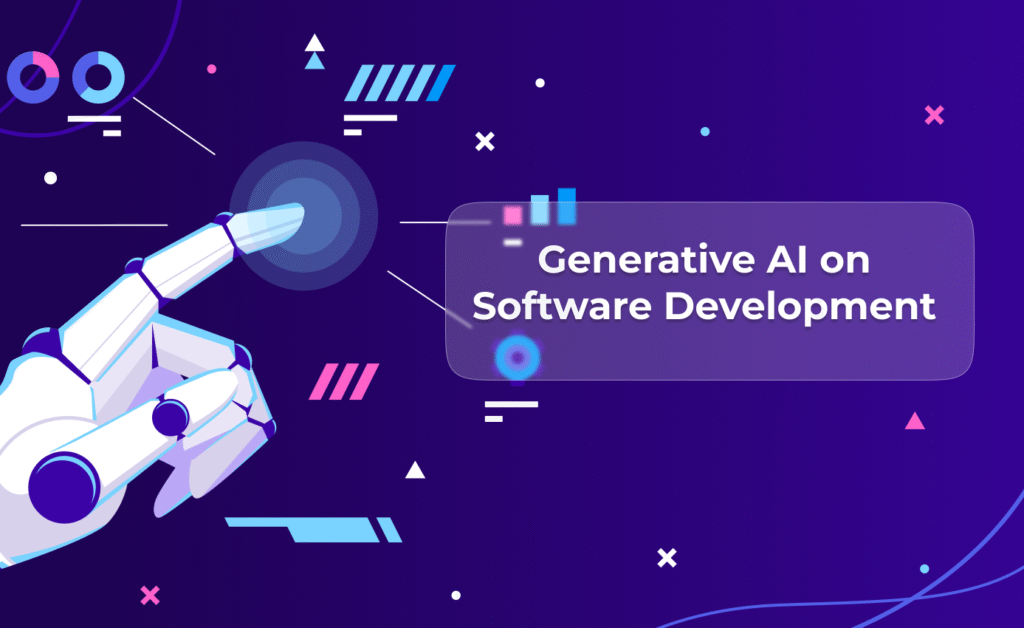
The rise of Generative AI has sparked a transformative shift in software development, redefining the way applications are designed, coded, tested, and deployed. AI-powered tools such as GitHub Copilot, ChatGPT, and OpenAI Codex are already assisting developers by generating code snippets, automating repetitive tasks, and improving efficiency. But as AI continues to advance, a key question arises: Will AI take over software development entirely, or will it complement human creativity? In this blog, we will explore how AI is reshaping the software development landscape, its potential role in the end-to-end development process, and the opportunities it creates for developers to collaborate with AI. How Generative AI is Transforming Software Development Generative AI is influencing various stages of the Software Development Life Cycle (SDLC), including planning, coding, testing, deployment, and maintenance. Below are some of the key areas where AI is making an impact: 1. AI in Code Generation and Development AI-powered code assistants like GitHub Copilot and Tabnine can: This drastically reduces development time and allows engineers to focus on designing robust and scalable architectures. 2. AI in Software Architecture and Design AI can analyze business requirements and suggest optimal software architectures. Tools leveraging AI in this domain can: This means that AI will play a more significant role in high-level software planning, reducing the complexity of designing applications from scratch. 3. AI in Debugging and Testing Generative AI can automate debugging and testing, significantly reducing the time spent on manual error detection. AI-driven tools: This ensures that developers ship more stable, secure, and high-quality software. 4. AI in Deployment and DevOps Automation DevOps workflows are becoming increasingly AI-driven. AI enhances deployment processes by: AI-driven DevOps allows for faster, more reliable, and error-free deployments with minimal human intervention. 5. AI in Maintenance and Software Evolution Once software is deployed, AI can continuously monitor performance and suggest improvements. AI-driven systems can: This reduces technical debt and ensures that applications evolve without constant manual intervention. Will AI Replace Software Developers? The idea of AI completely replacing developers remains highly unlikely in the near future. Instead, AI will act as an augmentative force that enhances developer productivity rather than eliminating jobs. Why AI Won’t Fully Replace Developers? How AI Will Complement Developers? Rather than replacing developers, AI will: The Future: AI in End-to-End Software Development With AI continuing to advance, it is expected to play a role in full-cycle software development, from conceptualization to deployment and beyond. Some predictions include: 1. AI-Driven Low-Code and No-Code Development AI-powered low-code/no-code platforms will empower non-developers to build applications with minimal coding. These platforms will: 2. AI-Powered Self-Healing Code Future AI models will be capable of detecting and fixing bugs automatically, leading to self-healing applications that: 3. AI-Assisted Decision-Making in Software Engineering AI will assist engineering teams in making critical decisions by: 4. AI in Personalized User Experiences AI will enable software to adapt to individual user preferences, creating hyper-personalized applications that: Opportunities for Developers in an AI-Driven World Rather than replacing developers, AI opens new career opportunities in fields such as: ✅ AI & ML Development – Building AI-powered applications.✅ AI-Powered Software Engineering – Integrating AI with traditional software solutions.✅ AI Ethics & Security – Addressing bias, security, and compliance challenges.✅ AI-Augmented DevOps – Managing AI-powered automation in cloud computing. Developers who adapt and upskill in AI-related technologies will have significant career growth in the coming years. Conclusion: AI as a Partner, Not a Replacement The future of software development is not about AI vs. humans; rather, it’s about AI + humans. AI will revolutionize the software industry by enhancing efficiency, automating tedious tasks, and allowing developers to focus on creativity and innovation. Developers who embrace AI will not only future-proof their careers but also unlock new possibilities in software engineering. Instead of fearing AI, it’s time to leverage its potential to build smarter, faster, and more intelligent software systems. wayaacademy@gmail.compinakiithub.com
AI-Driven Customer Experience: Explore how AI is transforming customer experience, such as chatbots, personalized recommendations, and sentiment analysis.
Artificial Intelligence (AI) is redefining business paradigms across industries in today’s fast-evolving digital landscape. One of the most impactful applications of AI is its ability to transform customer experiences. From automating interactions to delivering hyper-personalized recommendations, AI has become an indispensable tool for businesses striving to meet the ever-increasing demands of their customers. For Pinaki IT Consultant Private Limited, understanding and leveraging AI-driven customer experience solutions is crucial for staying ahead in a competitive market. The Rise of AI in Customer Experience Customer Experience (CX) has become the cornerstone of business success. Studies show that companies prioritizing CX achieve higher customer satisfaction, loyalty, and revenue growth. However, delivering exceptional customer experiences at scale has historically been challenging. This is where AI offers unparalleled capabilities to enhance customer interactions, gain insights, and streamline processes. By deploying tools such as chatbots, personalized recommendation engines, and sentiment analysis systems, businesses can cater to individual customer needs with precision and efficiency. Chatbots: Revolutionizing Customer Interactions One of the most visible applications of AI in customer experience is the deployment of chatbots. These AI-driven virtual assistants have transformed how businesses interact with their customers: 24/7 Availability: Chatbots ensure that customer queries are addressed at any time, enhancing convenience and satisfaction. Cost Efficiency: By automating routine inquiries, businesses can significantly reduce the workload on human support agents, lowering operational costs. Speed and Accuracy: AI-powered chatbots can retrieve and provide information quickly, minimizing wait times and delivering accurate responses. For example, a retail business using a chatbot can instantly address customer questions, such as order tracking or product availability, without human intervention. Chatbots like those integrated with Natural Language Processing (NLP) can also understand and respond to complex queries, creating a seamless conversational experience. Personalized Recommendations: Elevating Customer Engagement Personalization is no longer a luxury—it’s an expectation. AI enables businesses to analyze vast amounts of data to deliver tailored recommendations that resonate with individual preferences: Dynamic Content Delivery: AI algorithms analyze customer behavior, purchase history, and preferences to recommend products or services that align with their interests. Enhanced Upselling and Cross-Selling: Personalized recommendations can suggest complementary products, increasing the average transaction value and customer satisfaction. Real-Time Adaptation: Advanced AI models can adjust recommendations in real-time based on customer interactions, creating a dynamic and engaging experience. Netflix and Amazon are prime examples of companies leveraging AI-driven recommendations. Their algorithms continuously refine suggestions based on user interactions, ensuring that every customer feels uniquely understood. For businesses like Pinaki IT Consultant Private Limited, implementing similar AI-powered systems can help clients foster deeper customer connections and drive sales. Sentiment Analysis: Understanding the Customer Voice To deliver exceptional customer experiences, businesses must understand how their customers feel about their products, services, and brand. Sentiment analysis—a subset of AI that interprets emotions and opinions from text data—is a powerful tool for achieving this: Customer Feedback Analysis: By analyzing reviews, social media comments, and survey responses, businesses can gauge customer sentiment and identify areas for improvement. Proactive Issue Resolution: AI can detect negative sentiments in real-time, enabling businesses to address issues promptly and prevent potential escalations. Trend Identification: Sentiment analysis uncovers emerging trends and preferences, providing valuable insights for strategic decision-making. For instance, a hospitality business could use AI to monitor online reviews and social media mentions, ensuring a quick response to dissatisfied customers while capitalizing on positive feedback to strengthen brand reputation. AI and the Future of Customer Experience The integration of AI in customer experience is not a one-size-fits-all solution. Businesses must carefully select and customize AI tools to align with their unique goals and customer needs. Here are some future trends to watch: Voice Assistants: AI-powered voice assistants like Alexa and Google Assistant are becoming increasingly sophisticated, allowing businesses to engage with customers through voice-based interactions. Predictive Analytics: By anticipating customer needs and behaviors, predictive analytics can help businesses proactively offer solutions, further enhancing customer satisfaction. Emotion AI: Emerging technologies aim to interpret facial expressions, voice tones, and other non-verbal cues to better understand customer emotions and tailor interactions accordingly. Implementing AI-Driven Solutions: Best Practices For businesses considering AI adoption to enhance customer experience, the following best practices are essential: Define Clear Objectives: Identify specific pain points and objectives to ensure that AI solutions address genuine business needs. Invest in Data Quality: AI systems rely on high-quality data to deliver accurate results. Businesses must prioritize data collection, cleansing, and management. Ensure Ethical Use: Transparency, data privacy, and ethical AI usage are critical for maintaining customer trust. Continuous Improvement: AI systems should be regularly updated and refined based on performance metrics and user feedback. Conclusion Artificial Intelligence is revolutionizing the way businesses approach customer experience. From the efficiency of chatbots to the precision of personalized recommendations and the depth of sentiment analysis, AI-driven solutions empower businesses to meet and exceed customer expectations. For organizations like Pinaki IT Consultant Private Limited, embracing AI is not merely an option but a strategic imperative to remain competitive and innovative in today’s digital economy. By investing in AI technologies and aligning them with customer-centric strategies, businesses can unlock new opportunities, foster stronger relationships, and achieve sustainable growth. AI’s journey in customer experience has just begun, and its potential to reshape industries is boundless. wayaacademy@gmail.compinakiithub.com
How I Can Become a Digital Marketer?

In this comprehensive guide, we will break down the essential steps to becoming a Digital Marketer, from understanding the core concepts to mastering key skills, choosing a specialization, gaining practical experience, and ultimately excelling in this exciting industry. If you’re ready to embark on a rewarding career in digital marketing, this post will provide you with a clear, actionable roadmap to get there. Despite the vast Opportunities in Digital Marketing, many aspiring Marketers struggle with where to begin, which skills to focus on, and how to stand out in a highly competitive industry. With a multitude of resources available, it’s easy to feel lost or overwhelmed. However, by following a strategic approach and learning progressively, you can confidently make your mark in the world of digital marketing. Understand the Core Concepts of Digital Marketing Before diving into the tools and tactics, it’s essential to have a solid understanding of what digital marketing entails and why it matters. What Digital Marketing Encompasses ? Digital Marketing refers to all marketing efforts that utilize the internet or electronic devices to connect with current and prospective customers. It covers a wide range of strategies and techniques, including:- The Role of Data in Digital Marketing The data-driven nature of DIgital Marketing sets it apart from traditional marketing. Digital marketers rely heavily on analytics to understand user behavior, track the success of campaigns, and optimize marketing strategies. Google Analytics, for example, helps you track website traffic, identify top-performing content, and understand customer demographics. Similarly, Facebook Insights, LinkedIn Analytics, and other platform-specific tools provide valuable data on engagement, reach, and conversion. Keeping Up with Industry Trends Digital Marketing is a fast-evolving industry. Trends shift, new technologies emerge, and platforms update their algorithms. To succeed, you need to stay updated. Reading blogs from industry leaders like Moz, Neil Patel, and Content Marketing Institute, subscribing to digital marketing podcasts, and attending webinars and conferences are essential to staying ahead of the curve and How I Can Become a Digital Marketer? Learn Key Skills and Tools Digital Marketing Essential Digital Marketing Skills – To become a successful digital marketer, you need a diverse skill set that blends creativity, strategy, and technical knowledge. Here are the key skills every digital marketer should possess:- Tools You Must Know Digital marketing involves using a variety of tools to execute campaigns, measure success, and manage tasks. Here are the most important tools for every aspiring digital marketer Hands On Practice– Theory alone won’t make you a skilled digital marketer. You must practice what you learn. Start a blog, create a website, or run your own social media pages to experiment with SEO, content creation, and social media strategies. Volunteering your digital marketing services to a local business or non-profit is another great way to get practical experience. Choose Your Area of Specialization Digital Marketing While digital marketing covers many areas, specializing in one (or a few) can make you a valuable asset. Here are some of the main specializations within digital marketing:- By choosing a specialization, you can target your learning efforts and become an expert in a particular area. However, keep in mind that being knowledgeable in several aspects of digital marketing is also a huge advantage. Formal Education vs Self-Learning Digital Marketing Made to Stick by Chip Heath and Dan Heath (on creating compelling content). SEO 2023 by Adam Clarke (an up-to-date guide on SEO). Blogs like Neil Patel, Moz, and HubSpot Academy are also excellent resources for staying up-to-date with trends and strategies. Building Your Personal Brand Digital Marketing Gaining Real-World Experience Internships and Entry-Level Jobs Getting hands-on experience through internships or entry-level positions is essential. These roles allow you to understand how digital marketing works in the real world, collaborate with teams, and learn from experienced marketers. Freelancing and Remote Work Freelancing offers flexibility, a broad range of clients, and the opportunity to diversify your work. Platforms like Upwork and Fiverr allow you to find clients and start building your reputation as a digital marketer. Collaborating on Projects Start by offering free or low-cost services to local businesses, charities, or start-ups. Managing digital marketing for small businesses provides you with real-life case studies for your portfolio and enhances your skills in a practical setting. Becoming a digital marketer requires continuous learning, experimentation, and adaptation to industry changes. With the right skills, knowledge, and mindset, you can carve a successful career in this field. Whether you’re looking to work for a top digital marketing agency, build your own agency, or specialize in one of the many areas of digital marketing, the opportunities are vast and rewarding. Take the first step today_learn, apply, and keep evolving as a digital marketing professional. wayaacademy@gmail.compinakiithub.com
How AI System can be Trained to enable Automatic Cyber Threat Detection

In the fast-paced digital world, Cybersecurity has become one of the most critical concerns for organizations and individuals alike. Every moment, Cybercriminals are launching Sophisticated Attacks Phishing scams, Ransomware, and Zero-day exploits_that can compromise sensitive data and disrupt entire systems. Reports indicate that Cybercrime costs globally are projected to hit $10.5 trillion annually by 2025, making it one of the largest economic Threats in the modern era with businesses expanding their digital footprints and individuals relying more on online services, the stakes have never been higher.In this How AI System can be Trained to enable Automatic Cyber Threat Detection_ Cybersecurity landscape is evolving, but unfortunately, so are the methods of attackers. Traditional defense mechanisms, such as firewalls and rule-based systems, struggle to cope with the sheer volume and complexity of modern Cyber Threats. These legacy systems rely on pre-defined signatures and rules, which are effective only for known Threats. They falter when facing zero-day vulnerabilities or Advanced Persistent Threats (APTs), where malicious actors exploit unknown weaknesses or use subtle, hard-to-Detect techniques. This results in delayed responses, increased breaches, and an ever-growing gap between attackers and defenders. Artificial Intelligence (AI) is emerging as a transformative force in the fight against Cyber Threats. Unlike traditional methods, AI systems can Analyze massive volumes of data, identify anomalies, and predict malicious behavioral at lightning speed. By training AI with advanced Algorithms and feeding it diverse datasets, it becomes capable of automatic Cyber threat detection. This innovation doesn’t just stop at detecting threats_ it can adapt to evolving attack patterns, making it a proactive defender in the Cybersecurity arena. AI systems are trained for this purpose, exploring the step-by-step processes involved in collecting data, designing algorithms, and testing models. We also examine real-world applications is such as intrusion Detection, Malware Analysis, and Predictive threat Intelligence. Finally, we discuss the challenges that come with training AI for Cybersecurity and the promising future of this cutting-edge technology with AI leading the charge, the future of Cybersecurity is not just about survivalist’s about building a robust digital defense system that outpaces attackers at every turn. How AI is Trained for Cyber Threat Detection Training AI systems for automatic Cyber threat detection is a multistep process that involves data collection, Algorithm selection, feature Engineering, Model Training, and Testing. Each of these steps plays a crucial role in ensuring that AI systems can effectively identify malicious activity while minimizing false alarms_ 1. Data Collection and Preprocessing AI systems rely heavily on Data to learn and make decisions. In Cybersecurity, this Data can come from various sources, including_ Once data is Collected, it must be Preprocessed to remove irrelevant or noisy information. This includes cleaning up Data, normalizing values, and labeling it appropriately. Labeled data (such as marking certain actions as benign or malicious) is especially important for Supervised Learning, where AI models learn from past examples of Cyber Threats. 2. Algorithm Selection The heart of AI systems lies in the Algorithms that power them. In Cybersecurity, several types of Algorithms are commonly used to Detect Cyber threats_ 3. Feature Engineering Feature Engineering involves extracting meaningful characteristics (or “features”) from raw data that the AI model can use to make decisions. For example_ 4. Model Training and Testing Real World Scenario Performance, a good AI system should be able to Detect threats with a high level of accuracy while minimizing false positives. The Increasing Need for AI in Cybersecurity The Growing Threat Landscape Cyberattacks are no longer limited to simple malware infections or phishing schemes. Hackers have become more advanced, using sophisticated techniques like Ransomware, Advanced Persistent Threats (APTs), and Zeroday exploits to target ritical infrastructure, steal sensitive data, and cause widespread damage. These evolving Threats are outpacing traditional security measures, which rely on static rules and predefined signatures. The global cost of Cybercrime is estimated to reach $10 trillion by 2025, underlining the urgent need for more advanced and adaptive security solutions. Challenges with Traditional Cybersecurity Systems Traditional Cybersecurity systems, such as signature based Detection and rulebased firewalls, are becoming increasingly ineffective against new and unknown Threats. These systems rely on a predefined set of rules to identify known attack signatures. While this works for familiar Threats, it cannot Detect novel or sophisticated Attacks that do not match existing patterns. As the Digital landscape grows, Traditional systems struggle with scalability, often producing a high number of false positives or missing complex Attacks. AI, offers a gamechanging solution by leveraging Machine Learning and Data Analytics to detect and mitigate these new, unknown, and evolving threats. Unlike traditional methods, AI can continuously learn from vast Datasets, adapt to new attack techniques, and provide realtime defense mechanisms. Intrusion Detection Systems (IDS) AI powered IDS can monitor network traffic in real time and Detect suspicious activities. By Analyzing Data packets, connection attempts, and communication patterns, AI can flag potential intrusions, alert security teams, and take Automated actions such as blocking the Attack or isolating the affected system. Applications of AI in Cyber Threat Detection Malware Detection and Analysis AI systems can Analyze files and applications to identify Malware based on their behavior rather than relying on known virus signatures. Machine Learning algorithms can learn the typical behavior of files and processes, then flag anomalies that might indicate the presence of Malware, even if the Malware is a new or previously unknown variant. User and Entity Behavior Analytics (UEBA) UEBA systems use AI to establish baseline Behavior profiles for Users and Entities within a network. Any deviation from this baseline_such as accessing files outside of normal working hours or transferring unusually large amounts of data_can trigger an alert. This is particularly useful for Detecting insider Threats or compromised accounts. Phishing Detection Phishing attacks, where malicious actors impersonate trusted entities to steal sensitive information, are a growing concern. AI can Detect phishing attempts by analyzing the content, style, and metadata of emails or websites, identifying signs of impersonation, and flagging potentially malicious communication before it reaches the target. Challenges in AI Based Cyber Threat Detection