Sustainable IT and Green Technologies: Paving the Path to a Greener Future

Introduction In an era where technology shapes every aspect of our lives, the environmental impact of the IT sector has come under intense scrutiny. The rapid growth of data centers, the proliferation of electronic devices, and the energy demands of modern computing systems have significantly contributed to environmental degradation. The constant demand for faster, more powerful devices has led to the overconsumption of natural resources, increased greenhouse gas emissions, and mounting electronic waste. This environmental toll has prompted industries, policymakers, and consumers to rethink how technology is developed, used, and disposed of. To address these concerns, Sustainable IT and Green Technologies have emerged as pivotal strategies aimed at reducing carbon footprints, enhancing energy efficiency, and promoting eco-friendly innovations. Sustainable IT encompasses practices and methodologies designed to minimize the environmental impact of information technology systems throughout their lifecycle, from production to disposal. Meanwhile, Green Technologies focus on advancing innovations that contribute to sustainable development by conserving resources, reducing emissions, and fostering environmental stewardship. The importance of adopting sustainable IT practices is underscored by the escalating scale of digitalization. The increasing demand for cloud computing, big data processing, and Artificial Intelligence (AI) technologies intensifies the environmental load on IT infrastructure. Data centers, for example, are known to be among the largest consumers of electricity globally, generating vast amounts of heat and requiring extensive cooling mechanisms. Likewise, the production of electronic devices involves the extraction and processing of finite natural resources, leading to habitat destruction and pollution. The commitment to sustainable IT extends beyond merely reducing energy consumption. It involves a holistic approach that includes resource conservation, lifecycle management, and eco-friendly innovation. Organizations are now prioritizing energy-efficient designs, reducing the carbon intensity of their operations, and ensuring that their products are recyclable and reusable. The integration of AI into sustainable practices has further amplified these efforts, enabling predictive analytics, optimization, and intelligent resource management. AI technologies, in particular, have the potential to revolutionize the way we approach sustainability. AI-driven solutions can optimize energy consumption in data centers, automate resource management, and streamline waste reduction efforts. By leveraging machine learning models, businesses can predict maintenance needs, enhance supply chain efficiency, and minimize environmental waste. AI also plays a pivotal role in renewable energy management by forecasting energy demands and optimizing grid operations. The adoption of Sustainable IT and Green Technologies is not just an environmental imperative but also a business strategy that can enhance operational efficiency, reduce costs, and bolster brand reputation. As regulatory frameworks around the world evolve to promote sustainability, companies that proactively embrace green practices are better positioned to comply with environmental standards and gain a competitive edge. This comprehensive blog, presented by Pinaki IT Consultant Private Limited, delves into the essence of Sustainable IT and Green Technologies, emphasizing how AI development partnerships are shaping a greener and more sustainable future. We will explore the key principles that define sustainable practices in IT, including energy efficiency, resource conservation, eco-friendly innovation, and lifecycle management. Additionally, we will highlight the transformative role of AI in driving sustainable advancements and achieving long-term ecological goals. By adopting and championing sustainable IT practices, businesses can contribute to global efforts to mitigate climate change, reduce ecological footprints, and promote responsible consumption. Pinaki IT Consultant Private Limited is committed to advancing these sustainable practices, fostering technological innovations that prioritize environmental responsibility, and partnering with organizations to build a cleaner, greener future for all. Understanding Sustainable IT and Green Technologies Sustainable IT refers to designing, manufacturing, using, and disposing of information technology systems in ways that minimize environmental impact. Green Technologies focus on innovations that contribute to sustainable development by conserving resources, reducing emissions, and enhancing environmental stewardship. Key principles include: Energy Efficiency Energy efficiency is a cornerstone of Sustainable IT. It involves optimizing processes, systems, and devices to consume the least possible amount of energy while maintaining high performance. This encompasses everything from using energy-efficient servers and processors to implementing algorithms that minimize computational complexity. For example, organizations are transitioning to low-power devices and using advanced cooling systems to mitigate excessive energy consumption in data centers. Beyond hardware, energy-efficient software design, where programs are written to perform tasks using minimal resources, also plays a pivotal role. Resource Conservation Resource conservation is about minimizing the use of natural resources and ensuring the longevity of materials. In IT, this involves designing products that use fewer rare materials, encouraging the reuse and refurbishment of devices, and promoting recycling. For instance, companies are investing in sustainable sourcing practices, such as using recycled materials in hardware components and minimizing water use in manufacturing processes. Additionally, adopting virtualization technologies reduces the need for multiple physical servers, thereby conserving hardware resources. Eco-Friendly Innovation Eco-friendly innovation pushes the boundaries of designing technology that aligns with environmental goals. This involves creating devices with modular designs for easy upgrades, developing software that requires less processing power, and innovating in areas such as biodegradable packaging. Moreover, research into sustainable materials and efficient production methods continues to drive the development of greener technologies, ensuring that innovation does not come at the expense of the planet. Lifecycle Management Lifecycle management involves considering the environmental impact of IT products from production through to disposal. This holistic approach ensures that products are designed with sustainability in mind, encouraging practices such as take-back schemes, refurbishing old devices, and responsible e-waste disposal. Companies are also focusing on extending the life of their equipment through regular maintenance and upgrades, thereby reducing the frequency of replacements and minimizing waste. The Role of AI in Sustainable IT and Green Technologies AI technologies can significantly enhance the efficiency and sustainability of IT operations. AI-driven solutions help optimize energy usage, reduce waste, and automate sustainable practices. Collaborating with AI development partners can lead to more innovative and impactful green technologies. AI-Enhanced Data Centers Data centers are among the most energy-intensive aspects of IT infrastructure. AI can play a crucial role in making these centers more sustainable. Smart Resource Management Smart resource management involves using AI to streamline processes and
Innovations in Nanotechnology and Their Applications in Medicine and Materials Science
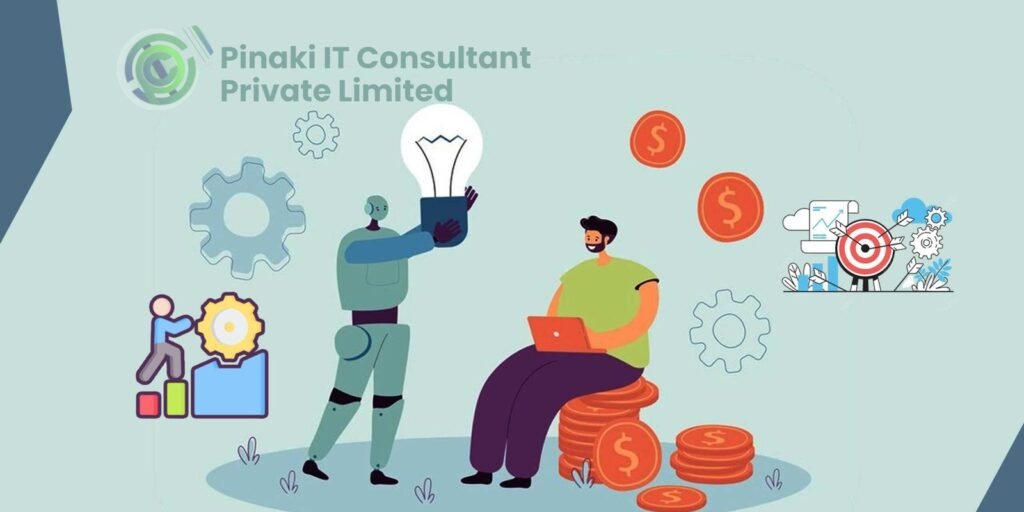
Introduction Nanotechnology is an interdisciplinary field that involves manipulating matter at the nanoscale, typically within the range of 1 to 100 nanometers. This revolutionary technology has transformed multiple sectors, including medicine, materials science, energy, environmental monitoring, and more. Its integration with Artificial Intelligence (AI) has further accelerated advancements, paving the way for innovative solutions that enhance efficiency, precision, and sustainability. This article, presented by Pinaki IT Consultant Private Limited, deeply explores the convergence of Nanotechnology and AI, elaborating on how this integration is reshaping industries and fostering unprecedented growth. The Symbiotic Relationship Between Nanotechnology and AI AI and nanotechnology are two of the most groundbreaking innovations of the modern era. While nanotechnology provides tools and materials at the molecular and atomic level, AI offers computational power to analyze, predict, and optimize these materials’ behavior. When combined, they unlock possibilities that redefine what is achievable across various domains. Applications and Benefits of AI-Integrated Nanotechnology Across Domains Benefits of Integrating AI with Nanotechnology Conclusion The fusion of nanotechnology with AI is unlocking unprecedented opportunities across diverse sectors. From revolutionizing healthcare with personalized treatments to enhancing sustainability in materials science and environmental monitoring, the combined power of these technologies is reshaping the future. Pinaki IT Consultant Private Limited stands at the forefront of these advancements, leveraging AI to drive innovative solutions in nanotechnology. This integration promises a smarter, more efficient, and sustainable future, redefining possibilities across industries and creating impactful global transformations. By continuing to explore and refine these synergistic applications, we can look forward to more intelligent, adaptable, and sustainable technologies that will shape the next era of scientific and industrial progress. wayaacademy@gmail.compinakiithub.com
Top Web Design Trends in 2025: How to Keep Your Website Fresh and Engaging
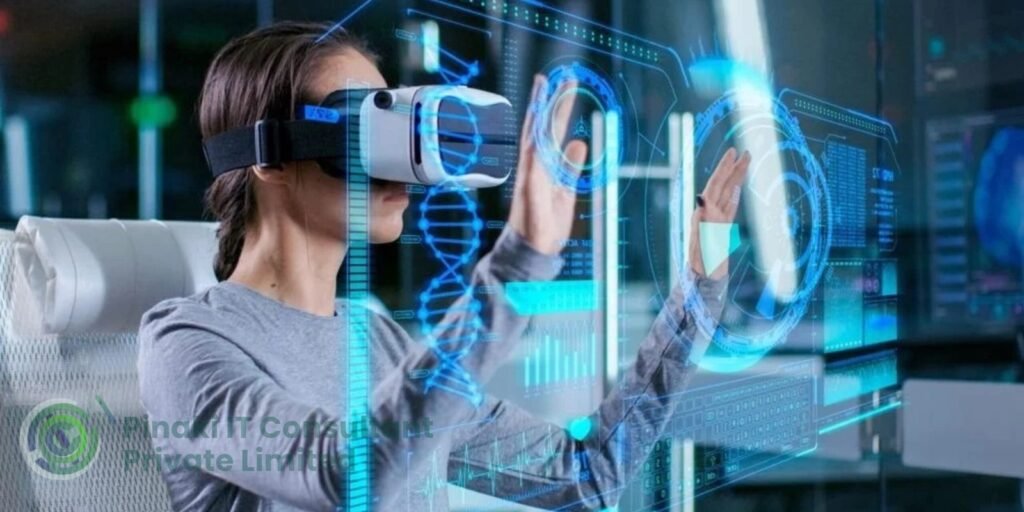
By Pinaki IT Consultant Private Limited As we step into 2025, the digital landscape continues to evolve rapidly, influencing how businesses engage with their audience. Web design trends are no exception, with innovative technologies and changing user preferences shaping how websites look and function. Keeping your website fresh and engaging isn’t just about aesthetics. it’s about creating meaningful interactions that resonate with users. Here’s a deep dive into the top web design trends of 2025 and how to leverage them to enhance your digital presence. 1. Immersive 3D Elements 3D elements are no longer just for gaming—they are transforming web design by adding depth and realism. In 2025, expect to see more interactive 3D graphics that engage users through dynamic animations and realistic product displays. These elements provide an immersive experience, allowing users to visualize products more accurately, enhancing decision-making and boosting conversion rates.Description: Incorporating 3D elements enhances user engagement by offering a realistic and interactive experience. This trend is particularly effective for e-commerce sites where product visualization is crucial. With advancements in WebGL and CSS, creating responsive 3D designs is more accessible than ever. 2. AI-Driven Personalization Artificial Intelligence continues to reshape digital experiences, and in 2025, AI-driven personalization will be more sophisticated. Websites will leverage AI to analyze user behavior and tailor content dynamically. From personalized product recommendations to adaptive user interfaces, this trend ensures a customized browsing experience, increasing user satisfaction and retention.Description: AI-driven personalization enhances user experience by delivering relevant content and recommendations. It leverages data analytics and machine learning to understand user behavior, making websites more intuitive and engaging. This approach also helps businesses improve conversion rates through targeted marketing. 3. Dark Mode and Dynamic Themes Dark mode has been trending for a while, but in 2025, it’s evolving into dynamic themes that adjust according to user preferences or environmental lighting. These adaptive designs reduce eye strain and enhance battery efficiency on mobile devices. Additionally, dynamic themes contribute to accessibility, catering to users with visual impairments.Description: Dynamic themes improve user comfort and accessibility by adapting to different lighting conditions and personal preferences. This trend is crucial for enhancing user experience on mobile devices, ensuring better readability and prolonged engagement. 4. Neumorphism and Glassmorphism Neumorphism, characterized by soft shadows and subtle depth, creates a blend of skeuomorphism and flat design, offering a modern, minimalist aesthetic. Glassmorphism, with frosted glass-like effects, adds layers and depth, enhancing visual hierarchy. In 2025, these design styles are being combined creatively to achieve a futuristic and elegant look.Description: Neumorphism and Glassmorphism offer a sophisticated and minimalistic design approach that enhances user experience by providing a tactile interface. These styles are ideal for modern applications, creating visually appealing and intuitive interfaces. 5. Voice User Interface (VUI) Voice search is gaining traction with smart devices becoming more ubiquitous. In 2025, websites are integrating Voice User Interfaces (VUI) to enable hands-free navigation and accessibility. By leveraging AI voice recognition, VUI allows users to interact more naturally, providing a seamless and efficient user experience.Description: VUI enhances accessibility and usability by enabling voice interactions. This technology is crucial for users with disabilities or those who prefer voice commands, ensuring an inclusive and engaging digital experience. 6. Micro-Interactions and Animations Micro-interactions add life to websites through subtle animations triggered by user actions like hovering, clicking, or scrolling. These interactive elements provide feedback, guide navigation, and make interactions more engaging. In 2025, expect more playful yet functional animations that enhance the user journey without overwhelming them.Description: Micro-interactions improve user engagement by providing feedback and guiding navigation intuitively. These subtle animations enhance usability and make digital experiences more memorable and enjoyable. 7. Minimalistic and Clean Design The principle of “less is more” continues to dominate in 2025. Minimalistic design focuses on simplicity, prioritizing content and functionality. It eliminates clutter, enhances loading speed, and improves user focus. Clean layouts with ample white space contribute to a sophisticated and professional appearance.Description: Minimalistic design emphasizes simplicity and functionality, enhancing user experience by reducing cognitive overload. It improves site speed and accessibility, making it ideal for modern, user-centric web applications. 8. Inclusive and Accessible Design Web accessibility is no longer optional—it’s a necessity. In 2025, inclusive design practices ensure websites are usable by people of all abilities, including those with visual, auditory, or cognitive impairments. This involves using proper contrast ratios, accessible navigation, and screen reader compatibility.Description: Inclusive design ensures that websites are accessible to users with disabilities, enhancing usability and user satisfaction. This approach promotes digital inclusivity, broadening audience reach and ensuring compliance with accessibility standards. 9. Augmented Reality (AR) Integration Augmented Reality is transforming how users interact with websites, especially in e-commerce and real estate. In 2025, AR will be more immersive, allowing users to visualize products in their real-world environment. This enhances decision-making and reduces the gap between digital and physical experiences.Description: AR integration enhances user engagement by offering interactive and immersive experiences. It is particularly effective for virtual try-ons and product visualizations, bridging the gap between digital and physical shopping experiences. 10. Asymmetrical Layouts and Broken Grid Design Traditional grid layouts are giving way to more creative and dynamic designs. Asymmetrical layouts and broken grids add visual interest, making websites look more unique and engaging. In 2025, designers are experimenting with overlapping elements and unconventional placements to create visually stimulating interfaces.Description: Asymmetrical layouts break the monotony of traditional grid designs, creating a dynamic and engaging user experience. This trend encourages creativity, making websites more memorable and visually appealing. 11. Sustainable Web Design With increasing awareness of environmental issues, sustainable web design is emerging as a significant trend in 2025. This involves optimizing website performance to reduce energy consumption, using eco-friendly hosting, and designing with minimal resources. Lightweight designs and efficient coding practices contribute to a smaller carbon footprint.Description: Sustainable web design promotes environmental responsibility by minimizing energy consumption and resource usage. This trend reflects growing awareness of digital sustainability, attracting eco-conscious users and enhancing brand reputation. 12. Advanced Scroll Animations Scrolling is no longer just a navigation mechanism;
The Impact of Emerging Technologies on the World: Shaping the Future
Introduction Technology has always been a catalyst for transformation, shaping the way we live, work, and interact. The 21st century is witnessing an unprecedented acceleration in technological advancements, driving changes across industries, economies, and even societal structures. From Artificial intelligence (AI) to blockchain, quantum computing to biotechnology, emerging technologies are reshaping the future in ways we never imagined. Pinaki IT Consultant Private Limited presents an in-depth analysis of the impact of these technologies on the world and their potential to drive innovation, efficiency, and global progress. 1. Artificial Intelligence (AI) and Machine Learning (ML) Artificial Intelligence (AI) is the simulation of human intelligence in machines, enabling them to perform tasks like problem-solving, decision-making, and language processing. AI includes various subfields such as robotics, expert systems, and neural networks. Machine Learning (ML) is a subset of AI that enables systems to learn from data and improve their performance without explicit programming. ML algorithms analyze patterns and make predictions, powering applications like recommendation systems, fraud detection, and autonomous vehicles. Both AI and ML are transforming industries, enhancing automation, and revolutionizing fields such as healthcare, finance, and cybersecurity by enabling smarter and more efficient solutions. Key Impacts of AI & ML: Despite these benefits, AI raises ethical concerns related to job displacement, data privacy, and biased decision-making, necessitating responsible AI development. 2. Blockchain and Decentralized Systems Blockchain and decentralized systems are revolutionizing industries by enhancing security, transparency, and efficiency. Blockchain, a distributed ledger technology, eliminates the need for intermediaries, ensuring trustless transactions. Decentralized systems empower individuals by reducing reliance on centralized authorities, fostering innovation in finance, supply chain, and data management. Cryptocurrencies, smart contracts, and decentralized finance (DeFi) are reshaping the global economy, offering secure, peer-to-peer transactions. These technologies enhance cybersecurity by reducing vulnerabilities to single points of failure. As blockchain adoption grows, industries will experience increased transparency, reduced fraud, and greater autonomy, shaping a more secure and decentralized digital future. Key Impacts of Blockchain: Although blockchain holds immense potential, challenges such as scalability, regulatory concerns, and energy consumption need to be addressed for broader adoption. 3. Quantum Computing Quantum computing is set to revolutionize technology by solving complex problems beyond classical computers’ capabilities. Using quantum bits (qubits), these computers perform parallel computations, enabling breakthroughs in cryptography, artificial intelligence, drug discovery, and optimization problems. Quantum algorithms like Shor’s and Grover’s offer exponential speedups, transforming industries like cybersecurity and finance. Companies like IBM, Google, and startups are racing to build scalable quantum systems. While challenges like error correction persist, advancements in quantum supremacy signal a new era of computing. As quantum technology matures, it promises to reshape data processing, scientific research, and problem-solving on an unprecedented scale. Key Impacts of Quantum Computing: While quantum computing is still in its early stages, its transformative potential across industries is undeniable. 4. Internet of Things (IoT) The Internet of Things (IoT) is revolutionizing how we interact with technology, shaping the future of everyday life. By connecting devices, from smart homes to industrial machinery, IoT enables real-time data exchange, enhancing automation, efficiency, and convenience. It empowers businesses with insights for better decision-making, improving productivity and customer experiences. In healthcare, IoT facilitates remote monitoring and personalized treatments, while in transportation, it optimizes routes and reduces traffic congestion. As IoT continues to expand, it promises to foster smart cities, energy-efficient systems, and more sustainable practices, ultimately driving innovation and transforming industries across the globe. Key Impacts of IoT: However, security concerns related to IoT devices and data privacy remain significant challenges. Conclusion Emerging technologies are reshaping the world, creating opportunities and challenges across various industries. AI, blockchain, quantum computing, IoT, biotechnology, 5G, and AR/VR are driving a new era of innovation and digital transformation. However, ethical considerations, security concerns, and regulatory frameworks must evolve to ensure responsible and sustainable development. Pinaki IT Consultant Private Limited remains committed to staying at the forefront of technological advancements, helping businesses navigate the complexities of digital transformation. The future is being shaped today, and embracing these emerging technologies is crucial for staying ahead in an ever-changing world. Stay updated with the latest trends in technology by following Pinaki IT Consultant Private Limited. For expert consultation on digital transformation, reach out to us today! wayaacademy@gmail.compinakiithub.com
Case Study: AI-Driven Autonomous Systems – Transforming Work, Transportation, and Beyond
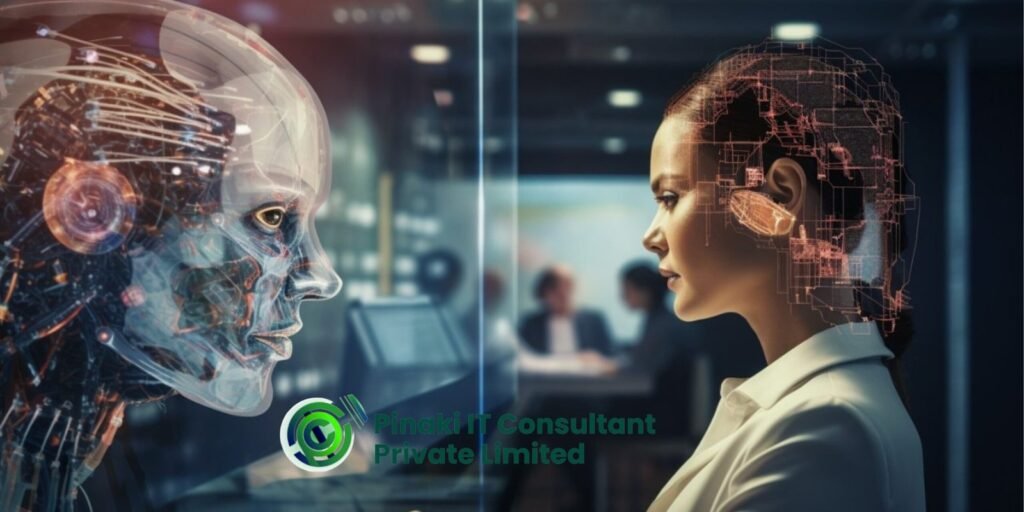
Introduction The rapid advancements in artificial intelligence (AI), machine learning, and robotics have given rise to autonomous systems that are reshaping industries. Pinaki IT Consultant Private Limited has been actively involved in implementing AI-driven autonomous solutions across various sectors. This case study presents real-world applications of AI-driven autonomous systems, the challenges faced during implementation, and their long-term impact on business and society. Background Pinaki IT Consultant Private Limited has been at the forefront of AI innovation, working closely with businesses to integrate autonomous systems into operations. Through the application of AI, robotics, and machine learning, the company has successfully optimized logistics, transportation, and workplace automation for its clients. The company has developed and deployed AI-powered solutions that are not only cost-effective but also improve efficiency and productivity. Implementation of Autonomous Systems Self-Driving Vehicles: The Road to Autonomy Pinaki IT Consultant Private Limited partnered with an Indian logistics firm to integrate AI-driven self-driving delivery vehicles into their supply chain. These vehicles utilized real-time AI perception models and sensor fusion to navigate complex urban environments. Project Achievements: Route Optimization: AI algorithms reduced delivery time by 25%. Safety Enhancements: Advanced collision detection decreased accident rates by 40%. Cost Savings: The company reduced fuel and maintenance costs by 30% through autonomous fleet management. Traffic Analysis: Implemented predictive analytics to optimize route planning and reduce traffic congestion. AI in Transportation: Beyond Cars Autonomous transportation extends beyond roads to air and sea, and Pinaki IT Consultant Private Limited has been instrumental in implementing these technologies. Case Study: AI-Powered Drone Delivery System For a leading e-commerce company, Pinaki IT Consultant Private Limited designed an AI-driven drone delivery system. This system improved last-mile delivery efficiency, reducing delays by 35% and operational costs by 20%. Key Features of the Drone System: Automated Flight Path Optimization: AI algorithms determined the most efficient delivery routes. Obstacle Detection and Avoidance: Real-time machine vision enabled drones to navigate safely. Secure Package Handling: Smart locks and tracking systems ensured safe delivery. Autonomous Shipping Integration Pinaki IT Consultant Private Limited collaborated with a maritime logistics provider to develop an AI-powered navigation system for cargo ships. This system improved route efficiency and minimized fuel consumption by 18%. Key Developments: Autonomous Docking Systems: Ships could autonomously dock without human intervention. Weather Prediction AI: Advanced weather forecasting algorithms improved navigation safety. Fuel Efficiency Algorithms: AI-driven fuel optimization reduced emissions and costs. AI-Powered Robotics in Warehousing and Logistics Pinaki IT Consultant Private Limited has successfully implemented AI-powered robotics in warehouses for several major clients, automating inventory management and logistics operations. Project Success: AI-Powered Robotic Arms: Increased order fulfillment speed by 50%. Automated Inventory Systems: Reduced stock mismanagement errors by 70%. Predictive Maintenance Models: Reduced downtime and maintenance costs by 30%. Collaborative Robots (Cobots): Enhanced human-robot collaboration in warehouses, improving overall productivity. Ethical and Safety Considerations Pinaki IT Consultant Private Limited prioritizes ethical AI development by ensuring fairness, transparency, and security in all AI-driven autonomous solutions. Key considerations include: Job Transformation vs. Displacement: Training programs were initiated to upskill employees affected by automation. AI Bias Mitigation: Implementing diverse datasets to prevent biased AI decision-making. Regulatory Compliance: Ensuring all AI implementations align with industry regulations and government policies. Data Privacy & Cybersecurity: Implemented encryption and authentication protocols to prevent unauthorized access to AI-driven systems. Enhancing Human Capabilities with AI Rather than replacing human roles, AI-driven systems implemented by Pinaki IT Consultant Private Limited have enhanced workforce productivity in multiple sectors. Healthcare: AI-Assisted Diagnostics: AI-assisted diagnostics leverage artificial intelligence and machine learning to analyze medical data, detect diseases, and support clinical decision-making. By processing vast datasets, AI enhances accuracy, speeds up diagnoses, and reduces human errors. It aids in imaging analysis, pathology, and personalized treatment, revolutionizing healthcare with efficiency and precision. Robotic Surgery Assistance: Robotic surgery assistance enhances precision, flexibility, and control in minimally invasive procedures. Surgeons operate robotic arms using a console, improving accuracy and reducing human error. These systems offer 3D visualization, tremor filtration, and micro-movements, leading to smaller incisions, faster recovery, and reduced complications, revolutionizing modern surgical techniques for better outcomes. AI-Powered Drug Discovery: AI-powered drug discovery leverages machine learning, deep learning, and big data to accelerate pharmaceutical research. It predicts molecular interactions, identifies potential drug candidates, and optimizes clinical trials. By analyzing vast datasets, AI reduces costs and development time, enhancing precision in drug design and improving treatments for complex diseases like cancer. Retail and Customer Service: AI Chatbots: Improved customer support response times by 40%. Automated Inventory Management: Optimized stock replenishment for retail businesses, reducing shortages by 25%. AI-Powered Recommendation Systems: Enhanced customer experience by providing personalized product suggestions. Future of Autonomous Systems Based on successful implementations, Pinaki IT Consultant Private Limited foresees a transformative shift in industries adopting autonomous systems. Smart Cities Integration The integration of AI into urban infrastructure is a key focus for Pinaki IT Consultant Private Limited. AI-Driven Traffic Management: AI-driven traffic management leverages artificial intelligence to optimize traffic flow, reduce congestion, and enhance road safety. It utilizes real-time data from sensors, cameras, and GPS to predict traffic patterns, adjust signals dynamically, and manage incidents efficiently. AI also supports smart city initiatives by integrating autonomous vehicles and adaptive traffic control systems. Autonomous Public Transport: Autonomous public transport utilizes self-driving technology to operate buses, trams, and shuttles without human drivers. These vehicles rely on AI, sensors, GPS, and advanced communication systems for navigation, safety, and efficiency. They reduce traffic congestion, enhance accessibility, lower operational costs, and promote eco-friendly urban mobility with minimal human intervention. Smart Waste Management: Smart Waste Management utilizes IoT, AI, and data analytics to optimize waste collection, reduce environmental impact, and enhance efficiency. Sensors in bins monitor waste levels, enabling timely collection and minimizing overflow. Automated sorting, recycling technologies, and smart routing of garbage trucks contribute to sustainability, cost savings, and cleaner urban environments. Fully Autonomous Public Transport Pinaki IT Consultant Private Limited has been working on AI-driven mass transit solutions to enhance efficiency and accessibility. Autonomous Buses: Successfully tested in closed environments, with ongoing trials for
The Dark Side of Big Data: Is Privacy Dead?
The rise of big data has revolutionized industries, enhancing user experiences, optimizing business operations, and enabling predictive analytics. From personalized recommendations on Netflix and Amazon to targeted advertisements on social media, big data has seamlessly integrated into our digital lives. However, with this immense power comes growing privacy concerns. As companies collect, analyze, and store vast amounts of personal data, a critical question arises: Is privacy even possible in today’s digital age? This blog explores the dark side of big data, addressing concerns around data privacy, security, and ethical dilemmas. We’ll also discuss how businesses can strike a balance between personalization and protecting individual rights. The Growing Influence of Big Data. Big data refers to the enormous volume of structured and unstructured data generated from various sources such as social media, search engines, IoT devices, and online transactions. Companies leverage this data to improve customer experiences, streamline processes, and make data-driven decisions. For example: While these applications bring convenience and efficiency, they also raise serious concerns about how personal data is collected, stored, and shared. The Privacy Dilemma: Is Data Privacy Even Possible? 1. Massive Data Collection and Surveillance Every online action—searching, clicking, liking, or purchasing—generates data that is stored, analyzed, and sometimes sold. The emergence of smart devices, AI-powered assistants, and IoT-enabled gadgets means that data collection extends beyond just websites and mobile apps. Smart TVs, wearable fitness trackers, and home automation devices continuously collect data about our preferences, routines, and even private conversations. This pervasive data collection raises the question: Is privacy a relic of the past? 2. Data Breaches and Cybersecurity Threats With great data collection comes great responsibility—but unfortunately, companies often fail to safeguard sensitive information. High-profile data breaches have exposed billions of users’ data to hackers, resulting in identity theft, financial fraud, and reputational damage. Some of the most notorious data breaches include: These incidents highlight the fragility of data security and the risks of entrusting personal information to corporations. 3. Data Monetization and Third-Party Sharing Many companies monetize user data by selling it to advertisers, marketers, and even government agencies. Social media platforms, e-commerce giants, and mobile apps engage in aggressive data collection to build detailed user profiles, allowing advertisers to deliver highly targeted ads. For example, have you ever talked about a product with a friend, only to see ads for it hours later? This eerie phenomenon is a result of sophisticated data tracking, voice analysis, and behavioral analytics. While businesses argue that this enhances user experience, the lack of transparency and user control raises ethical concerns. Users often don’t realize how much data they are giving away until it’s too late. 4. Government Surveillance and Privacy Intrusions Governments worldwide have implemented mass surveillance programs under the guise of national security and crime prevention. Laws such as the Patriot Act (USA) and China’s Social Credit System grant authorities access to vast amounts of personal data. Edward Snowden’s revelations about NSA’s PRISM program exposed how major tech companies provided government agencies access to private user data without explicit consent. This raises ethical dilemmas about the balance between security and individual freedoms. Striking the Balance: Personalization vs. Privacy Big data’s capabilities are undeniably powerful. But how can businesses use it ethically and responsibly while preserving individual privacy rights? 1. Implementing Stronger Data Protection Regulations Regulations like GDPR (General Data Protection Regulation) in Europe and CCPA (California Consumer Privacy Act) set strict guidelines for data collection, usage, and user consent. Companies must comply with these laws to avoid hefty penalties. Businesses should: 2. Enhancing Cybersecurity Measures With cyber threats on the rise, companies must prioritize security to prevent data breaches. This includes: 3. Promoting Ethical AI and Data Usage AI-driven decision-making must be fair, unbiased, and transparent. Companies should: 4. Giving Users More Control Over Their Data Businesses should empower users with: 5. Encouraging Data Minimalism Instead of hoarding massive amounts of user data, companies should practice data minimization—collecting only what is necessary. This reduces risks in case of breaches and fosters trust with consumers. The Future of Data Privacy. As technology evolves, so must our approach to privacy. Some potential future developments include: Conclusion: Is Privacy Dead? While it may seem like privacy is diminishing, it is not entirely dead—but it is under constant threat. With the right policies, ethical data practices, and robust cybersecurity measures, businesses can harness the power of big data without compromising privacy. As individuals, we must also take proactive steps—using VPNs, enabling two-factor authentication, being mindful of app permissions, and advocating for stronger privacy laws. At Pinaki IT Consultant Private Limited, we believe in leveraging data responsibly, ensuring that technological advancements do not come at the cost of fundamental privacy rights. The future of data privacy is in our hands. The question is: Will we protect it, or will we surrender to a surveillance-driven world? wayaacademy@gmail.compinakiithub.com
The Future of Generative AI in Software Development
The rise of Generative AI has sparked a transformative shift in software development, redefining the way applications are designed, coded, tested, and deployed. AI-powered tools such as GitHub Copilot, ChatGPT, and OpenAI Codex are already assisting developers by generating code snippets, automating repetitive tasks, and improving efficiency. But as AI continues to advance, a key question arises: Will AI take over software development entirely, or will it complement human creativity? In this blog, we will explore how AI is reshaping the software development landscape, its potential role in the end-to-end development process, and the opportunities it creates for developers to collaborate with AI. How Generative AI is Transforming Software Development Generative AI is influencing various stages of the Software Development Life Cycle (SDLC), including planning, coding, testing, deployment, and maintenance. Below are some of the key areas where AI is making an impact: 1. AI in Code Generation and Development AI-powered code assistants like GitHub Copilot and Tabnine can: This drastically reduces development time and allows engineers to focus on designing robust and scalable architectures. 2. AI in Software Architecture and Design AI can analyze business requirements and suggest optimal software architectures. Tools leveraging AI in this domain can: This means that AI will play a more significant role in high-level software planning, reducing the complexity of designing applications from scratch. 3. AI in Debugging and Testing Generative AI can automate debugging and testing, significantly reducing the time spent on manual error detection. AI-driven tools: This ensures that developers ship more stable, secure, and high-quality software. 4. AI in Deployment and DevOps Automation DevOps workflows are becoming increasingly AI-driven. AI enhances deployment processes by: AI-driven DevOps allows for faster, more reliable, and error-free deployments with minimal human intervention. 5. AI in Maintenance and Software Evolution Once software is deployed, AI can continuously monitor performance and suggest improvements. AI-driven systems can: This reduces technical debt and ensures that applications evolve without constant manual intervention. Will AI Replace Software Developers? The idea of AI completely replacing developers remains highly unlikely in the near future. Instead, AI will act as an augmentative force that enhances developer productivity rather than eliminating jobs. Why AI Won’t Fully Replace Developers? How AI Will Complement Developers? Rather than replacing developers, AI will: The Future: AI in End-to-End Software Development With AI continuing to advance, it is expected to play a role in full-cycle software development, from conceptualization to deployment and beyond. Some predictions include: 1. AI-Driven Low-Code and No-Code Development AI-powered low-code/no-code platforms will empower non-developers to build applications with minimal coding. These platforms will: 2. AI-Powered Self-Healing Code Future AI models will be capable of detecting and fixing bugs automatically, leading to self-healing applications that: 3. AI-Assisted Decision-Making in Software Engineering AI will assist engineering teams in making critical decisions by: 4. AI in Personalized User Experiences AI will enable software to adapt to individual user preferences, creating hyper-personalized applications that: Opportunities for Developers in an AI-Driven World Rather than replacing developers, AI opens new career opportunities in fields such as: ✅ AI & ML Development – Building AI-powered applications.✅ AI-Powered Software Engineering – Integrating AI with traditional software solutions.✅ AI Ethics & Security – Addressing bias, security, and compliance challenges.✅ AI-Augmented DevOps – Managing AI-powered automation in cloud computing. Developers who adapt and upskill in AI-related technologies will have significant career growth in the coming years. Conclusion: AI as a Partner, Not a Replacement The future of software development is not about AI vs. humans; rather, it’s about AI + humans. AI will revolutionize the software industry by enhancing efficiency, automating tedious tasks, and allowing developers to focus on creativity and innovation. Developers who embrace AI will not only future-proof their careers but also unlock new possibilities in software engineering. Instead of fearing AI, it’s time to leverage its potential to build smarter, faster, and more intelligent software systems. wayaacademy@gmail.compinakiithub.com
Understanding Cybersecurity and Penetration Testing: A Comprehensive Guide

In an era where technology drives innovation and connects billions of people worldwide, cybersecurity has become a cornerstone of modern business operations. As cyber threats continue to evolve, protecting sensitive information, systems, and networks has never been more critical. One essential aspect of cybersecurity is penetration testing—a proactive approach to identifying and addressing vulnerabilities before malicious actors exploit them. This blog will explore the concepts of cybersecurity and penetration testing, their significance, and how they empower organizations to safeguard their digital assets. What is Cybersecurity? Cybersecurity refers to the practice of protecting systems, networks, and data from cyber threats such as unauthorized access, theft, damage, or disruption. It encompasses a wide range of strategies, technologies, and practices designed to ensure the confidentiality, integrity, and availability of information. Key aspects of cybersecurity include: Cybersecurity is a dynamic field, constantly adapting to address emerging threats like ransomware, phishing attacks, and advanced persistent threats (APTs). Organizations of all sizes must implement robust cybersecurity measures to protect their digital ecosystems. Why is Cybersecurity Important? The digital transformation of industries has amplified the importance of cybersecurity. Businesses today rely heavily on digital infrastructure for operations, communication, and innovation. However, this reliance has also increased their exposure to cyber risks. Here are some compelling reasons why cybersecurity is vital: What is Penetration Testing? Penetration testing, often called “pen testing,” is a simulated cyberattack on a system, network, or application to identify vulnerabilities. It’s an essential tool in a cybersecurity professional’s arsenal, providing insights into potential weaknesses before attackers can exploit them. During a penetration test, ethical hackers (also known as penetration testers) use a combination of automated tools and manual techniques to evaluate an organization’s security posture. These experts emulate real-world attack scenarios to uncover vulnerabilities, assess risks, and provide actionable recommendations for mitigation. Types of Penetration Testing Penetration testing is categorized based on the scope and objective of the assessment. Here are the most common types: The Penetration Testing Process A typical penetration test involves several phases: Benefits of Penetration Testing Conducting regular penetration tests provides organizations with several benefits: The Role of Ethical Hackers Ethical hackers, or penetration testers, are cybersecurity professionals who use their skills to protect organizations rather than harm them. These experts possess in-depth knowledge of hacking techniques, security tools, and industry standards. Their work is governed by a strict ethical code, ensuring they operate with integrity and professionalism. Common certifications for ethical hackers include: Cybersecurity and Penetration Testing at Pinaki IT Consultant Private Limited At Pinaki IT Consultant Private Limited, we recognize the growing importance of cybersecurity in protecting organizational assets and ensuring business continuity. Our team of experts provides tailored cybersecurity solutions, including comprehensive penetration testing services, to address the unique challenges faced by our clients. Our Approach: With a focus on innovation, integrity, and expertise, Pinaki IT Consultant Private Limited is your trusted partner in navigating the complexities of cybersecurity. Final Thoughts Cybersecurity and penetration testing are essential components of a robust defense strategy in today’s digital age. By proactively identifying and addressing vulnerabilities, organizations can protect their assets, maintain compliance, and build trust with stakeholders. At Pinaki IT Consultant Private Limited, we are committed to empowering businesses with the tools and knowledge they need to stay ahead of cyber threats. Investing in cybersecurity is not just a technical decision—it’s a strategic imperative for long-term success. wayaacademy@gmail.compinakiithub.com
AI-Driven Customer Experience: Explore how AI is transforming customer experience, such as chatbots, personalized recommendations, and sentiment analysis.
Artificial Intelligence (AI) is redefining business paradigms across industries in today’s fast-evolving digital landscape. One of the most impactful applications of AI is its ability to transform customer experiences. From automating interactions to delivering hyper-personalized recommendations, AI has become an indispensable tool for businesses striving to meet the ever-increasing demands of their customers. For Pinaki IT Consultant Private Limited, understanding and leveraging AI-driven customer experience solutions is crucial for staying ahead in a competitive market. The Rise of AI in Customer Experience Customer Experience (CX) has become the cornerstone of business success. Studies show that companies prioritizing CX achieve higher customer satisfaction, loyalty, and revenue growth. However, delivering exceptional customer experiences at scale has historically been challenging. This is where AI offers unparalleled capabilities to enhance customer interactions, gain insights, and streamline processes. By deploying tools such as chatbots, personalized recommendation engines, and sentiment analysis systems, businesses can cater to individual customer needs with precision and efficiency. Chatbots: Revolutionizing Customer Interactions One of the most visible applications of AI in customer experience is the deployment of chatbots. These AI-driven virtual assistants have transformed how businesses interact with their customers: 24/7 Availability: Chatbots ensure that customer queries are addressed at any time, enhancing convenience and satisfaction. Cost Efficiency: By automating routine inquiries, businesses can significantly reduce the workload on human support agents, lowering operational costs. Speed and Accuracy: AI-powered chatbots can retrieve and provide information quickly, minimizing wait times and delivering accurate responses. For example, a retail business using a chatbot can instantly address customer questions, such as order tracking or product availability, without human intervention. Chatbots like those integrated with Natural Language Processing (NLP) can also understand and respond to complex queries, creating a seamless conversational experience. Personalized Recommendations: Elevating Customer Engagement Personalization is no longer a luxury—it’s an expectation. AI enables businesses to analyze vast amounts of data to deliver tailored recommendations that resonate with individual preferences: Dynamic Content Delivery: AI algorithms analyze customer behavior, purchase history, and preferences to recommend products or services that align with their interests. Enhanced Upselling and Cross-Selling: Personalized recommendations can suggest complementary products, increasing the average transaction value and customer satisfaction. Real-Time Adaptation: Advanced AI models can adjust recommendations in real-time based on customer interactions, creating a dynamic and engaging experience. Netflix and Amazon are prime examples of companies leveraging AI-driven recommendations. Their algorithms continuously refine suggestions based on user interactions, ensuring that every customer feels uniquely understood. For businesses like Pinaki IT Consultant Private Limited, implementing similar AI-powered systems can help clients foster deeper customer connections and drive sales. Sentiment Analysis: Understanding the Customer Voice To deliver exceptional customer experiences, businesses must understand how their customers feel about their products, services, and brand. Sentiment analysis—a subset of AI that interprets emotions and opinions from text data—is a powerful tool for achieving this: Customer Feedback Analysis: By analyzing reviews, social media comments, and survey responses, businesses can gauge customer sentiment and identify areas for improvement. Proactive Issue Resolution: AI can detect negative sentiments in real-time, enabling businesses to address issues promptly and prevent potential escalations. Trend Identification: Sentiment analysis uncovers emerging trends and preferences, providing valuable insights for strategic decision-making. For instance, a hospitality business could use AI to monitor online reviews and social media mentions, ensuring a quick response to dissatisfied customers while capitalizing on positive feedback to strengthen brand reputation. AI and the Future of Customer Experience The integration of AI in customer experience is not a one-size-fits-all solution. Businesses must carefully select and customize AI tools to align with their unique goals and customer needs. Here are some future trends to watch: Voice Assistants: AI-powered voice assistants like Alexa and Google Assistant are becoming increasingly sophisticated, allowing businesses to engage with customers through voice-based interactions. Predictive Analytics: By anticipating customer needs and behaviors, predictive analytics can help businesses proactively offer solutions, further enhancing customer satisfaction. Emotion AI: Emerging technologies aim to interpret facial expressions, voice tones, and other non-verbal cues to better understand customer emotions and tailor interactions accordingly. Implementing AI-Driven Solutions: Best Practices For businesses considering AI adoption to enhance customer experience, the following best practices are essential: Define Clear Objectives: Identify specific pain points and objectives to ensure that AI solutions address genuine business needs. Invest in Data Quality: AI systems rely on high-quality data to deliver accurate results. Businesses must prioritize data collection, cleansing, and management. Ensure Ethical Use: Transparency, data privacy, and ethical AI usage are critical for maintaining customer trust. Continuous Improvement: AI systems should be regularly updated and refined based on performance metrics and user feedback. Conclusion Artificial Intelligence is revolutionizing the way businesses approach customer experience. From the efficiency of chatbots to the precision of personalized recommendations and the depth of sentiment analysis, AI-driven solutions empower businesses to meet and exceed customer expectations. For organizations like Pinaki IT Consultant Private Limited, embracing AI is not merely an option but a strategic imperative to remain competitive and innovative in today’s digital economy. By investing in AI technologies and aligning them with customer-centric strategies, businesses can unlock new opportunities, foster stronger relationships, and achieve sustainable growth. AI’s journey in customer experience has just begun, and its potential to reshape industries is boundless. wayaacademy@gmail.compinakiithub.com
How I Can Become a Digital Marketer?

In this comprehensive guide, we will break down the essential steps to becoming a Digital Marketer, from understanding the core concepts to mastering key skills, choosing a specialization, gaining practical experience, and ultimately excelling in this exciting industry. If you’re ready to embark on a rewarding career in digital marketing, this post will provide you with a clear, actionable roadmap to get there. Despite the vast Opportunities in Digital Marketing, many aspiring Marketers struggle with where to begin, which skills to focus on, and how to stand out in a highly competitive industry. With a multitude of resources available, it’s easy to feel lost or overwhelmed. However, by following a strategic approach and learning progressively, you can confidently make your mark in the world of digital marketing. Understand the Core Concepts of Digital Marketing Before diving into the tools and tactics, it’s essential to have a solid understanding of what digital marketing entails and why it matters. What Digital Marketing Encompasses ? Digital Marketing refers to all marketing efforts that utilize the internet or electronic devices to connect with current and prospective customers. It covers a wide range of strategies and techniques, including:- The Role of Data in Digital Marketing The data-driven nature of DIgital Marketing sets it apart from traditional marketing. Digital marketers rely heavily on analytics to understand user behavior, track the success of campaigns, and optimize marketing strategies. Google Analytics, for example, helps you track website traffic, identify top-performing content, and understand customer demographics. Similarly, Facebook Insights, LinkedIn Analytics, and other platform-specific tools provide valuable data on engagement, reach, and conversion. Keeping Up with Industry Trends Digital Marketing is a fast-evolving industry. Trends shift, new technologies emerge, and platforms update their algorithms. To succeed, you need to stay updated. Reading blogs from industry leaders like Moz, Neil Patel, and Content Marketing Institute, subscribing to digital marketing podcasts, and attending webinars and conferences are essential to staying ahead of the curve and How I Can Become a Digital Marketer? Learn Key Skills and Tools Digital Marketing Essential Digital Marketing Skills – To become a successful digital marketer, you need a diverse skill set that blends creativity, strategy, and technical knowledge. Here are the key skills every digital marketer should possess:- Tools You Must Know Digital marketing involves using a variety of tools to execute campaigns, measure success, and manage tasks. Here are the most important tools for every aspiring digital marketer Hands On Practice– Theory alone won’t make you a skilled digital marketer. You must practice what you learn. Start a blog, create a website, or run your own social media pages to experiment with SEO, content creation, and social media strategies. Volunteering your digital marketing services to a local business or non-profit is another great way to get practical experience. Choose Your Area of Specialization Digital Marketing While digital marketing covers many areas, specializing in one (or a few) can make you a valuable asset. Here are some of the main specializations within digital marketing:- By choosing a specialization, you can target your learning efforts and become an expert in a particular area. However, keep in mind that being knowledgeable in several aspects of digital marketing is also a huge advantage. Formal Education vs Self-Learning Digital Marketing Made to Stick by Chip Heath and Dan Heath (on creating compelling content). SEO 2023 by Adam Clarke (an up-to-date guide on SEO). Blogs like Neil Patel, Moz, and HubSpot Academy are also excellent resources for staying up-to-date with trends and strategies. Building Your Personal Brand Digital Marketing Gaining Real-World Experience Internships and Entry-Level Jobs Getting hands-on experience through internships or entry-level positions is essential. These roles allow you to understand how digital marketing works in the real world, collaborate with teams, and learn from experienced marketers. Freelancing and Remote Work Freelancing offers flexibility, a broad range of clients, and the opportunity to diversify your work. Platforms like Upwork and Fiverr allow you to find clients and start building your reputation as a digital marketer. Collaborating on Projects Start by offering free or low-cost services to local businesses, charities, or start-ups. Managing digital marketing for small businesses provides you with real-life case studies for your portfolio and enhances your skills in a practical setting. Becoming a digital marketer requires continuous learning, experimentation, and adaptation to industry changes. With the right skills, knowledge, and mindset, you can carve a successful career in this field. Whether you’re looking to work for a top digital marketing agency, build your own agency, or specialize in one of the many areas of digital marketing, the opportunities are vast and rewarding. Take the first step today_learn, apply, and keep evolving as a digital marketing professional. wayaacademy@gmail.compinakiithub.com