Ethical Hacking in the Age of Deepfakes:Emerging Threats and How to Prepare
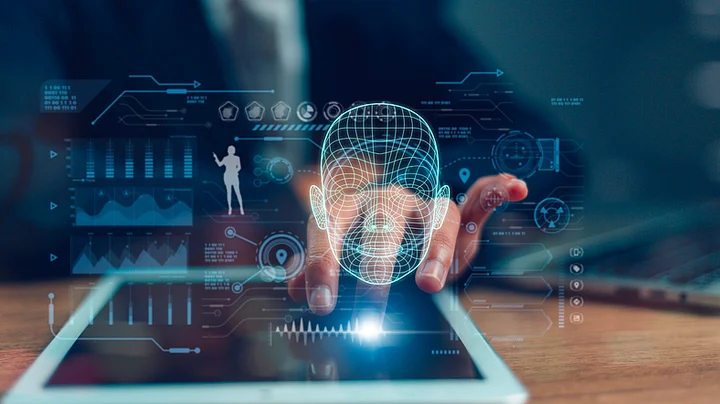
Powered by Pinaki IT Hub – Shaping the Guardians of the Digital FutureCybersecurity has always been a battlefield of strategy, intelligence, and adaptation. But in today’s world, a new, powerful, and highly deceptive threat has emerged — Deepfakes. These AI-generated videos and audio recordings are so realistic that they can easily mimic anyone’s face, voice, tone, and mannerisms. While deepfakes once seemed like entertainment or harmless experiments, they are now being used in fraud, misinformation campaigns, identity theft, extortion, and corporate manipulation. This blog explores what deepfakes are, how they are created, why they are dangerous, and how ethical hackers and security professionals can defend against them — along with practical steps for individuals and businesses. What Are Deepfakes and How Do TheyWork? (In-depth, point-by-pointexplanation) At its core, a deepfake is any piece of digital media — an image, audio clip, or video — that has been synthesized or manipulated by machine learning models so that it appears to show a real person doing or saying something they did not actually do. Deepfakes are distinct from crude photoshops or simple audio edits because they rely on statistical modelsthat learn a person’s visual and vocal characteristics from data and then reproduce those characteristics in new contexts. The output is often not simply “stitched together” media but a coherent, generative recreation that preserves micro-details of behavior: the micro-expressions, timing, inflections, lighting interactions, and other subtleties that make humans trust what they see and hear. Below we unpack every technological and behavioral building block of deepfakes, why those blocks make the results convincing, and what that implies for detection and defense. How deepfakes differ from traditional mediamanipulation ● Traditional manipulation tools (cut-and-paste, manual rotoscoping, basic audio splicing) require human craft and typically leave visible artifacts — seams, unnatural motion, or inconsistent audio levels.● Deepfakes are data-driven: rather than a human hand placing a mouth over a face, a model statistically learns the mapping between expressions, sounds, and visual features, then generates new frames or waveforms that are internally consistentacross time.● Because they are generated by learned models, deepfakes can produce many unique, consistent outputs quickly: multiple video takes, different lighting, or varied speech intonations — all matching the same target persona. The role of deep learning: why the term “deepfake”exists ● The “deep” in deepfakes comes from deep learning — neural networks with many layers that can learn hierarchical patterns from raw data.● Deep learning models move beyond handcrafted rules; they learn feature representations automatically (e.g., the way cheek muscles move when a person smiles) and can generalize those patterns to generate new, believable outputs.● This enables abstraction: the model doesn’t memorize a single frame, it learns what “smiling” means for an individual and can synthesize that smile in new contexts. a) Generative AI models: creating new content ratherthan copying ● Generative models are optimized to produce data that matches the distribution of the training data. In deepfakes, that means images and audio that are statistically similar to the real person’s media.● Key behaviors of generative models in this context:○ Synthesis: generating new frames or audio samples that were not recorded but appear authentic.○ Interpolation: creating smooth transitions between expressions, head angles, or phonemes that the model interpolates from learned examples.○ Adaptation: adjusting to new lighting, camera angles, or backgrounds so the generated output fits a target scene.● Why this matters: a good generative model can convincingly put a public figure into a scene that never happened (speech, interview, courtroom testimony) because it understands — statistically — how that person looks and sounds across manysituations. How GANs (Generative Adversarial Networks) producerealism ● GANs work as a competitive pair:○ The Generator tries to create synthetic media that looks real.○ The Discriminator tries to tell generated media from real media.● Through repeated adversarial training, the generator learns to hide the subtle statistical traces that the discriminator uses to detect fakes.● Practical consequences:○ Early GANs produced blurrier images; modern variants (progressive GANs,StyleGAN) produce high-resolution faces with correct textures, pores, and hair detail.○ The adversarial process pushes the generator to correct micro artifacts (lighting mismatch, unnatural skin texture), producing outputs that pass human scrutiny and evade simple algorithmic checks. b) Neural networks and machine learning: learningbehavior, not just appearance ● Neural networks used for deepfakes are trained on three complementary streams of data: static images, video sequences, and audio when voice cloning is involved. Each stream teaches different aspects:○ Static images teach shape, color, texture.○ Video sequences teach motion, timing, and temporal continuity.○ Audio teaches prosody, pronunciation patterns, and phoneme-to-mouth-motion correlations.● Important learned features:○ Facial landmarks: positions of eyes, nose, mouth relative to face geometry.○ Temporal dynamics: how expressions change frame-to-frame (for example, the timing of a blink).○ Idiosyncratic behaviors: specific mannerisms, habitual smiles, throat clearing, speech cadence. ● Why behavior learning is key:○ Humans judge authenticity by consistent behavior over time. Models that learn behavior can reproduce those consistencies — a powerful reason why modern deepfakes look alive rather than like pasted stills. Training datasets: quantity, diversity, and quality matter ● The more diverse the training data the model sees (angles, lighting, expressions, ages), the more robust its outputs.● Public platforms are a rich source: interviews, social media clips, podcasts, and public speeches become training material.● Small data techniques: With modern approaches, even limited samples (tens of seconds of audio or a few dozen images) can be sufficient for a convincing result due to transfer learning and model pretraining on large, generic datasets.● Practical implication: Privacy leakage is a core risk — content you post publicly can be repurposed to train a convincing synthetic replica of you. c) Voice cloning and speech synthesis: the audio threat ● Voice cloning moves beyond simple mimicry of timbre; it models prosody (how pitch and emphasis vary), micro-timing (pauses and inhalations), and commonly used phonetic inflections. Modern systems can:○ Recreate an emotional tone (anger vs. calm).○ Imitate the speaker’s rhythm and habitual hesitations.○ Produce speech in different acoustic environments (adding reverberation to match a particular room).● How it’s done:○
Will AI Replace Human Jobs or Create New Ones?

AI and the Future of Work: A Revolution in Motion Artificial Intelligence (AI) has traveled a long road — from the imaginative worlds of science fiction novels and futuristic movies to becoming a living, breathing force that’s reshaping industries and redefining the very fabric of how we live and work. Once just a concept confined to research labs and tech enthusiasts, AI today powers our phones, drives cars, personalizes our shopping experiences, assists doctors in diagnosing diseases, and even helps teachers create adaptive learning paths for students. In short, AI is no longer the future — it’s the present. But as machines learn to “think,” analyze, and even create, one of the most profound questions of our generation comes to the surface: Will AI replace human jobs, or will it open doors to new opportunities that never existed before? The Transformation Has Already Begun Across the globe, AI is automating repetitive tasks, increasing productivity, and enabling data-driven decision-making. In healthcare, AI algorithms can detect diseases from medical scans faster and more accurately than the human eye. In finance, predictive analytics and machine learning models are helping institutions detect fraud, forecast market trends, and personalize customer services. Meanwhile, in manufacturing, AI-powered robots streamline production lines, ensuring precision and consistency. In education, intelligent tutoring systems personalize lessons for each student’s learning pace. And in entertainment — from Netflix recommendations to AI-generated music — technology is redefining creativity itself. However, these innovations also bring a new wave of transformation to the global job market. Roles that once relied on routine and repetition are being automated, while entirely new job categories — like AI trainers, data ethicists, prompt engineers, and machine learning operations specialists — are emerging. The challenge lies in adapting our skills and mindset to this changing landscape. The Human Touch: Still Irreplaceable While AI can process data and perform calculations at lightning speed, there are things it cannot replicate — empathy, ethical judgment, creativity, and emotional intelligence. These are the distinctly human traits that define leadership, innovation, and meaningful connection. Rather than seeing AI as a competitor, we can view it as a collaborator — an intelligent assistant that augments human capabilities rather than replaces them. Imagine marketers using AI tools to analyze audience behavior more precisely, allowing them to focus on storytelling and strategy. Or teachers leveraging AI-driven analytics to better understand student performance and provide personalized attention. The future of work isn’t about humans versus machines; it’s about humans with machines. Preparing for the AI-Driven Future At Pinaki IT Hub, we believe that the key to thriving in this new world lies in continuous learning, adaptability, and skill transformation. Understanding AI — not just how it works but how it shapes industries — empowers professionals to stay relevant, resilient, and ready for the opportunities it creates. Our goal is to bridge the gap between technology and human potential. Through expert insights, training programs, and real-world applications, we help learners and professionals harness AI’s power to drive innovation rather than fear disruption. Because the truth is, AI won’t replace humans — but humans who know how to use AI will replace those who don’t. Artificial Intelligence is not merely a technological revolution; it’s a human revolution. It challenges us to rethink how we work, what skills we value, and how we can collaborate with intelligent systems to build a smarter, more inclusive future. The story of AI is still being written — and each of us has a role in shaping it. The question isn’t whether AI will take jobs. The real question is: Are we ready to evolve with it? The Reality: Automation Is Already Here Artificial Intelligence is no longer just a futuristic concept — it’s a living, evolving force transforming every aspect of modern work. Across industries, from healthcare and education to logistics and creative arts, AI-powered systems are performing tasks once thought to be exclusively human. Machines today can analyze X-rays and detect diseases, drive vehicles safely through traffic, compose music, write code, and even generate lifelike art and storytelling content. What was once confined to science fiction is now woven into our everyday lives — quietly automating tasks, optimizing processes, and accelerating innovation. According to a report by McKinsey & Company, by the year 2030, up to 30% of global work hours could be automated. Industries like manufacturing, transportation, data processing, and customer support are at the forefront of this transformation. Automation is becoming the silent engine powering modern economies — boosting efficiency, reducing human error, and increasing output at unprecedented scales. But this doesn’t signal the end of human employment — instead, it marks the beginning of a massive shift in how we define work. The future of work is not about replacing humans but redefining the relationship between humans and machines. The Rise of Intelligent Automation In the past, automation was largely mechanical — machines replaced physical labor in factories and production lines. Today, automation has evolved into a more intelligent, cognitive form. AI systems don’t just execute commands; they learn, adapt, and improve over time. Through technologies like machine learning, computer vision, and natural language processing, these systems can analyze enormous amounts of data, identify patterns, and make predictions with remarkable accuracy. For example: ● In healthcare, AI-powered diagnostic tools can scan millions of images to identify tumors or fractures that a human eye might miss.● In finance, algorithms analyze market data to forecast trends, detect fraud, and automate trading decisions.● In retail, AI personalizes recommendations, manages inventory, and predicts customer preferences.● In transportation, self-driving systems are reshaping logistics and urban mobility. These examples reveal a new truth — automation is no longer limited to repetitive of manual work. It’s moving into cognitive and creative domains, redefining the skill sets that industries value most. Redefining Work, Not Replacing It Despite fears of job loss, automation also brings creation. Every technological revolution in history — from the industrial age to the digital era — has created new types of work, often more
Business & Startups in 2025: The New Era of Innovation
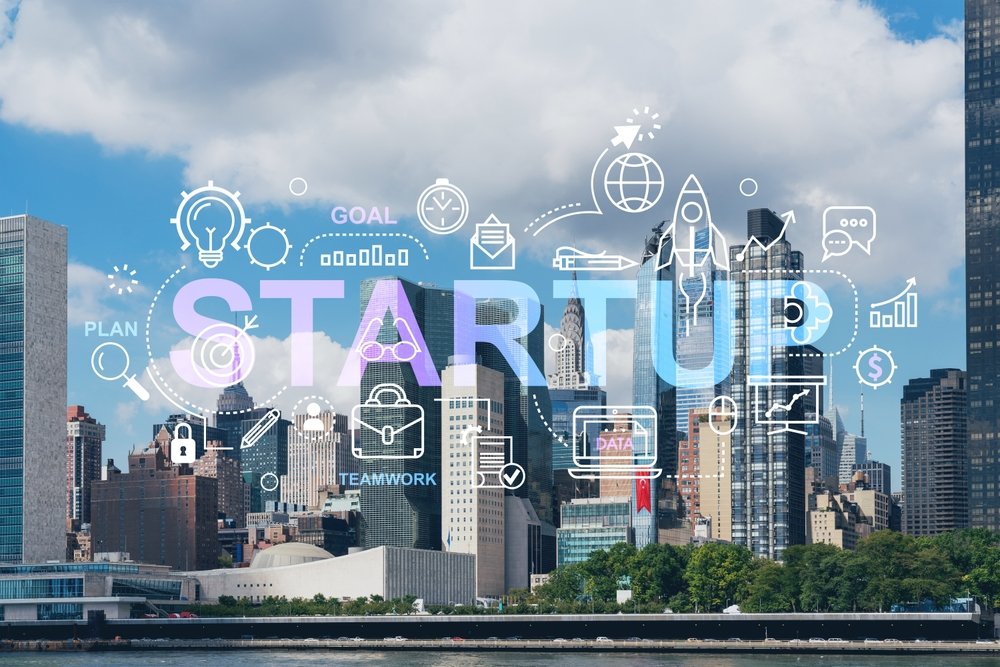
The business landscape in 2025 is witnessing a revolutionary transformation — where technology, sustainability, and human creativity are driving a new wave of growth. From AI-powered strategies to eco-conscious entrepreneurship, this is the era where agility defines success and innovation fuels expansion. Let’s dive into some of the defining shifts shaping the future of global startups and enterprises. � Remote Work 2.0 – Is Hybrid Work theFuture? Introduction: The Evolution of Work The global work environment has witnessed one of the most dramatic transformations in modern history. Before 2020, remote work was often viewed as a rare perk, offered mainly by progressive startups or technology-driven companies. Traditional businesses still believed in the necessity of physical presence, structured office hours, and face-to-facecollaboration. Then came the COVID-19 pandemic, which forced organizations to rethink everything they knew about productivity, collaboration, and the workplace itself. Millions of employees shifted overnight from bustling offices to theirdining tables and home offices, proving that business continuity was possible outside traditional spaces. What started as a crisis response has since evolved into a deliberate strategy: Remote Work 2.0 — a balanced, hybrid work model that combines the flexibility of remote work with the human connection and collaborative energy of in-office settings. This hybrid future is no longer about survival. It’s about building sustainable systems that enhance productivity, support employee well-being, and unlock operational efficiency at scale. Adoption by Industry Leaders When discussing hybrid work adoption, the role of industry giants cannot be overstated. Organizations such as Google, Microsoft, Infosys, and Accenture are not only experimenting but actively setting benchmarks for others to follow.● Flexi-office models: Employees are no longer bound to rigid 9-to-5 office schedules. Instead, they can choose how to split their workweek between home and the office. This ensures that while individuals enjoy flexibility, the company can still facilitate in-person collaboration for crucial activities like brainstorming sessions, product launches, or client negotiations.● Workplace reimagination: Offices are being restructured from rows of desks into collaborative hubs. Instead of housing employees five days a week, they are evolving into innovation spaces where teams gather intentionally to ideate, connect, and create.● Policy frameworks: These corporations have developed policies around hybrid arrangements that prioritize inclusivity, equity, and fairness. For example, ensuring remote employees have access to the same opportunities as those working in the office. By redefining workplace norms, these leaders are shaping the expectations of the global workforce. Employees increasingly view hybrid work not as a privilege, but as a standard. 2019 – 15% Adoption Before the pandemic, remote work was still a niche practice. Only about 15% of companies offered flexible or hybrid setups, and these were largely limited to tech-forward organizations or companies operating in global markets. The majority of traditional industries, from manufacturing to finance, still relied on physical presence. Remote work was viewed as an exception, often reserved for senior employees or special cases. 2021 – 48% Adoption The pandemic acted as a catalyst for change. Practically overnight, organizations worldwide had to adopt remote work to ensure business continuity. By 2021, nearly half of all organizations (48%) had some form of remote or hybrid arrangement in place. This shift accelerated digital transformation: companies invested in cloud infrastructure, virtual communication platforms, cybersecuritynframeworks, and employee monitoring systems. Suddenly, what was once considered “impossible” became the norm. Importantly, it also changed employee expectations — flexibility was no longer a perk but a requirementfor retention. 2025 – 73% Projected Adoption Looking forward, remote and hybrid work are set to become dominant models. By 2025, 73% of organizations worldwide are expected to embrace hybrid setups. This projection reflects a deeper recognition: hybrid work is not just a temporary adjustment but a strategic advantage. Companies anticipate tangible benefits such as:● Improved employee satisfaction leading to higher retention rates.● Productivity gains due to reduced commuting and greater focus.● Operational efficiency through optimized office space and reduced overheads.Hybrid work is poised to become a cornerstone of modern workplace culture, shaping how organizations attract talent, structure teams, and define success. Challenges & Considerations While hybrid work offers immense potential, it is not without challenges:● Equity of opportunities: Remote employees risk being overlooked for promotions or key assignments compared to in-office counterparts.● Cultural cohesion: Building a strong, unified workplace culture is harder when teams are distributed.● Cybersecurity risks: Remote work increases vulnerabilities, requiring robust digital security frameworks.● Burnout & boundaries: Without clear boundaries, employees often face difficulty separating work from personal life.For Remote Work 2.0 to succeed, companies must address these concerns proactively through inclusive policies, regular communication, and investment in employee well-being. Conclusion: The Future is Hybrid The journey from the emergency shift of 2020 to the refined hybrid models of 2025 reveals a profound truth: work will never go back to pre-pandemic norms. Remote Work 2.0 — the hybrid model — is here to stay, not as a compromisebut as a superior approach to balancing productivity, collaboration, and human well-being. It empowers employees with flexibility, enables organizations to cut costs and scale globally, and ensures that in-person collaboration is preserved where it matters most. By 2025, with nearly three-quarters of organizations adopting hybrid setups, we will likely look back on the pandemic as the turning point that redefined work forever. Far from losing momentum, hybrid work is becoming the newglobal standard — the future of work itself. Green Tech Startups – Building aSustainable Future Introduction: The Rise of Green Innovation The global conversation around climate change, resource depletion, and environmental degradation has reached a tipping point. From governments to consumers, there is an urgent demand for solutions that not only reduce harm to the planet but also reimagine how businesses operate in a sustainable way. Enter Green Tech startups — young, agile companies that are reshaping industries by embedding sustainability at the heart of innovation. Unlike traditional corporations that often retrofit eco-friendly measures into existing systems, these startups are born green. Their very business models are designed around renewable energy, resource efficiency, waste reduction, and carbon neutrality. The emergence of this ecosystem
How Cybersecurity and Generative AI Are Reshaping the Digital World…
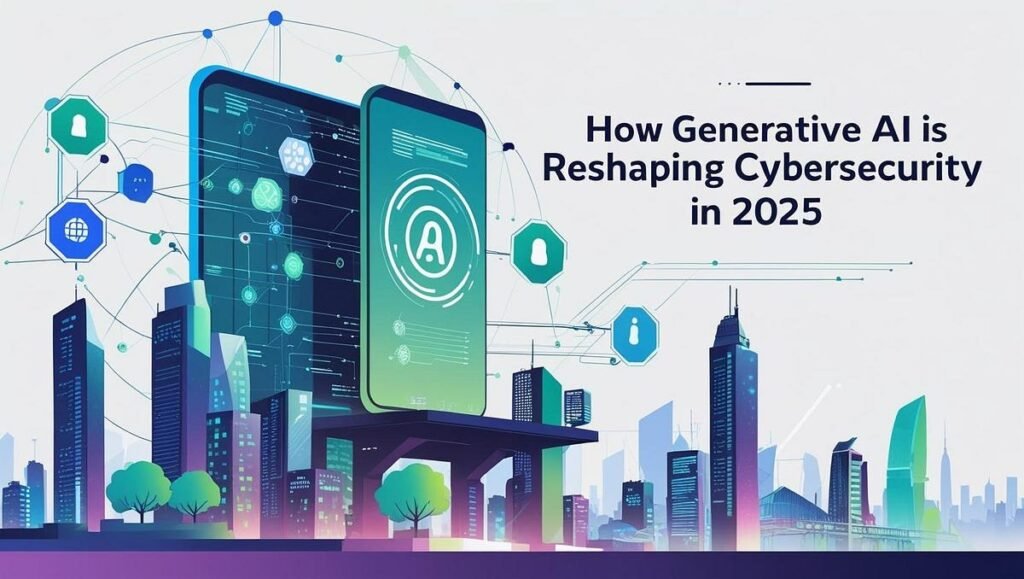
Powered by Pinaki IT Hub – Building the Next Generation of Cybersecurity & AI Leaders The worlds of cybersecurity and Generative AI (GenAI) are no longer separate disciplines. They’ve merged into a powerful partnership that protects data, predicts threats, and even creates intelligent systems that learn to defend themselves. From personal devices to enterprise infrastructure, cybersecurity powered by GenAI is revolutionizing how we work, live, and do business. In this blog, we’ll explore: ● What cybersecurity means in the era of GenAI● How GenAI is used in daily life and business applications● Real-world examples from leading companies● The market growth and impact of AI-driven security● Career opportunities in this fast-growing field● How Pinaki IT Hub is preparing professionals for the future of AI-powered cybersecurity. What Is Cybersecurity in the GenAI Era? Introduction: The Evolution of Digital Defense Cybersecurity has long been the backbone of the digital world, protecting organizations and individuals from malicious actors. In its earlier stages, it focused mainly on tools like firewalls, antivirus software, and manual threat detection. These methods were effective when attacks were simpler and more predictable. Today, the digital landscape has changed dramatically. Threats have become far more complex, as cybercriminals use automated and AI-powered techniques to launch large-scale, sophisticated attacks. Traditional security tools, which rely heavily on predefined rules and signatures, are no longer enough to counter such fast-moving, constantly evolving threats. This shift has given rise to a new era of cybersecurity powered by Generative AI (GenAI). Unlike traditional tools, GenAI leverages machine learning, natural language processing, and advanced pattern recognition to not just detect and respond to attacks but to predict and prevent them. Modern cybersecurity is no longer a static shield. It has evolved into an intelligent, adaptive defense system—capable of anticipating risks, neutralizing threats before they escalate, and continuously improving as it learns from new data. Redefining Cybersecurity with GenAI In the past, cybersecurity relied on databases of known malware and threat signatures. Security systems only acted when they recognized patterns that matched previously seen attacks. This approach often left organizations vulnerable to new, unknown, or evolving threats. GenAI changes this approach entirely. By continuously learning from massive amounts of real-time data, it can:● Identify unusual patterns or behaviors that deviate from the norm.● Simulate potential attack scenarios to uncover weaknesses in a system.● Generate and deploy defensive measures on its own, often faster than human intervention. This has transformed cybersecurity from being: Reactive – responding after an attack occurs, to being● Proactive – predicting and preventing attacks before they cause harm.In today’s world, cybersecurity powered by GenAI is:● Predictive, using intelligent algorithms to foresee potential attack vectors.● Adaptive, modifying defense strategies as attackers change tactics.● Automated, responding to threats in real time without human delay. AI-Driven Threat Detection One of the most important ways GenAI has transformed cybersecurity is through real-time threat detection. Organizations today manage vast amounts of data—coming from cloud services, IoT devices, digital platforms, and millions of user interactions. Manually reviewing such data for signs of a breach is simply impossible. GenAI acts as an intelligent observer, scanning billions of data points at incredible speed to identify unusual activity. It learns what normal behavior looks like—such as typical login times, device usage patterns, and network activity—and raises alerts when it detects anything abnormal. For example, if a company employee who usually logs in during office hours suddenly attempts to access sensitive data at midnight from a new device in another country, GenAI can flag the activity as suspicious or even block it in real time. In addition to detecting current threats, GenAI uses predictive analytics to identify warning signs that often precede attacks. This allows organizations to strengthen defenses before the attack even happens. Automated Incident Response Traditional cybersecurity processes often required human teams to investigate alerts, analyze the threat, and then take action. This approach could take hours or even days, giving attackers time to cause serious damage. In today’s GenAI-driven environment, incident response is fast and often fully automated. As soon as a threat is detected, the system can:● Instantly block malicious IP addresses or suspicious domains.● Quarantine compromised files or devices to stop the spread of malware.● Deploy patches automatically to fix newly discovered vulnerabilities.● Trigger self-healing mechanisms, restoring affected systems to their secure state.This automation significantly reduces the time between detection and action—often from hours to seconds—minimizing potential damage, reducing downtime, and preventing breaches from escalating. Zero-Trust Architecture In the past, once a user or device gained access to a network, it was often assumed to be trustworthy. This created vulnerabilities because attackers who got inside—through stolen credentials or compromised accounts—could move freely within the system. Modern cybersecurity, particularly in the GenAI era, follows a Zero-Trust approach. This means no user, device, or application is trusted by default—not even those already inside the network. GenAI enhances this approach by applying continuous verification and context-aware authentication. It evaluates factors like device type, location, time of login, and behavior patterns before granting access. If anything seems off—for example, an employee tries to access data unrelated to their role—access is denied or flagged for further review. Additionally, micro-segmentation of networks ensures that even if an attacker breaches one area, they cannot easily move across the system. GenAI plays a key role in detecting and stopping such lateral movements within the network. Data Privacy and Compliance Protecting sensitive data is not only essential for security but also a legal requirement in many industries. Regulations like GDPR, HIPAA, and CCPA impose strict rules on how organizations collect, store, and share personal information. Manual compliance processes, such as periodic audits and reporting, are often time-consuming and prone to oversight. GenAI revolutionizes this by providing automated compliance monitoring and reporting. It continuously tracks how data is handled, flags potential violations in real time, and helps organizations maintain compliance effortlessly. For example, if unauthorized personnel try to access restricted customer records or if data is transferred to a location that violates privacy regulations, GenAI can immediately detect and
How Does Learning Data Structures and Algorithms(DSA) Differ Across Python, Java, C, and C++?
In today’s tech-driven world, Data Structures and Algorithms (DSA) form the foundation of computer science and software development. Whether you’re preparing for coding interviews, competitive programming, or building scalable applications, mastering DSA is a must. But here’s the real question: Does the programming language you choose make a difference in learning DSA? The answer is yes. Let’s explore how DSA concepts differ when you learn them through Python, Java, C, and C++, and how this choice impacts your career. 🔹 Why Learn DSA (Data Structures & Algorithms)in the First Place? When we talk about building a strong career in software engineering, one word always pops up – DSA (Data Structures & Algorithms). For many beginners, it feels like just another subject to study. But in reality, DSA is the backbone of programming, problem-solving, and technical growth. Let’s go step by step and see why mastering DSA is a game-changer. 1️⃣Problem-Solving Skills: Thinking Like an Engineer 🧠 At its core, DSA is not just about writing code—it’s about how you think. When you face a problem, DSA teaches you to: ● Break it into smaller steps● Choose the best method (data structure)● Apply the right process (algorithm) to solve it efficiently. 👉 Example:Imagine you are designing a food delivery system like Zomato. Thousands of users are searching for restaurants, filtering cuisines, and tracking delivery boys in real-time. Without the right data structures like Hash Maps (for quick lookups) or Graphs (for finding the shortest delivery routes), the system will lag, leading to poor customer experience. This is where DSA shapes your logical reasoning. You start thinking like an engineer who doesn’t just solve problems but solves them in the most optimal way. ✅ Benefit: Once you learn DSA, even in daily life, you’ll start approaching problems more logically—whether it’s managing time, optimizing resources, or debugging a complex bug. 2️⃣Cracking Coding Interviews: Your Golden Ticket 🎯 Whether you want to join Google, Amazon, Microsoft, Adobe, or Flipkart, one common filter they use is DSA rounds.Most product-based companies don’t care about how many programming languages you know at the start. Instead, they care about how you think and solve problems under pressure.👉 Example Question:“Given a map of a city with different roads, find the shortest path between two points.” This is a Graph problem (solved using Dijkstra’s or BFS/DFS algorithms). Interviewers don’t want a direct answer; they want to see how you break down the problem and approach it step by step. ● A candidate who knows DSA can explain multiple approaches (brute force vs optimized) and why one is better.● A candidate without DSA knowledge usually struggles or gives inefficient solutions.✅ Benefit:Strong DSA knowledge means higher chances of cracking FAANG-level interviews (Facebook/Meta, Amazon, Apple, Netflix, Google) and landing high-paying jobs. 3️⃣Efficient Development: Writing Code That Scales ⚡ Programming is not just about making things work—it’s about making things work fast and efficiently. A beginner might write code that solves a problem, but an engineer with DSA knowledge writes code that solves it in a fraction of the time and with minimal memory usage. 👉 Example: Suppose you are searching for a name in a contact list of 10 million users. ● If you use a linear search, it could take seconds.● If you use a binary search (with sorted data), it reduces to milliseconds.● If you use a HashMap, you can almost instantly fetch it. This is the power of DSA. Another example is in e-commerce apps like Amazon:● Searching for products● Suggesting related items● Optimizing cart checkoutAll these depend on efficient use of algorithms and data structures. Without them, the app would crash under heavy load.✅ Benefit: With DSA, your code becomes faster, more memory-optimized, and scalable—something every company values. ⃣Career Growth & High-Paying Roles In the software world, DSA is the ladder to success. Most entry-level service-based roles focus only on frameworks and tools. While this is useful, it has limited growth. On the other hand, product-based companies reward those with strong problem-solving foundations. 👉 Example: ● A fresher in a service company (without DSA skills) might get ₹3–5 LPA and spend years doing repetitive tasks.● A fresher with strong DSA skills can crack companies like Google, Amazon, or Microsoft and start at ₹20–40 LPA. Over time, those with DSA knowledge get opportunities to: ● Work on complex system designs● Contribute to high-impact projects● Get promoted faster due to their ability to solve critical problems ✅ Benefit: DSA knowledge = faster promotions + global opportunities + higher salaries. Learning DSA is like building the foundation of a skyscraper. Without it, you may still code, but your career will always remain limited. With it, you gain: ● Strong logical & analytical skills.● Confidence to crack top interviews● Ability to write efficient, scalable programs● A clear edge in career growth and salary So, if you’re serious about a long-term successful career in tech, investing time in DSA is non-negotiable. When we talk about DSA (Data Structures & Algorithms), a big question often arises: 👉 “Which programming language is best for learning DSA?” The truth is, DSA concepts remain the same across all languages. An array is an array, a stack is a stack, and sorting is sorting—whether you implement it in C, C++, Java, or Python. But the learning experience varies depending on the language. Each language has unique features, challenges, and advantages that shape how you understand and implement DSA. Let’s explore DSA in different programming languages one by one, with detailed insights and examples. ⃣DSA in C C is often called the mother of programming languages, and for good reason.🔹 Low-Level ControlC gives you direct access to memory using pointers, which makes it perfect for learning the internal working of data structures.● Example: When you create a linked list, you manually allocate memory using malloc() and connect nodes using pointers.● This helps you visualize how data is stored in memory and how pointers link elements together.🔹 Manual Effort Unlike modern languages, C doesn’t provide built-in libraries for data structures.
A Comparative Analysis of Traditional DSA (Data Structures & Algorithms) and Machine Learning Algorithms, with a Focus on Their Applications in Industry

Powered by Pinaki IT Hub – Building the Next Generation of Tech Leaders Technology has always been built on strong fundamentals. In computer science, Data Structures & Algorithms (DSA) have been the backbone for decades, ensuring efficiency, speed, and reliability in software systems. At the same time, Machine Learning (ML) algorithms are redefining how industries operate in 2025, enabling machines to learn, predict, and automate decisions. But the real question is – do we still need DSA when ML is taking over? Or are they both equally essential for the future of IT? Understanding the Basics Traditional DSA (Data Structures & Algorithms) – The Foundation of Computer ScienceWhen we talk about the fundamentals of computer science, Data Structures & Algorithms (DSA) sit at the very core. They are often called the “language of efficiency” because they determine how data is stored, accessed, and processed in the most optimal way possible. Data Structures: The Building Blocks of Efficient Computing Data structures are not just containers; they are strategic blueprints that decide how information is stored, retrieved, and manipulated in a computer’s memory. Choosing the right data structure can be the difference between a program that runs in milliseconds and one that takes hours. Let’s explore the most important ones in depth: Arrays – The Foundation of Data Storage When it comes to organizing data in computer memory, arrays are often the very first data structure taught to programmers — and for good reason. Arrays provide a simple yet powerful way to store and manage a collection of elements.At their core, arrays are collections of elements of the same type (such as integers, characters, or floating-point numbers) that are stored in continuous memory blocks. This means that if you know the starting address of an array, you can instantly jump to any element by applying a simple arithmetic calculation:Address=Base+(Index×SizeOfElement)Address = Base + (Index times SizeOfElement)Address=Base+(Index×SizeOfElement) This direct computation makes accessing elements almost instantaneous. For example, if you want the 5th element in an array (array[4] in most programming languages, since indexing starts at 0), the computer can fetch it in O(1) time without scanning through the entire collection. How Arrays Work Think of arrays like books on a shelf: each book (element) has a fixed position. If you know the position number, you can immediately pull out the book without scanning others. This ordered arrangement makes arrays extremely efficient for random access operations. However, the “fixed shelf” analogy also highlights their limitation: once the shelf is full, adding new books requires either replacing existing ones or buying a new shelf (resizing), which involves copying everything over. Advantages of Arrays Best for Fixed-Size Collections○ Perfect for storing static data like marks of 100 students, monthly sales data, or weekly temperatures. Constant-Time Access (O(1))○ Direct access to any element without looping. This makes arrays ideal when fast lookups are needed. Simplicity and Predictability○ Easy to implement, understand, and use across nearly all programming languages. Cache Friendliness○ Since elements are stored in continuous memory, modern CPUs can pre-fetch data into cache, boosting performance. Limitations of Arrays Resizing Overhead○ If the array is full and more data needs to be added, the system must allocate a new, larger array and copy all existing elements over. This resizing is computationally expensive. Costly Insertions & Deletions○ Inserting or removing elements in the middle requires shifting elements left or right, which can take O(n) time.○ For example, deleting the 2nd element in an array of 1,000 items requires shifting 998 elements.Fixed Type and Size○ Arrays can only hold elements of the same type and often require size declaration at creation. Real-World Examples of Arrays● Storing Pixel Data in Images○ Images are grids of pixels, and arrays map this perfectly. A photo with resolution 1920×1080 is stored as a two-dimensional array of color values.● Leaderboards in Gaming○ Scores of players can be stored in a sequential array for quick lookups and rankings.● Compiler Symbol Tables○ Arrays are used in low-level operations where speed and direct memory mapping are critical.● IoT Sensor Data○ Continuous streams of temperature, humidity, or pressure readings can be stored in arrays for quick retrieval and analysis. In summary, arrays are fast, predictable, and ideal for scenarios where size is known in advance and random access is critical. However, when flexibility in resizing or frequent insertions/deletions are required, more dynamic structures like linked lists or dynamic arrays (e.g., ArrayList in Java, Vector in C++) are preferred. Linked Lists – Flexible but Sequential If arrays are like books neatly arranged on a shelf, then linked lists are like a chain of treasure chests, where each chest contains not only an item but also the key to the next one. A linked list is a linear data structure made up of individual units called nodes. Each node contains two parts: How Linked Lists Work When a linked list is created, the first node is known as the head. Each node points to the next, and the last node points to null, signaling the end of the list. So, if you want the 10th element, the computer must follow the chain — from the head to the 2nd node, then to the 3rd, and so on — until it arrives at the target. This makes access sequential rather than random, which is both the strength and weakness of linked lists.There are also variations:● Singly Linked List: Each node points to the next one.● Doubly Linked List: Each node points both to the next and the previous, allowing two-way traversal.● Circular Linked List: The last node points back to the first, forming a loop. Advantages of Linked Lists Memory Utilization○ No need for large contiguous memory blocks, which helps when free memory is fragmented. Dynamic Sizing○ Unlike arrays, linked lists don’t require a fixed size. They can grow or shrink as needed, making them memory-efficient in dynamic scenarios. Efficient Insertions and Deletions○ Adding or removing elements doesn’t require shifting other elements, only updating pointers.○ Particularly useful for insertion at the
The Hidden Link Between Artificial Intelligence,Machine Learning & Career Growth
Introduction Artificial Intelligence (AI) and Machine Learning (ML) are no longer just technical buzzwords — they are shaping the future of industries, businesses, and careers. From predicting diseases to optimizing business operations, AI and ML are redefining how we live and work. But the real question is: how do these technologies connect to your career growth? Let’s explore what AI and ML mean, why they matter, how they are used, their benefits, and how you can leverage them for your professional journey. What are AI & Machine Learning? Imagine you have a really smart friend who never forgets anything, always learns from past experiences, and sometimes even gives better suggestions than you. That’s Artificial Intelligence (AI). It’s basically when computers start acting less like boring machines and more like humans — they can think, solve problems, make decisions, and even argue with you (just like your sibling does!). Now, how do these machines get so smart? That’s where Machine Learning (ML) comes in. Think of ML as the “training coach” of AI. Instead of spoon-feeding instructions, we throw loads of data at it — like pictures of cats, dogs, or a million pizza orders — and the system learns on its own. Over time, it gets better and better, just like you getting better at cricket, cooking, or scrolling Instagram without getting caught by your boss.So, in short:●AI is the grand vision — the dream of machines that can “think” like us.● ML is the practical tool — the gym workout that builds the muscles behind that dream.Without ML, AI is like a superhero without powers. With ML, AI can do everything from recommending your next Netflix binge to driving cars, writing essays, and yes — even helping you avoid sending that “wrong text” at 2 AM Why AI & ML Matter Today Do you know how much data the world generates every single day? 2.5 quintillion bytes. That’s so much data that if it were printed on paper, we’d probably need a new planet just to store the files! And honestly, no human — not even your nosy neighbor who remembers everyone’s gossip — can keep track of that much information. That’s where AI and ML jump in wearing superhero capes. ● Save Time Through Automation: Remember when you had to manually reply to every “Hi” on WhatsApp? Now chatbots do it faster than you can type “brb.” AI takes the boring tasks and handles them like a pro, leaving you free for important things… like binge-watching your favorite series.● Cut Costs by Predicting Demand & Risks: Businesses used to make wild guesses about what customers wanted. Sometimes they were right, sometimes they were stuck with 10,000 unsold fidget spinners. ML makes accurate predictions, so companies don’t waste money — or warehouse space.● Personalized Experiences: Ever noticed how Netflix knows you better than your best friend? That’s AI whispering, “She liked K-drama last week, give her three more tear-jerkers today.” It’s like having a personal assistant who knows your mood swings better than you do.● Smarter, Faster, More Accurate Decisions: Humans argue for hours over pizza toppings. AI looks at thousands of factors and decides instantly — pepperoni wins. For businesses, this means sharper strategies, better results, and fewer “oops”moments. The truth is, whether you’re in tech, healthcare, finance, fashion, or even farming, AI & ML are everywhere. Your career might not involve coding robots, but trust me — these technologies will sneak into your work life sooner or later. The question is: will you be the one using AI, or will AI be the one outsmarting you? Real-World Applications of AI & ML AI and ML aren’t just living in sci-fi movies anymore — they’re already bossing around in our daily lives (sometimes without us even realizing). Here’s how they’re sneaking into different industries:● Healthcare : Imagine a doctor who never forgets a case, never misreads an X-ray, and doesn’t get tired after 20 patients. That’s AI. From spotting cancer early to predicting the next epidemic, AI is basically the Sherlock Holmes of medicine —minus the pipe. And yes, it can even recommend personalized treatment plans, like “No more late-night pizza if you want a healthy heart.”● Finance : Ever get a text saying, “Suspicious login detected”? That’s AI playing bodyguard for your bank account. It catches fraudsters faster than you catch your sibling stealing snacks. Plus, it does credit scoring and even automated trading,making stock markets less about “gut feeling” and more about “smart algorithms.”● Retail : You thought Amazon and Flipkart just knew what you wanted? Nope. That’s ML analyzing your every click, search, and even what you almost bought at 3 AM. It’s like having a shopkeeper who remembers every tiny detail — except this one doesn’t judge you for adding 10 things to cart and buying none. ● Transportation : Forget honking in traffic jams — AI is already guiding smart traffic systems and developing self-driving cars. It’s like having a driver who never gets angry, never asks for directions, and never complains about fuel prices.●Marketing : Ever wonder why Instagram shows you that shoe ad right after you just thought about shoes? That’s AI reading your digital mind. It predicts what you’ll want, sends you targeted ads, and even sets up chatbots that politely say “How may I help you?” at 2 AM when no human customer service rep would.● Education : Textbooks don’t adjust to your learning speed, but AI-powered platforms do. They know if you’re breezing through math or crying over algebra and then adjust lessons accordingly. Basically, it’s like having a tutor who’s always patient and never yells, “Weren’t you listening the first time?” So, whether you’re shopping, studying, traveling, or just chilling online — AI and ML are quietly running the show. They’re not the future — they’re the nosy roommates already living with us. Benefits of Learning AI & ML (a.k.a. Why Your Future Self Will ThankYou) High Demand & Career SecurityImagine walking into a party and
How Software Development is Powering Digital Transformation in 2025

Powered by Pinaki IT Hub – Building the Next Generation of Tech Leaders Software development has always been the foundation of the digital world. In 2025, it has evolved into a dynamic ecosystem where agile practices, cloud technologies, AI-driven coding, and cybersecurity-first approaches are reshaping industries. From mobile apps to enterprise solutions, software is no longer just about building programs—it’s about creating scalable, secure, and intelligent systems that transform the way businesses operate. In this blog, we’ll explore: What software development means in 2025 Core technologies driving innovation How top companies are applying modern development practices The market impact and growth opportunities Career paths for aspiring developers By the end, you’ll understand how software development is redefining the digital landscape—and how you can be part of it. 1. What Is Software Development in 2025? Software development in 2025 is no longer just about writing code. It has evolved into a comprehensive, multi-faceted discipline that blends creativity, logic, and advanced technology to build solutions that solve real-world problems. Modern software development involves designing, building, testing, and maintaining applications while keeping scalability, security, and user experience at the forefront.At its core, software development today is user-centric, data-driven, and innovation-focused. Developers now collaborate with designers, analysts, and AI systems to ensure applications are not only functional but also intuitive, responsive, and secure. Key Components of Modern Software Development Agile & DevOps: Agile methodology emphasizes iterative development, flexibility, and collaboration across teams. In 2025, Agile has matured to accommodate hybrid frameworks that integrate remote collaboration, automated testing, and real-time feedback loops. DevOps bridges the gap between development and operations, ensuring continuous integration and continuous delivery (CI/CD). This allows teams to release new features, bug fixes, and updates rapidly and reliably, reducing downtime and improving customer satisfaction. Cloud-Native Development: Cloud-native development leverages platforms like AWS, Microsoft Azure, and Google Cloud Platform to build applications that are inherently scalable, resilient, and globally accessible. Developers can now deploy microservices, containerized applications, and serverless architectures, ensuring high availability, optimal resource usage, and cost efficiency. AI-Powered Coding: AI tools like GitHub Copilot, Tabnine, and OpenAI Codex assist developers in writing error-free code faster, automating repetitive tasks, and even suggesting architecture improvements. AI-powered testing tools analyze code for bugs, vulnerabilities, and performance bottlenecks, reducing manual testing time and improving software quality. Microservices Architecture: Modern applications are built as a set of independent services that communicate through APIs. Microservices allow development teams to update, scale, and deploy individual modules without affecting the entire system, making software more flexible, maintainable, and resilient. Cybersecurity Integration: Security is no longer an afterthought. Modern software development embeds security measures at every stage of the development lifecycle. This includes secure coding practices, automated vulnerability scanning, encryption, authentication protocols, and compliance with data privacy regulations such as GDPR and HIPAA. Applications of Software Development in 2025 E-commerce: Platforms like Amazon, Flipkart, and Shopify rely on complex software systems to handle inventory, payments, logistics, and personalised customer experiences. AI algorithms recommend products, optimise pricing, and automate supply chain operations. Healthcare: Telemedicine apps, electronic health records (EHR), and AI-based diagnostic tools are transforming patient care. Software solutions help doctors monitor patients remotely, predict disease outbreaks, and manage large-scale medical data efficiently. Finance: Mobile banking apps, fintech solutions, and blockchain-powered platforms are revolutionising how money is managed and transferred. Software development ensures secure transactions, real-time fraud detection, and smart investment tools for users. Education: Learning Management Systems (LMS), e-learning apps, and virtual classrooms are making education accessible and personalised. Software enables adaptive learning, progress tracking, online assessments, and interactive simulations. Daily Life & IoT: From social media apps to smart home devices, software touches every part of daily life. IoT-enabled devices rely on robust backend systems to collect, analyse, and act on data in real time, powering smart homes, wearable tech, and connected vehicles. In 2025, software development is not just a career—it’s a cornerstone of modern innovation. It combines technical expertise, problem-solving skills, and a deep understanding of user needs to create solutions that impact millions worldwide. 2. Core Technologies Driving Software Development in 2025 The landscape of software development is evolving rapidly, and in 2025, developers are leveraging advanced technologies to create applications that are faster, smarter, and more scalable than ever before. These technologies not only improve development efficiency but also enable innovation across industries, from healthcare and finance to e-commerce and smart cities. Below are the core technologies shaping modern software development: 1. Cloud Computing Definition: Cloud computing allows software to be deployed, hosted, and accessed over the internet rather than relying solely on local servers. Benefits: Scalability, cost efficiency, high availability, and easy collaboration. Applications: Hosting web and mobile applications with minimal infrastructure costs. Enabling global access to enterprise applications like SAP, Salesforce, and Microsoft 365. Supporting large-scale data storage and computing for AI/ML workloads. Trends in 2025: Serverless architectures, multi-cloud deployments, and edge computing are becoming mainstream, allowing faster processing and reduced latency. 2. Artificial Intelligence (AI) Definition: AI simulates human intelligence in software systems, enabling them to perform tasks such as decision-making, language understanding, and pattern recognition. Benefits: Automates repetitive tasks, enhances accuracy, and supports intelligent decision-making. Applications: AI-assisted coding platforms (e.g., GitHub Copilot) for faster, error-free development. Automated testing, bug detection, and performance monitoring. Smart chatbots, virtual assistants, and customer support automation. Trends in 2025: Generative AI tools are now widely integrated into development pipelines, helping teams create code, generate content, and even prototype applications faster than traditional methods. 3. Machine Learning (ML) Definition: ML is a subset of AI where software systems learn from data and improve over time without explicit programming. Benefits: Predictive capabilities, personalization, and data-driven insights. Applications: Recommendation engines in e-commerce (Amazon, Netflix). Predictive maintenance in industrial applications. Personalized user experiences in fintech, healthcare, and education platforms. Trends in 2025: AutoML platforms allow developers to create ML models without extensive expertise, democratizing AI-powered software development. 4. Blockchain
How IT Giants Are Leveraging Artificial Intelligence & Machine Learning in 2025

Powered by Pinaki IT Hub – Building the Next Generation of Tech Leaders Technology has always been the cornerstone of innovation, but in 2025, Artificial Intelligence (AI) and Machine Learning (ML) have become game-changers for IT giants across the globe. From predictive analytics to autonomous systems, AI & ML are driving efficiency, creativity, and competitive advantage. But this transformation also requires deep understanding of algorithms, market trends, and future career opportunities. In this blog, we’ll explore: By the end, you’ll know how these technologies are shaping the IT landscape – and how you can be part of it. 1. What Are AI & ML? A Deep Dive Artificial Intelligence (AI) Artificial Intelligence (AI) refers to the development of computer systems or machines that can perform tasks that typically require human intelligence. These tasks include learning from data (machine learning), reasoning, problem-solving, understanding natural language, recognizing patterns, and making decisions. AI works by using algorithms and models to process large amounts of data, identify trends, and improve performance over time. It aims to replicate or simulate cognitive functions such as perception, reasoning, learning, and self-correction. Key Components of AI Applications of AI Machine Learning (ML): Machine Learning is a core subfield of Artificial Intelligence (AI) that allows machines to analyze data, identify patterns, and make informed decisions with minimal human intervention. Instead of relying solely on explicitly programmed instructions, ML systems learn and adapt through exposure to large amounts of information, refining their performance as they process more data. At its foundation, ML uses mathematical models and statistical algorithms to extract insights from raw data. These insights enable machines to perform tasks such as recognizing images, understanding speech, predicting future trends, and even diagnosing diseases—tasks that traditionally required human intelligence. Key Features of ML: Types of Machine Learning: Why ML Matters: Machine Learning powers many aspects of modern life—recommendation engines on Netflix and Amazon, fraud detection in banking, voice assistants like Alexa and Siri, and even medical imaging analysis. Its potential continues to expand as computing power and data availability grow, pushing the boundaries of what machines can achieve. Key Components of AI & ML in 2025 Generative AI has matured into ultra-advanced systems capable of producing human-like text, hyper-realistic images, dynamic videos, and even executable code. In 2025, it fuels content creation, personalized marketing, product design, and immersive entertainment, enabling businesses to achieve scalable creativity without compromising on quality or originality. NLP bridges the gap between human language and machine understanding. By 2025, NLP models excel at context aware conversation, real-time language translation, sentiment detection, and advanced information retrieval, making AI systems more intuitive, empathetic, and capable of human-like interactions. Deep learning employs multi-layered neural networks that replicate the human brain’s processing capabilities. These networks excel in speech recognition, natural language understanding, medical imaging, predictive analytics, and autonomous systems, achieving near-human levels of precision in complex decision-making. Reinforcement Learning thrives on a reward-driven learning mechanism, where algorithms learn through trial-and-error interactions with their environment. In 2025, RL powers robotics, autonomous vehicles, industrial automation, and game theory, enabling systems to make real-time adaptive decisions with minimal human oversight. MLOps ensures seamless deployment, monitoring, and scaling of ML models in production. It integrates DevOps practices with ML lifecycle management, automating training, version control, performance tracking, and updates. By 2025, MLOps is a core enabler of efficient, reliable, and compliant AI-driven enterprises. 2. Algorithms Powering AI & ML in IT In 2025, AI and ML innovations are driven by advanced algorithms that empower IT systems to analyze vast datasets, predict outcomes, automate decision-making, and continuously optimize performance. These algorithms are categorized based on their learning approaches and application areas: Supervised Learning Algorithms Supervised learning uses labeled datasets, where machines learn from input-output pairs to make predictions or classifications. Unsupervised Learning Algorithms Unsupervised learning identifies patterns, clusters, and structures within unlabeled datasets, enabling systems to discover hidden insights. Deep Learning Architectures Deep learning algorithms mimic the human brain through artificial neural networks, powering advanced AI applications. Reinforcement Learning Models Reinforcement learning trains models through trial and error, rewarding correct actions to optimize performance over time. Why These Algorithms Matter in IT These algorithms are the backbone of next-generation IT solutions, driving systems from basic automation toward true intelligence. By integrating these algorithms, IT is no longer just a support function—it becomes a strategic intelligence layer, capable of learning, adapting, and evolving with business needs in 2025 and beyond. 3. Real-World Applications by IT Giants Google Microsoft Amazon IBM 4. Market Impact & Growth The global AI market is projected to reach $407 billion by 2027 (PwC, 2025), driven by the rapid adoption of machine learning and deep learning technologies across industries. 5. Career Opportunities in AI & ML – A Growing Frontier The career landscape in Artificial Intelligence (AI) and Machine Learning (ML) is expanding rapidly, with organizations across industries integrating intelligent technologies into their operations. According to LinkedIn’s Future of Jobs Report (2025), AI & ML roles are growing at an impressive 40% Year-over-Year (YoY), making them some of the most sought-after and high-paying professions globally. Key Roles and What They Do 1. AI/ML Engineer 2. Data Scientist (ML Specialist) 3. MLOps Engineer 4. AI Ethics & Governance Officer 5. Computer Vision Engineer 6. NLP Specialist Salary Insights Industries Hiring AI & ML Experts 6. Why Choose Pinaki IT Consultant to Learn AI & ML? Learning Artificial Intelligence and Machine Learning is not just about theory – it’s about gaining practical skills that make you industry-ready. Pinaki IT Consultant bridges the gap between learning and real-world application with a holistic approach to training. 1. Hands-On Learning with Real-World Projects Instead of just learning concepts, you’ll work on live AI & ML projects – from building predictive models to deploying AI solutions across industries like healthcare, finance, and e-commerce. This ensures you graduate with a strong portfolio that showcases your skills. 2. Mentorship from Industry Veterans Our mentors come with 15+ years of experience in AI, ML, and Data Science. They provide personalized
Electric Vehicles and Future Mobility – Are EVs Sustainable for the Long Run?
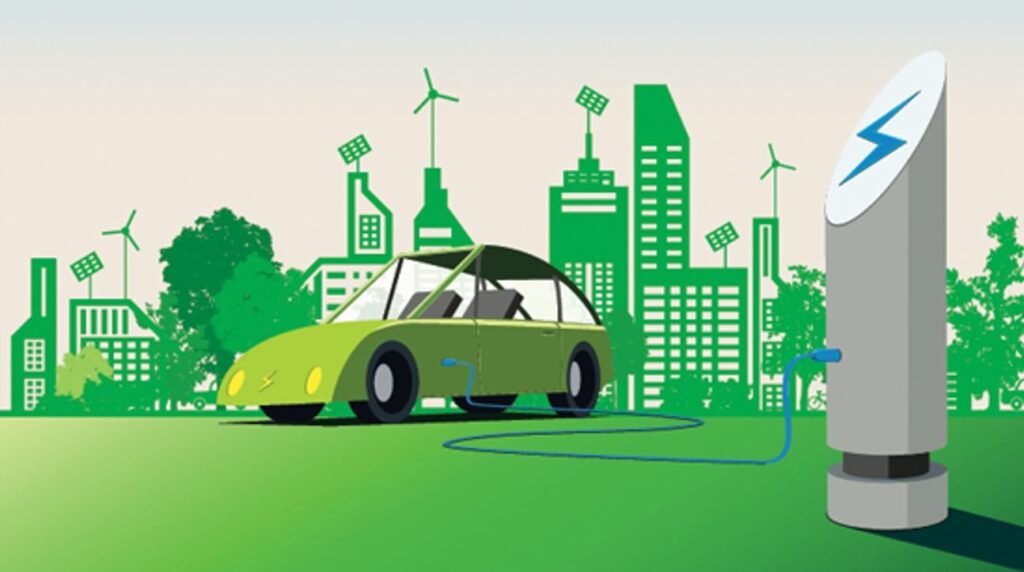
Powered by Pinaki IT Hub – Driving Knowledge for a Smarter FutureThe automotive industry is at a turning point. In 2025, electric vehicles (EVs) are no longer futuristic concepts — they’re mainstream. Yet, a big question remains: Are EVs truly sustainable for the long run? In this blog, we’ll explore:● What’s driving the EV revolution?● Why the world is shifting to electric mobility?● The challenges and hidden drawbacks of EV adoption.● How EVs are reshaping career opportunities.● What the future of EVs and mobility looks like.● And how Pinaki can help you build a future-ready career in this evolving industry. Why Are Electric Vehicles Becoming a Global Priority? The shift toward electric vehicles (EVs) is no longer just a futuristic vision — it’s a global movement driven by environmental necessity, economic advantages, and technological innovation. 2.Are EVs Truly Sustainable in the Long Run? While Electric Vehicles (EVs) are often hailed as the future of clean transportation, their overall sustainability is more complex than it appears. The real question goes beyond tailpipe emissions — it’s about the entire lifecycle: production, energy source, usage, and disposal. Key Challenges Impacting EV Sustainability Battery Production & Rare Earth Mining○ EV batteries require lithium, cobalt, and nickel, which are extracted through environmentally intensive mining.○ Mining activities lead to deforestation, water contamination, and ecosystem damage. Electricity Source Matters○ EVs eliminate exhaust emissions, but if they are charged using coal-powered electricity, emissions simply shift from cars to power plants.○ The true benefits are realized only in regions powered by clean energy sources like solar, wind, hydro, or nuclear. Battery Recycling & Disposal○ Lithium-ion batteries degrade over time, and large-scale recycling is still in its early stages.○ Improper disposal can lead to chemical leaks, fires, and long-term environmental harm. Infrastructure Limitations○ Many regions still lack adequate charging stations.○ Long charging times and “range anxiety” — the fear of running out of charge — remain major consumer concerns. High Upfront Costs○ Despite lower running costs, EVs remain pricier than traditional cars.○ Many buyers are waiting for prices to drop before making the switch. 3.Then Why Should We Still Adapt to EVs? Despite concerns like charging infrastructure, battery costs, or range anxiety, transitioning to electric mobility is no longer optional—it’s a necessity. The price of ignoring this shift will be far greater than the challenges of adopting it.Consequences of Ignoring EV Adoption 4.Career Opportunities in EV & Future Mobility The Electric Vehicle (EV) revolution is more than a technological shift — it’s shaping a new era of transportation and creating a booming job market across multiple industries. As governments, manufacturers, and startups invest billions into clean mobility, a wave of new and specialized careers is emerging. Key Career Roles Emerging● Battery Engineers & Energy Storage Specialists – Innovating next-generation batteries that are lighter, more efficient, and fully recyclable to power EVs sustainably.● EV Software Developers – Creating advanced navigation, real-time diagnostics, safety systems, and smart charging solutions that make EVs more intelligent and user-friendly. AI & IoT Specialists – Driving the future of autonomous mobility by integrating artificial intelligence and Internet of Things (IoT) technologies for connected and self-driving vehicles. ● EV Infrastructure Experts – Developing and managing large-scale charging station networks, energy grids, and smart infrastructure to support the rapid adoption of EVs.● Sustainability Analysts – Ensuring the entire EV lifecycle — from raw material sourcing to battery disposal — meets eco-friendly and regulatory standards. Market Growth Outlook● The global EV market is projected to soar to $1.4 trillion by 2030 (BloombergNEF).● India alone is targeting 30% electric vehicle sales by 2030, potentially creating millions of new jobs in engineering, AI, energy, and infrastructure.● Professionals with expertise in EV technology, battery innovation, AI, and sustainability will be in unprecedented demand. 5.The Future of EVs – Where Are We Headed? Solid-State Batteries – The next generation of batteries promises longer lifespans, ultra-fast charging times, and enhanced safety. These batteries will significantly improve EV range, reduce maintenance costs, and minimize fire risks compared to traditional lithium-ion cells. Vehicle-to-Grid (V2G) Technology – EVs won’t just be modes of transport; they will act as mobile energy storage units. Future EVs will supply excess power back to homes, businesses, and city grids, reducing strain on energy infrastructure and supporting renewable energy integration. Autonomous Mobility – Self-driving electric vehicles will revolutionize logistics, ride-hailing services, and public transport by improving safety, efficiency, and accessibility while reducing congestion and traffic emissions. Smart Cities & Green Policies – With AI-powered traffic management systems and renewable-powered infrastructure, EVs will seamlessly integrate into the ecosystem of smart cities. Governments worldwide are already setting ambitious green targets and offering incentives to accelerate EV adoption. By 2040, electric mobility will no longer be an alternative; it will be the standard — reshaping industries, economies, and urban landscapes. 6.How Pinaki IT Hub Helps You Build a Career in Future Mobility At Pinaki IT Hub, we see Electric Vehicles (EVs) and Smart Mobility not just as a technological evolution but as a career-defining revolution that opens doors to global opportunities. Why Choose Pinaki IT Hub? ● Industry-Tailored Learning Gain specialized knowledge through courses on EV software development, battery management systems, AI-powered automotive solutions, and data-driven analytics for smarter, safer mobility.● Hands-On Training Work on real-time projects like EV charging infrastructure simulations, IoT-based vehicle tracking, and predictive maintenance systems — ensuring you graduate with practical expertise.● Global Collaboration Learn from global advancements through our strategic partnership with DBSL (UK), giving you access to cutting-edge international EV technologies and trends.● Future-Focused CurriculumStay ahead of the curve with regularly updated modules on emerging technologies, sustainable design, and regulatory frameworks shaping the future of mobility.● Career Support & Placement Benefit from personalized career guidance and direct connections with top automotive, AI, and clean-tech companies actively recruiting EV specialists. At Pinaki IT Hub, we don’t just teach EV technology; we shape future-ready professionals to lead the next era of mobility innovation. The EV industry isn’t just about cleaner cars — it’s about building a smarter, more sustainable