
And How Ethical Hackers Stop Them
In today’s hyper-connected digital world, cyber threats evolve every day. Hackers are more sophisticated, smarter, and constantly probing for weak spots in systems — but ethical hackers work just as hard (if not harder) to safeguard businesses before damage occurs. At Pinaki IT Consultant Pvt. Ltd., we believe strong cybersecurity isn’t just a defense — it’s a proactive shield built on understanding vulnerabilities, testing systems relentlessly, and leveraging cutting-edge technologies like AI for real-time threat intelligence.
In this article, we’ll explore:
 The Top 10 vulnerabilities cybercriminals exploit How ethical hackers identify and fix them How companies implement defenses How AI enhances cybersecurity
What Is a Vulnerability?

A vulnerability is any flaw or weakness hidden within software, hardware components, networks, or even day-to-day operational processes that can be misused by attackers. These weaknesses create openings that allow unauthorized access, data theft, service interruptions, or complete system manipulation. In today’s digital landscape, no industry is fully immune — whether it’s finance, healthcare, retail, education, or government, every sector carries potential blind spots that cybercriminals actively look for. This is where ethical hackers play a crucial role. They identify these weak points before malicious actors do, helping organizations strengthen their systems, patch vulnerabilities, and build a safer, more
resilient digital environment.
Understanding the Role of Ethical Hackers
Ethical hackers — sometimes called white-hat hackers or cybersecurity analysts — play a crucial role in identifying, analyzing, and mitigating risks long before they turn into threats. Unlike cybercriminals, they work under legal authorization and follow strict guidelines. Their job is to mimic attackers, uncover vulnerabilities, and provide actionable insights that
strengthen the organization’s overall security posture. Ethical hackers bridge the gap between potential weaknesses and the strong, resilient systems needed to protect sensitive data, operations, and brand trust.
They use a variety of structured methodologies to uncover how an attacker might infiltrate a system. Each technique serves a unique purpose, allowing businesses to see their digital environment through different threat perspectives — whether technical, procedural, or human. This holistic approach ensures that no potential risk is left hidden beneath the surface.
Penetration Testing (Pentesting)
Simulating Real-World Attacks
Penetration testing is one of the most powerful tools ethical hackers use to understand an organization’s true security strength. It involves simulating real-world cyberattacks on networks, applications, servers, and devices. The goal is not just to find vulnerabilities but to demonstrate how deep an attacker could go if those vulnerabilities were exploited. Pentesting helps organizations recognize whether their current security controls are truly effective or simply giving a false sense of protection.
Identifying Weak Points Before Criminals Do
Every system, no matter how advanced, carries risks. Penetration tests uncover security gaps such as misconfigurations, outdated software, poor authentication practices, exposed APIs, or insecure data pathways. Ethical hackers use step-by-step, attacker-like methodologies to explore these loopholes and assess how far they can penetrate. This process reveals not just what is vulnerable, but how an actual breach could unfold — making it one of the most realistic security exercises a business can invest in.
Delivering Actionable Solutions
After completing the test, ethical hackers compile detailed reports explaining the vulnerabilities found, the severity of each issue, and how they can be fixed. This empowers businesses to prioritize repairs, allocate budgets better, and strengthen their systems strategically rather than blindly. Pentesting is not just a test — it’s a pathway toward stronger, smarter, and more resilient cybersecurity.
Vulnerability Assessments
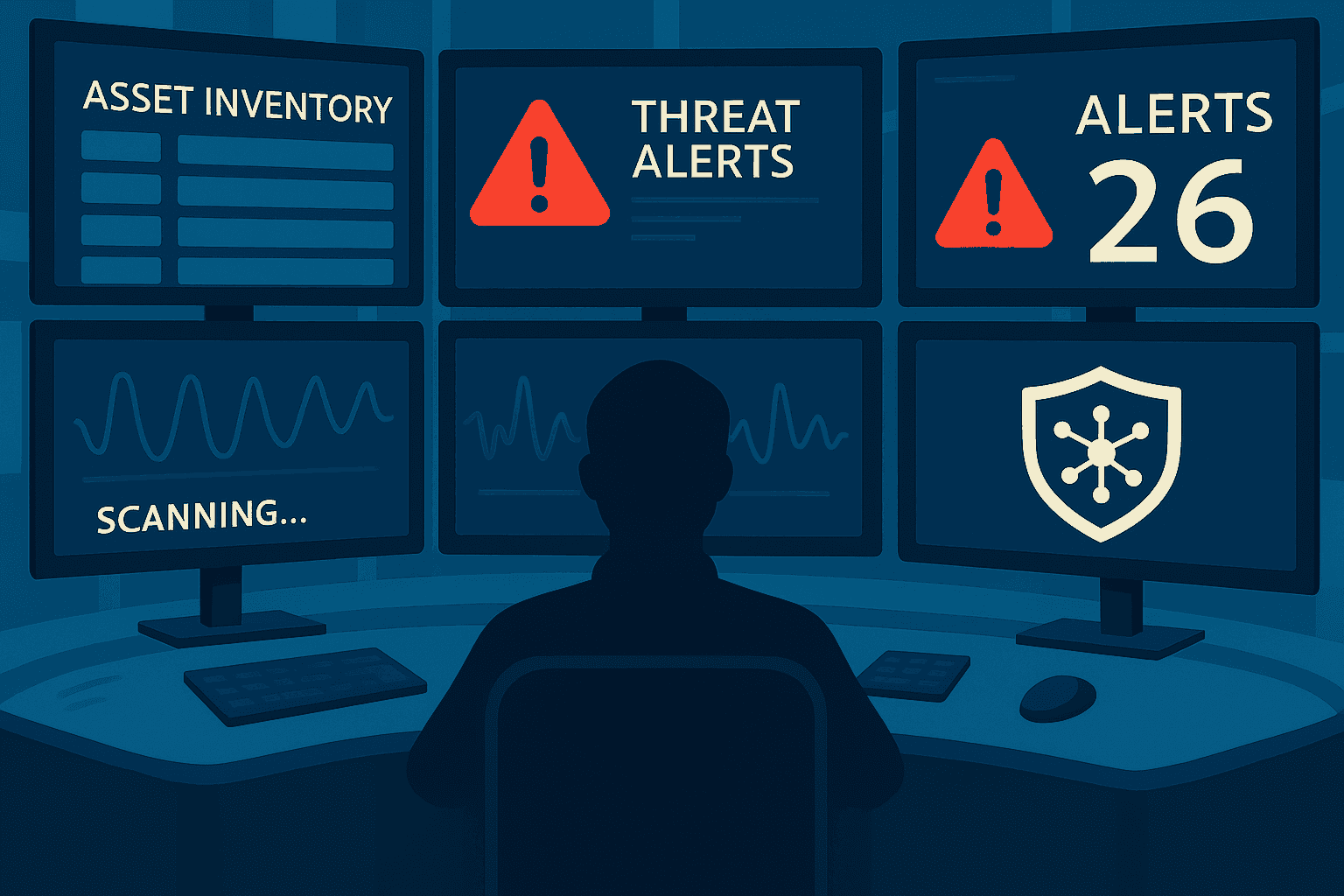
Scanning for Weaknesses Across the Entire Digital Infrastructure
While pentesting focuses on attack simulation, vulnerability assessments take a more systematic and wide-angle approach. Ethical hackers perform automated and manual scans across networks, devices, applications, and cloud environments to detect any potential flaw that could lead to a breach. This assessment covers everything from unpatched software to weak passwords, misconfigured firewalls, insecure ports, and outdated libraries.
Recognizing Risks Before They Become Threats
Vulnerability assessments help organizations maintain constant awareness of their security posture. New vulnerabilities surface daily — from zero-day exploits to evolving malware strains. Ethical hackers continuously analyze these trends and correlate them with the company’s systems to determine which new weaknesses could have an impact. This process ensures that organizations always stay one step ahead of attackers.
Prioritizing Fixes Based on Severity
Not all vulnerabilities pose the same level of danger. Ethical hackers classify them based on criticality, potential impact, and exploitability. This allows security teams to fix the most dangerous risks first and ensure resources are used effectively. Vulnerability assessments are a continuous process — essential for maintaining long-term security and preventing
unnoticed risks from piling up.
Security Audits
Evaluating Compliance, Controls & Best Practices
Security audits are comprehensive examinations of an organization’s cybersecurity policies, procedures, and technical configurations. Ethical hackers review everything — from access control to data protection protocols — to ensure the company meets compliance standards such as ISO, GDPR, HIPAA, PCI-DSS, and more.
Ensuring Strong Governance Across All Departments
Unlike pentesting, which is highly technical, security audits also evaluate non-technical aspects of cybersecurity. This includes employee behavior, documentation quality, incident response readiness, backup policies, and physical security measures. Ethical hackers analyze whether workflows align with industry standards and whether every department
follows necessary security practices.
Building Long-Term, System-Level Security
Through these audits, organizations gain clarity on where they stand and what needs improvement. Ethical hackers provide detailed recommendations that strengthen governance, enhance internal processes, and create a more resilient security culture. Security audits lay the foundation for ongoing protection — not just technical fixes but
institutional improvements.
Social Engineering Tests
Testing the Human Side of Security
Technology may be strong, but humans are often the weakest link. Social engineering tests are designed to measure how employees respond to real-world psychological manipulation attempts. Ethical hackers mimic attackers by sending phishing emails, impersonating internal staff, making scam phone calls, or attempting unauthorized physical access.
Understanding Employee Awareness & Training Needs
These tests reveal whether employees unknowingly click suspicious links, share sensitive data, or fail to verify identities. Ethical hackers don’t conduct these tests to blame staff — but to diagnose training gaps, improve awareness, and prevent human errors from leading to large-scale breaches.
Strengthening Organizational Culture
With the insights gained, companies can implement more effective training programs, revise internal policies, and empower employees with the knowledge needed to detect and stop manipulation attempts. Social engineering assessments help create a vigilant workforce —one that becomes a strong line of defense instead of a vulnerability.
Continuous Monitoring with AI-Driven
Tools
24/7 Threat Detection & Automated Insights
In today’s world, cyber threats appear and evolve within seconds. Ethical hackers leverage AI-driven monitoring tools to watch over networks continuously. These systems analyze traffic patterns, login attempts, user behavior, and system logs in real time — identifying suspicious activity before it can escalate.
Predicting Attacks Before They Happen
AI’s ability to detect anomalies allows ethical hackers to predict potential breaches. Whether it’s an unusual login at midnight, rapid file downloads, or unexplained system behavior, AI tools provide early warnings. Ethical hackers review these alerts, investigate them manually, and take action before attackers can execute their plans.
Building Proactive & Intelligent Defense Systems
Continuous monitoring ensures that organizations are never blindsided. Instead of reacting to breaches, companies can identify early signs and neutralize them instantly. Ethical hackers combine machine intelligence with human expertise to create an ecosystem where threats are detected and eliminated in real time
Seeing Through the Eyes of Attackers
Understanding Attack Paths & Risk Patterns
The core strength of ethical hackers lies in thinking like attackers. By adopting their mindset, strategies, and step-by-step approaches, ethical hackers anticipate every possible route an intruder might take. This attacker-perspective analysis uncovers hidden risks that traditional security reviews often overlook.
Eliminating Weak Links Before Breaches Occur
Whether it’s a misconfigured server, a vulnerable plugin, an outdated application, or an unaware employee — every weak link matters. Ethical hackers identify these gaps early and guide organizations to close them, ensuring that attackers never get the opportunity to exploit them.
Transforming Security Into a Competitive Advantage
Companies that invest in ethical hacking gain more than just safety – they gain trust, compliance, stronger brand reputation, and operational stability. Customers feel safer, internal teams work with more confidence, and businesses achieve long-term digital resilience.
Top 10 Vulnerabilities Cybercriminals
Exploit

Cybersecurity threats continue to evolve, but what remains constant is that attackers always look for the easiest entry point. Whether it’s a weak password, an unpatched system, or an unaware employee, vulnerabilities act as open doors that invite cybercriminals in. Ethical hackers analyze these weaknesses from every angle — technical, human, and procedural
— to help organizations stay secure. Below is a comprehensive, deeply detailed breakdown of the top ten vulnerabilities most commonly exploited, along with real-world examples and the mitigation strategies ethical hackers use to eliminate these risks.
1- Weak Passwords & Poor
Authentication Practices
Understanding the Issue
Weak or predictable passwords remain one of the most exploited vulnerabilities worldwide. A significant portion of security breaches occur simply because attackers can guess credentials or use automated tools to crack them. Single-factor authentication makes the problem worse, allowing unauthorized users to access systems with just one compromised
password. Many employees use common words, reuse the same password across multiple accounts, or store credentials insecurely — all of which give attackers a direct opportunity to break in effortlessly.
Why Attackers Target It
Cybercriminals rely heavily on brute-force attacks, credential stuffing, dictionary attacks, and leaked password databases. If your password is simple, reused, or leaked once, attackers can access corporate email, admin panels, financial accounts, cloud environments, and sensitive files without any advanced hacking. This vulnerability is attractive because it requires minimal skill and often leads to maximum damage in the shortest time.
Ethical Hacker Mitigation Strategy
Ethical hackers implement multi-factor authentication (MFA), enforce strict password hygiene, conduct password audits, and test systems for brute-force resistance. They also educate users about password managers, phishing risks, and safe credential storage. By strengthening authentication processes, organizations significantly reduce their risk surface and prevent unauthorized entry.
2- Unpatched Software & Outdated
Systems
How Outdated Software Creates Risk
Every piece of software — operating systems, applications, plugins, drivers, servers —contains bugs. Vendors release patches regularly to fix vulnerabilities, but when companies delay updates, they leave dangerous security holes open for months or even years. Attackers often target known vulnerabilities listed in public databases, which makes unpatched systems low-hanging fruit.
Real-World Exploitation
Notorious attacks like WannaCry and NotPetya exploited unpatched Windows systems globally, causing billions in damages. Even tech giants and government agencies have suffered breaches simply because updates were postponed or ignored.
Mitigation by Ethical Hackers
Ethical hackers establish strict patch-management cycles, automate updates, test patch compatibility, and categorize systems by risk level. They ensure every critical system receives security patches promptly, preventing attackers from exploiting known vulnerabilities.
3- Open Network Ports & Unsecured
Entry Points
What Are Open Ports?
Network ports allow systems to communicate, but when unnecessary or unmonitored ports remain open, they become
potential gateways for attackers. Cybercriminals constantly scan the internet for exposed ports to identify weak points.
How Attackers Exploit It
Unsecured ports can grant access to servers, databases, IoT devices, and internal networks. Attackers may install malware, steal data, or perform lateral movement once inside. Even one forgotten open port can jeopardize the entire infrastructure.
How Ethical Hackers Respond
They perform port scans, close unused ports, set up firewall rules, and deploy intrusion detection systems. Ethical hackers also create strict policies for managing and monitoring network ports continuously to ensure no unauthorized access path exists.
4- Cross-Site Scripting (XSS) Attacks
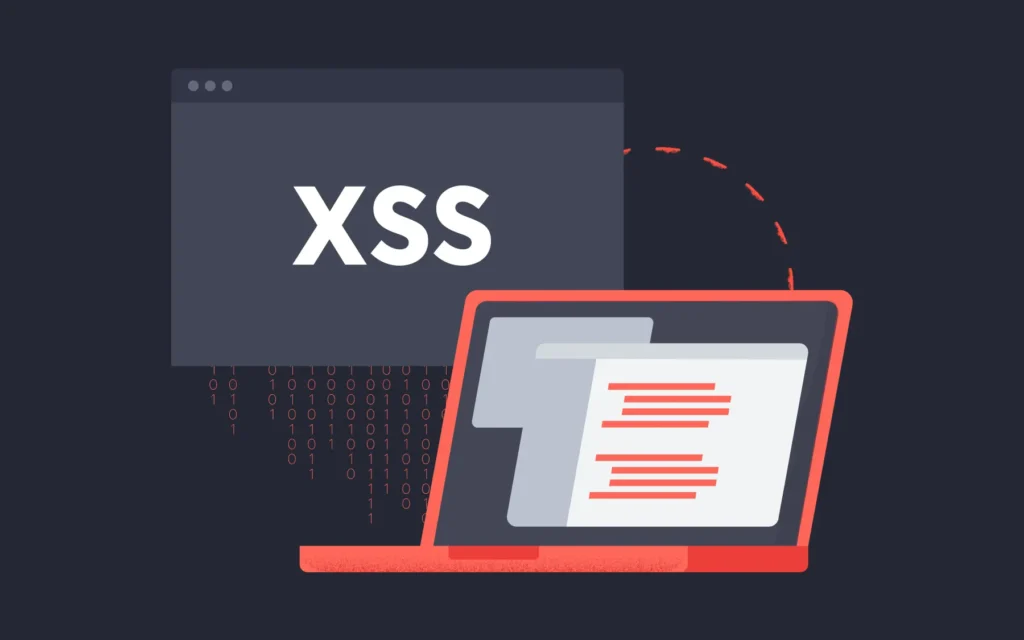
Understanding XSS
Cross-Site Scripting occurs when attackers inject malicious scripts into trusted websites. When users visit the compromised page, the script executes in their browser — often stealing sensitive information, cookies, or session data.
Why This Is Dangerous
XSS attacks are difficult for users to detect because the website appears legitimate. Attackers can hijack accounts, manipulate web content, redirect users, or bypass authentication mechanisms.
Ethical Hacker Mitigation
Ethical hackers conduct secure code reviews, apply input validation, sanitize outputs, implement Content Security Policy (CSP), and develop secure coding guidelines for web developers.
These proactive measures prevent attackers from injecting or executing malicious code.
5- SQL Injection (SQLi)
What Happens During SQL Injection
SQL Injection is one of the most powerful and destructive cyberattacks. Attackers manipulate backend database queries by inserting malicious code through input fields like login boxes, search bars, or contact forms. If successful, attackers can extract, modify, or delete entire databases.
Severity & Impact
SQL Injection can leak customer data, financial records, passwords, and business-critical information. In some cases, attackers can gain full control over a database server, which may shut down entire operations.
How Ethical Hackers Prevent SQLi
They enforce parameterized queries, sanitize user inputs, secure database configurations, conduct code audits, and test forms for injection vulnerabilities. Ethical hackers ensure that web applications treat user input safely and never trust raw data from unknown sources.
6- Unsecured APIs
Understanding API Risks
APIs connect applications, services, and devices. When they lack proper authorization, encryption, or throttling, they become an exposed highway for attackers. Insecure APIs can leak sensitive data, grant unintended access, or allow automated attacks such as credential stuffing or DDoS.
Why Attackers Target APIs
APIs are often overlooked in security audits because they run in the background. Attackers exploit them to bypass login systems, access data directly, or manipulate app functions without needing a user interface.
Ethical Hacker Defense Mechanisms
Ethical hackers secure APIs using strong authentication tokens, rate limiting, input validation, encryption, API gateways, and continuous monitoring. They also map and test every endpoint to ensure no hidden vulnerabilities exist.
7- Improper Network Segmentation
The Problem With Flat Networks
When an organization’s network is flat (not segmented), attackers who breach one device can move laterally to others effortlessly. This means one weak endpoint can compromise the entire system — from admin servers to sensitive data repositories.
Why Cybercriminals Exploit It
Lateral movement gives attackers time to explore, escalate privileges, and deeply embed themselves before detection. Ransomware attacks often succeed due to poor segmentation.
How Ethical Hackers Fix It
They implement VLANs, Zero Trust networks, access control lists, and strict segmentation policies. Ethical hackers design internal barriers so that even if one system is compromised, attackers cannot travel freely across the network.
8- Lack of Encryption
What Happens Without Encryption
Data transmitted without encryption — such as via HTTP, outdated protocols, or unencrypted Wi-Fi — is visible to anyone intercepting the communication. Attackers can steal credentials, financial details, emails, or confidential files.
How Attackers Exploit It
Cybercriminals use man-in-the-middle attacks, traffic sniffing, and packet capturing to intercept unencrypted data. This type of attack is especially common in public or poorly secured networks.
Ethical Hacker Mitigation Methods
Ethical hackers enforce TLS/SSL, encrypt internal communications, secure email systems, implement full-disk encryption, and manage encryption keys with strict governance. Strong encryption turns intercepted data into unreadable text — useless to attackers.
9- Outdated Third-Party Libraries &
Dependencies
How Third-Party Components Become Threats
Modern applications rely heavily on open-source libraries. When these components become outdated or contain known vulnerabilities, they expose the entire software stack to risk. Attackers specifically search for applications running old versions of popular libraries.
Real Risks
Unpatched libraries can enable remote code execution, data leaks, website defacement, or unauthorized access. Developers often overlook these hidden risks, assuming libraries are safe because they’re widely used.
Ethical Hacker Recommendations
Ethical hackers use dependency scanners, lifecycle management tools, patch tracking systems, and automated alerts. They ensure every library and plugin is updated regularly and thoroughly tested before deployment.
10- Poor Security Awareness & Human
Error
Why Humans Are the Weakest Link
Despite strong technology, employees often fall victim to phishing emails, malicious attachments, fake websites, or clever social engineering tactics. Human error contributes to a significant percentage of global cyber breaches.
How Attackers Exploit It
Attackers impersonate trusted contacts, send deceptive emails, lure employees into clicking harmful links, or trick them into sharing sensitive information. One careless click can compromise an entire organization.
Ethical Hacker Prevention Strategy
They conduct employee training, phishing simulations, awareness workshops, policy reinforcement, and regular audits. Ethical hackers help organizations build a culture where every team member becomes an active defender, not an accidental risk.
How Companies Defend Against These
Threats

Modern organizations face a cybersecurity environment that is more complex, unpredictable, and aggressive than ever before. Attackers use automation, AI-driven malware, social engineering tricks, and advanced persistent threats to exploit even the smallest weaknesses. To stay ahead, leading companies implement a multi-layered defense strategy, combining
technology, human intelligence, structured testing, and continuous monitoring. This layered approach ensures that even if one defensive mechanism fails, another stands ready to intercept the attack. Below is an in-depth, detailed look at how companies protect themselves from evolving cyber risks through strategic, coordinated defenses.
1- Regular Penetration Testing
Penetration testing, often called pentesting, is one of the most proactive methods companies use to strengthen their cybersecurity posture. It involves ethical hackers simulating real-world attacks on networks, systems, and applications.
Simulating Real Attacker Behavior
Unlike automated scans, penetration tests are human-driven, meaning ethical hackers think creatively, explore unconventional paths, and replicate the exact methods a criminal hacker might use. They examine how an attacker would chain vulnerabilities together — starting from one small weakness and climbing deeper into the system until they reach sensitive information or administrative access.
Revealing Hidden Weaknesses
Penetration testing exposes the vulnerabilities that quietly exist beneath the surface of an organization’s digital infrastructure—weaknesses that standard security tools often fail to detect. Automated scanners can only identify predictable issues, but real attackers look for unpredictable gaps created by human error, system misconfigurations, and overlooked
components. A pentest uncovers misconfigured servers that unintentionally leave internal services exposed to the internet, weak authentication mechanisms that can be bypassed with brute-force or credential stuffing, and insecure APIs that reveal critical data through unprotected endpoints. It reveals faulty access controls that allow unauthorized users to
navigate deeper into systems, outdated software versions that carry known but unpatched vulnerabilities, and web application flaws that compromise both functionality and security. Even missing encryption, which silently puts sensitive information at risk, becomes visible when ethical hackers attempt to intercept or manipulate data traffic. These hidden weaknesses often remain undetected until an expert actively attempts exploitation, proving why pentesting is one of the most reliable methods to identify serious risks before cybercriminals find and abuse them.
Prioritizing Risks for Immediate Action
Not all vulnerabilities are equally dangerous. Ethical hackers categorize risks based on severity, exploitability, and potential business impact. This helps organizations focus efforts on the weaknesses that matter most, instead of spreading resources thinly across minor issues.
Validating Fixes & Ensuring Long-Term Security
Once vulnerabilities are patched, ethical hackers perform re-tests to ensure the fixes are effective. Regular pentesting acts as a continuous health check for the digital infrastructure, ensuring companies stay secure as technology evolves, new features launch, or new threats emerge.
2- Continuous Monitoring & SIEM
(Security Information and Event
Management)
Continuous monitoring is the backbone of modern defense strategies. Even the most secure system can be compromised if suspicious activity goes unnoticed. SIEM tools become the organization’s “central nervous system” — collecting, analyzing, and alerting security teams in real time.
Tracking Anomalies Across All Systems
Security Information and Event Management (SIEM) tools play a critical role in detecting unusual activities by continuously monitoring and analyzing data from all corners of an organization’s IT environment. These tools collect logs from servers, endpoints, cloud services, databases, firewalls, and applications, creating a centralized repository that provides a holistic view of system behavior. By examining login attempts, file access patterns, network traffic flows, privilege escalation activities, and changes to system configurations, SIEM tools can detect even subtle irregularities that may indicate a potential security incident. Because the data is aggregated and correlated in one place, analysts can identify patterns that would be impossible to see when reviewing isolated logs. This centralized, real-time monitoring ensures that even minor anomalies—such as a user accessing unusual files at an odd hour or a configuration change that deviates from normal protocols—are immediately visible, allowing security teams to respond before these small irregularities escalate into full-scale breaches.
Spotting Suspicious Patterns Before Damage Occurs
Cybercriminals rarely execute attacks in a single, overt move. Instead, they carefully probe systems, test defenses, and gradually escalate their access, often blending seamlessly with normal network activity to avoid detection. Security Information and Event Management (SIEM) tools are designed to counter this subtlety by analyzing patterns across aggregated logs and applying correlation rules and behavioral analytics. For example, they can detect
login attempts from unusual locations or countries, multiple consecutive failed password attempts that may indicate a brute-force attack, sudden spikes in data transfers at odd hours, and unexpected privilege escalations that could signal internal compromise or lateral movement. By recognizing these early warning signs, SIEM systems provide organizations
with the ability to intervene proactively, preventing attackers from gaining full control, exfiltrating sensitive information, or causing operational disruptions. This proactive detection is critical because it shifts security from a reactive posture to a preventative strategy, stopping threats before they evolve into damaging incidents.
Responding in Real Time
Advanced SIEM systems integrate with incident response tools to automatically trigger alerts, block malicious IPs, quarantine compromised devices, or notify the security team instantly.
Continuous monitoring ensures that no suspicious activity remains hidden, reducing the window of attack significantly.
3- AI-Powered Threat Intelligence
Artificial intelligence has become a crucial part of modern cybersecurity. Threats are growing too fast for human-only teams to manage, making AI essential for detection, correlation, and automated response.
Detecting Unknown & Zero-Day Attack Patterns
Older security systems rely on signatures — patterns of known malware. AI goes beyond that. It identifies unfamiliar threats based on anomalies, behaviors, and patterns that deviate from the norm, even if the threat has never been recorded before.
Correlating Logs Across Multiple Environments
In modern organizations, data flows through a complex network of cloud services, on-premises data centers, endpoints, APIs, and network devices. Each system generates vast amounts of logs every second, making it nearly impossible for human analysts to identify meaningful patterns in isolation. AI-driven platforms revolutionize this process by
aggregating and correlating logs across all environments, connecting the dots between seemingly unrelated events. For instance, a single failed login on a cloud service might appear insignificant on its own, but when correlated with unusual API calls, unexpected network traffic, and irregular endpoint behavior, it could indicate a compromised employee account or an insider slowly exfiltrating sensitive data. By linking these disparate data points, AI uncovers hidden threats that would otherwise remain invisible, enabling security teams to detect sophisticated attacks early and respond before any serious damage occurs. This cross-environment correlation turns a flood of raw log data into actionable intelligence, providing a clear and comprehensive view of the organization’s security posture.
Automating Rapid Response
AI-powered cybersecurity tools go beyond merely detecting potential threats—they respond immediately, reducing the time attackers have to exploit vulnerabilities. Through intelligent automation, these systems can block malicious network traffic the moment it is detected, disable compromised user accounts to prevent further unauthorized access, and halt suspicious processes that may indicate active attacks. In cases where malware is identified, AI can contain the infection, preventing it from spreading across the network, and isolate affected devices to protect critical systems and data. This instantaneous response capability transforms the speed of defense from hours—or even days in traditional setups—to mere seconds, dramatically minimizing potential damage and operational disruption. By automating these critical actions, AI not only relieves the burden on human security teams but also ensures that rapid, precise, and effective interventions occur even in the most complex, high-volume environments. Such automation turns reactive defense into a proactive shield, significantly strengthening an organization’s overall cybersecurity posture.
Learning Normal Behavior to Flag Deviations Instantly
AI models continuously learn the organization’s regular behavior patterns, such as typical working hours, average data transfers, login geography, and resource usage. When something deviates from the learned baseline, AI immediately raises red flags —
often before the human security team even notices.
4- Security Awareness Training
Even the best security tools fail if employees unknowingly open the door to attackers. Human error is responsible for a significant percentage of global breaches. To combat this, companies invest in continuous, practical, and engaging security awareness programs.
Understanding Phishing Threats
Phishing is still the most common method attackers use to steal credentials and break into systems. Companies train employees to identify suspicious links, fake login pages, urgent-sounding emails, and fraudulent attachments.
Simulated phishing campaigns help employees practice spotting suspicious emails in real-time.
Recognizing Insider Threats & Social Engineering
Insider threats and social engineering attacks exploit the human element of cybersecurity, which is often the weakest link in an organization’s defenses. Attackers rely on psychological manipulation, impersonation, and carefully crafted persuasion techniques to deceive employees into revealing sensitive information, granting unauthorized access, or performing actions that compromise security. Effective training programs equip staff with the knowledge and awareness to detect these threats before damage occurs. Employees learn to identify fake internal contacts who attempt to pose as colleagues or supervisors, scrutinize suspicious requests for confidential data, recognize manipulative or urgent messages designed to create panic, and detect impersonation attempts through subtle inconsistencies. By consistently reinforcing critical thinking, verification habits, and a cautious approach to unexpected communications, organizations significantly reduce the risk posed by social
engineering. Over time, this awareness transforms employees into active participants in cybersecurity, creating a human firewall that complements technical defenses and strengthens overall resilience against complex attacks.
Teaching Email Hygiene & Safe Digital Practices
A critical component of modern cybersecurity is ensuring that employees understand how to navigate digital communication safely. Training in email hygiene and safe digital practices empowers staff to recognize and mitigate common attack vectors before they can cause harm. Employees are taught how to verify the identity of email senders, ensuring that messages claiming to be from colleagues, clients, or trusted organizations are legitimate and not maliciously crafted impersonations. They learn the correct ways to handle sensitive attachments, minimizing the risk of inadvertently spreading malware or exposing confidential information. Training also emphasizes the importance of never sharing passwords, even
under seemingly urgent or authoritative requests, and equips staff with clear protocols for reporting suspicious emails to the security team. In addition, best practices for secure communication, including the use of encrypted channels and cautious interaction with unknown links or downloads, are reinforced regularly. By embedding these habits into daily workflows, organizations significantly reduce risk across the human layer—the most commonly exploited vulnerability—ensuring that employees act as an active line of defense rather than a point of exposure.
Strengthening Credential Protection
Training also emphasizes strong password practices, MFA usage, secure device handling, and safe browsing. Employees become cyber-aware assets rather than vulnerabilities.
Multi-Layered Defense = Stronger
Security
In today’s complex cybersecurity landscape, no single measure is sufficient to protect an organization from the wide array of threats it faces. A truly resilient defense requires a multi-layered approach that integrates technical safeguards, intelligent monitoring, predictive analytics, and human awareness. By combining regular penetration testing, continuous monitoring with SIEM tools, AI-driven threat intelligence, and comprehensive employee education, companies build a security framework that addresses every potential angle of attack. Each layer reinforces the others: penetration testing identifies hidden weaknesses before they can be exploited; continuous monitoring detects active threats in real time, ensuring that anomalies do not go unnoticed; AI analyzes patterns, predicts emerging risks, and prevents sophisticated attacks that traditional tools might miss; and employee training mitigates human-driven vulnerabilities, transforming staff from potential points of failure into proactive defenders. This integrated strategy enables organizations to stay one step ahead of cybercriminals, reduce the likelihood and impact of breaches, and maintain long-term resilience in a threat landscape that is constantly evolving. By implementing a multi-layered defense, businesses create a comprehensive and adaptive security posture that safeguards not only data and systems but also their reputation, operational continuity, and customer
trust.
Why AI Is a Game Changer in
Cybersecurity
The Rise of Intelligent Defense in a Hyper-Connected World
In today’s digital landscape, organizations operate in an ecosystem where cyber threats evolve faster than traditional security tools can react. Attackers adapt, mutate, and expand their strategies rapidly-leaving companies exposed if they rely only on static, rule-based systems. Artificial Intelligence (AI) has emerged as a transformative force in cybersecurity because it brings speed, adaptability, and analytical intelligence that mirrors (and often surpasses) human capability. Instead of waiting for known threats to appear, AI systems proactively observe millions of data points, identify unusual activities, and predict potential attacks before they happen. This shift from reactive defense to predictive protection is exactly what makes AI revolutionary
How AI Predicts New Threats Before They Strike
One of AI’s most important contributions is its ability to analyze massive datasets—network logs, user behaviors, malware signatures, access patterns—and detect subtle deviations that humans may overlook. Traditional tools depend on preset signatures or known patterns of malicious activity. But modern cyber threats often involve unknown malware variants, zero-day exploits, or sophisticated multi-step attacks that leave almost no recognizable trail. AI models, however, learn from historical data and continuously update themselves. They search for correlations between small anomalies and emerging threat indicators. Over time, these systems develop predictive abilities, allowing them to flag potential vulnerabilities or
suspicious behavior even before an actual breach takes place. This proactive capability is something no manual process can match.
Why Faster Anomaly Detection Saves Organizations
Millions
Cyber attackers often spend days or months inside a network before being detected. This silent infiltration phase is where the most damage occurs—data theft, credential misuse, lateral movement, and system manipulation. AI changes the equation by reducing detection time from days to minutes. Machine learning algorithms can differentiate between normal user activities and irregular behaviors such as unusual login times, abnormal data transfers, or unauthorized access attempts. These anomalies may seem harmless individually, but when analyzed collectively, they often reveal a brewing attack. By identifying problems at this early stage, AI stops small anomalies from growing into full-scale breaches, saving companies enormous financial and reputational losses.
Reducing False Positives Through Smarter Intelligence
One major challenge in cybersecurity is the overwhelming number of alerts generated by traditional monitoring systems. Security analysts waste countless hours sorting through noise—false alarms triggered by normal activity. This creates fatigue, delays responses, and increases the chance of missing real attacks. AI helps eliminate irrelevant alerts by learning what genuine behavior looks like and refining its judgment over time. Instead of flagging every minor deviation, AI focuses on unusual patterns that represent real danger. With reduced false positives, cybersecurity teams can focus their energy on actual threats rather than drowning in excessive notifications. This efficiency also improves the collaboration between human experts and automated systems.
How AI Automates Repetitive Tasks for Ethical Hackers
Ethical hackers and penetration testers often spend significant time on repetitive tasks: scanning for vulnerabilities, checking system configurations, identifying weak points, and analyzing logs. AI-driven tools automate much of this groundwork, allowing ethical hackers to focus on advanced strategy, creative exploit testing, and deeper security evaluations. AI can simulate attack flows, crawl through complex infrastructures, and even produce detailed vulnerability maps within minutes. This not only accelerates pentesting but ensures more thorough results. By handling routine scanning and pattern recognition, AI becomes an extension of the hacker’s toolkit, empowering them to perform at greater speed and precision
Behavioral Analytics: Understanding Users Better Than
Ever
Behavioral analytics is one of AI’s most powerful applications. Instead of merely monitoring devices and applications, AI studies human behavior. Over time, it learns how employees normally interact with systems—their typical login times, file access patterns, communication habits, and work routines. When something deviates from this pattern, such as accessing confidential data at unusual hours or logging in from an unexpected location, AI immediately recognizes the anomaly. This makes insider threats, compromised credentials, and subtle security breaches far easier to detect. Behavioral analytics essentially builds a digital “fingerprint” for every user, ensuring personalized and highly accurate threat detection.
AI-Powered Automated Penetration Testing Tools
Automated pentest tools using AI replicate cyberattacks at scale and with unparalleled speed. These tools observe network behavior, map internal structures, identify weak configurations, and simulate a wide range of real-world threat scenarios. They learn from previous tests and adapt their strategies to explore deeper vulnerabilities. As a result, organizations receive continuous insight into their risk posture rather than relying on occasional manual pentests. For businesses managing large infrastructures, AI-driven pentesting becomes a continuous cycle of detection, evaluation, and improvement—something traditional manpower alone cannot sustain
Advanced Threat Classification Models for Modern
Security Needs
The volume of new malware variants appearing each day is staggering. Traditional antivirus tools cannot keep up because they operate on known signatures. AI-powered classification models, however, analyze malware based on behavior, structure, and code characteristics—even if the variant has never been seen before. These models categorize threats into families, assign risk scores, and recommend mitigation strategies. This gives security teams a significant advantage against fast-moving cybercriminals who constantly modify their payloads. Instead of always being one step behind attackers, companies can identify malicious software instantly through intelligent classification.
Deep Learning-Based Malware Detection: The Future of
Digital Defense
Deep learning is a subset of AI capable of recognizing extremely complex patterns. In malware detection, deep learning models process enormous datasets comprising millions of malicious and non-malicious files. Over time, these models learn the underlying structure and behavior of malware at a level of detail impossible for manual analysis. This allows them
to detect suspicious executables, scripts, or network activities with remarkable accuracy. Deep learning doesn’t rely on signatures—it relies on understanding how malware behaves. This makes it highly effective against polymorphic malware, ransomware mutations, and advanced persistent threats. As cybercriminals evolve their techniques, deep learning continues learning as well, creating a constantly improving defensive shield.
How AI Strengthens Human Cybersecurity Teams
While AI offers powerful advantages, its true strength emerges when combined with human expertise. Ethical hackers, analysts, and security engineers interpret AI findings, apply strategic judgment, and refine defense strategies. AI becomes a force multiplier—handling the scale, speed, and complexity of modern threats while humans guide high-level decision-making. This partnership creates a security environment that is both strategic and extremely responsive. Instead of replacing professionals, AI empowers them with unprecedented visibility and control over their digital infrastructure.
The Constant Evolution of Cyber Threats in a Digital-First
World
In an era where technology drives every aspect of business operations, cyber threats have become more dynamic, more sophisticated, and more unpredictable than ever. Attackers no longer rely on simple viruses or outdated hacking techniques; instead, they use advanced tools, automated scripts, social engineering, and AI-driven exploitation methods to infiltrate
organizations. These threats adapt in real time, learning from system behaviors and discovering new ways to bypass traditional security frameworks. The digital world is expanding every minute, with more data created, processed, and stored across distributed networks, cloud environments, and interconnected devices. As this expansion continues, the attack surface grows enormously—making it impossible for organizations to depend solely on legacy defenses or reactive strategies. The pace at which threats evolve creates a reality where staying still is no longer an option. Security must grow, transform, and strengthen at the same speed.
Why Defense Must Advance as Quickly as the Threats Do
Just as attackers innovate, defenders must evolve their strategies too. The cybersecurity landscape is now defined by adaptability, continuous learning, and intelligent automation. Static defenses such as firewalls, antivirus software, or preconfigured rules fail to keep up with threats that mutate daily. Businesses require systems that observe patterns, predict
risks, and respond instantly—tools capable of protecting data in an always-on, interconnected environment. This necessity has reshaped the role of cybersecurity from being a one-time investment to a continuous lifecycle of assessment, detection, response, and improvement. Organizations that fail to modernize their defenses risk not only financial losses but also reputational damage and operational disruption. The modern threat landscape demands a proactive mindset where every weakness is anticipated, every anomaly investigated, and every system continuously strengthened.
Ethical Hackers: The First Responders of the Digital Era
Within this complex battlefield, ethical hackers serve as the frontline defenders—professionals who think like attackers but act in the service of protection. Their role is critical because they reveal weaknesses before criminals can exploit them. Ethical hackers approach systems with an adversarial mindset, conducting penetration tests, vulnerability analyses, and simulated attacks to identify flaws in code, configurations, networks, and user behavior. But their role extends far beyond simply finding vulnerabilities. They validate the strength of security controls, test the resilience of defenses under pressure, and help organizations understand how real-world attackers might operate. In doing so, they give businesses a chance to reinforce their systems long before threats escalate. Ethical hackers are not just testers—they are strategists, advisors, and partners who strengthen the digital backbone of modern enterprises.
How Ethical Hacking Prevents Costly Security Failures
A single overlooked vulnerability can lead to catastrophic consequences: data breaches, ransomware attacks, identity theft, financial loss, and legal penalties. Ethical hackers help organizations avoid these scenarios by exposing weaknesses that internal teams may never notice. Their methods recreate the mindset and techniques of malicious actors, providing an
accurate understanding of how a real attack might unfold. By identifying outdated software versions, misconfigured servers, weak passwords, or unprotected endpoints, they ensure that no gap remains unaddressed. This proactive approach transforms cybersecurity from a reactive defense to a preventative discipline. Instead of responding after damage occurs,
companies get a chance to strengthen their defenses before attackers strike. This shift not only reduces risk but also minimizes downtime, strengthens customer trust, and ensures long-term digital resilience.
The Fusion of Expertise and Technology: The New Standard in Cyber
Defense
Modern cybersecurity demands the perfect balance of human intelligence and technological innovation. Ethical hackers bring creativity, intuition, and deep technical understanding—qualities no automated tool can fully replicate. However, the complexity and volume of today’s threats require speed and precision that only advanced technologies can
provide. This is where AI-enhanced cybersecurity bridges the gap. By combining expert judgment with machine-driven pattern recognition, real-time analytics, automated response mechanisms, and predictive modeling, organizations gain a defense system that is both intelligent and unstoppable. The partnership between human expertise and AI does not
replace one with the other but amplifies the strengths of both. This alliance ensures that cyber defense is not only reactive but predictive, adaptive, and continuously evolving.
Why Real-Time Protection Has Become Essential for Every Business
Cyberattacks rarely occur at predictable times, and vulnerabilities can be exploited within minutes of discovery. This makes real-time security monitoring critical. AI-powered system observe network traffic, user behavior, and application activity around the clock, detecting irregularities as soon as they emerge. Ethical hackers rely on these insights to take immediate action—whether that involves isolating affected systems, patching vulnerabilities, or stopping suspicious processes. The seamless integration of real-time monitoring and professional cybersecurity expertise ensures that organizations remain protected even against the fastest-moving threats. Businesses that adopt real-time defense strategies position themselves several steps ahead, building resilience not just for today but for the future.
Pinaki IT Consultant Pvt. Ltd.: Your Partner in Intelligent Cybersecurity
At Pinaki IT Consultant Pvt. Ltd., cybersecurity is more than a service—it is a responsibility we uphold with dedication, precision, and innovation. Our team combines deep domain expertise with AI-powered defense mechanisms to deliver protection that evolves as rapidly as the threats themselves. Whether it’s vulnerability management, penetration testing,
real-time monitoring, incident response, or AI-enhanced threat analysis, we provide end-to-end solutions tailored to your business’s unique digital environment. With a commitment to proactive defense and continuous improvement, we ensure that every layer of your system remains resilient, every process fortified, and every vulnerability addressed before it becomes a risk. Our approach is simple yet powerful: protect intelligently, respond swiftly, and strengthen continuously.
A Future Where Security Is Strength, Not Stress
As technology continues to advance, the challenges of cybersecurity will grow—but so will the solutions. With the right combination of expert ethical hackers, AI-driven tools, and a forward-focused mindset, businesses can transform cybersecurity from a reactive burden into a strategic advantage. The future belongs to organizations that can anticipate threats, adapt quickly, and defend themselves with confidence. By embracing modern cybersecurity practices and partnering with specialists who understand the evolving digital landscape, companies can create a future where data is protected, systems are secure, and innovation thrives without fear. And at Pinaki IT Consultant Pvt. Ltd., we are committed to helping you build exactly that future.
Why Taking Action Now Is More Important Than Ever
The digital world is moving faster than at any point in history. Every day, organizations generate new data, expand their digital infrastructure, adopt emerging technologies, and integrate tools that connect them to a global ecosystem of users, partners, and devices. While this growth creates exciting opportunities, it also opens the door to an increasing number of cyber risks—many of which remain invisible until it is too late. Cybercriminals continue to innovate, using highly sophisticated tactics that can bypass traditional defenses within minutes. A single unpatched vulnerability, a weak configuration, or an overlooked authentication gap can open the floodgates to devastating security breaches. In this
environment, businesses cannot afford to wait for a threat to surface before taking action. Proactive security is no longer optional; it is essential for survival, reputation, and long-term stability. This urgency is precisely why taking the next step toward securing your digital ecosystem matters right now—not tomorrow, not next month, but today.
The Value of Partnering With Experts Who Understand the Threat
Landscape
Cybersecurity is not simply a technical function; it has become a strategic necessity. Organizations need more than basic tools or generic solutions—they require experienced professionals who understand the complexities of modern threats and can build defenses that evolve with the environment. Partnering with a team that combines ethical hacking expertise, AI-driven analytics, real-time monitoring capabilities, and deep domain knowledge gives businesses a significant advantage. It ensures that every layer of their infrastructure—from endpoints and servers to cloud environments and APIs—is evaluated
with precision. More importantly, it brings clarity to areas that internal teams often overlook due to daily operational pressures. A specialist’s perspective helps identify the most critical vulnerabilities, prioritize them according to real-world risk, and implement solutions that enhance resilience without disrupting business operations. This partnership transforms
cybersecurity into a strategic asset that supports growth, innovation, and trust.
Why Pinaki IT Consultant Pvt. Ltd. Is the Right Choice for Your Security
Needs
Pinaki IT Consultant Pvt. Ltd. stands at the intersection of expertise and innovation. With a team of skilled ethical hackers, security analysts, AI engineers, and cybersecurity consultants, the company delivers protection that is both technically robust and future oriented. Their approach goes far beyond basic assessments. They begin by deeply understanding the organization—its workflows, digital assets, user behavior patterns, infrastructure complexity, and existing security posture. This comprehensive insight allows them to design a defense strategy tailored to the business’s unique environment. Their services integrate traditional cybersecurity methodologies with advanced AI-driven tools capable of detecting anomalies, predicting potential attack paths, automating repetitive security tasks, and analyzing vast amounts of data in real time. By combining human intelligence with machine precision, Pinaki IT Consultant Pvt. Ltd. provides a level of security that keeps businesses ahead of evolving cyber threats rather than struggling to catch up.
What a Free Vulnerability Assessment Truly Means for Your Business
When organizations hear the term “free vulnerability assessment,” they often assume it refers to a basic scan or a surface-level checklist. But with Pinaki IT Consultant Pvt. Ltd., it means far more. Their free assessment is a comprehensive, structured evaluation designed to uncover hidden weaknesses that attackers could exploit. It involves analyzing network
exposure, reviewing authentication mechanisms, checking for outdated systems, evaluating cloud misconfigurations, validating endpoint security, and assessing internal processes that may unintentionally create risk. The findings are then translated into a clear, business-friendly report that explains each vulnerability, its potential impact, and the recommended remediation pathway. Complementing this is an AI-driven security audit, which uses intelligent algorithms to identify unusual patterns, potential attack vectors, and risk indicators that traditional tools often miss. Together, these two offerings give businesses a detailed map of their current security posture—something invaluable, especially when trying to make informed decisions regarding technology upgrades, compliance requirements, or future digital initiatives.
How This Assessment Strengthens Your Long-Term Security Strategy
One of the greatest benefits of beginning with a detailed vulnerability assessment and an AI-enhanced security audit is the ability to build a long-term defense plan rooted in precision. Cybersecurity is not a one-time task; it is a continuous journey. The insights generated through this initial evaluation allow organizations to predict what risks may arise as they grow, adopt new technologies, or scale their operations. Identifying weaknesses early prevents small gaps from turning into major incidents, saving businesses from financial losses, operational shutdowns, reputational damage, and legal complications. The
assessment also becomes the foundation for implementing stronger authentication methods, improving network segmentation, enhancing endpoint protection, building secure cloud environments, and ensuring that users—often the weakest link—are trained to recognize threats. Each improvement becomes part of a cohesive, well-planned security roadmap that strengthens the organization’s resilience year after year
Investing in Security Today Protects Your Success Tomorrow
Every business—regardless of size, industry, or digital maturity—relies heavily on data, connectivity, and uninterrupted operations. A single breach can undo years of progress, compromise customer trust, disrupt operations, and expose sensitive information that took decades to build. Investing in security is, therefore, an investment in the future of the organization. It ensures that growth can continue without fear, that innovation can flourish without risk, and that customers, clients, and partners can rely on the business with unwavering confidence. Taking the decision to secure your digital assets today builds a foundation for stability, strength, and sustainable progress. Delaying such decisions often results in greater costs—financial, legal, and strategic. True digital resilience begins with one action, and that action starts with ensuring your defenses are strong, smart, and aligned with the realities of modern threats.
Your Next Step Toward a Safer, Stronger Digital Future
If you are ready to take control of your security posture and protect your organization from the rising tide of cyber threats, the path forward is clear. Begin with a detailed understanding of your current vulnerabilities and gain the insights needed to build a more secure future. Pinaki IT Consultant Pvt. Ltd. offers you the opportunity to take this step confidently and without hesitation. Their team is prepared to guide you through the process, explain every critical finding, and help you implement solutions that create lasting digital safety. The best time to strengthen your security is now—before threats escalate, before systems are compromised, and before damage becomes irreversible. Your digital future is worth protecting, and you deserve a partner capable of delivering that protection with excellence, intelligence, and unwavering commitment.
Take Action Today
If you’re ready to secure your digital assets and fortify your network with the support of experts who understand both the current threat landscape and the future of cybersecurity, your next move is simple. Connect with Pinaki IT Consultant Pvt. Ltd. and begin your journey toward stronger, smarter, AI-enhanced defense. Their free vulnerability assessment and
AI-driven security audit will give you clarity, confidence, and the strategic advantage you need in today’s complex digital environment. To learn more or schedule your assessment, visit the official website at https://pinakiithub.com/ and take the first step toward a safer, more resilient tomorrow.
