
Careers That Are Growing Faster Because of Data & Technology

In today’s digital-first world, Data and Technology are no longer optional skills — they are the backbone of modern businesses. From startups to global enterprises, companies are using data-driven decisions and advanced technology to grow faster, smarter, and more efficiently. As a result, careers powered by data and technology are growing at an unprecedented speed and offer exciting opportunities for students, freshers, and working professionals. This blog will help you understand: Why Data & Technology Are So Important Today: Powering the Digital Age Introduction: Living in a Data-Driven World We are living in an era where almost every action we perform leaves a digital footprint. From browsing websites and using mobile applications to online shopping, digital payments, social media engagement, and even smart home devices, data is constantly being generated. This massive flow of information has transformed how organizations operate, how governments make decisions, and how individuals interact with technology. Data and technology are no longer optional tools; they have become the foundation of modern business, innovation, and social development. The combination of data and technology enables organizations to gain deep insights, automate complex processes, enhance customer experiences, and remain competitive in fast-changing markets. Companies that understand how to collect, analyze, and apply data effectively are more likely to grow faster, reduce operational risks, and make informed strategic decisions. This is why data literacy and technological skills are now considered essential across industries and professions. Understanding the Role of Data in the Modern Economy What Is Data and Why Does It Matter? Data refers to raw facts and information generated through digital interactions, sensors, transactions, customer feedback, and online activities. While raw data alone may seem meaningless, when it is processed and analyzed using technology, it becomes valuable intelligence that helps organizations understand patterns, trends, and user behavior. In today’s digital economy, data has become one of the most valuable assets. Companies such as e-commerce platforms, social media networks, financial institutions, and healthcare providers rely heavily on data to improve services, personalize user experiences, and optimize internal operations. Data-driven organizations are able to make smarter decisions based on evidence rather than assumptions, leading to improved performance and sustainable growth. Data as a Strategic Business Resource Unlike traditional resources such as machinery or physical infrastructure, data can be reused, refined, and expanded over time. Businesses now treat data as a strategic resource that helps them identify market opportunities, reduce inefficiencies, and gain a competitive advantage. Organizations that invest in data analytics tools and skilled professionals can convert complex information into actionable insights that directly impact profitability and customer satisfaction. How Technology Converts Data into Meaningful Insights The Role of Advanced Technologies Technology plays a critical role in transforming raw data into useful knowledge. Tools such as cloud computing, artificial intelligence, machine learning, big data platforms, and automation systems enable organizations to process large volumes of information quickly and accurately. These technologies allow businesses to extract patterns, predict outcomes, and generate insights that would be impossible to achieve through manual methods. For example, machine learning algorithms can analyze customer purchase behavior to recommend products, while predictive analytics can help companies forecast demand and manage inventory efficiently. Cloud platforms make it possible to store massive datasets securely and access them from anywhere in the world, supporting remote work and global collaboration. Automation and Real-Time Decision Making Modern technology also enables real-time data processing and automation. Businesses can monitor performance metrics instantly, detect issues early, and respond to changes in the market faster than ever before. Automated systems reduce human error, increase operational efficiency, and allow employees to focus on strategic and creative tasks instead of repetitive manual work. Improving Customer Experience Through Data and Technology Understanding Customer Behavior One of the biggest advantages of using data is the ability to understand customer behavior in detail. Businesses can analyze browsing patterns, purchase history, feedback, and engagement metrics to gain insights into customer preferences and expectations. This helps organizations create personalized experiences that build stronger relationships and increase brand loyalty. Personalization has become a key factor in customer satisfaction. Whether it is customized product recommendations, targeted marketing campaigns, or personalized support services, data-driven strategies allow companies to deliver relevant content and offers that match individual customer needs. Enhancing Customer Engagement and Trust Technology also enables businesses to communicate more effectively with customers through chatbots, CRM systems, and automated support tools. These solutions provide faster response times, consistent service quality, and better issue resolution. When customers receive timely and accurate support, their trust in the brand increases, leading to long-term relationships and repeat business. Driving Business Growth and Profitability Data-Driven Decision Making Traditional business decisions were often based on intuition or past experience. Today, organizations rely on data analytics to support decision-making processes. By analyzing market trends, consumer demand, and operational performance, companies can make informed choices that reduce risks and improve outcomes. Data-driven strategies help businesses identify new opportunities, optimize pricing models, and improve resource allocation. This results in higher productivity, better financial performance, and stronger competitive positioning in the market. Optimizing Operations and Reducing Costs Technology enables businesses to streamline operations through automation and process optimization. Supply chain management systems, inventory tracking tools, and enterprise software platforms help organizations reduce waste, minimize delays, and improve overall efficiency. By leveraging data insights, companies can identify bottlenecks and implement improvements that save time and money. The Impact of Data and Technology Across Industries Information Technology and Software Development The IT sector relies heavily on data and advanced technologies to develop innovative software solutions, manage networks, and ensure cybersecurity. Data analytics helps IT professionals monitor system performance, detect security threats, and improve user experience. Cloud computing and artificial intelligence have further expanded the possibilities of digital transformation. Healthcare and Medical Innovation In healthcare, data and technology have revolutionized patient care and medical research. Electronic health records, wearable devices, and diagnostic tools generate valuable patient data that helps doctors make accurate diagnoses and develop personalized treatment plans. Predictive analytics is also being used to identify disease patterns
Choosing the Right Skill Path for Long-Term Career Success

Your Ultimate Guide to Making Smart, Future-Proof Career Decisions In today’s fast-moving and highly competitive world, choosing the right career path is no longer a simple decision driven by passion alone. While interest and motivation still matter, long-term career success now depends on how informed, strategic, and future-ready your choices are. The professional landscape is evolving at an unprecedented pace, and the skills you choose to develop today will directly influence your opportunities, stability, and growth tomorrow. Digital transformation, automation, and global connectivity have reshaped how industries operate and how talent is evaluated. Jobs that were once secure are being redefined, while entirely new roles are emerging across technology, analytics, sustainability, and digital business. In this environment, skills have become the true currency of career growth. Choosing wisely can open doors to global opportunities, while poor decisions can limit progress despite hard work. Why Choosing the Right Skill Path Matters More Than Ever The Career Decisions That Quietly Shape Your Entire Future Every major turning point in life is often defined not by one dramatic moment, but by a series of small, consistent decisions. Career choices work the same way. The skills you choose to learn today silently influence where you will stand five, ten, or even twenty years from now. They determine not just your income, but your confidence, relevance, freedom, and long-term satisfaction. In a world where industries are transforming faster than ever before, choosing the right skill path has become less of an option and more of a necessity. Unlike earlier generations, where one degree could support an entire career, today’s professionals must think dynamically. Skills are no longer static assets; they are living tools that must evolve with market needs. The right skill path can unlock opportunities, while the wrong one can quietly limit growth—even for highly hardworking individuals. Understanding the Shift: How the Job Market Is Being Redefined From Stable Roles to Skill-Driven Careers The global job market is undergoing a historic transformation. Traditional roles that once offered long-term stability are gradually giving way to flexible, skill-centric careers. Employers today are less focused on titles and more focused on capabilities. What you can do now matters far more than what you studied years ago. Technological advancement, globalization, and digital adoption have accelerated this shift. Automation is replacing repetitive tasks, while innovation is creating entirely new categories of work. As a result, professionals who continuously upgrade their skills are moving ahead, while those who rely solely on past qualifications often struggle to stay relevant. Alignment with Market Demand: The Foundation of a Strong Career Why Demand-Driven Skills Create Long-Term Value Choosing a skill path aligned with market demand ensures that your efforts translate into real opportunities. Industries invest in skills that solve current and future problems, and professionals who possess those skills naturally become valuable assets. In 2026 and beyond, sectors such as artificial intelligence, digital analytics, automation, cybersecurity, renewable energy, and advanced software development are shaping the global workforce. Roles like AI and machine learning specialists, data scientists, cloud engineers, digital strategists, and automation experts are no longer niche positions. They are becoming core functions across industries—from healthcare and finance to manufacturing and retail. This rise reflects where businesses are allocating budgets, building infrastructure, and planning for the future. When your skills align with these demands, you are not chasing jobs. Jobs begin to find you. Job Security and Growth in an Uncertain World How the Right Skills Protect You Against Disruption Job security today does not come from staying in one company for decades. It comes from being employable across companies, industries, and even countries. Professionals with in-demand skills enjoy a level of security that goes beyond a single role—they carry their value with them wherever they go. Global employment projections indicate that while some traditional jobs may decline, millions of new roles are expected to emerge by 2030. This shift does not signal job loss; it signals job transformation. New opportunities are being created faster than old ones are disappearing—but only for those who are prepared. When you invest in the right skill path, you position yourself on the growth side of this transformation. You become part of the workforce that is expanding, not shrinking. This leads to higher earning potential, faster promotions, and greater negotiating power throughout your career. Adaptation to Change: The New Career Superpower Why Learning Agility Matters More Than Experience Industries no longer operate on fixed models. Technology, consumer behavior, and global trends continuously reshape how businesses function. Skills that were relevant five years ago may already be outdated today. In this environment, adaptability is no longer optional—it is essential. Choosing the right skill path means choosing skills that evolve rather than expire. Fields like AI, data, digital marketing, and automation are not static disciplines. They constantly update, encouraging professionals to grow alongside them. This continuous learning keeps your mindset flexible and your profile competitive. Professionals who adapt quickly are not threatened by change—they leverage it. They move confidently through transitions, whether it’s a new role, a new industry, or a new market altogether. Financial Stability and Career Sustainability How Skills Translate into Income and Independence Financial growth is a natural outcome of valuable skills. When your expertise solves real business problems, organizations are willing to pay a premium for it. The right skill path often leads to multiple income streams—full-time roles, consulting, freelancing, or entrepreneurial ventures. Moreover, skill-based careers reduce dependency on a single employer. This independence offers greater control over career decisions, work-life balance, and long-term planning. Professionals with strong, relevant skills can adapt their careers around life changes instead of being constrained by them. Over time, this stability compounds—not just financially, but emotionally. Confidence grows when you know your skills will remain valuable regardless of market fluctuations. Personal Fulfillment and Professional Confidence When Growth Aligns with Purpose A well-chosen skill path does more than secure jobs; it builds confidence and fulfillment. Learning meaningful skills creates a sense of progress and control over your future. You
Humans + AI = Superpower!Why the Future Belongs to Human–AICollaboration
For years, the world kept debating whether AI would replace humans and whether machines would eventually take over our jobs. But today, the truth is clearer than ever: it’s not Humans vs AI — it’s Humans with AI. When human intelligence, creativity, intuition, and emotion come together with the speed, precision, and analytical power of artificial intelligence, something extraordinary happens. We unlock a superpower that neither side can achieve alone. This is the beginning of a new era — a future shaped by collaboration, innovation, and limitless possibilities. Welcome to the age where humans don’t compete with AI… they rise higher with it. The Real Future: Human IntelligenceAmplified by Artificial Intelligence The Shift From Fear to Understanding For decades, the global conversation around technology has been dominated by a single anxiety-driven question: “Will AI replace humans?” This fear grew louder each time a breakthrough in automation or machine learning was announced, as though every innovation moved humanity one step closer to irrelevance. Yet, as we stand today in the most advanced phase of the digital revolution, the answer has become clearer than ever. AI is not here to replace humans; it is here to amplify what humans can do. The future is not a battlefield where humans and machines fight for dominance. Instead, it is a shared space where human intelligence and artificial intelligence merge to create something far greater than either could achieve alone. What once seemed like a threat is now revealing itself as an unprecedented opportunity to unlock new levels of creativity, problem-solving, and progress. What Humans Bring to the Equation Human intelligence is rich with qualities no machine can replicate — not because AI is limited, but because the human experience is infinitely complex. Emotion, intuition, imagination, empathy, and the ability to understand the unspoken layers of human life give people a depth that goes beyond data. A human mind can look at a challenge and not only calculate possibilities but also imagine entirely new realities. We feel, connect, dream, hesitate, reflect, and create meaning in everything we do. Humans understand context, cultural nuance, social behavior, and moral responsibility in a way no algorithm can. This is what allows leaders to inspire, artists to innovate, caregivers to heal, and strategists to envision long-term transformation. Our intelligence is not linear — it is emotional, spiritual, logical, and creative all at once. That multidimensional nature is what makes us unique and irreplaceable. What AI Adds to Human Potential Artificial intelligence brings a completely different kind of power — speed, scale, and precision. AI can process massive datasets in seconds, detect patterns invisible to the human eye, execute repetitive tasks with perfect consistency, and make predictions based purely on logic and data. It enhances accuracy, reduces error, accelerates workflows, and unlocks opportunities that were once limited by time and human capacity. AI does not get tired, overwhelmed, emotional, or distracted. It can operate continuously, learning from every new piece of information and refining its capabilities over time. This ability to analyze, automate, and optimize makes AI not a competitor but a powerful partner that extends what humans can achieve. By taking over the mechanical parts of work, AI frees humans to do what we do best — innovate, think, create, and connect. The Power of Combining Human and ArtificialIntelligence When human strengths and AI capabilities merge, a new form of hybrid intelligence emerges — one that is superior to either side alone. Human creativity guided by AI insights becomes more precise. Human decisions supported by AI analysis become stronger. Human empathy enhanced with AI-driven personalization becomes more impactful. On the other hand, AI becomes far more meaningful when directed by human purpose, emotion, and ethics. Together, they create a force that is smarter, faster, and more powerful than anything the world has seen before. This synergy is not the distant future — it is already shaping medicine, engineering, business, education, art, marketing, and every major field of innovation. When humans think and machines compute, ideas that once took months can now take minutes. Solutions that once felt impossible suddenly become achievable. The Future of Work, Innovation, and Business Growth The workplace of tomorrow will not be dominated by robots pushing humans aside. Instead, it will be a space where people use AI as naturally as they use smartphones today — as tools that expand their abilities and open new paths forward. Companies that embrace this collaboration will grow faster, innovate smarter, and operate more efficiently. Creativity will scale. Decision-making will strengthen. Customer experiences will become more personalized. Industries will be transformed not because AI replaces humans, but because AI empowers humans to operate at their highest potential. The future belongs to those who understand that AI is not a replacement but an amplifier — a catalyst that elevates human intelligence to extraordinary heights. A New Era of Human–Machine Partnership We are entering a time where the most successful individuals and organizations will not be the ones who fear AI, but the ones who embrace it as a partner. Human intelligence defines the direction; artificial intelligence accelerates the journey.Together, they unlock possibilities that were once unimaginable. The real future is not Humans vs AI. It is Humans with AI —working side by side, building, creating, healing, solving, and pushing the world into a new era of limitless possibilities. Why Humans Alone Aren’t EnoughAnymore Understanding the Pace of Today’s World In today’s world, we live inside a storm of information—an environment where the speed, scale, and complexity of daily operations far exceed anything humanity has ever witnessed before. Every second, billions of data points are generated across industries, platforms, devices, and consumer touchpoints. These data streams are not occasional; they are constant, endless, and overwhelmingly rich. They come from customer interactions, market fluctuations, browsing patterns, mobile usage behaviors, financial transactions, supply-chain movements, social sentiments, and thousands of micro-activities happening around the world simultaneously. What used to be a manageable flow of information has now turned into a massive ocean, expanding
Why Google’s New Search Update Is Changing the Future of SEO — WhatEvery Business Must Know
Introduction: A New Era of Search Has Begun Google has rolled out one of its most impactful search updates in recent years, and it is reshaping how websites are ranked across the internet. This update is not just a minor tweak—it is a major shift that focuses on user intent, real value, and authentic content quality over traditional SEO shortcuts. Businesses that once depended on keyword stuffing, repetitive blogs, or low-quality backlinks are now experiencing drastic ranking changes. Google’s goal is simple: ensure that users find trustworthy, meaningful, and experience-rich content every time they search. Because of this, websites must now operate with a “value-first mindset” rather than an “SEO-first mindset.” What Actually Changed in Google’s NewUpdate Google’s latest search update represents a fundamental transformation in how the search engine evaluates online content, shifting its focus from traditional SEO techniques toward a more human-centered, experience-driven model. Rather than relying mainly on keywords, backlinks, or mechanical ranking signals, Google’s AI now analyzes the overall usefulness,authenticity, and depth of the information presented. This means the search engine is no longer just scanning text; it is actively interpreting the intent behind the content, the clarity with which information is explained, and the level of expertise demonstrated by the creator. The update essentially upgrades Google’s ability to differentiate between content created togenuinely inform and help users, and content produced solely to manipulate search rankings. Websites that provide real value, show expertise, and maintain a strong user experience are now being pushed higher, while repetitive, shallow, or artificially generated content declines significantly in visibility. Google’s Evolving Vision: A SearchEngine That Understands Human Needs At the heart of this update lies Google’s broader mission to create a search environment that mirrors real human inquiry. Google wants search to feel like a conversation with a knowledgeable guide, not a mechanical system delivering random results. Over the years, users have increasingly expressed frustration with low-quality articles, content stuffed with keywords, and AI-generated fluff dominating top positions. Google’s new algorithmic framework was built to solve this problem by evaluating whether a page genuinely answers the user’s core question, offers clarity, and provides insights that reflect actual human thinking. This shift signals Google’s intention to reward authenticity over optimization, experiences over automation, and expertise over mass production. The update is a step toward a more intuitive search experience where users can trust that what they find is reliable, thoughtful, and actually helpful. AI Evaluation of Human-Centric ValueHas Become the Core Ranking Factor One of the most significant changes introduced in this update is Google’s new AI-driven scoring system for “human value.” The algorithm no longer stops at checking whether keywords are used correctly or whether the page follows basic on-page SEO rules; instead, it tries to understand the meaning behind the content and the intent behind the creator’s words. It evaluates whether the writer shows genuine knowledge, whether explanations are clear and logical, and whether the content includes depth that reflects real expertise. This AI model can now detect patterns of writing that signal authenticity — such as narrative flow, contextual reasoning, and natural variation in explanation — and distinguishes them from robotic, repetitive, or machine-generated styles. Content that feels generic, overly templated, or artificially inflated is quickly deprioritized. In contrast, content that feels like it was crafted by an expert who cares about the user’s problem receives stronger ranking signals. User Behavior Signals Are Now StrongerThan Traditional SEO Metrics Another major transformation brought by this update is the elevated importance of user behavior. Google’s system now gives much more weight to how real visitors interact with a page. If users stay longer, scroll deeper, read multiple sections, or explore other pages on the same website, Google interprets these actions as signs of high-quality content. On the other hand, if users click back instantly, skim only briefly, or refine their search immediately after visiting a page, the system marks that content as unhelpful or irrelevant. These signals create a feedback loop where content that genuinely satisfies intent naturally rises, and content that frustrates users gradually fades from the rankings. The update essentially givesusers the power to shape search results through their natural browsing behavior, making authentic engagement more valuable than any amount of keyword optimization The New Definition of High-QualityContent Centers Around Depth and RealExpertise In this updated system, high-quality content is no longer defined by the number of keywords included or the length of the article. Instead, it is defined by how deeply the topic is explored, how clearly it is explained, and how uniquely it contributes to the user’s understanding. Google now looks for content that demonstrates genuine expertise through well-developedarguments, nuanced insights, detailed examples, and thoughtful reasoning. Shallow overviews or rewritten versions of existing online information are no longer enough to rank. The system rewards content that feels complete, well-researched, and thoroughly structured, with a logical progression of ideas that helps users grasp the subject from multiple angles. This emphasis on depth means creators must move beyond surface-level explanations and focus on providing real knowledge and value — the kind that cannot be easily duplicated or mass-produced. Repetitive, Thin, and AI-Spam Content IsNow a Serious Ranking Liability One of the strongest impacts of the update is the detection and demotion of content that appears repetitive, shallow, or automatically generated. Pages that provide minimal information, offer generic statements, or repeat the same ideas with slight rewording are flagged as low-value. Google’s AI can now identify patterns associated with mass-produced or auto-generated content, including unnatural sentence structures, mechanical transitions, and a lack of real insight. Such content is treated as “search noise” and pushed down significantly in rankings. Large websites that relied on quantity over quality — publishing hundreds of mediocre articles — are particularly affected, as the update prioritizes originality and substance over volume. Google wants the web to feel more human again, and this means eliminating content that contributes nothing meaningful to the reader’s understanding. Backlinks and Technical Loopholes HaveLost Much of Their Previous Influence In
AI for Climate Intelligence: Predicting Weather, Energy Use & Crop Yields
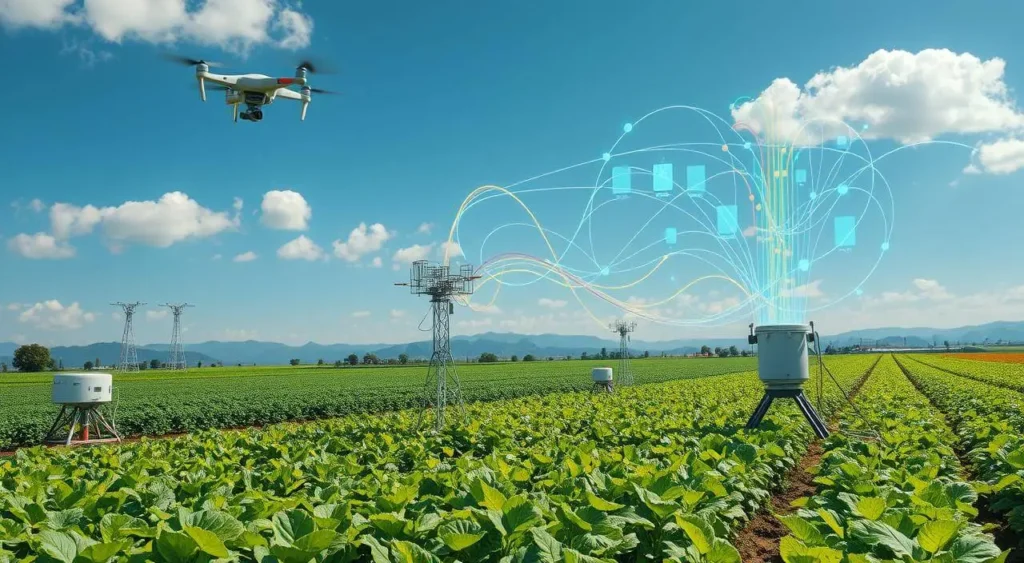
Powered by Pinaki IT Hub – Turning Data into Decisions for aSustainable TomorrowThe 21st century’s biggest challenge isn’t just about technology — it’s about survival. As climate change accelerates, the world faces more unpredictable weather patterns, extreme heat waves, energy shortages, and food insecurity. But here’s the good news — Artificial Intelligence (AI) is emerging as one of the most powerful tools to fight back. Through predictive analytics, machine learning, and real-time data insights, AI is helping us understand, adapt to, and even reverse some effects of climate change. In this blog, we’ll explore: ✅ How AI predicts weather and natural disasters more accurately than ever.✅ How it helps reduce energy waste and improve renewable energy use.✅ How AI supports agriculture and boosts crop productivity.✅ Why AI for Climate Intelligence is one of the most in-demand fields in coming year..✅ And how Pinaki IT Hub can help you build a career in this fast-growing area Why AI is Key to Tackling ClimateChange Introduction: The Complexity of Climate Systems Climate change stands as the defining challenge of the 21st century. It is not just an environmental issue—it’s a social, economic, and humanitarian crisis that affects every aspect of life on Earth. The global rise in temperatures, melting ice caps, rising sea levels, and the increasing frequency of extreme weather events are warning signs that humanity must act decisively and intelligently to protect the planet. However, the Earth’s climate system is extraordinarily complex. It involves billions of data points constantly interacting—temperature shifts, ocean currents, atmospheric pressure variations, soil moisture, greenhouse gas concentrations, and countless other variables. Understanding how these factors influence one another and forecasting how they will behave in the future is a monumental scientific challenge. Traditional models and human analysis alone cannot handle the scale of this data. The sheer volume and speed of global climate information are far beyond what conventional computing or manual analysis can manage efficiently. This is where Artificial Intelligence (AI) becomes a transformative tool—capable of processing, interpreting, and predicting complex climate patterns with unprecedented accuracy and speed. AI: The New Force in Climate Science Artificial Intelligence, particularly through Machine Learning (ML) and Deep Learning (DL), can identify hidden relationships within massive datasets. Instead of programming rules manually, AI learns from data itself—making it ideal for understanding dynamic and nonlinear systems like the Earth’s climate. AI-driven climate models can process decades of satellite, oceanographic, and meteorological data in a fraction of the time it would take traditional systems. These models can: ● Detect early signs of extreme weather events like cyclones, droughts, and heatwaves.● Predict long-term climate trends, including rainfall variability, glacier melting, and rising sea levels.● Optimize energy consumption by forecasting electricity demand.● Help farmers and policymakers make informed, sustainable decisions. AI doesn’t just describe the current state of the planet—it can simulate future conditions,test different scenarios, and recommend solutions to mitigate environmental damage. AI in Extreme Weather Forecasting One of the most powerful real-world applications of AI in climate management is extreme weather prediction. Traditional weather forecasting models rely heavily on physics-based equations and historical data but struggle with accuracy when predicting rapid, localized events. AI, however, thrives in such complex environments. By learning from millions of historical weather patterns, satellite images, and atmospheric readings, AI systems can identify subtle precursors to major events. For example: ● Google’s DeepMind has developed AI models capable of predicting rainfall up to 90 minutes in advance with remarkable accuracy—critical for flood-prone regions.● IBM’s Watson uses AI-driven weather analytics to forecast cyclones, hurricanes, and floods up to 10 days earlier than traditional methods, giving communities more time to prepare.● Governments and disaster management authorities are using AI tools to predict wildfire spread, analyze wind directions, and assess post-disaster damage through satellite imagery. Such predictive capabilities can save thousands of lives and prevent billions of dollars in economic losses by enabling proactive disaster response. AI and Energy Optimization Energy production and consumption lie at the heart of the climate crisis. Fossil fuels still power much of the world, releasing enormous amounts of carbon dioxide and methane into the atmosphere. Transitioning to renewable energy is vital—but integrating renewables into existing power grids is a challenge due to their intermittent nature (e.g., solar and windpower depend on weather conditions). AI plays a crucial role in solving this. Smart grids powered by AI can: ● Balance supply and demand in real time, ensuring efficient energy distribution.● Predict peak usage hours and adjust energy flow accordingly.● Integrate renewable sources seamlessly by forecasting solar and wind energy availability.● Reduce energy wastage and blackouts, cutting operational costs and emissions. For instance, Google applied AI to manage energy consumption in its data centers and achieved a 40% reduction in cooling energy usage, significantly lowering their carbon footprint. Similarly, AI-powered platforms like AutoGrid and FlexGen are helping utilities worldwide optimize energy distribution, predict power surges, and manage energy storage systems for cleaner, more reliable electricity. AI in Agriculture and Food Security Agriculture is both a victim and a contributor to climate change. It depends heavily on weather patterns and natural resources like water and soil, yet it also produces significant greenhouse gas emissions. As global populations rise, ensuring food security while reducing environmental impact is a delicate balance. AI technologies are reshaping modern agriculture by providing data-driven insights that enable farmers to work smarter and sustainably. Key applications include: ● Precision Farming: AI drones and sensors monitor soil quality, moisture, and nutrient levels. Machine learning models then suggest optimal planting times, irrigation schedules, and fertilizer use.● Pest and Disease Detection: AI image recognition tools can identify pest infestations or crop diseases early, helping farmers act before large-scale damage occurs.● Yield Prediction: Based on rainfall forecasts, temperature trends, and soil data, AI systems can predict yields and guide agricultural planning.● Resource Optimization: Farmers can reduce water usage and chemical dependency, improving efficiency while preserving the environment. By making farming more adaptive and efficient, AI not only safeguards food production but also reduces carbon emissions and resource waste,
Business & Startups in 2025: The New Era of Innovation
The business landscape in 2025 is witnessing a revolutionary transformation — where technology, sustainability, and human creativity are driving a new wave of growth. From AI-powered strategies to eco-conscious entrepreneurship, this is the era where agility defines success and innovation fuels expansion. Let’s dive into some of the defining shifts shaping the future of global startups and enterprises. � Remote Work 2.0 – Is Hybrid Work theFuture? Introduction: The Evolution of Work The global work environment has witnessed one of the most dramatic transformations in modern history. Before 2020, remote work was often viewed as a rare perk, offered mainly by progressive startups or technology-driven companies. Traditional businesses still believed in the necessity of physical presence, structured office hours, and face-to-facecollaboration. Then came the COVID-19 pandemic, which forced organizations to rethink everything they knew about productivity, collaboration, and the workplace itself. Millions of employees shifted overnight from bustling offices to theirdining tables and home offices, proving that business continuity was possible outside traditional spaces. What started as a crisis response has since evolved into a deliberate strategy: Remote Work 2.0 — a balanced, hybrid work model that combines the flexibility of remote work with the human connection and collaborative energy of in-office settings. This hybrid future is no longer about survival. It’s about building sustainable systems that enhance productivity, support employee well-being, and unlock operational efficiency at scale. Adoption by Industry Leaders When discussing hybrid work adoption, the role of industry giants cannot be overstated. Organizations such as Google, Microsoft, Infosys, and Accenture are not only experimenting but actively setting benchmarks for others to follow.● Flexi-office models: Employees are no longer bound to rigid 9-to-5 office schedules. Instead, they can choose how to split their workweek between home and the office. This ensures that while individuals enjoy flexibility, the company can still facilitate in-person collaboration for crucial activities like brainstorming sessions, product launches, or client negotiations.● Workplace reimagination: Offices are being restructured from rows of desks into collaborative hubs. Instead of housing employees five days a week, they are evolving into innovation spaces where teams gather intentionally to ideate, connect, and create.● Policy frameworks: These corporations have developed policies around hybrid arrangements that prioritize inclusivity, equity, and fairness. For example, ensuring remote employees have access to the same opportunities as those working in the office. By redefining workplace norms, these leaders are shaping the expectations of the global workforce. Employees increasingly view hybrid work not as a privilege, but as a standard. 2019 – 15% Adoption Before the pandemic, remote work was still a niche practice. Only about 15% of companies offered flexible or hybrid setups, and these were largely limited to tech-forward organizations or companies operating in global markets. The majority of traditional industries, from manufacturing to finance, still relied on physical presence. Remote work was viewed as an exception, often reserved for senior employees or special cases. 2021 – 48% Adoption The pandemic acted as a catalyst for change. Practically overnight, organizations worldwide had to adopt remote work to ensure business continuity. By 2021, nearly half of all organizations (48%) had some form of remote or hybrid arrangement in place. This shift accelerated digital transformation: companies invested in cloud infrastructure, virtual communication platforms, cybersecuritynframeworks, and employee monitoring systems. Suddenly, what was once considered “impossible” became the norm. Importantly, it also changed employee expectations — flexibility was no longer a perk but a requirementfor retention. 2025 – 73% Projected Adoption Looking forward, remote and hybrid work are set to become dominant models. By 2025, 73% of organizations worldwide are expected to embrace hybrid setups. This projection reflects a deeper recognition: hybrid work is not just a temporary adjustment but a strategic advantage. Companies anticipate tangible benefits such as:● Improved employee satisfaction leading to higher retention rates.● Productivity gains due to reduced commuting and greater focus.● Operational efficiency through optimized office space and reduced overheads.Hybrid work is poised to become a cornerstone of modern workplace culture, shaping how organizations attract talent, structure teams, and define success. Challenges & Considerations While hybrid work offers immense potential, it is not without challenges:● Equity of opportunities: Remote employees risk being overlooked for promotions or key assignments compared to in-office counterparts.● Cultural cohesion: Building a strong, unified workplace culture is harder when teams are distributed.● Cybersecurity risks: Remote work increases vulnerabilities, requiring robust digital security frameworks.● Burnout & boundaries: Without clear boundaries, employees often face difficulty separating work from personal life.For Remote Work 2.0 to succeed, companies must address these concerns proactively through inclusive policies, regular communication, and investment in employee well-being. Conclusion: The Future is Hybrid The journey from the emergency shift of 2020 to the refined hybrid models of 2025 reveals a profound truth: work will never go back to pre-pandemic norms. Remote Work 2.0 — the hybrid model — is here to stay, not as a compromisebut as a superior approach to balancing productivity, collaboration, and human well-being. It empowers employees with flexibility, enables organizations to cut costs and scale globally, and ensures that in-person collaboration is preserved where it matters most. By 2025, with nearly three-quarters of organizations adopting hybrid setups, we will likely look back on the pandemic as the turning point that redefined work forever. Far from losing momentum, hybrid work is becoming the newglobal standard — the future of work itself. Green Tech Startups – Building aSustainable Future Introduction: The Rise of Green Innovation The global conversation around climate change, resource depletion, and environmental degradation has reached a tipping point. From governments to consumers, there is an urgent demand for solutions that not only reduce harm to the planet but also reimagine how businesses operate in a sustainable way. Enter Green Tech startups — young, agile companies that are reshaping industries by embedding sustainability at the heart of innovation. Unlike traditional corporations that often retrofit eco-friendly measures into existing systems, these startups are born green. Their very business models are designed around renewable energy, resource efficiency, waste reduction, and carbon neutrality. The emergence of this ecosystem
Navigating the Skills Gap in IT
Powered by Pinaki IT Hub – Building the Next Generation of TechLeaders. Technology has always been the backbone of progress. But in 2025, we’re facing a paradox: 📌 Businesses are investing billions in AI, cloud, cybersecurity, and data. 📌 Yet, millions of jobs are going unfilled because professionals don’t have the right skills. This is what experts call the IT Skills Gap — and it’s not just a buzzword, it’s the biggest challenge of the digital era. In this blog, we’ll explore: By the end, you’ll have a crystal-clear roadmap to thrive in the evolving tech landscape. What is the IT Skills Gap? The IT skills gap is one of the biggest challenges facing the global economy in 2025. At its core, the gap represents a disconnect between supply and demand: ● What businesses require → advanced, specialized, and constantly evolving technical skills to drive growth, security, and innovation.● What professionals currently possess → often outdated, fragmented, or purely theoretical knowledge, lacking hands-on experience and modern industry exposure. This mismatch creates a bottleneck where jobs exist, but skilled people don’t. 🔎 A Simple Example Imagine a bank in 2025: ● It wants to deploy an AI-powered fraud detection system that monitorstransactions in real-time.● The system must not only detect anomalies but also comply with global data protection laws (like GDPR in Europe, DPDPA in India, and AI Act in the EU).● The bank posts a job opening for AI Engineers with knowledge of Machine Learning + AI Ethics + Data Governance. 📌 Here’s the reality:● Thousands of Computer Science graduates apply.● Most know basic Python or Java.● But only a tiny fraction understands how to:○ Train bias-free ML models.○ Handle cross-border data privacy rules.○ Integrate AI into live financial systems. 👉 Result: ● The vacancy remains open for months.● Project deadlines get delayed.● Competitors with the right talent gain an edge. This is the IT Skills Gap in action — not a shortage of people, but a shortage of the right skills.📊 Global Snapshot (2025)The IT skills gap isn’t limited to one country — it’s a worldwide crisis:● 76% of CEOs in 2025 admit they are struggling to hire the right IT talent (PwC Global CEO Survey). ● The World Economic Forum (2025) estimates that the global IT skills shortage costs businesses a staggering $8.5 trillion in lost revenue every year — through stalled projects, inefficiencies, and cybersecurity risks.● In India, long known as the “IT outsourcing hub,” the issue is even sharper. Despite producing 1.5 million engineering graduates every year, studies show that 42% of graduates are unemployable for advanced IT roles due to outdated curriculums, poor practical training, and lack of exposure to global best practices. 🌍 Regional Breakdown● United States → Facing severe shortages in cybersecurity experts. Over 500,000 cybersecurity jobs remain vacant (CyberSeek 2025).● Europe → Struggling with compliance-focused roles such as AI Ethics Officers and Data Governance Specialists, especially after the implementation of the EU AI Act.● Asia-Pacific (APAC) → Countries like India and the Philippines have a huge supply of IT graduates but a lack of specialization in AI, Cloud, and advanced DevOps.● Middle East & Africa → Governments are investing heavily in smart cities and digital transformation, but a lack of skilled cloud architects and AI engineers slows down implementation. 🛑 Why Does It Matter? The IT skills gap isn’t just an HR problem — it has serious consequences: Global Inequality → Countries with skilled workforces surge ahead, while others fall behind in the digital economy. Delayed Projects → Businesses cannot launch new products or services on time. Higher Costs → Companies pay premium salaries to a small pool of skilled professionals. Security Risks → A lack of cybersecurity experts leaves organizations vulnerable to attacks. Lost Innovation → Startups and enterprises miss out on adopting cutting-edge tools like AI, blockchain, or quantum computing. 💡The problem isn’t the number of people entering the IT job market. In fact, millions graduate every year. The real problem is that their skills don’t match industry needs. This means companies remain talent-starved, and graduates remain jobless — creating a lose-lose situation for both.👉 In short: The IT skills gap is the silent crisis of 2025 — and solving it requires urgent upskilling, re-skilling, and industry-relevant training. Why is the Skills Gap Widening in 2025? If the IT skills gap was already a problem in the 2010s, by 2025 it has become a global emergency.The speed of change in technology is outpacing the speed of learning, and this is creating an ever-widening chasm between what businesses need and what professionals can deliver. Let’s break down the five major reasons why the gap is worse than ever before: a) Rapid Tech Evolution – The World Can’t Keep Up Technology in 2025 doesn’t evolve yearly — it evolves quarterly or even monthly. ● AI (Artificial Intelligence): In 2022, ChatGPT shook the world. By 2025, generative AI models, multimodal systems, and domain-specific AI assistants are everywhere — from healthcare to finance. Yet, very few professionals know how to fine-tune AI models, manage bias, or integrate them into enterprise systems responsibly. ● Cloud Computing: Cloud migration was once optional, now it’s survival. Enterprises are going multi-cloud (AWS + Azure + GCP) and demanding DevOps + security + compliance knowledge from cloud engineers. ● Cybersecurity: The rise in AI-driven cyberattacks and deepfake scams requires specialists in Zero Trust Architecture, Ethical Hacking, and Cyber Forensics. ● Blockchain & Web3: Beyond cryptocurrency, blockchain is powering digital identity, supply chain traceability, and healthcare data security. ● Quantum Computing: Still emerging, but even basic knowledge of quantum algorithms is becoming valuable in finance and pharma industries. 📌 The Problem:Traditional universities cannot keep pace. By the time a syllabus is designed, approved, and taught, the industry has already moved 2–3 steps ahead. 👉 Example: Many Indian engineering colleges are still teaching C, C++, and outdated Java frameworks as core subjects, while companies now want Python, TensorFlow, Kubernetes, and Generative AI deployment skills. Result: Students graduate with outdated knowledge
Digital Health Transformation in 2025: WhereTechnology Meets Humanity
Introduction: The Digital Pulse of Healthcare Welcome to 2025 — a time when technology has evolved from being a support system in healthcare to becoming its very backbone. From telehealth consultations replacing clinic queues to wearable devices predicting heart attacks before they occur, we are witnessing a complete digital revolution in healthcare. This transformation, often referred to as Digital Health Transformation, is the strategic integration of digital technologies to enhance healthcare delivery, access, and outcomes. But it isn’t just about tools and apps. It’s about empowering patients, enhancing doctor capabilities, reducing healthcare costs, and making health systems resilient. In this blog, we’ll explore how and why digital health is booming in 2025, the key technologies driving this change, the global market demand, ethical concerns, and how future-ready professionals can ride this wave. What is Digital Health Transformation? Digital Health Transformation refers to the comprehensive adoption and integration ofdigital tools into healthcare systems and services. This includes:● Telehealth & Virtual Care● Mobile Health Apps (mHealth)● Wearable Tech & Remote Monitoring Devices● Artificial Intelligence (AI) & Machine Learning (ML)● Electronic Health Records (EHRs) & Cloud Infrastructure● IoT in Healthcare (IoMT)● Blockchain for Health Data Security● Digital Therapeutics (DTx)● Health Analytics & Predictive ModelingThe aim? To enhance patient engagement, reduce operational inefficiencies, support data-driven decisions, and make healthcare more accessible, personalized, and cost-effective. Why is Digital Health Growing So Rapidly in 2025? 1. Post-COVID Digital Mindset ShiftThe COVID-19 pandemic rewired the global mindset. Both patients and providers now see digital-first care as the default, not the alternative. In India alone, telehealth consultations rose from 3 million in 2019 to over 300 million in 2024. 2. Chronic Disease EpidemicOver 60% of global deaths are due to chronic conditions like diabetes, heart disease, and cancer. Digital tools enable real-time monitoring, preventive care, and behavioral nudges to manage such diseases proactively. 3. Aging Population & Healthcare Worker ShortageBy 2025, nearly 25% of the population in Europe and Japan is over 60. Simultaneously, there’s a global shortage of doctors and nurses. Digital systems help scale care delivery via AI triage bots, tele-nursing, and remote diagnostics. 4. Data as the New VaccineFrom personal genomics to hospital-level patient analytics, data is enabling more precise, predictive, and preventive healthcare. This data-centric approach is revolutionizing diagnosis, treatment, and population health management. 5. Consumer-Led HealthcareIn 2025, people expect to manage their health like they manage their bank accounts — mobile-first, personalized, and on-demand. This ‘consumerization’ of healthcare is accelerating the need for smarter digital services. Global Market Demand and Industry Trends Market Size Projections:● Global digital health market will hit $660+ billion by end of 2025● Wearable health tech will exceed $175 billion● Global telemedicine market will surpass $220 billion Who’s Driving the Demand? ● Governments: Public health agencies are digitizing national healthcare records, pandemic response systems, and universal access tools (e.g., India’s ABDM)● Startups: HealthTech is one of the hottest verticals for investment, with $24B raised globally in 2024● Big Tech: Google, Apple, Amazon, and Microsoft are all building healthcare arms● Hospitals: Transitioning to smart hospital ecosystems with connected devices and cloud-based EHRs Cross-Industry Synergies:● Retail + Health: Pharmacies offer virtual clinics (e.g., 1mg, CVS Health)● Fitness + Health: Devices like Fitbit, WHOOP, and Apple Watch detect AFib and sleep apnea● Insurance + Health: Usage-based insurance linked to activity and heart rate Key Technologies Transforming Healthcare in 2025 The healthcare industry is undergoing a dramatic evolution, driven by emerging technologies that not only improve patient outcomes but also enhance healthcare efficiency, accessibility, and personalization. Let’s delve deeper into each transformative technology reshaping modern healthcare: 1. Telehealth: Healthcare Beyond BoundariesWhat It Is: Telehealth enables remote consultations using digital communication tools such as video calls, messaging, and integrated patient portals. How It Works: ● Patients book virtual appointments through platforms like Practo, Teladoc Health, Microsoft Teams Healthcare, or national telehealth portals.● Doctors can evaluate symptoms, offer prescriptions, and conduct follow-ups — all from their homes or clinics.● Integration with electronic medical records (EMRs) allows seamless access to patient history.Current Usage in 2025:● Over 70% of outpatient visits in Tier 2 and Tier 3 cities are conducted virtually.● Rural India has witnessed over 3x increase in teleconsultations post-integration with the Ayushman Bharat Digital Mission (ABDM).● In the West, AI triage bots pre-screen patients before connecting them to live physicians.Key Benefits:● Reduces hospital burden and patient wait times.● Provides access to healthcare in remote or underserved regions.● Cost-effective for both providers and patients. 2. AI in Diagnosis & Decision Support: AugmentedIntelligence for Faster Care What It Is: Artificial Intelligence (AI) systems are trained to detect diseases, analyzepatterns, and assist doctors with evidence-based recommendations.Applications in 2025: ● Radiology: AI models scan X-rays, MRIs, and CT scans to identify conditions like lung cancer, pneumonia, brain tumors, etc., with high accuracy.● Dermatology & Ophthalmology: Tools like Google’s DeepMind help detect diabetic retinopathy and skin cancers.●Voice & NLP-based Diagnostics: AI listens to cough patterns or speech changes to detect diseases like Parkinson’s or COVID-related complications.Benefits:● Enables early diagnosis even before symptoms escalate.● Reduces misdiagnosis and supports clinical decision-making.● Works as a virtual assistant for overburdened doctors, especially in emergency triage and radiology. 3. Wearables & IoMT (Internet of Medical Things):Always-On Health Tracking What It Is: Smart health devices that continuously monitor and transmit real-time data to doctors, caregivers, or cloud systems. Popular Devices in 2025: ● Smartwatches (Apple Watch, Fitbit Sense, Galaxy Watch): Track heart rate, ECG, blood oxygen, sleep, and stress levels.● Glucose Monitors (Dexcom G7, FreeStyle Libre 3): Offer continuous glucose monitoring without finger pricks.●Smart Inhalers: Monitor asthma triggers and medication usage.● ECG patches and BP cuffs connected to mobile apps. How It Works: ● These devices collect data and sync with cloud databases or mobile apps.● Alerts are sent to doctors in case of abnormalities.Benefits:● Supports chronic care management (diabetes, hypertension, COPD).● Encourages preventive health by catching issues early.● Integrates with AI models for predictive analytics. 4. Cloud & Interoperability: Making Patient DataSeamless and Secure What It Is: Storing and sharing patient data across healthcare
Introduction: Navigating the Dawn of the Metaverse Era
In recent years, the concept of the metaverse has emerged from the pages of science fiction and speculative fiction to become a tangible force shaping the future of digital experiences. Once a niche term known mostly to gamers and tech enthusiasts, the metaverse now represents a broad and ambitious vision: a persistent, immersive digital universe where people can work, play, socialize, and engage with content in entirely new ways. Enabled by advanced technologies like virtual reality (VR), augmented reality (AR), extended reality (XR), and blockchain, the metaverse is transforming how we interact with digital environments—bringing immersive and interactive experiences into the mainstream. The term “metaverse” was popularized by author Neal Stephenson in his 1992 novel Snow Crash, where he imagined a virtual space parallel to the physical world. Fast forward to the early 2000s, platforms like Second Life and World of Warcraft began to build online environments that mimicked aspects of the real world. However, these were largely closed, game-centric systems. The real breakthrough came with the convergence of high-speed connectivity, realistic 3D rendering, decentralized systems, and wearable computing—making it possible to create persistent, interoperable digital spaces that users can inhabit and customize. Initially rooted in the gaming industry, the metaverse is now expanding across multiple sectors. Enterprises are creating virtual workspaces that support collaboration beyond the constraints of physical offices. Retailers are launching 3D virtual storefronts, allowing consumers to engage with products in novel ways. Artists and content creators are building and selling NFTs (non-fungible tokens) that represent ownership of digital assets. Even governments are exploring virtual spaces for civic engagement and public services. These developments signal a shift from metaverse as entertainment to metaverse as infrastructure. At the heart of this transformation is the fusion of immersive technology and decentralization. Devices such as Meta Quest headsets or Microsoft HoloLens allow users to step into virtual environments with lifelike realism, while blockchain ensures verifiable ownership, provenance, and decentralized governance. Meanwhile, AI enhances avatars, virtual assistants, and generative content, making digital interactions more human-like and scalable. The layering of these technologies has created the conditions for what some call the “next evolution of the internet”—a shift from 2D browsing to 3D living. As organizations look toward the future, the metaverse represents a new frontier in digital transformation. It challenges companies to rethink how they operate, how they connect with customers, and how they design products and services. It also brings forth new business models, from virtual real estate and digital fashion to immersive education and remote surgeries. These opportunities, however, are not without challenges: ensuring privacy, building ethical frameworks, and preventing digital inequality will be just as critical as technological innovation. This blog will explore the rise of the metaverse through multiple lenses: from the transformation of hybrid work environments to innovations in e-commerce, education, and entertainment. It will also examine the underlying technologies driving these changes, the security and governance challenges, and the strategic implications for businesses, governments, and users alike. As we enter this new digital age, understanding the metaverse isn’t just about keeping up with trends—it’s about preparing for a paradigm shift in how we live, work, and interact in both the virtual and physical worlds. 1. Hybrid Work Environments in the Metaverse The global shift toward hybrid work—accelerated by the COVID-19 pandemic—has led to profound changes in how organizations think about collaboration, productivity, and workplace infrastructure. With remote and distributed workforces becoming the norm, the metaverse presents an evolutionary leap in hybrid work, transforming flat video calls and static collaboration tools into interactive, immersive environments that better replicate physical office dynamics. Hybrid work in the metaverse doesn’t just connect people; it reimagines how people connect. Virtual Office Spaces: New Frontiers of Collaboration Traditional video conferencing tools like Zoom and Microsoft Teams have proven invaluable in maintaining continuity, but they fall short in fostering spontaneity, engagement, and presence—key aspects of the in-person office. Enter the metaverse: a persistent, shared digital space where employees can work, collaborate, and interact through avatars in 3D virtual environments. Two leading examples: Other platforms like Spatial, Virbela, and Gather.town are also gaining popularity for creating metaverse-style workspaces accessible via browsers or headsets, catering to teams that want more than Slack channels and Zoom links. Benefits of Metaverse-Enabled Hybrid Work The metaverse offers a number of strategic and operational benefits for organizations embracing hybrid work models: Challenges to Adoption and Scalability Despite the potential, several hurdles must be overcome before metaverse workspaces become mainstream: Case Studies: Companies Embracing Metaverse Workspaces Several organizations and institutions are already exploring how metaverse platforms can enhance or supplement hybrid work: The Future of Work: Persistent, Personalized, and Immersive The metaverse will not replace every aspect of physical office life, nor will it render all remote collaboration tools obsolete. Instead, it will complement and enhance hybrid work, enabling more meaningful, flexible, and inclusive experiences. As metaverse technologies mature and become more affordable, we can expect them to become standard elements in enterprise tech stacks—much like video conferencing did post-2020. To prepare for this future, organizations should begin by: The metaverse offers a vision of work where distance no longer limits collaboration and digital presence feels almost physical. While challenges remain, the potential to reshape work culture, employee experience, and organizational agility is immense. 2. E-Commerce and Virtual Shopping The landscape of commerce has undergone significant transformation over the past two decades. From traditional brick-and-mortar retail to the convenience of online marketplaces like Amazon and Alibaba, shopping has progressively moved into the digital sphere. Yet, the next major shift in this evolution is being driven by the metaverse—a convergence of immersive technologies and decentralized systems that allow for new types of consumer experiences. Virtual shopping and e-commerce in the metaverse are no longer experimental concepts; they are rapidly becoming essential strategies for brand engagement, customer loyalty, and digital revenue generation. The Rise of Immersive Shopping Experiences In the metaverse, shopping is not just transactional—it’s experiential. Rather than scrolling through a flat webpage or clicking through product thumbnails, users
Blockchain and Its Potential Beyond Cryptocurrencies:

1. Introduction to Blockchain Technology In the last decade, one of the most groundbreaking and widely discussed technologies has been blockchain. While it first entered the public consciousness as the foundation for Bitcoin and other cryptocurrencies, blockchain has since evolved into a transformative force poised to revolutionize numerous industries far beyond digital currency. At its core, blockchain is a decentralized digital ledger technology that securely records transactions across a network of computers. Unlike traditional databases, which are typically stored on a central server and maintained by a single authority, a blockchain is distributed and immutable. Every participant in the network (referred to as a “node”) maintains a copy of the entire ledger, and once a transaction is recorded, it cannot be altered or deleted without consensus across the network. This decentralization and immutability make blockchain inherently secure, transparent, and resistant to fraud, characteristics that are increasingly valuable in a world where data manipulation, identity theft, and systemic inefficiencies are common problems in both public and private sectors. What Is Blockchain, Really? Blockchain can be thought of as a continuously growing chain of records, called “blocks,” that are linked and secured using cryptographic principles. Each block contains: This chaining of blocks together ensures that the entire transaction history is traceable and tamper-proof. Even if a single piece of data in a previous block is changed, it invalidates all subsequent blocks unless the change is validated by the network — an almost impossible feat in large, well-secured networks. This design makes blockchain particularly attractive for applications that require a high degree of data integrity and security, such as finance, healthcare, supply chains, voting systems, and more. The Genesis: Blockchain and Bitcoin Blockchain technology was first conceptualized by Satoshi Nakamoto in 2008 as the underlying infrastructure for Bitcoin. The aim was to create a peer-to-peer electronic cash system that did not rely on central authorities like banks. Bitcoin’s blockchain maintained a public ledger of all transactions, where ownership of coins could be tracked without revealing user identities. Bitcoin showcased the power of blockchain as a trustless system — that is, a system where trust is distributed among participants, and where integrity is enforced not by central authorities but by cryptographic consensus mechanisms such as Proof of Work (PoW). Since then, blockchain technology has evolved to support many other cryptocurrencies and platforms, such as Ethereum, which introduced smart contracts — self-executing agreements coded into the blockchain. This development opened the door to more complex applications and led to the emergence of blockchain 2.0, where the focus shifted from digital currencies to programmable value systems. Beyond the Crypto Craze: A Foundation for Digital Trust While cryptocurrency remains a high-profile application of blockchain, the true value of this technology lies in its ability to establish trust in digital environments. In sectors plagued by inefficiencies, corruption, data breaches, or lack of transparency, blockchain can serve as a trust-enhancing infrastructure. Some of the inherent qualities of blockchain that make it uniquely valuable include: These characteristics position blockchain as a powerful tool for reimagining how trust and value are managed in digital systems. Blockchain Types: Public, Private, and Hybrid To understand blockchain’s versatility, it’s essential to differentiate between the various types of blockchains: Each type of blockchain serves different needs, making the technology applicable across a wide range of use cases and industries. Blockchain as an Enabler of the Next Digital Revolution Much like how the internet transformed how we access and share information, blockchain is revolutionizing how we handle trust, value, and data. From enabling peer-to-peer lending without banks to securing supply chains and creating digital identities, blockchain’s potential is vast. What sets blockchain apart from previous technologies is its promise to eliminate intermediaries in transactions and processes. By removing the need for a central authority, blockchain empowers individuals and organizations to interact directly with greater security, efficiency, and transparency. For instance, imagine a world where: These are not far-fetched fantasies — they are already being tested and, in some cases, implemented in real-world pilots and enterprise use cases. Conclusion to the Introduction The rise of blockchain technology marks a paradigm shift in how we conceptualize trust, ownership, and digital transactions. Although it is often synonymous with cryptocurrencies like Bitcoin, blockchain’s underlying architecture holds far greater potential. As we move forward, it’s clear that this technology is poised to redefine everything from supply chain logistics to public governance. This blog will explore how blockchain is making strides beyond cryptocurrencies, improving transparency, automating systems, securing digital interactions, and reshaping industries through decentralized innovation. We’ll also examine how IT companies are integrating blockchain into their ecosystems and address the challenges and regulatory hurdles on the road to mass adoption. Up next: Blockchain Use Cases Beyond Bitcoin. Would you like me to continue with the next section right away? 2. Blockchain Use Cases Beyond Bitcoin While blockchain’s first major breakthrough came through Bitcoin, the technology’s versatility has propelled its adoption into many industries far beyond the realm of cryptocurrency. Today, blockchain is being recognized not just as a financial tool but as a transformative infrastructure that can solve age-old challenges related to trust, transparency, security, and efficiency. Here, we explore a variety of use cases where blockchain is already making waves or has the potential to reshape entire systems. 1. Supply Chain Management Supply chains are inherently complex, often involving multiple parties — manufacturers, logistics providers, retailers, and regulators — each of whom relies on accurate and timely information. Traditional systems for managing supply chains often lack transparency and are susceptible to fraud, inefficiencies, and bottlenecks. How Blockchain Helps: Real Example: Walmart, in partnership with IBM’s Hyperledger Fabric, uses blockchain to track the origin of food products. They were able to reduce the time it took to trace mangoes from 7 days to just 2.2 seconds — a game-changer in food safety and recalls. 2. Voting Systems and Digital Democracy One of the most talked-about use cases is blockchain’s potential to secure democratic processes. Voting systems around the world are