Future of Data Science Transforming Businesses with IT Technology Integration

We discuss the Future of Data Science Transforming Businesses with IT Technology Integration. Data is often referred to as the new oil, and for a good reason. In today’s hyper-connected world, businesses generate, store, and Consider very large amounts of Data daily. Data, when processed correctly, holds the key to better decision-making, enhanced efficiency, and breakthrough innovations. Amid this data revolution, Data Science has emerged as the backbone of Digital Transformation, enabling companies to uncover hidden patterns, predict future trends, and automate processes. From forecast customer behavior to building personalized experiences, Data Science is no longer confined to tech giants. It is now a critical tool for businesses across industries. However, the future of Data Science is even more promising, driven by rapid advancements in AI, machine learning, and IT Technologies. This blog will delve into how Data Science is shaping the future, how businesses are utilizing it today, and how its integration with IT Technologies like cloud computing, Lot, and cybersecurity is creating new possibilities. While Data Science offers immense opportunities, it also brings challenges such as ethical dilemmas, skill shortages, and the need to manage vast, complex datasets. Understanding how to navigate these hurdles is critical for businesses to fully harness its transformative potential. Future of Data Science Transforming Businesses with IT Technology Integration Future of Data Science Trends and Predictions 1. Emerging Technologies in Data Science The next decade will redefine Data Science, as emerging Technologies are set to revolutionize how data is processed and utilized. Artificial Intelligence (AI) and Machine Learning (ML) are expected to play a dominant role in automating complex data analyses, making insights available faster and more accurately. Moreover, quantum computing, with its ability to handle computations at an unparalleled speed, will empower businesses to Consider massive datasets that were previously impossible to process. Real-time analytics and edge computing are also on the rise, allowing businesses to process and Consider data as it’s generated. This is particularly crucial for applications requiring instantaneous insights, such as autonomous vehicles, financial trading systems, and real-time fraud detection in banking. These Technologies are setting the stage for a Data Science revolution, ensuring that insights are not just retrospective but predictive and actionable. AI-Powered Data Science As Artificial Intelligence advances, it’s becoming deeply embedded in Data Science processes. Machine Learning (ML) models are automating repetitive tasks, such as data cleaning and feature selection, while deep learning algorithms are extracting complex patterns from unstructured data. Example Scenario A financial institution uses AI-driven predictive analytics to detect fraud in real time. By analyzing historical transaction data, the system identifies patterns that indicate fraudulent behavior, such as unusual spending habits or transactions from different geolocations within short timeframes. 2. Key Trends to Watch Democratization of Data Science User-friendly tools and platforms, such as no-code and AutoML solutions, are empowering non-technical professionals to harness Data Science, making it more accessible across organizational levels. Natural Language Processing (NLP) Conversational AI and chatbots are evolving, enabling businesses to derive insights from unstructured data like text and voice with greater accuracy. Ethical AI As AI adoption grows, there’s an increasing focus on transparency, fairness, and mitigating biases in data-driven decision-making. Real-Time Analytics and Edge Computing Businesses are shifting from retrospective Data Analysis to Real-Time decision-making. With edge computing, data can be processed close to its source, reducing latency and enabling immediate action. Example Scenario In the healthcare industry, Lot-enabled devices monitor patients’ vital signs and use real-time analytics to alert doctors if anomalies, like irregular heart rates or oxygen levels, are detected. Industry-Specific Impacts The future of Data Science will profoundly impact various sectors in_ Example Scenario A pharmaceutical company uses quantum computing to Consider millions of chemical compounds simultaneously, identifying the most promising candidates for drug development in days instead of years. How Data Science is Effective for Businesses Today 1. Improving Decision-Making One of the most significant benefits of Data Science is its ability to Improve Decision-Making. Businesses rely on predictive models to forecast trends, customer behavior, and potential risks. For example, airlines use Data Science to optimize ticket pricing, ensuring profitability while remaining competitive. Retailers Consider purchasing patterns to stock inventory effectively, reducing waste and meeting customer demands promptly. Supply chain management is one of the most critical areas for businesses, and Data Science is making it smarter. Example Scenario Amazon, a global e-commerce giant, uses Data Science to predict demand for products based on customer purchasing trends, seasonal variations, and market conditions. These predictions allow the company to stock warehouses efficiently, reducing delivery times and logistics costs. 2. Enhancing Operational Efficiency Data Science has redefined how businesses operate by automating routine processes and optimizing workflows. For instance, logistics companies use predictive analytics to plan delivery routes, reducing fuel costs and improving delivery times. In manufacturing, Data Science helps predict machinery maintenance needs, preventing downtime and costly repairs. Data Science enables businesses to deliver personalized experiences, increasing customer satisfaction and loyalty. Example Scenario Netflix Considers viewing history, ratings, and user preferences to recommend content tailored to individual users. This personalized approach keeps viewers engaged and reduces churn rates. 3. Enabling Personalization in Marketing Understanding customer preferences is vital for modern businesses, and Data Science plays a pivotal role in this. By analyzing browsing behavior, purchase history, and even social media activity, companies can create highly targeted marketing campaigns. Companies like Netflix and Spotify use advanced recommendation algorithms to enhance user experiences, driving engagement and loyalty. Marketing strategies are now heavily data-driven, thanks to advanced analytics. Example Scenario A cosmetics brand uses Data Science to Consider social media trends and customer feedback. By identifying popular products and sentiments, they craft targeted ad campaigns, resulting in a 30% increase in engagement and sales. 4. Driving Innovation Data Science isn’t just about optimization; it’s also a powerful tool for Innovation. Companies use data to identify unmet market needs, test new products, and refine services. For instance, the automotive industry uses Data Science to develop smarter, safer vehicles equipped with AI-Driven features like self-parking and
How AI System can be Trained to enable Automatic Cyber Threat Detection

In the fast-paced digital world, Cybersecurity has become one of the most critical concerns for organizations and individuals alike. Every moment, Cybercriminals are launching Sophisticated Attacks Phishing scams, Ransomware, and Zero-day exploits_that can compromise sensitive data and disrupt entire systems. Reports indicate that Cybercrime costs globally are projected to hit $10.5 trillion annually by 2025, making it one of the largest economic Threats in the modern era with businesses expanding their digital footprints and individuals relying more on online services, the stakes have never been higher.In this How AI System can be Trained to enable Automatic Cyber Threat Detection_ Cybersecurity landscape is evolving, but unfortunately, so are the methods of attackers. Traditional defense mechanisms, such as firewalls and rule-based systems, struggle to cope with the sheer volume and complexity of modern Cyber Threats. These legacy systems rely on pre-defined signatures and rules, which are effective only for known Threats. They falter when facing zero-day vulnerabilities or Advanced Persistent Threats (APTs), where malicious actors exploit unknown weaknesses or use subtle, hard-to-Detect techniques. This results in delayed responses, increased breaches, and an ever-growing gap between attackers and defenders. Artificial Intelligence (AI) is emerging as a transformative force in the fight against Cyber Threats. Unlike traditional methods, AI systems can Analyze massive volumes of data, identify anomalies, and predict malicious behavioral at lightning speed. By training AI with advanced Algorithms and feeding it diverse datasets, it becomes capable of automatic Cyber threat detection. This innovation doesn’t just stop at detecting threats_ it can adapt to evolving attack patterns, making it a proactive defender in the Cybersecurity arena. AI systems are trained for this purpose, exploring the step-by-step processes involved in collecting data, designing algorithms, and testing models. We also examine real-world applications is such as intrusion Detection, Malware Analysis, and Predictive threat Intelligence. Finally, we discuss the challenges that come with training AI for Cybersecurity and the promising future of this cutting-edge technology with AI leading the charge, the future of Cybersecurity is not just about survivalist’s about building a robust digital defense system that outpaces attackers at every turn. How AI is Trained for Cyber Threat Detection Training AI systems for automatic Cyber threat detection is a multistep process that involves data collection, Algorithm selection, feature Engineering, Model Training, and Testing. Each of these steps plays a crucial role in ensuring that AI systems can effectively identify malicious activity while minimizing false alarms_ 1. Data Collection and Preprocessing AI systems rely heavily on Data to learn and make decisions. In Cybersecurity, this Data can come from various sources, including_ Once data is Collected, it must be Preprocessed to remove irrelevant or noisy information. This includes cleaning up Data, normalizing values, and labeling it appropriately. Labeled data (such as marking certain actions as benign or malicious) is especially important for Supervised Learning, where AI models learn from past examples of Cyber Threats. 2. Algorithm Selection The heart of AI systems lies in the Algorithms that power them. In Cybersecurity, several types of Algorithms are commonly used to Detect Cyber threats_ 3. Feature Engineering Feature Engineering involves extracting meaningful characteristics (or “features”) from raw data that the AI model can use to make decisions. For example_ 4. Model Training and Testing Real World Scenario Performance, a good AI system should be able to Detect threats with a high level of accuracy while minimizing false positives. The Increasing Need for AI in Cybersecurity The Growing Threat Landscape Cyberattacks are no longer limited to simple malware infections or phishing schemes. Hackers have become more advanced, using sophisticated techniques like Ransomware, Advanced Persistent Threats (APTs), and Zeroday exploits to target ritical infrastructure, steal sensitive data, and cause widespread damage. These evolving Threats are outpacing traditional security measures, which rely on static rules and predefined signatures. The global cost of Cybercrime is estimated to reach $10 trillion by 2025, underlining the urgent need for more advanced and adaptive security solutions. Challenges with Traditional Cybersecurity Systems Traditional Cybersecurity systems, such as signature based Detection and rulebased firewalls, are becoming increasingly ineffective against new and unknown Threats. These systems rely on a predefined set of rules to identify known attack signatures. While this works for familiar Threats, it cannot Detect novel or sophisticated Attacks that do not match existing patterns. As the Digital landscape grows, Traditional systems struggle with scalability, often producing a high number of false positives or missing complex Attacks. AI, offers a gamechanging solution by leveraging Machine Learning and Data Analytics to detect and mitigate these new, unknown, and evolving threats. Unlike traditional methods, AI can continuously learn from vast Datasets, adapt to new attack techniques, and provide realtime defense mechanisms. Intrusion Detection Systems (IDS) AI powered IDS can monitor network traffic in real time and Detect suspicious activities. By Analyzing Data packets, connection attempts, and communication patterns, AI can flag potential intrusions, alert security teams, and take Automated actions such as blocking the Attack or isolating the affected system. Applications of AI in Cyber Threat Detection Malware Detection and Analysis AI systems can Analyze files and applications to identify Malware based on their behavior rather than relying on known virus signatures. Machine Learning algorithms can learn the typical behavior of files and processes, then flag anomalies that might indicate the presence of Malware, even if the Malware is a new or previously unknown variant. User and Entity Behavior Analytics (UEBA) UEBA systems use AI to establish baseline Behavior profiles for Users and Entities within a network. Any deviation from this baseline_such as accessing files outside of normal working hours or transferring unusually large amounts of data_can trigger an alert. This is particularly useful for Detecting insider Threats or compromised accounts. Phishing Detection Phishing attacks, where malicious actors impersonate trusted entities to steal sensitive information, are a growing concern. AI can Detect phishing attempts by analyzing the content, style, and metadata of emails or websites, identifying signs of impersonation, and flagging potentially malicious communication before it reaches the target. Challenges in AI Based Cyber Threat Detection
How AI with Digital Marketing help our Business to Grow and Provide more Security

In present today’s world, Businesses are facing fastly changes in the Digital Space. Artificial Intelligence (AI) is no longer something optional for companies. it’s now a must have tool. With competition becoming fiercer, Businesses are using AI not only to improve their Marketing Strategies but also to secure their operations and protect customer information. AI is changing Digital Marketing in a big way. It helps companies offer highly personalized experiences to their customers while also setting up strong security systems to protect important data. In How AI with Digital Marketing help our Business to Grow and Provide more Security_ AI has great developing, many Businesses are still unsure about fully connecting it in their marketing efforts. Traditional Marketing methods are no longer enough to meet the growing challenges of scale, difficulty, and security in the digital world. Without using AI, businesses power miss out on chances to improve their Marketing Campaigns, connect better with customers, and keep their online activities safe. On top of that, the increasing number of Cyberattacks means businesses must find better ways to protect their data and online assets. How AI powered digital marketing solutions can help businesses grow while also boosting their security. From creating marketing strategies that connect with customers on a personal level to using AI for stronger protection of sensitive data, AI has the power to change the game. Businesses can use AI to stay competitive and safe in today’s challenging digital environment. Understanding the Role of AI in Digital Marketing Artificial Intelligence (AI) plays a huge role in Modern Digital Marketing. It uses Complex Algorithms, Machine Learning (ML), and Natural Language Processing (NLP) to analyze large amounts of data, forecast trends, and improve marketing strategies. AI can take over automatic tasks like Data Analysis, saving businesses time and effort. It can also look at lots of data at once, find patterns, and provide helpful understanding that allow businesses to make smarter, more informed decisions. AI, businesses can gain real-time understanding (insights) into how customers are behaving, what they want, and how they engage with different marketing campaigns. AI also helps businesses adjust their strategies quickly, ensuring they stay on track and meet their goals. AI is not limited to just one part of marketing_it can be applied across a range of areas, such as content creation, targeting ads to the right audience, managing customer relationships, and more. Benefits of AI for Business Growth in Marketing AI in Digital Marketing allows businesses to target customers more effectively, make faster, data-driven decisions, and offer a personalized experience. These capabilities not only improve marketing outcomes but also help businesses build long-term relationships with their customers. AI-Driven(Guide) Strategies for Business Growth Personalization and Customer Engagement Personalization has become a fundamental aspect of modern digital marketing With the power of AI, businesses can create personalized experiences for their customers on a larger scale. For e.g.., AI-driven recommendation systems, like those used by Netflix, Amazon and others analyze user behavior to suggest products, services, or content tailored specifically to each individual. By delivering the right content to the right person at the right time, businesses can significantly increase customer engagement and loyalty. In email marketing, AI can optimize subject lines, sending times, and content based on the preferences of individual customers. AI also enables dynamic website content, which adjusts based on each visitor’s actions and behavior. This ensures that the user experience is both seamless and engaging, encouraging visitors to interact with the content and driving conversions. Prediction Analytics for Better Marketing ROI AI’s prediction analytics capabilities offer businesses an effective way to improve Marketing Return On Investment (ROI). By analyzing past data and current trends, AI can Predict Customer behavior and identify patterns that may indicate future purchases. This insight allows businesses to direct their marketing efforts toward high-value prospects, optimizing their advertising spend. For instance, prediction analytics can identify customers who are at risk of churning, giving businesses the opportunity to engage them with targeted retention strategies before they leave. In AI-driven optimization tools can adjust bids in real time for Pay-Per-Click (PPC) campaigns, ensuring that every advertising dollar spent delivers maximum value. When combined with machine learning, predictive modeling in digital ads helps improve targeting and minimize wasted ad spend, allowing businesses to achieve better results at a lower cost. Automation in Advertising and Content Marketing AI’s role in automation is incredibly valuable for businesses looking to optimize their digital marketing efforts. By automating routine tasks such as ad scheduling, A/B testing, and content distribution, AI frees up time for businesses to focus on higher-level strategy while maintaining a constant presence in front of their audience. AI tools can even automatically adjust ads based on performance, tweaking creative elements or targeting parameters in real-time to ensure optimal engagement. An excellent e.g.. of AI-powered automation is programmatic advertising, where AI algorithms place ads in real-time, choosing the most appropriate platform, audience, and timing to achieve the greatest impact. This type of automation not only saves time but also enhances efficiency and scale, allowing businesses to reach their target audience more effectively and with greater precision. Improving Security with AI in Digital Marketing Data Security and Privacy Protection As data breaches have become more common, protecting customer information has become more important than ever. AI plays a key role in ensuring that sensitive data remains secure and that businesses comply with data protection laws, such as the General Data Protection Regulation (GDPR). AI systems can continuously monitor online transactions and customer data for any unusual activity that could indicate a potential security threat. This allows businesses to address potential problems before they become serious issues. AI can also automate tasks like encrypting data, managing who has access to it, and conducting regular audits. These efforts ensure that only authorized personnel can access sensitive information, helping to build trust with customers and maintain a company’s credibility. By keeping customer data secure, businesses are better positioned to prevent costly data breaches and keep their operations running smoothly. Fraud Detection
Is Artificial Intelligence Bright Revolution in IT Industries, Know How?
In today’s fast-advance tech landscape, Artificial Intelligence (AI) is no longer just a futuristic concept. It has become essential in reshaping the way we approach technology, particularly in the IT Industry. AI, with its ability to know, understand, and manipulate data to solve complex problems, is transforming traditional methods and setting new standards for innovation. Is Artificial Intelligence Bright Revolution in IT Industries_ AI Transformations in the IT Industry AI’s integration into IT processes brings remarkable opportunities for Automation, Accuracy, and Predictive Insights that were previously unattainable. It has already begun to impact several key areas in IT by automating routine tasks, optimizing workflows, and enabling faster, data-driven decision-making. Through AI-driven insights, businesses can achieve real-time problem-solving, minimize manual intervention, and focus on strategic growth. This technological shift allows IT professionals to move beyond routine tasks, dedicating their expertise to solving more complex issues and advancing organizational goals. Key Areas where AI Revolutionizes IT In Software Development, AI assists in Accelerating code generation, testing, and debugging. Tools like AI-powered code analyzers identify errors in real-time, enhancing productivity while reducing errors. This process not only streamlines software development but also improves quality control, ensuring products reach the market faster and with higher reliability. Real-World Examples of AI Impacting IT Several prominent IT firms have successfully integrated AI into their operations, demonstrating the tangible benefits of this technology. For instance, major tech companies utilize AI-powered Data Analytics to optimize data processing, resulting in reduced operational costs and increased accuracy. Similarly, cybersecurity firms leverage AI-driven threat Detection Systems to maintain high standards of security and mitigate risks proactively. These Real-World applications highlight how AI enables IT industries to achieve measurable outcomes, such as faster processing times, enhanced security protocols, and improved customer satisfaction. Challenges and Ethical Considerations While AI brings undeniable benefits, it also presents challenges, particularly concerning data privacy, Algorithmic Bias, and ethical implications. Ensuring ethical AI use and protecting sensitive data require careful oversight, especially in Industries like IT, where confidentiality and compliance are paramount. Additionally, there’s a need to align AI systems with human-centered values, which demands a balance between technological progress and societal responsibility. Future of AI in IT Industries future of AI in IT looks promising, with trends indicating continued growth in AI-driven tools and platforms. Emerging areas, such as quantum computing and advanced machine learning, promise to further revolutionize IT infrastructures, offering faster processing, enhanced security, and unparalleled data management capabilities. AI will also reshape IT job roles, demanding new skills in AI development, data Science, and Ethical AI application. The role of AI in IT will continue to evolve, potentially creating new job opportunities while enhancing operational efficiency. Artificial Intelligence is cleraly transforming the IT Industry, driving innovation, enhancing efficiency, and setting the stage for a more automated and secure technological future. From Data Management and cybersecurity to software development and customer service, AI’s influence is broad and impactful. As we look to the future, AI will remain a vital force in revolutionizing IT, bringing both challenges and opportunities. Embracing this change is key for Industry and companies to stay ahead in a competitive, technology-driven world. AI Examples and Applications Virtual Assistants: AI-powered virtual assistants like Siri, Alexa, and Google Assistant use Natural Language Processing (NLP) to understand and respond to User queries. They perform tasks such as setting reminders, providing weather updates, and controlling smart home devices. Platforms System like Netflix and Amazon use AI Algorithms to analyze user behavior and preferences, suggesting movies or products tailored to individual users. These systems rely on collaborative filtering and content-based filtering methods to enhance user experience. Applications in Ai image recognition, such as facial recognition technology, utilize deep learning algorithms to identify and classify images. This technology is used in security systems, social media tagging, and photo organization. Chatbots AI-driven chatbots are employed in customer service to engage with customers, answer FAQs, and assist with transactions. They use machine learning to improve responses over time, enhancing user interaction. Healthcare Diagnostics: AI applications in healthcare include Predictive Analytics and diagnostic tools that analyze medical data to identify diseases. For example, AI can analyze radiology images for anomalies, assisting radiologists in making quicker and more accurate diagnoses. How AI Works AI systems typically work by processing large datasets to learn patterns and make predictions. Here’s a simplified_ Automate Task The trained model is deployed in real-world applications to make predictions or automate tasks. Data Collection AI gathers data from various sources, such as user interactions or sensor inputs. Data Processing The data is cleaned and organized for analysis. Model Training Machine learning algorithms are applied to the processed data to train the AI model. This involves adjusting parameters to minimize errors in predictions. User Feedback Loop AI systems continually learn from new data and user feedback, refining their algorithms for better accuracy. AI Automation Makers AI automation makers are tools or platforms that enable businesses to automate tasks using AI technologies without requiring extensive coding knowledge. These tools often feature drag-and-drop interfaces, allowing users to create automated workflows easily.Some key functionalities are_ AI Automation Task Automating repetitive tasks such as data entry, email responses, and report generation. Workflow Integration Connecting various applications and services to streamline processes, such as integrating Customer Relationship Managemnet CRM systems with email marketing tools. Analytics Predict Future Using AI to analyze historical data and predict future trends, enabling better decision-making. Popular AI automation makers include Zapier, which connects different apps and automates workflows, and UiPath, which focuses on Robotic Process Automation (RPA) to automate business processes. wayaacademy@gmail.compinakiithub.com
Top Cloud Computing Roles and Salaries in 2024

Cloud computing is becoming the foundation of digital change in India, helping businesses innovate and work more efficiently. As more companies turn to Cloud Solutions, the demand for skilled professionals has grown, resulting in competitive salaries for various roles. In this guide, we’ll look at the top cloud computing jobs and their salary forecasts for 2024. Whether you’re starting your career or considering a shift, this detailed overview will help you better understand the cloud job market in India. We descibe the Top Cloud Computing Roles and Salaries in 2024_ Key Factors Driving Cloud Computing Salaries in 2024 Industry Growth More companies, from healthcare to finance, rely on cloud technology, creating strong demand for skilled workers. As businesses adopt advanced cloud systems, they need specialists, raising salaries. Certifications in AWS, azure and Google Cloud make professionals more valuable and boost their pay. The rise of remote work has opened up international job opportunities for Indian cloud professionals, often with better pay. Top Cloud Computing Roles in 2024 Top Cloud Computing Roles in 2024. here are some that_ Cloud Architect – Overview – Cloud Architects design strong cloud solutions that work well with current IT systems, focusing on scalability, security, and efficient use. Salary – ₹25–35 lakhs per year for experienced professionals. Skills – Knowledge of cloud platforms like AWS and Azure, architecture design, and containerization tools like Kubernetes and Docker. Cloud Engineers create, deploy, and manage cloud applications and infrastructure to ensure they run smoothly. Salary ₹12–22 lakhs per year. Familiarity with automation tools, cloud orchestration, and monitoring tools like Datadog and AWS Cloudwatch. Devops Engineers connect development and operations, automating tasks to speed up software delivery. Salary ₹15–25 lakhs per year. Experience with CI/CD pipelines, infrastructure as code tools like Terraform, and configuration management tools like Ansible and Puppet. Cloud Security Specialist As more companies use cloud technology, these specialists create security measures to protect cloud systems from cyber threats. Salary ₹18–28 lakhs per year. Expertise in network security, encryption, and security management. Cloud Consultants help organizations with cloud migration, optimization, and strategy to improve efficiency and reduce costs. Salary ₹20–30 lakhs per year. Business analysis, cloud cost optimization, and hybrid cloud strategies. Cloud Data Engineers design and manage data systems in the cloud, handling large data processing and ensuring data accuracy. Salary ₹10–18 lakhs per year. Knowledge of data pipelines like Apache Kafka and cloud databases like AWS Redshift and Google BigQuery. Cloud computing Salaries Comparison across Indian Cities Cloud computing salaries in India vary by city_ Bangalore- ₹18-35 lakhs Known as India’s IT hub, it offers the highest salaries because of many multinational companies and a strong demand for cloud skills. Mumbai ₹16-30 lakhs the financial sector here increases the need for cloud experts. Hyderabad ₹15-28 lakhs with large IT parks, it is a growing center for cloud talent. Delhi NCR ₹14-27 lakhs the Startup scene creates many opportunities for cloud professionals. Chennai ₹13-25 lakhs Known for IT services, it provides competitive salaries. tier-1 cities lead in salaries, tier-2 cities like Pune, Ahmedabad, and Kochi are also offering strong job opportunities. Cloud computing Impact of Certifications on Salaries Cloud certifications can greatly increase salary potential. Here are some popular ones_ AWS Certified Solutions Architect (Professional) – This certification can raise salaries by 25-30% because it shows expertise in creating scalable cloud solutions. Microsoft Certified (Azure Solutions Architect Expert) Azure – certified professionals earn about 20% more than those without the certification, especially in hybrid cloud settings. Google Professional Cloud architect – Demand for this certification is high, with salaries increasing by 20-30% due to Google Cloud’s growth. Having these certifications can help professionals negotiate higher salaries, especially in consulting and leadership roles. Cloud computing Freelancing and Remote Work Opportunities Freelancing and remote work have created new opportunities for cloud professionals in India. Skilled workers are increasingly taking on international projects that offer good pay. Freelance Cloud Engineers – They can earn between ₹5-15 lakhs per project, with the highest rates for complex tasks like cloud migrations and architecture design. Remote Global Roles – Many companies now hire remote cloud professionals, with roles in the US or EU offering starting salaries of ₹30 lakhs or more, depending on expertise. Skills in Demand for 2024 To land top-paying roles in cloud computing, professionals need to focus on the following high-demand skills_ Cloud Platform Expertise – Having strong knowledge of cloud platforms like AWS, Azure, and Google Cloud is essential. Containerization & Orchestration- Knowing how to use Docker and Kubernetes is important as companies move to microservices architecture. Server less Computing- Understanding serverless systems (like AWS Lambda and Azure Functions) is important for developers and architects. Automation- Skills in automation tools (like Terraform, Jenkins, and Ansible) are key for DevOps Engineers, who play a vital role in cloud operations. In addition to technical skills, soft skills like communication, leadership, and teamwork are important for moving into leadership roles.We discuss the above the Top Cloud Computing Roles and Salaries in 2024 Cloud computing Future Outlook Career Growth and Salary Projections The demand for cloud professionals in India is expected to keep growing due to large cloud migrations, hybrid cloud adoption, and the integration of advanced technologies like AI and machine learning. Salary predictions for 2025 show steady increases, with positions such as Cloud Architect and DevOps Engineer likely seeing a 15-20% raise. New roles like Cloud FinOps Specialist, which focuses on financial management in the cloud, and Cloud AI Engineer, combining cloud with AI/ML, are also expected to offer high salaries. wayaacademy@gmail.compinakiithub.com
What is .NET Framework? Features, Architecture, and Benefits
In today’s fast-changing technology world, picking the right framework is key for good software development. With so many choices, developers often find it hard to choose the best one for their projects. The .NET Framework, made by Microsoft, has become a top choice for creating and running applications, especially for Windows. In this article, we will look at the .NET Framework, its features, structure, and advantages. By the end, you will see how .NET can improve efficiency, security, and performance in your software projects.What is .NET Framework? Features, Architecture, and Benefits What is .NET Framework? The .NET Framework is a software development platform that helps developers create, run, and manage applications on Windows. Introduced in the early 2000s, it has grown to meet the changing needs of developers and businesses. The framework includes many programming languages, libraries, and tools that make it easier to build high-quality software quickly. Features of the .NET Framework The heart of the .NET Framework is the Common Language Runtime (CLR). It is the part that runs applications and provides important services, including- The CLR takes care of memory, helping to avoid memory leaks and making applications run better. It helps manage errors so that applications can recover from unexpected problems smoothly. The CLR automatically frees up memory used by objects that are no longer needed. Base Class Library (BCL) – The set of ready-to-use classes and methods that make programming easier. Some key parts include- Data Management Classes to work with data like arrays and collections, simplifying how developers handle information. BCL provides tools for reading from and writing to files, making file management simple. It includes classes to help developers create user-friendly interfaces without starting from scratch. Language Interoperability – A standout feature of the .NET Framework is that it supports multiple programming languages. Developers can use languages like C, VB.NET, and F together in the same project. This flexibility allows teams with different skills to collaborate easily. The .NET Framework has several built-in Security Features to keep applications safe, such as– Code Access Security (CAS) allows the framework to control what code can do, ensuring only authorized actions are performed. Developers can set permissions based on user roles, ensuring that users can only access what they are allowed to. The .NET Framework makes it Easy to Build and Use Web Services, which let applications communicate over the internet. This includes- Developers can create services that follow standard protocols for easy communication between applications. WCF (Windows Communication Foundation) helps create applications that can share services across different platforms. Architecture of the .NET Framework The Architecture of the .NET Framework is many into layers, each serving a different role in building and running applications. Overview of the Layered Architecture Application This is where users interact with the application, usually through a visual interface. Presentation This layer manages how the application looks and responds to user input. Business Logic This part handles the core functions of the application, processing user requests and managing data. Data Access This layer communicates with databases, managing how data is stored and retrieved. Explanation of CLR and BCL – The CLR runs the applications, while the BCL offers useful functions that make development easier. Together, they are the foundation of the .NET Framework, allowing for effective application creation and execution. Benefits of Using the .NET Framework Enhanced Productivity for Developers The .NET Framework helps developers work faster with its many libraries and tools. Features like IntelliSense in Visual Studio offer real-time suggestions, making coding smoother and quicker. Cross-Platform Compatibility With .NET Core, the framework now works on Windows, macOS, and Linux. This allows developers to build applications that reach more users and work in different environments. Strong Security Features The security measures built into the .NET Framework protect applications from common threats. By following best practices, developers can create applications that keep sensitive information safe. Scalability and Performance The .NET Framework can handle large and complex applications. It allows for running multiple processes at the same time, making it easy to grow applications as more users join. The Just-In-Time (JIT) compilation also helps applications run faster. Real-World Applications of the .NET Framework Large businesses use .NET to build integrated solutions for managing processes like finance and human resources. Companies, such as Stack Overflow, use .NET for their applications, benefiting from its strong features and security. Many dynamic websites and web services are built using ASP.NET, a web framework in the .NET family. The .NET Framework is a powerful tool for developers wanting to create secure and high-performing applications. Its features and structure make it a great choice for modern software development. By learning more about .NET, developers can enhance their projects and create high-quality solutions. wayaacademy@gmail.compinakiithub.com
How AI is Important for Today Education & How it connects with different IT Technologies
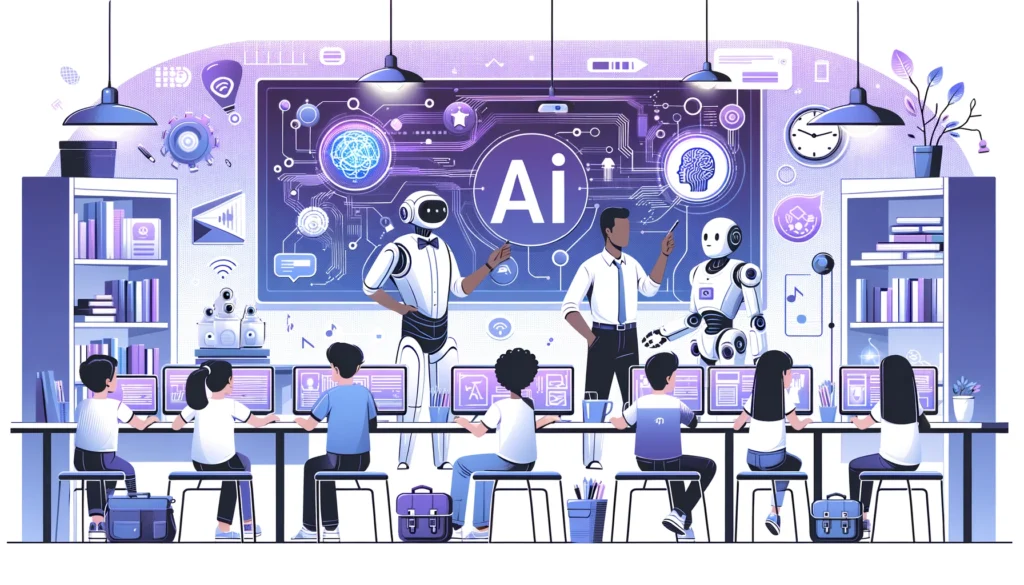
The impact of Artificial Intelligence (AI) on education is personalizing, increasing accessibility and efficiency of learning. The interaction between students and educational materials have changed the way how students and teachers interact with educational materials because of AI driven platforms. The discussion of the role of AI in education and its reliance on IT technologies will let us delve a little deeper into how AI impacts education.How AI is Important for Today Education & How it connects with different IT Technologies Personalized Learning with AI Personalized learning with Ai experiences specific to the needs of each student is achieved through AI. It is able to analyze how a student learns, what strengths or weaknesses a student has, and adjust the lesson content as a result. Supposing a student finds mathematical tasks challenging, AI can give some more exercises to well: improve their mathematics grasp. Machine learning (ML) models learn from past interactions and predict future learning paths on the basis of the past interactions. Big data technology also plays a role in practically using AI in personalized learning. These data are huge and are generated as students interact with content. AI takes this data and uses it to make personalized learning plans for every student so that they receive the best support available. AI in Creating Educational Content Teachers make educational materials using AI to do it quickly and effectively. It can create quizzes, tests or even entire courses. Natural language processing (NLP), one of the parts of AI, takes text inputs and generates text like exam questions or explanation. AI based platforms can offer individual, personalized assessments for students, with tailored and personalized feedback, boosting their learning! Interactive learning experiences also receive support from AI. AI is paired with virtual reality (VR) and augmented reality (AR) to create immersive simulations. To give an example, medical students can use AI powered VR tools to practice surgery and get real time feedback about their performance. Automating Administrative Tasks AI cuts down on educator duties, automating repetitive work. It sees to handling grading, attendance tracking and scheduling, saving time. For instance AI can grade multiple choice exams or essays instantly against a predefined criteria set. This is particularly effective for teachers of large classes of students. Finally, the use of AI for these tasks is closely tied to cloud computing. On the cloud, Educational institutions store data which is available for AI to utilize to automate processes at a good pace. Schools can eliminate the drudgery of managing a large number of students while streamlining operations by utilizing this combination. AI in Educational Platforms and Infrastructure More and more educational platforms have started using AI to enhance learning outcomes. These platforms rely on technologies such as cloud computing, data analytics, and cybersecurity. With cloud computing, AI driven learning tools are delivered on demand, helping to make education more global and more accessible to students around the world. AI powered Data Analytics tracks student performance and the progress for teachers to make data driven decisions and improve instruction. AI based cybersecurity also protects sensitive student data from cyber threats and keeps the digital learning environments secure. AI and Smart Classrooms The Internet of Things and Artificial Intelligence (AI) has led to smart classrooms becoming more common these days. In a classroom, IoT devices can be used to measure student engagement, room conditions, and also help with managing classroom equipment. This data is being analyzed by AI, giving recommendations to teachers on how to better the learning environment. For example, it might suggest a change in the speed of a lecture to keep students engaged. The connection between AI and IoT brings dynamic classrooms together where learning is more interactive and responsive to students’ needs. AI in Lifelong Learning AI learning platforms provide courses and learning paths for adults who want to upskill and advance their career. Using these platforms, your learning is personalized even for professionals using their interest and learning history to recommend courses. Learners can also use AI driven job platforms to fill these skill gaps and suggest relevant courses to prepare for employment. These platforms analyze industry trends, link learning content to the skills in demand. AI in Language Learning With AI powered language learning tools, learning a new language gets a lot easier. Machine learning is a key component of Duolingo, as apps like it use machine learning to offer personalized lessons and measure progress. It means these apps can understand and respond to the users in a conversational way, therefore making learning more intuitive but also more accessible to non native speakers. AI enabled translation tools enable students to access learning materials in languages that they are more comfortable with, thereby removing barriers to education. Here’s a simplified overview as to how AI is changing education and how it’s making your education more personalized, simpler for administrative tasks and better educational platforms. AI is changing the face of education through its connection to IT technologies like BI, cloud computing and IoT. wayaacademy@gmail.compinakiithub.com
Machine Learning in Real-World Applications- Success Stories & Case Studies Across Industries

Machine learning (ML) has been a steadily growing industry and as such, it’s something that has an effect on a broad range of industries. This concept is already a present tool which changes the way businesses work as it is performed. Machine learning is gradually gaining a reputation for its general adaptability, as can be seen in diverse fields, from predicting damages to diagnosing various illnesses. This blog, you will be exposed to the genuine data of ML uses in different industries. The findings that we are going to present will also include cases and success stories of those corporations which are improving through ML methods. We’ll share case studies and success stories that highlight how businesses are using machine learning to solve issues and drive growth. Machine Learning in Real-World Applications- Success Stories Case Study 1 Healthcare – Predicting Disease Outbreaks with BlueDot– Early Prediction of COVID-19 Outbreak The healthcare sector is the one that is affected by ML in the most pronounced way. A striking example is BlueDot, a company that had already predicted the outbreak of COVID-19 in December 2019 with the help of machine learning and thus, warned the world’s health authority days before the official announcement. The Problem- Pandemic prediction is a complex matter. The importance of early warning to prevent the spread of the disease should be understood, as the outbreaks can develop rapidly into a health crisis and spread far and wide causing global devastation. The Approach- BlueDot created an AI system analyzing an extensive set of content including news and journals, health records, and data on travel routes. Based on the behavior that implies the beginning of an outbreak, BlueDot, therefore, succeeded in tracking the virus by the time it became a world pandemic. The Result- Early detection like that resulted in providing a jump start in controlling the virus for several countries. Key Insight: Large datasets that machine learning can process are now capable of being treated faster than the efforts made by humans which enables them to predict health crises that are sufficiently responsible without causing rectification difficulties Case Study 2 Finance – Fraud Detection in Banking J.P. Morgan Chase– AI in Fraud Detection Your finance industry has always been challenged by various frauds, and the latest intricacies of transactions have resulted in corresponding infractions. J.P. Morgan Chase attacked this issue agog by assimilating machine learning into its fraud detection system. The Problem- Traditional fraudulent detection systems are based on predefined rules that are not flexible enough to keep up with the changing tactics of fraud, which results in huge financial losses. The Solution- J.P. Morgan Chase employed machine learning that is capable to examine the historic transactions, customer behaviors, and real-time data. This system effectively recognizes suspicious activities which might indicate scam allowing the system to be agile and adapt to new fraud patterns. The Result- Thanks to the utilization of ML technologies, J.P. Morgan Chase was able to decrease its fraudulent activity rate by more than 50%, thereby the company safely protected its assets and the customers also. Lesson Learned: ML algorithms have to be continuously updated to keep up with the changing fraud strategies. This flexibility is the critical factor of their success. Case Study 3 Retail – Personalized Customer Experience Amazon– Tailoring Recommendations with Machine Learning Personalization is now a must-have for survival in the retail segment, which, given the fierce competition, has seen the concentration of the client base become a core aspect of retention. Amazon is an example of a company utilizing ML to make shopping even better. The Issue- In the period of booming online sales, Amazon had to come up with a personalized recommendation system that would help the clients become addicted to their site as well as eliminate buyers’ attrition. The Method- Amazon relies on machine learning programs to get a better chance to attract its sales engine. It can be figured out by sorting each client’s search story, former purchases and what the customer likes to purchase before the system recommends products which are properly suited to them. The Result: Approximately one out of three of the complete sales that Amazon makes is a result of recommendations that use machine learning methods, which is proof that personalization can take the form of a strong driving force of the 54% revenue increase. Case Study 4 Manufacturing – Predictive Maintenance General Electric (GE)– Reducing Downtime in Wind Turbines Manufacturing industries bear the brunt of the high costs caused by breakdowns of equipment. GE is one of the companies that use this problem-solving approach to solve these problems ahead. The Problem- The breakdowns of equipment are among the leading causes to downtime and repairs, which are usually very costly to industries like energy. The Solution- GE utilized ML to watch over its wind turbines even in real-time. Based on the analysis of data like vibration and temperature levels, the system forecasts the time it’ll fail. This way technicians can fix it before irksome failure occurs. The Result- GE managed to reduce repair time by 20% with an additional saving of some million dollars which in turn ushered in smoother and more reliable operation. Lesson Learned: ML techniques that have been made to run the predictive maintenance software, not only result in the decrease of downtimes but also aim at detecting the potential issues at an early stage which in turn reduces the repair cost substantially. Case Study 5 Autonomous Driving – AI Behind the Wheel (Travel) These cars rely on smart algorithms to safely navigate roads, avoid obstacles, and make quick decisions. Tesla– Enhancing Safety with Autopilot The autonomous mode is considered one of the most demanding tasks for the implementation of artificial intelligence. Tesla is the company that is specifying these technologies and using the AI in the Autopilot system. The Challenge- Autonomous vehicles being safe and reliable are one of the most demanding tasks for AI software capable of reacting with the speed of a microsecond when in motion. The
Recent Cybersecurity Breaches and Their Solutions: Lessons from 2023

As Cyberattacks continue to rise in both frequency and sophistication, even some of the most secure organizations have found themselves vulnerable. In 2023, we witnessed a number of high-profile cyber breaches that exposed Sensitive Data, disrupted services, and raised alarms about the state of Cybersecurity. Two major incidents, in particular, shed light on the evolving threats and the solutions companies can adopt to safeguard themselves. 1. Okta Breach (October 2023) Okta, a well-known identity management platform, faced a significant breach in October 2023. Attackers gained unauthorized access to the company’s customer support system through stolen credentials. The attackers stole (Hypertext Transfer Protocol) HTTP Archive (HAR) files, which contained sensitive session tokens and cookies. This allowed the attackers to impersonate Okta’s customers and access their systems, potentially compromising critical information. A notable aspect of the breach was that the attackers were able to manipulate Multi-Factor Authentication (MFA) settings, further increasing the severity of the attack. By creating new user accounts within the compromised systems, they gained prolonged access to various customer applications. Solution: To prevent such breaches, organizations should adopt SaaS Security Posture Management (SSPM) tools. These tools continuously monitor SaaS applications for suspicious activities and configurations, helping organizations detect unusual behavior early and mitigate risks before attackers can exploit vulnerabilities. Furthermore, stricter identity management protocols and frequent reviews of access control policies are essential to preventing such attacks from escalating. 2. ICMR Data Breach (October 2023) Another significant cybersecurity breach occurred at the Indian Council of Medical Research (ICMR). In October 2023, a staggering 815 million Covid-testing records were offered on the dark web, exposing sensitive information such as names, addresses, and Aadhaar numbers of individuals. This breach highlighted vulnerabilities in medical data storage and management, especially concerning large datasets with personal health information. Solution: To avoid such incidents, organizations handling sensitive data, especially medical and governmental agencies, should prioritize Encryption and strong Network Security protocols. Encryption ensures that even if data is accessed illegally, it remains unreadable without the proper decryption keys. In addition, organizations should adopt Identity Management systems to ensure that only authorized personnel can access sensitive data. Regular audits and updates to cybersecurity measures are crucial to staying ahead of emerging threats. Key Takeaways for Businesses The key to avoiding breaches like these lies in proactive measures: As cyber threats evolve, businesses must stay ahead by adopting advanced tools, conducting regular audits, and investing in employee training on cybersecurity best practices. The breaches faced by Okta and ICMR in 2023 serve as stark reminders of the ever-present risks and the need for robust security solutions. For more insights on cybersecurity and how to protect your business, visit Pinakiithub.com. wayaacademy@gmail.compinakiithub.com
What is Prompt Engineering? How to become a Prompt Engineer?

In fast developing world of technology, new roles & specializations are developing, one such role gaining significant that of a Prompt Engineer. This role is especially significant in the context of artificial intelligence and natural language processing. But what exactly is prompt engineering, and how can you become a prompt engineer? This complete guide will explore these questions in detail & show Pinaki IT Consultant can help you direct this engaging field. What is Prompt Engineering? Definition and Overview Prompt Engineering is a field among Artificial Intelligence that focuses on designing and developing the input prompts used to interact with language models. But, their impactful deeply depends on how prompts are developed. Prompt Engineering involves: Creating Impactful Prompts: Designing questions that inspire the best possible responses from AI models. Optimizing Responses: Fine-tuning prompts to achieve desired outcomes, such as accurate information, creative text, actions. Understanding Model Limitation: Knowing how different prompts affect the AI’s performance to work within its conditions. Read Also – What is NLP in Machine Learning? Importance in AI Development Prompt Engineering is important because it directly influences the quality of interactions with AI systems. The AI applications, from chatbots to content generation tools, often hinges on how well prompts are designed. Good prompt engineering can lead to: Improved Accuracy: Better prompts result in more accurate and relevant responses. Improve User Experience: Well-crafted prompts can make interactions with AI more intuitive and useful. Improve Performance: Optimizing prompts can speed up processes and reduce the need for extensive manual adjustments. The Role of a Prompt Engineer A Prompt Engineer has several key responsibilities, including: Designing Prompts: Creating initial prompts that will be used to interact with AI models. Testing and Iteration: Experimenting with different prompts to see which ones produce the best results. Analyzing Responses: Reviewing the AI’s output to ensure it meets the required standards. Troubleshooting Issues: Identifying and resolving problems that arise from poorly performing prompts. Collaborating with Developers: Working with software developers to integrate well-engineered prompts into AI systems and applications. Skills Required To be successful in Prompt Engineering, you need a combination of skills: Understanding of AI Models: Familiarity with how language models work and their limitations. Creative Thinking: Ability to come up with innovative prompts to explore different responses. Analytical Skills: Ability to assess and analyze the AI’s output critically. Attention to Detail: Ensuring prompts are precise and free from ambiguities. How to Become a Prompt Engineer Educational Background While there is no specific educational path for Prompt Engineering, certain backgrounds can be advantageous: Computer Science: Understanding Programming and AI fundamentals is beneficial. Linguistics: Knowledge of language structure can help in crafting effective prompts. Data Science: Skills in analyzing Data can be useful for evaluating Prompt performance. Practical Experience Gaining hands-on experience is crucial. You can start by: Experimenting with AI Models: Use platforms like OpenAI to test different prompts and observe the results. Building Projects: Develop small projects that use language models and focus on prompt design. Internships and Work Experience: Look for opportunities to work with AI technologies, either through internships or entry-level positions. Certification and Courses While not always required, certifications and courses can enhance your credentials: AI and Machine Learning Courses: Many online platforms offer courses in AI and machine learning. Specialized Prompt Engineering Courses: Some institutions and online platforms may offer courses specifically focused on prompt engineering. Networking and Community Involvement Engaging with the AI community can provide valuable insights and opportunities: Join AI Forums and Groups: Participate in discussions and stay updated with the latest trends. Attend Conferences and Workshops: Learn from experts and network with professionals in the field. Pinaki IT Consultant and Prompt Engineering Pinaki IT Consultant is a leading company in the IT consulting industry, known for its expertise in various technology domains, including artificial intelligence and prompt engineering. Here’s how Pinaki IT Consultant can help you become a successful prompt engineer: Training and Development Pinaki IT Consultant offers specialized training programs tailored to prompt engineering. These programs cover: Fundamentals of AI and Language Models: Understanding the basics of AI and how language models work. Prompt Design Techniques: Learning how to craft effective and efficient prompts. Hands-on Workshops: Practical experience with real-world AI applications and prompt engineering tasks. Consulting Services If you are already working in the field and need expert guidance, Pinaki IT Consultant provides consulting services to help optimize your prompt engineering strategies. Their services include: Prompt Optimization: Enhancing existing prompts to improve AI performance. Troubleshooting and Support: Providing solutions to challenges faced in prompt engineering. Custom Solutions: Developing tailored prompt engineering solutions for specific business needs. Career Opportunities Pinaki IT Consultant also offers career opportunities for aspiring Prompt Engineers. By joining their team, you can gain experience and grow professionally in a supportive environment. The company values: Innovation: Encouraging creative approaches to Prompt Engineering. Collaboration: Working with a team of experts to tackle complex challenges. Continuous Learning: Providing resources and support for ongoing professional development. Conclusion Prompt engineering is a crucial and exciting field within Artificial Intelligence, focusing on designing and optimizing the interactions between humans and AI models. Becoming a Prompt Engineer requires a blend of technical knowledge, creative skills, and practical experience. With the right training and support, you can excel in this role and contribute to advancing AI technology. Pinaki IT Consultant stands out as a valuable resource for those interested in Prompt Engineering, offering comprehensive training, consulting services, and career opportunities. By leveraging their expertise, you can embark on a successful career in prompt engineering and make a significant impact in the world of AI. wayaacademy@gmail.compinakiithub.com