Introduction to Data Science and AI in Business

In today’s fast-paced digital economy, businesses are no longer driven by intuition alone—they are powered by data. The rise of data science and artificial intelligence (AI) has transformed how organizations operate, make decisions, and compete in the global market. From small startups to multinational corporations, companies are leveraging these technologies to gain deeper insights, improve efficiency, and deliver better customer experiences.
What is Data Science?
Data science is an interdisciplinary field that combines statistics, mathematics, programming, and domain expertise to extract meaningful insights from structured and unstructured data. It involves collecting, cleaning, analyzing, and interpreting large volumes of data to support decision-making.
In a business context, data science helps answer critical questions such as:
-
- What do customers want?
-
- Which products are performing best?
-
- Where can costs be reduced?
-
- What trends are emerging in the market?
For example, an e-commerce company can analyze customer purchase history to identify buying patterns, enabling it to recommend products more effectively and increase sales. Similarly, financial institutions use data science to detect fraudulent transactions by identifying unusual patterns in real-time.
Understanding Artificial Intelligence (AI)
Artificial Intelligence refers to the simulation of human intelligence in machines that are programmed to think, learn, and make decisions. AI systems can process vast amounts of data much faster than humans and can continuously improve their performance through learning algorithms.
AI encompasses several subfields, including:
-
- Machine Learning (ML): Enables systems to learn from data and improve over time without explicit programming.
-
- Natural Language Processing (NLP): Allows machines to understand and respond to human language.
-
- Computer Vision: Enables machines to interpret and analyze visual information like images and videos.
In business, AI is used to automate repetitive tasks, enhance decision-making, and create intelligent systems that can adapt to changing conditions. For instance, chatbots powered by NLP can handle customer queries 24/7, reducing the workload on human support teams while improving response times.
The Intersection of Data Science and AI
While data science focuses on extracting insights from data, AI uses those insights to make intelligent decisions and predictions. Together, they form a powerful combination that drives modern business innovation.

Think of data science as the process of understanding what has happened and why, while AI focuses on what will happen next and what actions should be taken. For example, data science might reveal that sales drop during certain months, while AI can predict future sales trends and suggest strategies to maintain consistent revenue.
Why Businesses Are Embracing These Technologies
The adoption of data science and AI in business is not just a trend—it’s a necessity. Organizations that fail to leverage data risk falling behind their competitors. Here are some key reasons why businesses are investing heavily in these technologies:
1. Better Decision-Making
Data-driven decisions are more accurate and reliable than those based on intuition. Businesses can analyze real-time data to make informed choices quickly.
2. Improved Customer Experience
By understanding customer behavior and preferences, companies can deliver personalized experiences. Recommendation engines used by streaming platforms and online stores are a prime example of this.
3. Increased Efficiency and Productivity
Automation powered by AI reduces manual effort, minimizes errors, and speeds up processes. Tasks such as data entry, report generation, and customer support can be handled efficiently by AI systems.
4. Competitive Advantage
Companies that effectively use data and AI can identify opportunities faster, respond to market changes quickly, and stay ahead of competitors.
5. Cost Reduction
Optimizing operations and automating routine tasks helps businesses reduce operational costs while maintaining high performance.
Real-World Applications in Business
Data science and AI are being used across various industries to solve complex problems and drive growth:
-
- Retail: Personalized product recommendations, demand forecasting, and inventory management
-
- Healthcare: Disease prediction, medical imaging analysis, and patient care optimization
-
- Finance: Fraud detection, risk assessment, and algorithmic trading
-
- Marketing: Customer segmentation, targeted advertising, and campaign optimization
-
- Manufacturing: Predictive maintenance, quality control, and process automation
These applications demonstrate how businesses are using data and AI not just to improve operations but to create entirely new business models.
Challenges in Adoption
Despite the numerous benefits, implementing data science and AI comes with challenges:
-
- Data Quality Issues: Inaccurate or incomplete data can lead to misleading insights
-
- Lack of Skilled Professionals: There is a high demand for data scientists and AI experts
-
- Integration Complexity: Incorporating AI into existing systems can be technically challenging
-
- Ethical and Privacy Concerns: Handling sensitive data requires strict compliance with regulations
Businesses must address these challenges strategically to fully unlock the potential of these technologies.
The Road Ahead
As technology continues to evolve, the role of data science and AI in business will only grow stronger. Emerging trends such as generative AI, real-time analytics, and edge computing are set to redefine how organizations operate. Companies are moving towards fully data-driven ecosystems where decisions are made instantly based on live data streams.
Moreover, AI is becoming more accessible, with tools and platforms that allow even non-technical users to harness its power. This democratization of AI means that businesses of all sizes can benefit, not just large enterprises.
Evolution of AI & Data-Driven Decision Making
7
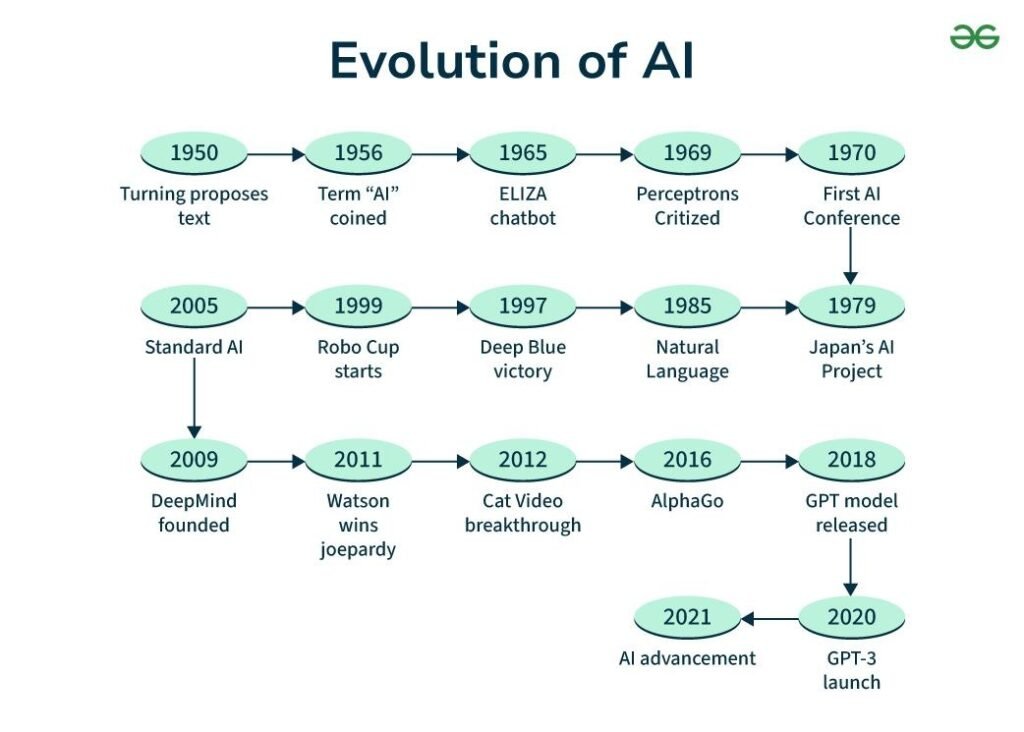
The journey of Artificial Intelligence (AI) and data-driven decision making has been nothing short of transformative. What began as a theoretical concept decades ago has now become the backbone of modern business strategy. Today, organizations no longer rely solely on experience or intuition—they depend on data, algorithms, and intelligent systems to guide their decisions. Understanding this evolution helps us appreciate how businesses reached this point and where they are headed next.
Early Beginnings: Rule-Based Systems
The origins of AI can be traced back to the mid-20th century when researchers began exploring whether machines could mimic human intelligence. Early AI systems were primarily rule-based, meaning they operated on predefined instructions. These systems could solve specific problems but lacked flexibility and learning capability.
During this period, decision-making in businesses was largely manual. Managers relied on historical reports, basic statistics, and personal judgment. Data existed, but it was limited, fragmented, and difficult to process efficiently. As a result, decisions were often slow and prone to human bias.
The Rise of Data Collection and Digitization
The late 20th century marked a significant shift with the rise of computers and digital systems. Businesses started collecting data at a much larger scale through transactions, customer interactions, and operational processes. This era laid the foundation for data-driven thinking.
With the introduction of databases and enterprise systems, organizations could store and manage vast amounts of information. Tools like spreadsheets and basic analytics software enabled businesses to analyze trends and generate reports. Decision-making began to shift from intuition to evidence-based approaches, although it was still largely descriptive—focused on understanding what had already happened.
The Emergence of Big Data
As the internet and digital technologies expanded, the volume of data grew exponentially. This gave rise to the concept of Big Data, characterized by its volume, velocity, and variety. Businesses now had access to data from multiple sources, including social media, online transactions, sensors, and mobile devices.
Traditional data processing methods were no longer sufficient. This led to the development of advanced data processing frameworks and analytics tools capable of handling massive datasets. During this phase, businesses began adopting predictive analytics, which allowed them to forecast future outcomes based on historical data.
For example, retailers could predict customer demand, while financial institutions could assess credit risk more accurately. Decision-making became faster, more accurate, and increasingly proactive.
The Machine Learning Revolution
The real turning point in the evolution of AI came with the rise of Machine Learning (ML). Unlike rule-based systems, ML algorithms can learn from data and improve their performance over time without being explicitly programmed.
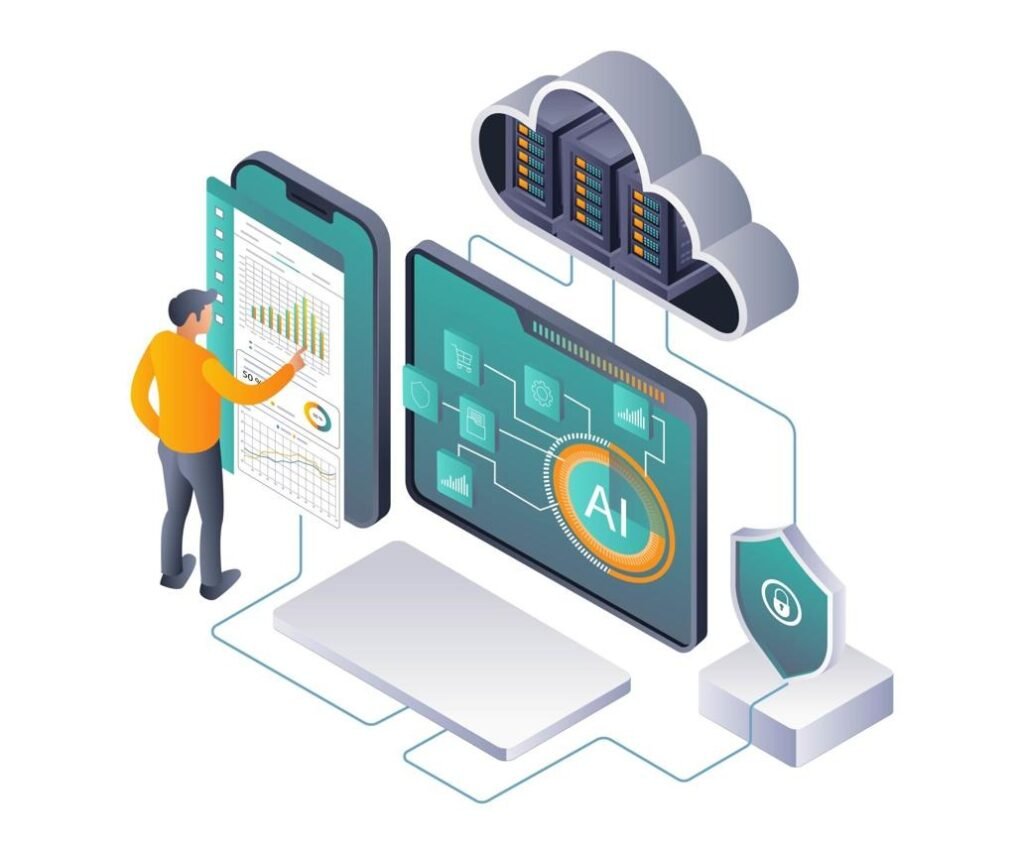
This shift enabled businesses to move from descriptive and predictive analytics to prescriptive analytics—where systems not only predict outcomes but also recommend actions. For instance, recommendation engines used by e-commerce platforms analyze user behavior to suggest products that customers are most likely to purchase.
Machine learning also introduced automation at a new level. Tasks that once required human intervention—such as fraud detection, customer segmentation, and demand forecasting—could now be performed automatically with high accuracy.
The Era of Real-Time Decision Making
With advancements in computing power and cloud technology, businesses entered the era of real-time analytics. Data could now be processed instantly, allowing organizations to make decisions in real time.
For example:
-
- Ride-sharing platforms adjust pricing dynamically based on demand and supply
-
- Online retailers update product recommendations instantly based on user behavior
-
- Financial systems detect and block fraudulent transactions within seconds
This shift has significantly improved business agility. Companies can respond to changes as they happen, rather than reacting after the fact.
Deep Learning and Advanced AI Systems
The introduction of deep learning, a subset of machine learning, further accelerated the capabilities of AI. Deep learning models, inspired by the human brain, can process complex patterns in large datasets, making them ideal for tasks such as image recognition, speech processing, and natural language understanding.
Businesses are now using advanced AI systems for:
-
- Voice assistants and chatbots
-
- Image and video analysis
-
- Sentiment analysis from customer feedback
-
- Autonomous systems and robotics
These technologies have expanded the scope of data-driven decision making beyond numbers and structured data to include text, images, and even human emotions.
Data as a Strategic Asset
Today, data is often referred to as the “new oil”, highlighting its immense value. Organizations treat data as a strategic asset that drives innovation and competitive advantage.
Modern businesses invest heavily in:
-
- Data infrastructure and cloud platforms
-
- Advanced analytics tools
-
- AI-powered decision support systems
Decision-making is no longer confined to top management. With the availability of dashboards and visualization tools, employees at all levels can access insights and make informed decisions. This democratization of data has created a culture where decisions are backed by evidence rather than assumptions.
The Role of AI in Enhancing Decision Making
AI plays a crucial role in modern decision-making by:
-
- Reducing human bias: Algorithms rely on data rather than personal opinions
-
- Improving accuracy: Advanced models can identify patterns that humans might miss
-
- Speeding up decisions: Automation enables instant analysis and response
-
- Handling complexity: AI can process vast and complex datasets efficiently
For example, in marketing, AI can analyze customer behavior across multiple channels to determine the most effective campaign strategy. In healthcare, AI assists doctors in diagnosing diseases with greater accuracy.
Challenges in the Evolution
Despite its advancements, the evolution of AI and data-driven decision making is not without challenges:
-
- Data Privacy Concerns: With increasing data collection, protecting user privacy has become critical
-
- Algorithmic Bias: AI systems can sometimes inherit biases from the data they are trained on
-
- High Implementation Costs: Building AI infrastructure requires significant investment
-
- Skill Gaps: There is a shortage of professionals with expertise in data science and AI
Businesses must address these challenges to ensure responsible and effective use of technology.
The Future of Data-Driven Decision Making
The future of AI and data-driven decision making is incredibly promising. Emerging trends include:
-
- Generative AI: Systems that can create content, designs, and solutions autonomously
-
- Explainable AI: Making AI decisions more transparent and understandable
-
- Edge Computing: Processing data closer to the source for faster insights
-
- Autonomous Decision Systems: Fully automated systems capable of making complex decisions without human intervention
As these technologies continue to evolve, businesses will move towards intelligent enterprises—organizations that are fully integrated with AI and data at every level.
Why Businesses Are Adopting AI Rapidly
7
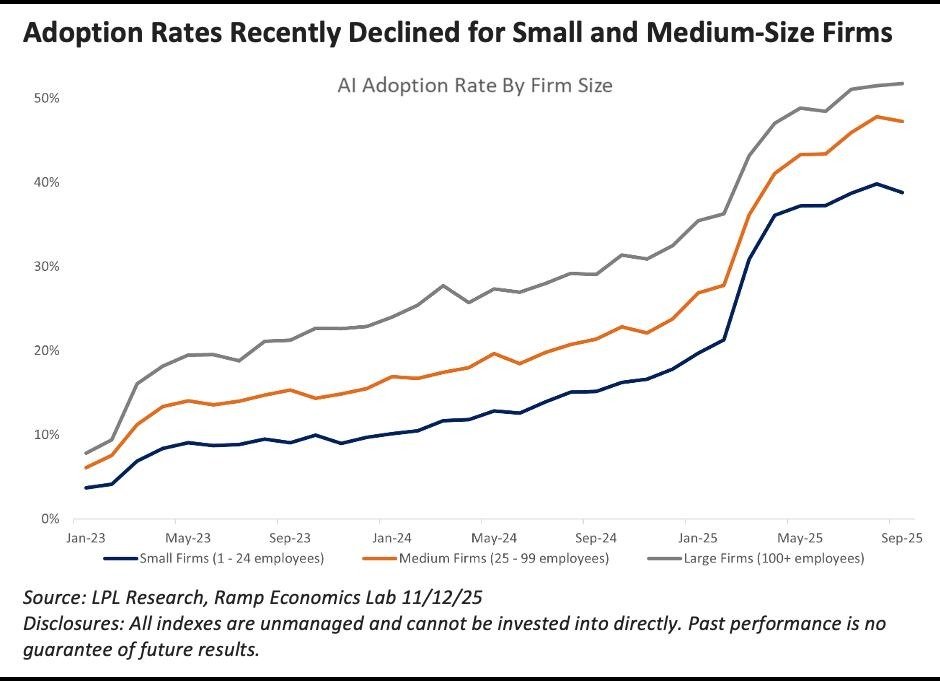
The rapid adoption of Artificial Intelligence (AI) across industries is not just a technological trend—it represents a fundamental shift in how businesses operate, compete, and grow. In an increasingly digital and data-driven world, organizations are under constant pressure to innovate, improve efficiency, and deliver exceptional customer experiences. AI has emerged as a powerful enabler, helping businesses achieve these goals faster and more effectively than ever before.
From startups to global enterprises, companies are integrating AI into their core operations. But what exactly is driving this widespread adoption? The answer lies in a combination of technological advancements, competitive necessity, and the tangible benefits AI offers.
The Need for Speed and Efficiency
One of the primary reasons businesses are embracing AI is the need to operate faster and more efficiently. Traditional processes often involve manual work, which can be time-consuming and prone to errors. AI-powered systems can automate repetitive tasks such as data entry, customer support, inventory management, and reporting.
For example, AI-driven automation tools can process thousands of transactions in seconds, something that would take humans hours or even days. This not only improves productivity but also allows employees to focus on more strategic and creative tasks. As a result, organizations can achieve higher output with fewer resources.
Data Explosion and the Need for Insights
In today’s digital era, businesses generate massive amounts of data every second—from customer interactions and online transactions to social media activity and IoT devices. However, raw data alone is not valuable unless it can be analyzed and transformed into actionable insights.
AI excels at processing and analyzing large datasets quickly and accurately. Machine learning algorithms can identify patterns, trends, and correlations that would be impossible for humans to detect manually. This enables businesses to make informed decisions based on real-time data rather than guesswork.
For instance, companies can use AI to predict customer behavior, forecast demand, and optimize pricing strategies. This level of insight gives businesses a significant competitive edge.
Enhanced Customer Experience
Customer expectations have evolved dramatically in recent years. Today’s consumers expect personalized, fast, and seamless interactions with brands. AI helps businesses meet these expectations by delivering highly customized experiences.
AI-powered recommendation systems analyze user behavior to suggest relevant products or services. Chatbots and virtual assistants provide instant support, resolving customer queries 24/7 without human intervention. Additionally, AI can analyze customer feedback and sentiment to improve products and services.
By enhancing customer experience, businesses not only increase customer satisfaction but also build loyalty and drive long-term growth.
Competitive Pressure and Market Dynamics
In highly competitive markets, staying ahead requires constant innovation. Businesses that adopt AI gain a significant advantage over those that do not. As more companies integrate AI into their operations, others are compelled to follow suit to remain competitive.
AI enables organizations to respond quickly to market changes, identify new opportunities, and make strategic decisions with greater confidence. Companies that fail to adopt AI risk falling behind, losing market share, and becoming obsolete.
This competitive pressure is one of the strongest drivers of rapid AI adoption across industries.
Cost Reduction and Resource Optimization
Another key factor driving AI adoption is its ability to reduce costs and optimize resources. While the initial investment in AI technology can be significant, the long-term benefits often outweigh the costs.
AI helps businesses:
-
- Reduce labor costs through automation
-
- Minimize errors and operational inefficiencies
-
- Optimize supply chains and inventory management
-
- Improve energy efficiency and resource utilization
For example, predictive maintenance powered by AI can identify potential equipment failures before they occur, reducing downtime and maintenance costs in manufacturing industries.
Advancements in Technology and Accessibility
The rapid growth of AI adoption is also fueled by advancements in technology. Cloud computing, big data platforms, and improved processing power have made AI more accessible and affordable for businesses of all sizes.
Previously, AI implementation required significant infrastructure and expertise. Today, many AI tools and platforms offer user-friendly interfaces and pre-built models, allowing even non-technical users to leverage AI capabilities.
This democratization of AI has opened the door for small and medium-sized enterprises (SMEs) to compete with larger organizations by using advanced technologies.
Improved Decision-Making Capabilities
AI enhances decision-making by providing accurate, data-driven insights. Unlike human decision-making, which can be influenced by bias or limited information, AI systems rely on data and algorithms to deliver objective recommendations.
Businesses can use AI to:
-
- Analyze market trends
-
- Identify risks and opportunities
-
- Optimize marketing strategies
-
- Improve financial planning
For example, in finance, AI algorithms can assess credit risk more accurately than traditional methods. In marketing, AI can determine the most effective channels and messaging for campaigns.
This ability to make smarter decisions quickly is a major reason why businesses are adopting AI at a rapid pace.
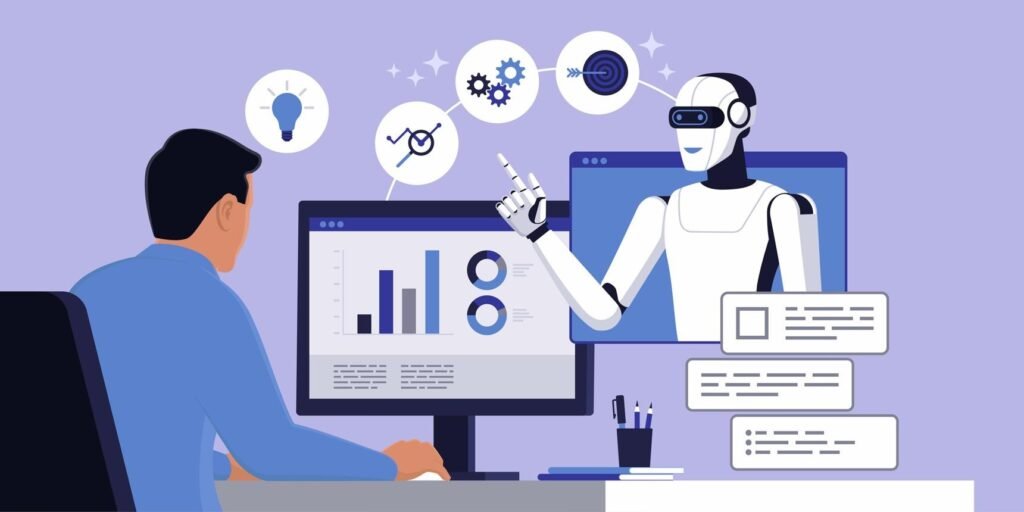
Innovation and New Business Models
AI is not just improving existing processes—it is enabling entirely new business models. Companies are using AI to develop innovative products and services that were previously not possible.
For instance:
-
- Streaming platforms use AI for content recommendations
-
- Ride-sharing apps use AI for route optimization and pricing
-
- Healthcare companies use AI for personalized treatment plans
These innovations are transforming industries and creating new revenue streams. Businesses that embrace AI can explore new opportunities and stay ahead of the curve.
Scalability and Flexibility
AI systems are highly scalable, allowing businesses to handle growth without a proportional increase in resources. Whether it’s processing more data, serving more customers, or expanding operations, AI can scale efficiently to meet demand.
Additionally, AI systems can adapt to changing conditions and learn from new data. This flexibility makes them ideal for dynamic business environments where quick adjustments are necessary.
Challenges Driving Adoption
Interestingly, some challenges themselves are driving AI adoption. For example:
-
- Increasing data complexity requires advanced tools like AI
-
- Labor shortages encourage automation
-
- Rising customer expectations demand smarter solutions
In this sense, AI is not just a solution—it is becoming a necessity for overcoming modern business challenges.
The Future Outlook
The adoption of AI is expected to accelerate even further in the coming years. Emerging technologies such as generative AI, autonomous systems, and advanced robotics will continue to expand the capabilities of AI.
Businesses will increasingly integrate AI into every aspect of their operations, from strategy and decision-making to customer engagement and product development. The focus will shift from isolated AI applications to fully AI-driven ecosystems.
Role of Big Data in Modern Business

6
In today’s digital-first world, Big Data has become a cornerstone of modern business strategy. Organizations across industries are generating and collecting massive volumes of data every second—from customer interactions and online transactions to sensor data and social media activity. This explosion of data has created unprecedented opportunities for businesses to gain insights, improve decision-making, and drive innovation.
Big Data is not just about the size of the data; it is about the ability to analyze and extract meaningful value from it. Companies that effectively harness Big Data are better equipped to understand their customers, optimize operations, and stay ahead of the competition.
What is Big Data?
Big Data refers to extremely large and complex datasets that cannot be processed using traditional data management tools. It is typically defined by the three Vs:
-
- Volume: The sheer amount of data generated every day
-
- Velocity: The speed at which data is created and processed
-
- Variety: The different types of data, including structured, semi-structured, and unstructured
Some experts also include additional Vs such as Veracity (data quality) and Value (usefulness of data). Together, these characteristics highlight the complexity and potential of Big Data in business.
The Importance of Big Data in Business
Big Data plays a critical role in enabling businesses to make smarter, faster, and more informed decisions. Instead of relying on intuition or limited datasets, organizations can now analyze vast amounts of information to uncover patterns, trends, and insights.
This shift has transformed decision-making from reactive to proactive. Businesses can anticipate market changes, identify opportunities, and respond to challenges with greater precision.
Enhancing Decision-Making

One of the most significant benefits of Big Data is its impact on decision-making. By analyzing historical and real-time data, businesses can make evidence-based decisions that are more accurate and reliable.
For example:
-
- Retailers can analyze customer purchasing patterns to optimize product offerings
-
- Financial institutions can assess credit risk using detailed data models
-
- Marketing teams can evaluate campaign performance and adjust strategies accordingly
Big Data enables organizations to move beyond guesswork and base their decisions on solid evidence.
Improving Customer Insights and Personalization
Understanding customers is at the heart of every successful business. Big Data allows companies to gain deep insights into customer behavior, preferences, and needs.
By analyzing data from multiple sources—such as websites, mobile apps, social media, and purchase history—businesses can create detailed customer profiles. This information can be used to deliver personalized experiences, including:
-
- Targeted marketing campaigns
-
- Product recommendations
-
- Customized offers and promotions
Personalization not only improves customer satisfaction but also increases engagement, loyalty, and revenue.
Driving Operational Efficiency
2. Sentiment Analysis
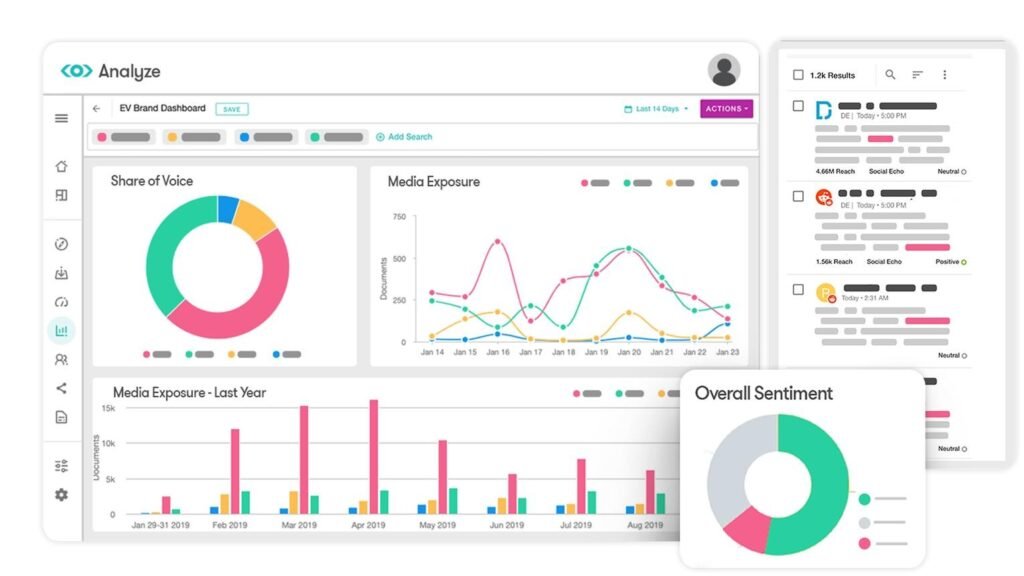
Businesses use NLP to analyze customer opinions from:
Big Data helps businesses streamline their operations and improve efficiency. By analyzing internal processes and performance metrics, organizations can identify inefficiencies and areas for improvement.
For instance:
-
- Supply chain data can be analyzed to optimize inventory levels and reduce waste
-
- Manufacturing data can be used to improve production processes and reduce downtime
-
- Workforce data can help optimize staffing and resource allocation
These improvements lead to cost savings and enhanced productivity, making businesses more competitive.
Enabling Predictive Analytics
One of the most powerful applications of Big Data is predictive analytics. By analyzing historical data, businesses can forecast future trends and outcomes.
Examples include:
-
- Predicting customer demand to manage inventory effectively
-
- Forecasting sales and revenue
-
- Identifying potential risks and opportunities
Predictive analytics allows businesses to take proactive measures rather than reacting to events after they occur. This capability is especially valuable in dynamic and competitive markets.
Supporting Innovation and New Business Models
Big Data is a key driver of innovation. By uncovering new insights and opportunities, businesses can develop innovative products, services, and business models.
For example:
-
- Streaming platforms use data to create and recommend content
-
- Ride-sharing services use data for route optimization and dynamic pricing
-
- Healthcare organizations use data for personalized treatment plans
These innovations not only improve existing services but also create entirely new markets and revenue streams.
Real-Time Data and Business Agility
In the modern business environment, speed is crucial. Big Data technologies enable real-time data processing, allowing businesses to respond to changes instantly.
Real-time analytics is used in:
-
- Fraud detection systems that identify suspicious activities
-
- E-commerce platforms that adjust recommendations dynamically
-
- Financial markets where decisions must be made in milliseconds
This level of agility gives businesses a significant advantage in fast-paced industries.
Risk Management and Fraud Detection
Big Data plays a vital role in identifying and mitigating risks. By analyzing patterns and anomalies, businesses can detect potential threats and take preventive action.
For example:
-
- Banks use Big Data to detect fraudulent transactions
-
- Insurance companies use data to identify suspicious claims
-
- Cybersecurity systems analyze network activity to detect threats
This proactive approach to risk management helps protect businesses and build trust with customers.
Challenges of Big Data Implementation
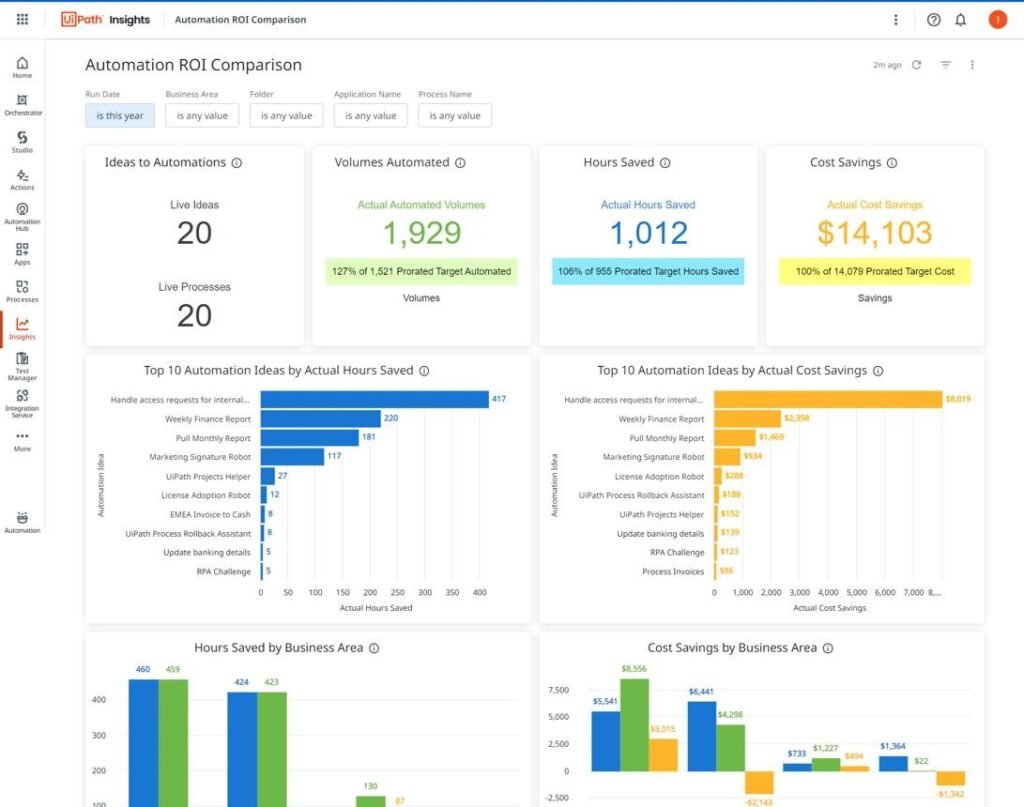
While Big Data offers numerous benefits, it also presents several challenges:
Data Privacy and Security:
Handling large volumes of sensitive data requires strong security measures and compliance with regulations.
Data Quality:
Inaccurate or incomplete data can lead to incorrect insights and poor decision-making.
Integration Complexity:
Combining data from multiple sources and systems can be technically challenging.
High Costs:
Implementing Big Data infrastructure and tools can require significant investment.
Skill Gaps:
There is a growing demand for professionals skilled in data analysis, engineering, and data science.
Businesses must address these challenges to fully leverage the potential of Big Data.
Big Data and AI: A Powerful Combination
Big Data and AI work hand in hand to drive business success. While Big Data provides the raw material, AI transforms it into actionable insights.
For example:
-
- Machine learning algorithms analyze Big Data to identify patterns
-
- AI systems use data to make predictions and automate decisions
-
- Advanced analytics tools combine both to deliver real-time insights
This synergy enables businesses to unlock the full value of their data and achieve better outcomes.
The Future of Big Data in Business
The role of Big Data in business is expected to grow even further as technology continues to evolve. Emerging trends include:
-
- Edge Computing: Processing data closer to the source for faster insights
-
- Data Democratization: Making data accessible to all employees
-
- Advanced Analytics: Using AI and machine learning for deeper insights
-
- Data Governance: Ensuring ethical and responsible use of data
As these trends develop, businesses will become more data-driven, agile, and innovative.
Turning Raw Data into Actionable Insights

6
In the modern business landscape, data is everywhere—but data alone has no value unless it is transformed into meaningful insights. Organizations collect vast amounts of raw data from multiple sources, including customer interactions, transactions, social media, and operational systems. However, this raw data is often unstructured, incomplete, and difficult to interpret. The real power lies in converting this data into actionable insights that can drive smarter decisions and measurable business outcomes.
Turning raw data into actionable insights is a systematic process that involves multiple stages, technologies, and strategic thinking. Businesses that master this process gain a significant competitive advantage by making informed, data-driven decisions.
Understanding Raw Data
Raw data refers to unprocessed information collected directly from various sources. It can exist in different formats, such as:
-
- Structured data (databases, spreadsheets)
-
- Semi-structured data (JSON, XML files)
-
- Unstructured data (emails, videos, social media posts)
On its own, raw data is often messy and lacks context. For example, a list of customer transactions may not reveal much unless it is analyzed to identify patterns such as purchasing behavior or seasonal trends.
The Data-to-Insights Journey
Transforming raw data into actionable insights involves a series of steps commonly known as the data analytics pipeline:
1. Data Collection
The first step is gathering data from various sources, such as:
-
- Websites and mobile applications
-
- Customer relationship management (CRM) systems
-
- Social media platforms
-
- IoT devices and sensors
The goal is to collect relevant and high-quality data that aligns with business objectives.
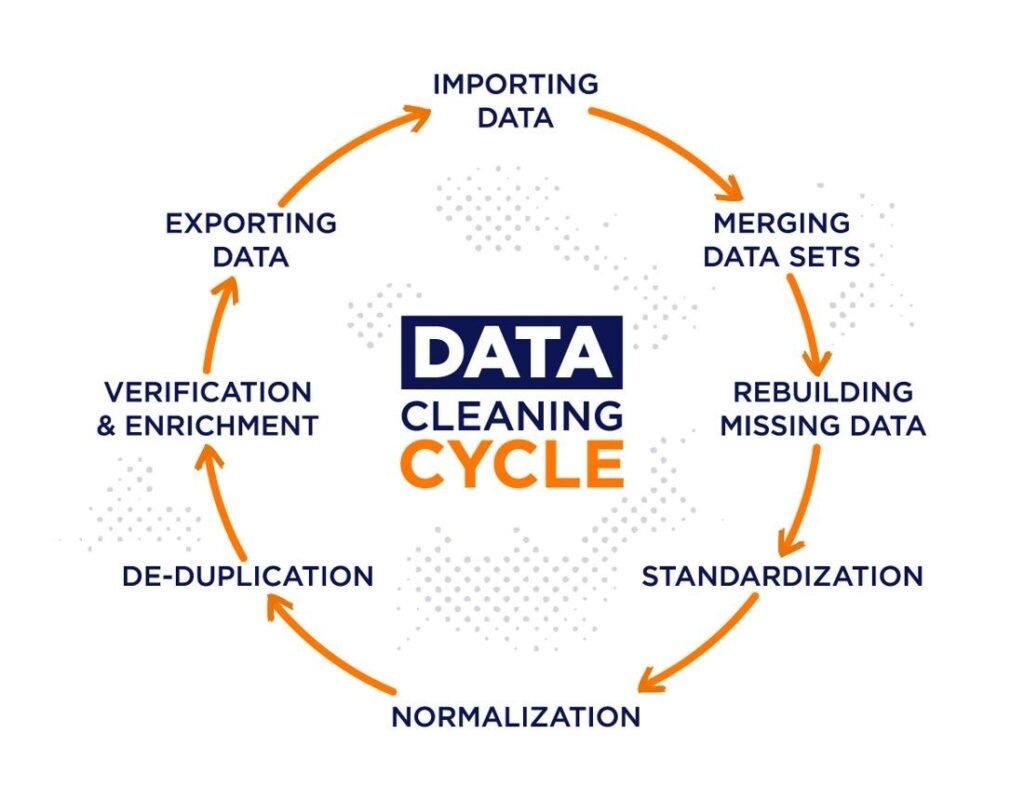
2. Data Cleaning and Preparation
Raw data is often incomplete, inconsistent, or duplicated. Data cleaning involves:
-
- Removing errors and duplicates
-
- Handling missing values
-
- Standardizing formats
This step is crucial because poor-quality data can lead to inaccurate insights and flawed decisions.
3. Data Integration
Businesses typically collect data from multiple sources. Data integration combines this information into a unified system, enabling a comprehensive view of operations and customer behavior.
For example, integrating sales data with marketing data can help businesses understand which campaigns drive the most revenue.
4. Data Analysis
Once the data is prepared, it is analyzed using statistical methods and analytical tools. This stage focuses on identifying patterns, correlations, and trends.
Types of analysis include:
-
- Descriptive analytics: What happened?
-
- Diagnostic analytics: Why did it happen?
-
- Predictive analytics: What is likely to happen?
-
- Prescriptive analytics: What should be done?
5. Data Visualization
Data visualization tools transform complex data into easy-to-understand visuals such as charts, graphs, and dashboards. This helps decision-makers quickly grasp insights and take action.
A well-designed dashboard can highlight key performance indicators (KPIs), trends, and anomalies in real time.
6. Insight Generation and Action
The final step is turning analysis into actionable insights. This means identifying clear recommendations or strategies based on the data.
For example:
-
- Adjusting pricing strategies based on demand trends
-
- Personalizing marketing campaigns for different customer segments
-
- Optimizing supply chain operations to reduce costs
Insights are only valuable when they lead to concrete actions that improve business performance.
Importance of Actionable Insights in Business
Actionable insights enable businesses to move from reactive decision-making to proactive strategy. Instead of guessing, organizations can rely on data-backed evidence to guide their actions.
Key benefits include:
-
- Better Decision-Making: Decisions are based on facts rather than assumptions
-
- Increased Efficiency: Identifying inefficiencies and optimizing processes
-
- Improved Customer Experience: Delivering personalized and relevant interactions
-
- Revenue Growth: Identifying opportunities for upselling and cross-selling
-
- Risk Reduction: Detecting potential issues before they escalate
Real-World Applications
Businesses across industries are using data-driven insights to achieve tangible results:
-
- Retail: Analyzing purchase data to recommend products and optimize inventory
-
- Healthcare: Using patient data to improve diagnosis and treatment plans
-
- Finance: Detecting fraudulent transactions and managing risk
-
- Marketing: Measuring campaign performance and targeting the right audience
-
- Manufacturing: Predicting equipment failures and improving production efficiency
These examples highlight how actionable insights can transform operations and drive growth.
Role of AI and Machine Learning
Artificial Intelligence (AI) and Machine Learning (ML) play a crucial role in converting data into insights. These technologies can process large datasets quickly and uncover hidden patterns that humans might miss.
AI enhances the data-to-insights process by:
-
- Automating data analysis
-
- Providing real-time insights
-
- Enabling predictive and prescriptive analytics
-
- Continuously learning and improving from new data
For instance, recommendation systems in e-commerce platforms use machine learning algorithms to suggest products based on user behavior, significantly increasing sales and engagement.
Challenges in Turning Data into Insights
Despite its benefits, the process of transforming data into insights comes with challenges:
Data Overload:
Too much data can be overwhelming and difficult to manage.
Data Silos:
Data stored in separate systems can limit visibility and integration.
Lack of Skilled Professionals:
Interpreting data requires expertise in analytics and domain knowledge.
Data Privacy Concerns:
Handling sensitive data requires strict compliance with regulations.
Misinterpretation of Data:
Incorrect analysis can lead to poor decision-making.
To overcome these challenges, businesses must invest in the right tools, technologies, and talent.
Best Practices for Success
To effectively turn raw data into actionable insights, businesses should follow these best practices:
-
- Define Clear Objectives: Know what you want to achieve with data
-
- Ensure Data Quality: Clean and accurate data is essential
-
- Use the Right Tools: Leverage analytics platforms and visualization tools
-
- Promote Data Culture: Encourage data-driven decision-making across the organization
-
- Continuously Monitor and Improve: Update models and strategies based on new data
The Future of Data-Driven Insights
As technology continues to evolve, the process of turning data into insights will become faster, smarter, and more automated. Emerging trends include:
-
- Real-Time Analytics: Instant insights for immediate decision-making
-
- Augmented Analytics: AI-driven insights with minimal human intervention
-
- Self-Service Analytics: Allowing non-technical users to analyze data
-
- Explainable AI: Making insights more transparent and understandable
These advancements will further empower businesses to harness the full potential of their data.
Predictive Analytics for Future Planning
8
In an increasingly competitive and fast-changing business environment, the ability to anticipate future trends and outcomes has become a critical advantage. This is where predictive analytics plays a transformative role. By leveraging historical data, statistical algorithms, and machine learning techniques, predictive analytics enables businesses to forecast future events and make proactive decisions.
Rather than reacting to events after they occur, organizations can now prepare in advance, minimize risks, and seize opportunities. Predictive analytics is not just a tool—it is a strategic capability that empowers businesses to plan smarter and operate more efficiently.
What is Predictive Analytics?
Predictive analytics is a branch of advanced analytics that uses historical data, data mining, and machine learning to predict future outcomes. It answers questions like:
-
- What is likely to happen next?
-
- Which customers are most likely to buy a product?
-
- When will a machine fail?
-
- What risks should the business prepare for?
By identifying patterns and relationships within data, predictive models generate forecasts that guide decision-making.
How Predictive Analytics Works
Predictive analytics follows a structured process:
1. Data Collection
Relevant historical data is gathered from multiple sources such as sales records, customer interactions, and operational systems.
2. Data Preparation
The data is cleaned and organized to ensure accuracy and consistency.
3. Model Building
Statistical models and machine learning algorithms are applied to identify patterns and relationships.
4. Validation and Testing
Models are tested using sample data to ensure reliability and accuracy.
5. Deployment
Once validated, the model is used to generate predictions in real-world scenarios.
6. Continuous Improvement
Models are updated regularly with new data to improve performance over time.
This cycle ensures that predictions remain accurate and relevant as business conditions evolve.
Importance of Predictive Analytics in Business Planning
Predictive analytics has become a cornerstone of modern business planning. It allows organizations to move from reactive strategies to proactive planning.
Key advantages include:

-
- Better Forecasting: Businesses can anticipate demand, revenue, and market trends
-
- Risk Reduction: Potential risks can be identified and mitigated early
-
- Improved Resource Allocation: Resources can be allocated more efficiently based on future needs
-
- Strategic Decision-Making: Leaders can make informed decisions with greater confidence
By integrating predictive analytics into planning processes, businesses can reduce uncertainty and improve overall performance.
Key Applications Across Industries
Predictive analytics is widely used across various sectors to enhance planning and decision-making:
1. Sales and Demand Forecasting
Businesses use predictive models to estimate future sales based on historical trends, seasonal patterns, and market conditions. This helps in:
-
- Inventory management
-
- Production planning
-
- Revenue forecasting
2. Customer Behavior Prediction
Companies analyze customer data to predict:
-
- Purchase likelihood
-
- Churn probability
-
- Customer lifetime value
This enables targeted marketing, personalized offers, and improved customer retention.
3. Financial Planning and Risk Management
In finance, predictive analytics is used to:
-
- Assess credit risk
-
- Detect fraudulent transactions
-
- Forecast financial performance
These insights help organizations maintain stability and reduce financial losses.
4. Supply Chain Optimization
Predictive analytics helps businesses anticipate supply chain disruptions, optimize logistics, and manage inventory efficiently.
5. Healthcare Forecasting
Healthcare organizations use predictive models to:
-
- Predict disease outbreaks
-
- Improve patient care
-
- Optimize resource allocation
6. Predictive Maintenance
Manufacturing companies use predictive analytics to monitor equipment performance and predict failures before they occur, reducing downtime and maintenance costs.
Role of Machine Learning in Predictive Analytics
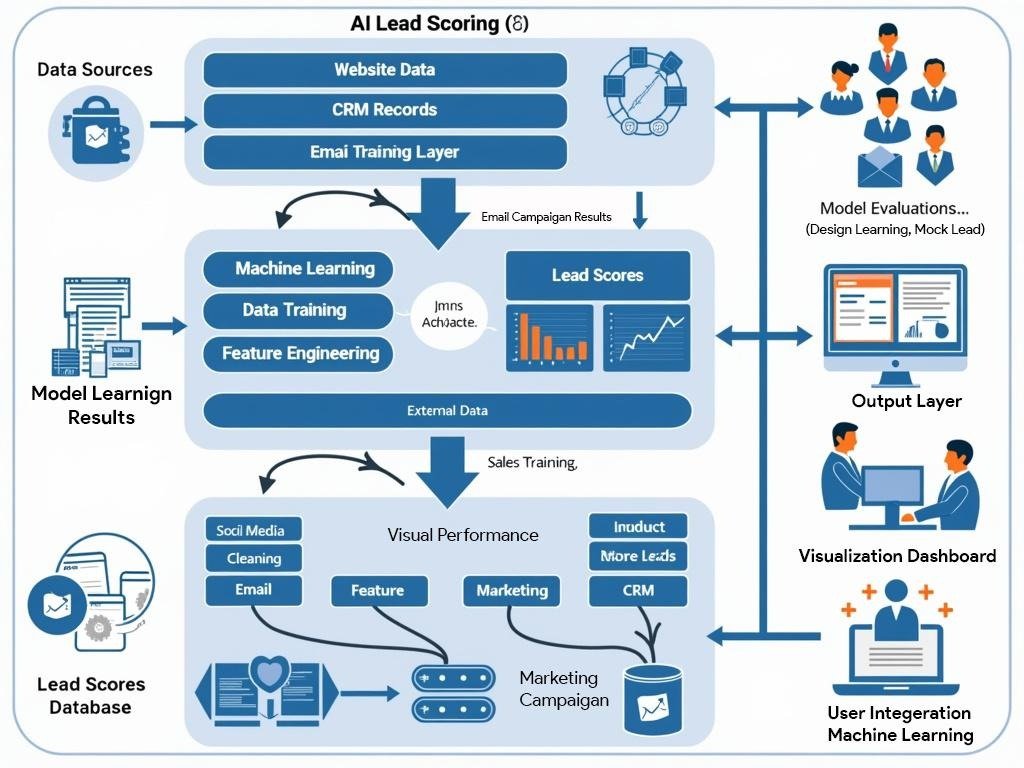
Machine learning is at the core of predictive analytics. Unlike traditional statistical methods, machine learning algorithms can learn from data and improve over time.
Common techniques include:
-
- Regression analysis
-
- Decision trees
-
- Neural networks
-
- Time-series forecasting
These models can handle large and complex datasets, making predictions more accurate and scalable.
For example, e-commerce platforms use machine learning to predict what products a customer is likely to buy next, while banks use it to detect unusual transaction patterns.
Benefits of Predictive Analytics
Predictive analytics offers numerous benefits that directly impact business growth:
1. Proactive Decision-Making
Businesses can act before problems arise rather than reacting after the fact.
2. Increased Efficiency
Optimizing operations based on predictions reduces waste and improves productivity.
3. Enhanced Customer Experience
Predicting customer needs allows for personalized interactions and better service.
4. Competitive Advantage
Organizations that use predictive analytics can stay ahead of competitors by anticipating market changes.
5. Revenue Growth
Identifying opportunities for upselling, cross-selling, and market expansion leads to increased revenue.
Challenges in Implementing Predictive Analytics
Despite its advantages, implementing predictive analytics comes with challenges:
-
- Data Quality Issues: Inaccurate data can lead to unreliable predictions
-
- Complexity of Models: Building and maintaining models requires expertise
-
- High Initial Investment: Infrastructure and tools can be costly
-
- Integration Challenges: Aligning predictive models with existing systems can be difficult
-
- Interpretability: Some advanced models can be hard to understand and explain
Businesses must address these challenges to maximize the effectiveness of predictive analytics.
Best Practices for Effective Predictive Analytics
To successfully leverage predictive analytics, businesses should follow these best practices:
-
- Define Clear Objectives: Understand what you want to predict and why
-
- Use High-Quality Data: Ensure data is accurate and relevant
-
- Choose the Right Models: Select appropriate algorithms for the problem
-
- Monitor Performance: Continuously evaluate and improve models
-
- Collaborate Across Teams: Combine technical expertise with business knowledge
These practices help ensure that predictive analytics delivers meaningful and actionable results.
The Future of Predictive Analytics
The future of predictive analytics is closely tied to advancements in AI and data technologies. Emerging trends include:
-
- Real-Time Predictive Analytics: Instant predictions based on live data
-
- Explainable AI: Making predictions more transparent and understandable
-
- Automated Machine Learning (AutoML): Simplifying model development
-
- Integration with IoT: Using sensor data for real-time forecasting
As these technologies evolve, predictive analytics will become more accessible, accurate, and impactful.
Conclusion
Predictive analytics is revolutionizing how businesses plan for the future. By transforming historical data into forward-looking insights, it enables organizations to anticipate trends, reduce risks, and make smarter decisions.
In a world where uncertainty is constant, the ability to predict and prepare is invaluable. Businesses that embrace predictive analytics are not just reacting to change—they are shaping their future with confidence and precision.
As technology continues to advance, predictive analytics will play an even more critical role in driving innovation, efficiency, and sustainable growth.
Explore more insights and detailed solutions on our official
website: https://pinakiithub.com