Introduction to Smart Web Applications
In today’s fast-paced digital world, web applications are no longer limited to static pages or basic functionality. The evolution of technology has led to the rise of smart web applications—advanced, intelligent systems that leverage data, automation, and user behavior to deliver highly personalized and efficient experiences. These applications go beyond traditional web apps by integrating technologies like Artificial Intelligence (AI) and Machine Learning (ML) to make decisions, learn from user interactions, and continuously improve over time.
Smart web applications are designed to understand users better. Instead of offering the same experience to every visitor, they analyze user behavior, preferences, search patterns, and interaction history to provide tailored content and recommendations. For example, when an e-commerce website suggests products based on your previous searches or purchases, it is using smart application capabilities. Similarly, platforms that adjust their interface or content dynamically based on user engagement are also considered smart web apps.
One of the defining features of smart web applications is automation. Tasks that previously required manual input can now be handled automatically. This includes features like chatbots for instant customer support, automated email responses, personalized notifications, and intelligent search suggestions. Automation not only saves time but also enhances user satisfaction by providing quick and accurate responses.
Another key aspect is data-driven decision-making. Smart web apps collect and process large amounts of data in real-time. This data is then used to generate insights, predict user behavior, and optimize performance. For instance, streaming platforms recommend shows based on viewing history, while financial apps analyze spending patterns to provide budgeting advice. This ability to turn raw data into meaningful actions is what makes these applications “smart.”
User experience (UX) is significantly improved with smart web applications. They offer intuitive interfaces, faster performance, and relevant content, making interactions smoother and more engaging. Features like voice search, real-time suggestions, adaptive layouts, and intelligent navigation help users find what they need quickly and effortlessly.
Moreover, smart web applications are highly scalable and adaptive. As more users interact with the system, it learns and evolves, becoming more accurate and efficient. This continuous learning process ensures that the application stays relevant and up-to-date with changing user needs and market trends.
From a business perspective, smart web applications provide a competitive advantage. They help companies understand their customers better, increase engagement, improve conversion rates, and enhance overall operational efficiency. Businesses can make informed decisions, optimize marketing strategies, and deliver better services through intelligent insights.
In conclusion, smart web applications represent the future of web development. By combining advanced technologies, real-time data processing, and user-centric design, they create dynamic and intelligent digital experiences. As the demand for personalized and efficient online services continues to grow, the adoption of smart web applications is becoming essential for both developers and businesses aiming to stay ahead in the digital landscape.
Role of AI in Web Development
Artificial Intelligence (AI) is transforming the way web applications are designed, developed, and experienced. In modern web development, AI is no longer just an advanced feature—it has become a core component that enhances functionality, improves user experience, and enables smarter decision-making. By integrating AI into web applications, developers can create systems that are more adaptive, efficient, and user-centric.
One of the most significant roles of AI in web development is automation. Traditionally, many web development and management tasks required manual effort, such as responding to customer queries, managing content, or analyzing user data. With AI, these tasks can now be automated using intelligent systems like chatbots, virtual assistants, and automated workflows. AI-powered chatbots, for example, can handle customer support 24/7, answer frequently asked questions, and even guide users through complex processes without human intervention. This not only reduces workload but also improves response time and user satisfaction.
AI also plays a crucial role in personalization. Modern users expect websites to understand their needs and preferences. AI algorithms analyze user behavior, browsing history, location, and interaction patterns to deliver personalized content, product recommendations, and targeted advertisements. For instance, when users visit an online store, AI can suggest products based on their previous searches or purchases, creating a more engaging and relevant experience. This level of personalization helps increase user retention and conversion rates.
Another important aspect is data analysis and insights. Web applications generate vast amounts of data every second. AI can process and analyze this data much faster and more accurately than humans. It helps identify patterns, trends, and user behavior, allowing businesses to make informed decisions. For example, AI can predict which products are likely to be popular, which pages have high bounce rates, or what kind of content users engage with the most. These insights enable developers and businesses to optimize their strategies and improve overall performance.
AI significantly enhances user experience (UX) by making websites more interactive and intuitive. Features like voice search, intelligent search suggestions, auto-complete, and dynamic content adjustments are powered by AI. These features make navigation easier and faster, reducing user effort and improving satisfaction. Additionally, AI can analyze how users interact with a website and suggest design improvements, ensuring a smoother and more user-friendly interface.
In the field of security, AI plays a vital role in protecting web applications from threats and attacks. It can detect unusual patterns, identify potential security breaches, and respond in real-time. For example, AI systems can recognize suspicious login attempts, prevent fraudulent transactions, and block malicious activities before they cause harm. This proactive approach to security makes web applications safer and more reliable.
AI is also widely used in predictive analytics, which allows web applications to anticipate user needs and future actions. By analyzing past behavior, AI can predict what a user might do next. For instance, it can forecast demand, recommend next steps, or even personalize marketing campaigns. This predictive capability helps businesses stay ahead of user expectations and deliver proactive solutions.
Another growing area is content generation and optimization. AI tools can generate content, suggest headlines, optimize SEO elements, and improve readability. Developers and marketers can use AI to create high-quality content more efficiently, saving time and effort while maintaining consistency. AI can also analyze which content performs best and recommend improvements for better engagement.
In development processes, AI is helping in code generation and debugging. Modern AI-powered tools can assist developers by suggesting code snippets, identifying errors, and even generating entire sections of code. This speeds up development time, reduces errors, and increases productivity. AI-driven testing tools can also automate testing processes, ensuring that applications run smoothly across different devices and environments.
Furthermore, AI enables real-time decision-making in web applications. Whether it’s adjusting pricing, recommending products, or optimizing user flows, AI can make instant decisions based on live data. This ability to respond dynamically to user actions creates a more responsive and engaging experience.
In conclusion, AI is revolutionizing web development by making applications smarter, faster, and more efficient. From automation and personalization to security and predictive analytics, AI enhances every aspect of web applications. As technology continues to evolve, the role of AI in web development will only grow stronger, enabling developers to build more intelligent and innovative digital solutions that meet the ever-changing needs of users.
Basics of Machine Learning
EMachine Learning (ML) is a core branch of artificial intelligence that enables systems to learn from data and improve their performance without being explicitly programmed. Instead of following fixed instructions, machine learning models identify patterns in data and use those patterns to make predictions or decisions. This ability to learn and adapt makes ML a powerful technology in modern web applications.
At its core, machine learning works on three main components: data, algorithms, and models. Data is the foundation of ML—it can be anything from user behavior and search queries to images, text, or transaction records. Algorithms are the mathematical methods used to process this data, while models are the output created after training the algorithm on the data. These models are then used to make predictions or automate tasks.
The process of machine learning typically starts with data collection. High-quality and relevant data is essential because the accuracy of the model depends on it. Once the data is collected, it goes through data preprocessing, where it is cleaned and organized. This step involves removing errors, handling missing values, and converting data into a format suitable for training.
After preprocessing, the next step is training the model. During training, the machine learning algorithm analyzes the data and learns patterns or relationships within it. For example, an e-commerce platform might train a model using past purchase data to understand what products users are likely to buy. The model adjusts itself repeatedly to minimize errors and improve accuracy.
Once the model is trained, it is tested using new data in a phase called model evaluation. This step ensures that the model performs well not just on training data but also on unseen data. If the performance is satisfactory, the model is then deployed into a real-world application, such as a website or mobile app.
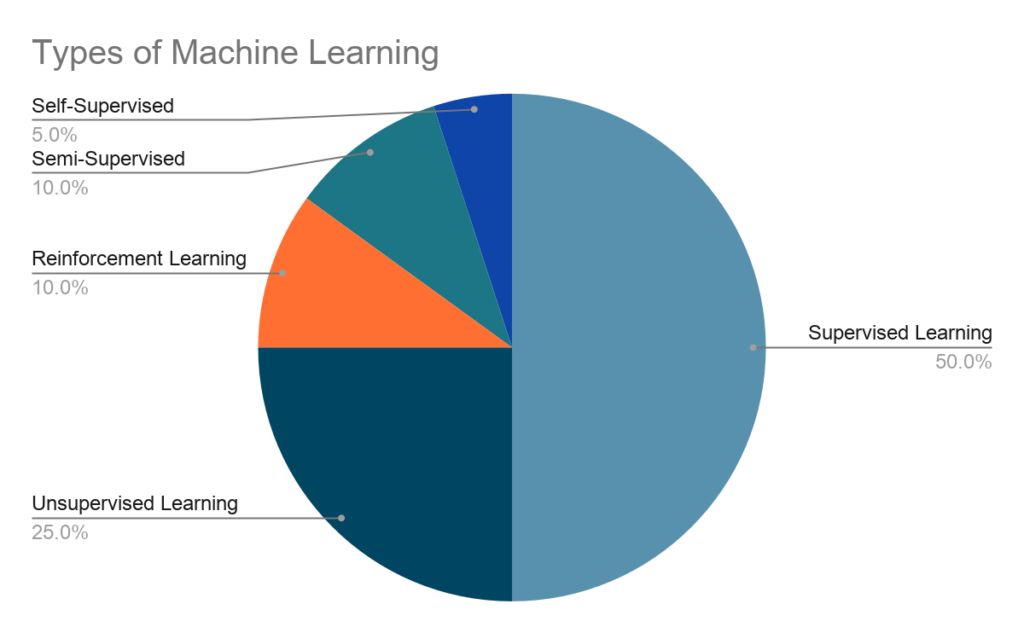
Machine learning can be broadly categorized into three main types:
- Supervised Learning: In this type, the model is trained using labeled data, meaning the correct output is already known. For example, predicting house prices based on historical data.
- Unsupervised Learning: Here, the model works with unlabeled data and tries to find hidden patterns or groupings, such as customer segmentation.
- Reinforcement Learning: This involves learning through trial and error, where the model is rewarded for correct actions and penalized for mistakes.
In web applications, machine learning is used in various ways. It powers recommendation systems that suggest products, movies, or content based on user preferences. It is also used in search engines to deliver more accurate results, in spam detection systems to filter unwanted messages, and in chatbots to understand and respond to user queries.
One of the key advantages of machine learning is its ability to improve over time. As more data becomes available, the model can be retrained to become more accurate and efficient. This continuous learning capability makes ML highly valuable for dynamic environments where user behavior and trends keep changing.
However, machine learning also comes with challenges. It requires large amounts of data, computational power, and proper tuning to achieve good results. Additionally, ensuring data privacy and avoiding biased predictions are important considerations while building ML systems.
In summary, machine learning is a powerful technology that allows systems to learn from data and make intelligent decisions. It forms the backbone of smart web applications, enabling features like personalization, automation, and predictive analytics. Understanding its basics is the first step toward building advanced, data-driven applications.
Types of Machine Learning
- Supervised Learning
Supervised learning is the most widely used type of machine learning where the model is trained on labeled data, meaning each input comes with a correct output. The system learns the relationship between input and output and uses it to make accurate predictions on new data. It is mainly used for classification and regression tasks, such as spam detection, image recognition, and price prediction. This approach is highly effective when a large amount of labeled data is available.
- Unsupervised Learning
Unsupervised learning works with unlabeled data, where the system tries to find hidden patterns, structures, or relationships on its own. Instead of predicting outputs, it focuses on grouping and organizing data into meaningful clusters. This type is commonly used for customer segmentation, recommendation systems, and data analysis. It helps businesses understand user behavior and discover insights that are not immediately visible.
- Reinforcement Learning
Reinforcement learning is based on a reward-based system where an agent learns by interacting with an environment. The model takes actions and receives feedback in the form of rewards or penalties, helping it improve over time. The goal is to maximize rewards by making better decisions. It is widely used in game development, robotics, and autonomous systems, where continuous learning and adaptation are required.
- Semi-Supervised Learning
Semi-supervised learning is a hybrid approach that combines both labeled and unlabeled data. Since labeling data can be time-consuming and expensive, this method uses a small amount of labeled data along with a large amount of unlabeled data to improve learning accuracy. It is especially useful in real-world applications like image classification, speech recognition, and web data processing, where obtaining fully labeled datasets is difficult.
- Self-Supervised Learning
Self-supervised learning is an advanced technique where the model creates its own labels from the data instead of relying on external labeling. It learns by predicting missing or hidden parts of the input data, making it highly efficient for large datasets. This approach is widely used in modern AI systems, especially in language models, chatbots, and content recommendation systems. It reduces dependency on manual data labeling and enables scalable learning.
AI vs Machine Learning
Artificial Intelligence (AI) and Machine Learning (ML) are often used interchangeably, but they are not the same. While both are closely related and work together to create intelligent systems, they have different scopes, functionalities, and roles in technology. Understanding the difference between AI and Machine Learning is essential for building smart web applications and using these technologies effectively.
Artificial Intelligence is a broad concept that refers to the ability of machines to mimic human intelligence. It includes tasks such as reasoning, problem-solving, decision-making, understanding language, and even recognizing images or speech. AI aims to create systems that can perform tasks that typically require human intelligence. These systems can be rule-based or data-driven and are designed to act intelligently in different situations.
On the other hand, Machine Learning is a subset of AI. It focuses specifically on enabling machines to learn from data and improve their performance over time without being explicitly programmed. Instead of following fixed instructions, ML models use algorithms to analyze data, identify patterns, and make predictions. In simple terms, ML is one of the ways through which AI is achieved.
One of the key differences lies in how they operate. AI can work using predefined rules and logic, where the system is programmed to respond in certain ways based on conditions. For example, a simple chatbot that responds to fixed keywords is using basic AI. In contrast, machine learning systems learn from data and become better with experience. For instance, an advanced chatbot that understands context and improves responses over time is powered by machine learning.
Another important difference is their scope. AI covers a wide range of technologies, including Machine Learning, Natural Language Processing (NLP), Computer Vision, robotics, and expert systems. Machine Learning, however, is limited to data-driven learning and prediction models. This means all machine learning applications fall under AI, but not all AI systems use machine learning.
In terms of data dependency, machine learning heavily relies on large amounts of data to function effectively. The more quality data it receives, the better it performs. AI, in general, may or may not depend on data, as some AI systems are rule-based and do not require learning from data. However, modern AI systems increasingly rely on machine learning for better accuracy and adaptability.
When it comes to application in web development, AI is used to create intelligent systems such as chatbots, voice assistants, recommendation engines, and automated workflows. Machine learning specifically powers the learning and prediction aspects of these systems. For example, AI may define the overall chatbot system, while ML helps it understand user queries and improve responses over time.
Another distinction can be seen in decision-making. AI systems can make decisions based on programmed logic or learned patterns, while ML systems make decisions purely based on the data they have been trained on. This makes machine learning more flexible and adaptive, especially in dynamic environments where patterns keep changing.
In terms of complexity, AI is a larger and more complex field that includes multiple technologies and approaches. Machine learning, although complex on its own, is more focused and deals specifically with algorithms and data models. Developers often use ML as a tool within AI to build smarter and more efficient applications.
To summarize, Artificial Intelligence is the overall concept of creating intelligent machines, while Machine Learning is a specific approach within AI that allows machines to learn from data. AI provides the goal of simulating human intelligence, and ML provides the method to achieve it through learning and adaptation.
In conclusion, both AI and Machine Learning play a crucial role in modern technology and web development. They complement each other to create smart, efficient, and user-friendly applications. Understanding their differences and how they work together helps developers build more advanced and intelligent systems that can meet the growing demands of users and businesses.
Core Components of Smart Apps
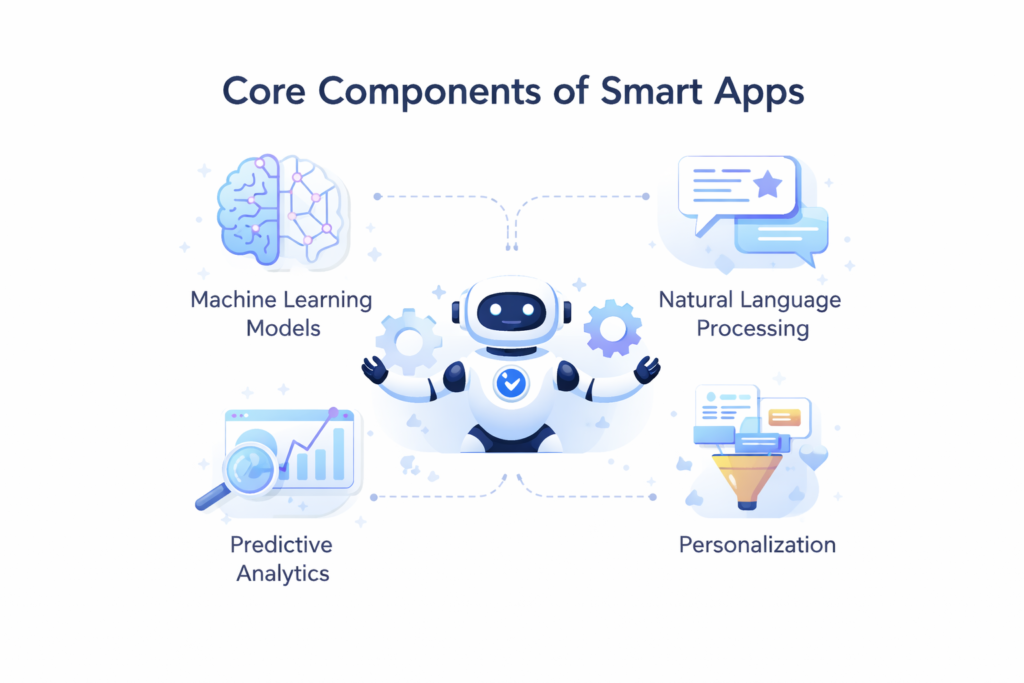
Smart applications are built using a combination of advanced technologies and structured components that enable them to learn, adapt, and deliver intelligent experiences. Unlike traditional apps, smart apps rely heavily on data, algorithms, and real-time processing to function effectively. Understanding the core components of smart applications is essential for developing scalable and efficient systems.
One of the most important components is data. Data acts as the foundation of any smart application. It includes user behavior, interactions, preferences, transaction history, and more. The quality and quantity of data directly impact the performance of the application. Smart apps continuously collect data from various sources such as user inputs, sensors, APIs, and third-party integrations. This data is then used to train models, generate insights, and improve decision-making.
Closely related to data is data processing and management. Raw data cannot be used directly, so it must be cleaned, structured, and transformed into a usable format. This involves removing errors, handling missing values, and organizing data efficiently. Data pipelines are often used to automate this process, ensuring that the system always has access to updated and accurate data. Efficient data management also ensures faster processing and better scalability.
Another key component is machine learning models and algorithms. These are the brains behind smart applications. ML models analyze data, identify patterns, and make predictions or decisions. Different algorithms are used depending on the use case, such as recommendation systems, classification models, or clustering techniques. These models are trained using historical data and continuously improved with new data to enhance accuracy.
Artificial Intelligence logic and decision-making systems are also crucial. This component allows the application to act intelligently based on the insights generated by machine learning models. It includes rule-based systems, decision trees, and automated workflows that help the app respond to different situations. For example, an e-commerce app may automatically recommend products or trigger discounts based on user activity.
The user interface (UI) and user experience (UX) play a vital role in smart applications. No matter how advanced the backend is, the application must present information in a simple, intuitive, and engaging way. Smart apps often use dynamic interfaces that adapt based on user behavior. Features like personalized dashboards, smart suggestions, and real-time updates enhance the overall user experience.
Another essential component is APIs and integrations. Smart applications often rely on external services and platforms to enhance their functionality. APIs allow different systems to communicate with each other, enabling features like payment gateways, social media integration, cloud services, and third-party AI tools. This makes the application more flexible and feature-rich.
Cloud infrastructure is also a key part of smart applications. Since these apps require large-scale data processing and storage, cloud platforms provide the necessary scalability and performance. Cloud services allow applications to handle heavy workloads, store massive datasets, and deploy machine learning models efficiently. They also support real-time processing, which is essential for delivering instant responses.
Real-time processing and analytics enable smart apps to respond instantly to user actions. Instead of processing data in batches, smart applications analyze data as it is generated. This allows features like live recommendations, instant notifications, and dynamic content updates. Real-time capabilities are especially important in applications like e-commerce, finance, and streaming platforms.
Security is another critical component. Smart applications deal with large amounts of sensitive data, so data security and privacy must be ensured. This includes encryption, authentication, access control, and compliance with data protection regulations. AI can also be used to detect unusual activities and prevent potential threats.
Finally, continuous learning and improvement is what truly makes an application “smart.” These applications do not remain static; they evolve over time. By continuously collecting new data and retraining models, smart apps improve their accuracy, performance, and user experience. This adaptability ensures that the application remains relevant in a constantly changing environment.
In conclusion, smart applications are built on a strong foundation of data, algorithms, infrastructure, and user-centric design. Each component plays a crucial role in making the system intelligent, scalable, and efficient. When all these components work together seamlessly, they create powerful applications that can learn, adapt, and deliver highly personalized experiences to users
Data Collection & Processing
Data collection and processing are fundamental steps in building smart web applications powered by AI and Machine Learning. These steps ensure that the system has access to high-quality, relevant, and structured data, which is essential for accurate predictions, better decision-making, and improved user experiences. Without proper data collection and processing, even the most advanced algorithms cannot deliver effective results.
Data collection refers to the process of gathering information from various sources. In smart web applications, data can come from multiple channels such as user interactions, website analytics, mobile apps, social media platforms, sensors, APIs, and databases. For example, when users browse a website, click on products, or perform searches, all these actions generate valuable data. This data helps in understanding user behavior, preferences, and patterns.
There are different types of data collected in web applications. Structured data includes organized information such as user profiles, transaction records, and database entries. Unstructured data includes text, images, videos, and social media content, which require additional processing to extract meaningful insights. Both types of data are important for building intelligent systems.
Once the data is collected, the next step is data processing. Raw data is often incomplete, inconsistent, or noisy, so it needs to be cleaned and prepared before it can be used. This process is known as data preprocessing. It involves tasks such as removing duplicate entries, handling missing values, correcting errors, and converting data into a standard format. Proper preprocessing improves the quality of data and ensures better performance of machine learning models.
Another important aspect is data transformation. In this step, data is converted into a format suitable for analysis and model training. This may include normalization, scaling, encoding categorical variables, or converting text into numerical representations. For example, in a recommendation system, user preferences may be transformed into numerical values that the model can understand.
Data integration is also a key part of processing. Since data often comes from multiple sources, it needs to be combined into a unified system. This ensures consistency and allows the application to use all available information effectively. For instance, combining data from a website, mobile app, and CRM system can provide a complete view of user behavior.
Modern applications often rely on real-time data processing. Instead of processing data in batches, smart apps analyze data as it is generated. This enables features like instant recommendations, live notifications, and dynamic content updates. Real-time processing is especially important in applications such as e-commerce, finance, and online streaming.
Data storage and management also play a crucial role. After processing, data needs to be stored efficiently in databases, data warehouses, or cloud storage systems. Proper data management ensures quick access, scalability, and security. Technologies like cloud computing allow applications to handle large volumes of data without performance issues.
Security and privacy are critical during both data collection and processing. Applications must ensure that user data is protected through encryption, secure access controls, and compliance with data protection regulations. Ethical data handling builds user trust and prevents misuse of sensitive information.
Another important concept is data pipelines. A data pipeline is a set of automated processes that collect, process, and move data from one system to another. It ensures that data flows smoothly and is always up-to-date. This automation reduces manual effort and increases efficiency in handling large datasets.
In conclusion, data collection and processing are the backbone of smart web applications. They provide the necessary input for machine learning models and enable intelligent decision-making. By ensuring high-quality data, efficient processing, and secure management, developers can build powerful applications that deliver accurate, personalized, and real-time experiences to users.
Importance of Big Data
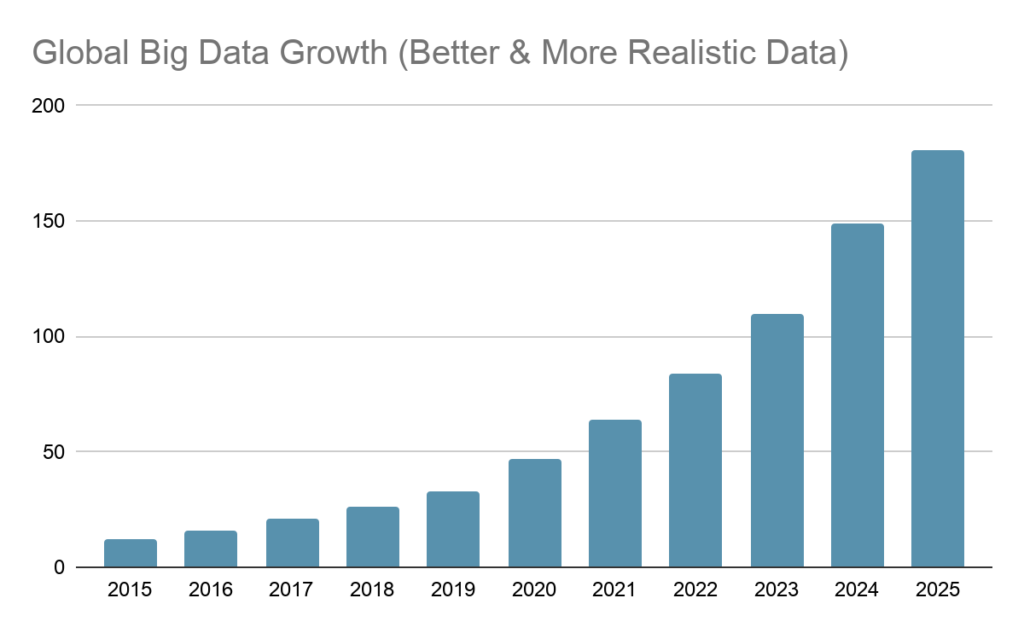
Big Data plays a crucial role in modern smart web applications, especially those powered by Artificial Intelligence and Machine Learning. It refers to extremely large and complex datasets that cannot be processed using traditional data management tools. These datasets are generated from various sources such as websites, mobile apps, social media, sensors, and online transactions. The importance of Big Data lies in its ability to provide deep insights, improve decision-making, and enhance overall application performance.
One of the key reasons Big Data is important is because it enables better decision-making. Organizations can analyze massive amounts of data to identify patterns, trends, and user behavior. This helps businesses make informed decisions rather than relying on assumptions. For example, companies can understand what users prefer, which products perform well, and what strategies drive engagement.
Big Data also plays a major role in personalization. Smart web applications use large datasets to deliver customized experiences to users. By analyzing user behavior, preferences, and interaction history, applications can recommend relevant content, products, or services. This level of personalization increases user satisfaction and improves retention rates.
Another important aspect is predictive analytics. With the help of Big Data, systems can predict future outcomes based on historical data. For instance, e-commerce platforms can forecast demand, streaming platforms can suggest content, and financial systems can detect potential risks. This predictive capability allows businesses to stay ahead of trends and make proactive decisions.
Big Data significantly improves performance and efficiency. By analyzing operational data, organizations can identify inefficiencies, optimize processes, and reduce costs. For example, web applications can monitor server performance, user traffic, and system behavior to ensure smooth functioning and faster response times.
In the context of AI and Machine Learning, Big Data is essential for training accurate models. Machine learning algorithms require large volumes of data to learn patterns effectively. The more data available, the better the model can perform. High-quality datasets lead to more accurate predictions and improved system intelligence.
Another major benefit is real-time insights. Big Data technologies allow applications to process and analyze data instantly. This enables features like live recommendations, instant notifications, and dynamic content updates. Real-time processing is especially valuable in industries like e-commerce, finance, and social media.
Big Data also enhances customer understanding. By collecting and analyzing data from multiple touchpoints, businesses can gain a 360-degree view of their customers. This helps in creating targeted marketing campaigns, improving customer service, and building stronger relationships.
Security is another area where Big Data proves valuable. It helps in fraud detection and risk management by identifying unusual patterns and suspicious activities. Systems can analyze large datasets to detect anomalies and prevent potential threats before they cause damage.
However, managing Big Data also comes with challenges such as data storage, processing complexity, and privacy concerns. Organizations must ensure proper data governance, security measures, and compliance with regulations to handle data responsibly.
In conclusion, Big Data is a powerful asset in building smart web applications. It enables better decision-making, enhances personalization, supports predictive analytics, and improves overall efficiency. As the volume of data continues to grow, the importance of Big Data will only increase, making it a key driver of innovation and success in the digital world.
User Personalization with AI
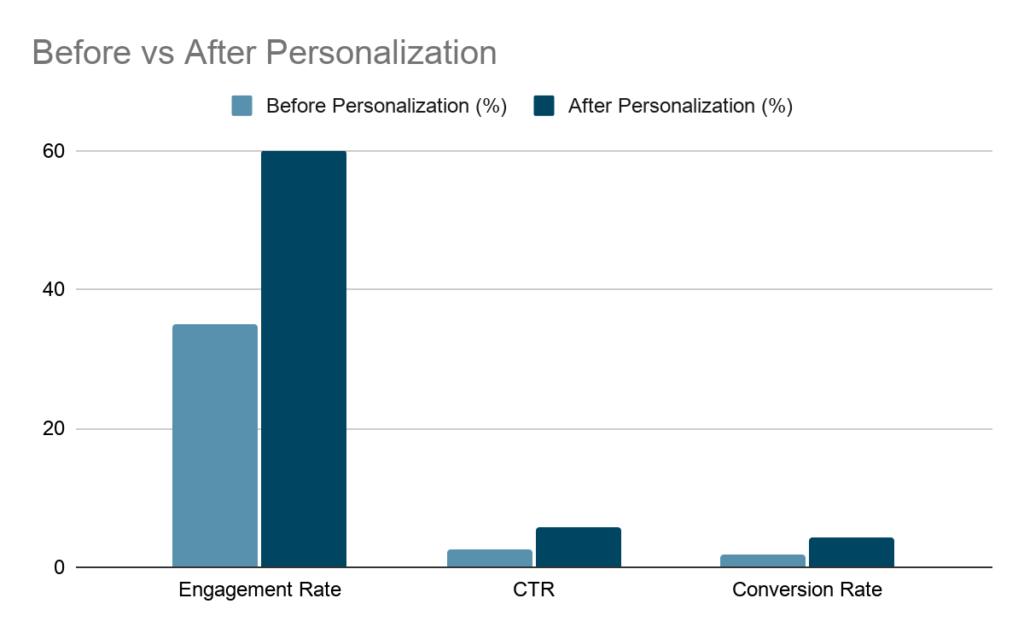
User personalization with AI is one of the most powerful features of modern smart web applications. It refers to the ability of a system to deliver customized experiences to each user based on their behavior, preferences, and interactions. Instead of showing the same content to everyone, AI enables applications to adapt dynamically and provide relevant suggestions, content, and features for individual users.
At the core of personalization is data collection and analysis. AI systems gather data such as browsing history, search queries, clicks, purchase behavior, location, and time spent on pages. This data is then analyzed using machine learning algorithms to understand user preferences and patterns. Based on these insights, the system can predict what a user is likely to be interested in.
One of the most common applications of AI-driven personalization is recommendation systems. These systems suggest products, movies, articles, or services based on user behavior. For example, an e-commerce website may recommend items similar to what a user has previously viewed or purchased. Similarly, content platforms suggest videos or blogs based on past interactions. This makes the experience more engaging and relevant for users.
AI also enables dynamic content customization. Websites can change their layout, banners, or displayed content depending on the user. For instance, a returning user might see personalized offers or recently viewed items, while a new user might see trending products or general recommendations. This real-time adaptation improves user engagement and increases the chances of conversion.
Another important aspect is behavioral targeting. AI tracks how users interact with a website and uses this information to deliver targeted advertisements and messages. Instead of showing random ads, users see content that aligns with their interests, which improves click-through rates and overall marketing effectiveness.
Personalized search results are another key feature. AI enhances search functionality by understanding user intent and past behavior. When a user searches for something, the results are tailored to match their preferences, making it easier and faster to find relevant information.
AI-powered personalization also plays a major role in email marketing and notifications. Users receive personalized emails, product suggestions, and alerts based on their activity. For example, reminders for abandoned carts, special discounts, or updates about preferred products. This targeted communication increases user engagement and boosts retention.
In addition, AI enables real-time personalization. Unlike traditional systems that rely on static data, AI can analyze user actions instantly and adjust the experience accordingly. For example, if a user suddenly starts searching for a new category of products, the system can immediately update recommendations and content.
From a business perspective, user personalization leads to higher engagement, better user satisfaction, and increased conversions. When users feel that a platform understands their needs, they are more likely to stay longer, interact more, and make purchases.
However, personalization must be balanced with data privacy and security. Users should be informed about how their data is used, and applications must follow proper data protection practices to build trust and ensure compliance with regulations.
In conclusion, AI-driven user personalization transforms the way users interact with web applications. By delivering relevant, tailored, and real-time experiences, it enhances user satisfaction and helps businesses achieve better results. As AI technology continues to evolve, personalization will become even more advanced, making digital experiences more intuitive and user-centric.
Chatbots and Virtual Assistants
Chatbots and virtual assistants have become an essential part of modern smart web applications, playing a key role in enhancing user interaction, automating tasks, and improving customer experience. These AI-powered systems are designed to simulate human conversation and provide instant responses to user queries, making digital platforms more interactive and efficient.
A chatbot is a software application that can communicate with users through text or voice interfaces. It is commonly integrated into websites, mobile apps, and messaging platforms to handle customer queries, provide information, and assist users in real time. On the other hand, a virtual assistant is a more advanced system that not only communicates but also performs tasks, understands context, and learns from interactions. Virtual assistants can manage schedules, provide recommendations, and execute complex commands.
One of the primary advantages of chatbots and virtual assistants is 24/7 availability. Unlike human support teams, these systems can operate continuously without breaks, ensuring that users receive immediate assistance at any time. This significantly improves customer satisfaction and reduces response time.
These systems are powered by technologies like Artificial Intelligence, Machine Learning, and Natural Language Processing (NLP). NLP allows chatbots to understand human language, interpret user intent, and respond in a natural and meaningful way. Machine learning enables them to improve over time by learning from past interactions, making their responses more accurate and relevant.
There are different types of chatbots based on their complexity. Rule-based chatbots follow predefined scripts and respond to specific keywords or commands. They are simple and easy to implement but limited in functionality. In contrast, AI-powered chatbots are more advanced and can understand context, handle complex queries, and provide personalized responses. These bots use machine learning models to continuously improve their performance.
Chatbots and virtual assistants are widely used in customer support. They can handle frequently asked questions, guide users through processes, resolve common issues, and even escalate complex queries to human agents when needed. This reduces the workload on support teams and allows businesses to focus on more critical tasks.
In e-commerce applications, chatbots assist users in finding products, recommending items, tracking orders, and providing updates. They create a personalized shopping experience by understanding user preferences and suggesting relevant products. This not only improves user engagement but also increases sales and conversions.
Another important use case is in lead generation and marketing. Chatbots can interact with website visitors, collect user information, and qualify leads by asking relevant questions. They can also deliver personalized offers, promotions, and follow-up messages, making marketing efforts more effective.
Virtual assistants go a step further by enabling task automation. They can perform actions such as booking appointments, setting reminders, sending emails, and managing workflows. In web applications, this means users can complete tasks more efficiently without navigating multiple pages or forms.
Voice-based assistants are also becoming increasingly popular. These systems allow users to interact using voice commands, making applications more accessible and user-friendly. Voice search and voice navigation are key features that enhance the overall user experience.
Another significant benefit is cost efficiency. By automating repetitive tasks and reducing the need for large customer support teams, businesses can save operational costs while maintaining high-quality service.
However, there are challenges as well. Chatbots must be designed carefully to avoid misunderstandings and provide accurate responses. Handling complex queries, maintaining conversational flow, and ensuring data privacy are important considerations. Poorly designed bots can lead to frustration and negatively impact user experience.
In conclusion, chatbots and virtual assistants are powerful tools that enhance the functionality of smart web applications. They provide instant support, automate tasks, and deliver personalized experiences, making digital interactions more efficient and engaging. As AI technology continues to advance, these systems will become even more intelligent, capable, and human-like, playing an even bigger role in the future of web development.
Natural Language Processing (NLP)
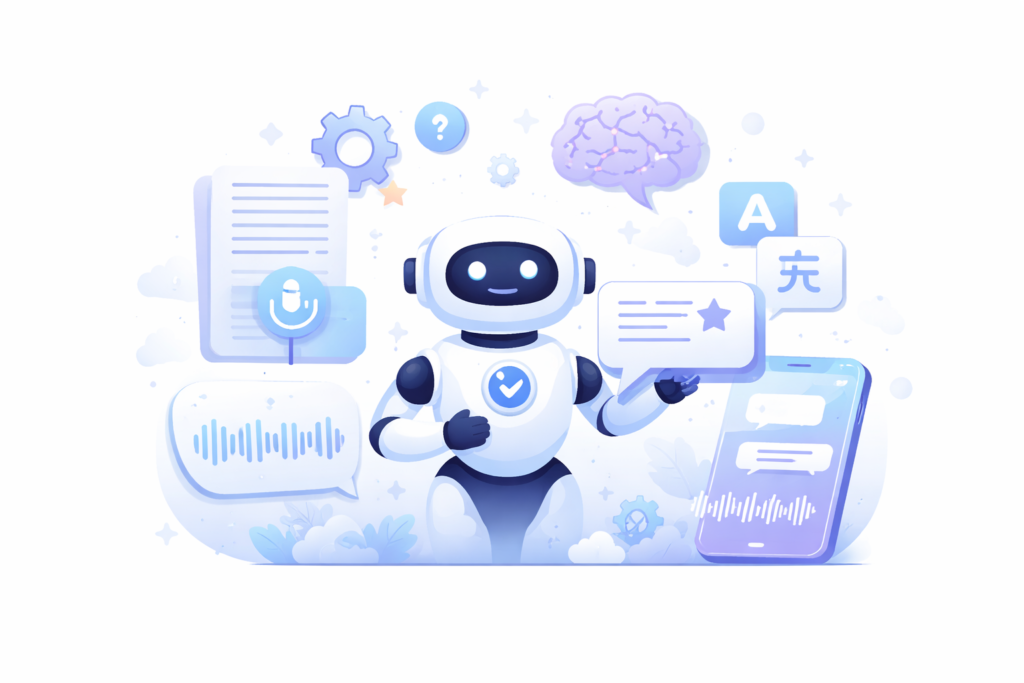
Natural Language Processing (NLP) is a key area of Artificial Intelligence that focuses on enabling machines to understand, interpret, and respond to human language in a meaningful way. It bridges the gap between human communication and computer understanding, allowing systems to process text and speech just like humans do. In smart web applications, NLP plays a crucial role in improving interaction, automation, and overall user experience.
At its core, NLP combines linguistics, computer science, and machine learning to analyze language data. Human language is complex, filled with variations, slang, grammar rules, and context. NLP systems are designed to handle this complexity by breaking down language into smaller components and extracting meaningful insights from it.
One of the primary functions of NLP is text processing. This involves tasks like tokenization (breaking text into words or sentences), removing stop words (common words like “the” and “is”), and stemming or lemmatization (reducing words to their base form). These steps help machines understand the structure and meaning of text more effectively.
Another important aspect is syntax and semantic analysis. Syntax analysis focuses on the grammatical structure of a sentence, while semantic analysis deals with the meaning behind the words. For example, NLP can differentiate between similar sentences with different meanings based on context. This helps applications understand user intent more accurately.
NLP is widely used in chatbots and virtual assistants, where it enables systems to understand user queries and provide relevant responses. Instead of relying on fixed commands, NLP allows these systems to interpret natural language, making conversations more human-like and interactive.
One of the most powerful applications of NLP is sentiment analysis. This technique is used to determine the emotional tone behind a piece of text, such as whether it is positive, negative, or neutral. Businesses use sentiment analysis to understand customer feedback, reviews, and social media conversations, helping them improve their products and services.
Another key use case is language translation. NLP powers translation tools that convert text from one language to another while maintaining meaning and context. This makes web applications accessible to a global audience and improves communication across different regions.
NLP also enhances search engines by improving search accuracy and relevance. Instead of matching keywords exactly, NLP-based search systems understand the intent behind a query and deliver more meaningful results. Features like auto-suggestions, voice search, and question-based queries are all powered by NLP.
In addition, NLP is used for text summarization, where long pieces of content are automatically shortened while preserving key information. This is especially useful for blogs, articles, and reports, helping users quickly understand the main points.
Speech recognition is another important application of NLP. It allows systems to convert spoken language into text and respond accordingly. This technology is used in voice assistants, voice search, and accessibility features, making applications more user-friendly.
From a technical perspective, NLP relies on machine learning and deep learning models. These models are trained on large datasets to understand language patterns, context, and meaning. Advanced models can even understand nuances like sarcasm, tone, and intent, making interactions more accurate.
However, NLP also comes with challenges. Human language is highly diverse and constantly evolving, making it difficult for machines to fully understand context and ambiguity. Handling multiple languages, dialects, and cultural differences adds to the complexity. Ensuring accuracy and avoiding bias in language models are also important concerns.
In conclusion, Natural Language Processing is a powerful technology that enables machines to interact with humans in a natural and meaningful way. It plays a vital role in smart web applications by improving communication, enhancing user experience, and enabling advanced features like chatbots, search optimization, and sentiment analysis. As NLP continues to evolve, it will make digital interactions more seamless, intelligent, and human-like.
Computer Vision in Web Apps
Computer Vision is a field of Artificial Intelligence that enables machines to interpret and understand visual data such as images and videos. In the context of web applications, computer vision allows systems to analyze visual content, detect patterns, and make intelligent decisions based on what they “see.” This technology is transforming how users interact with digital platforms by adding a visual layer of intelligence.
At its core, computer vision works by using machine learning and deep learning models, especially convolutional neural networks (CNNs), to process and analyze images. These models are trained on large datasets of images to recognize objects, patterns, colors, shapes, and even human faces. Once trained, they can identify and classify visual elements in real-time.
One of the most common applications of computer vision in web apps is image recognition. This allows applications to identify objects within an image. For example, an e-commerce website can let users upload a product image and find similar items available on the platform. This feature improves search functionality and enhances user convenience.
Another important use case is face detection and recognition. Web applications use this technology for login authentication, user verification, and personalized experiences. It can identify individuals based on facial features and provide secure access to accounts. This is widely used in banking, social media, and security-focused platforms.
Computer vision also enables visual search, which is becoming increasingly popular. Instead of typing keywords, users can search using images. The system analyzes the uploaded image and returns visually similar results. This makes searching faster and more intuitive, especially in industries like fashion and retail.
In addition, computer vision is used for content moderation. Web platforms can automatically detect inappropriate or harmful images and videos, ensuring that content meets platform guidelines. This helps maintain a safe and user-friendly environment without relying entirely on manual review.
Another powerful application is optical character recognition (OCR). OCR allows systems to extract text from images or scanned documents. This is useful for digitizing documents, processing forms, and enabling features like scanning text directly from images within a web application.
Computer vision also enhances user engagement through interactive features. For example, applications can use augmented reality (AR) to allow users to try products virtually, such as trying on clothes, glasses, or makeup. This creates a more immersive and engaging experience.
In industries like healthcare, computer vision in web apps is used for medical image analysis, helping in detecting diseases from X-rays or scans. In security, it is used for surveillance and anomaly detection, identifying suspicious activities in real-time.
From a technical perspective, integrating computer vision into web applications involves using APIs, cloud services, and AI frameworks. Developers can use pre-trained models or build custom models depending on the application requirements. Cloud platforms make it easier to process large volumes of visual data efficiently.
However, there are challenges associated with computer vision. Processing images and videos requires high computational power and storage. Ensuring accuracy in different lighting conditions, angles, and environments can be difficult. Additionally, privacy concerns must be addressed, especially when dealing with facial recognition and personal data.
In conclusion, computer vision is a powerful technology that adds visual intelligence to web applications. It enables features like image recognition, facial detection, visual search, and augmented reality, making applications more interactive and user-friendly. As technology continues to advance, computer vision will play an even bigger role in shaping the future of smart web applications.
Predictive Analytics
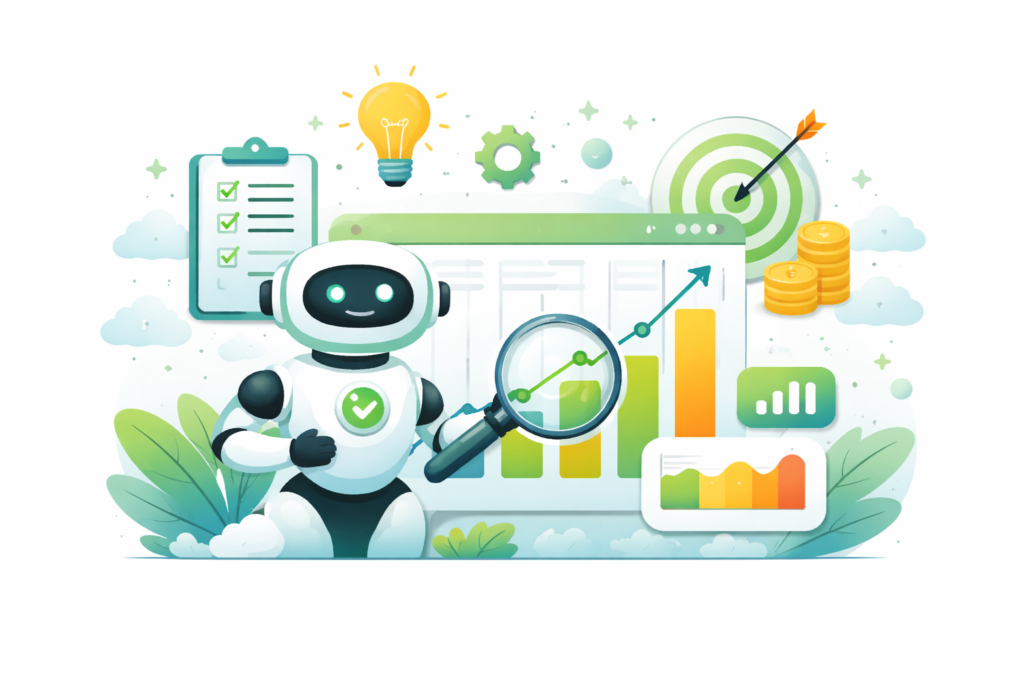
Predictive Analytics is a powerful application of Artificial Intelligence and Machine Learning that focuses on using historical data to predict future outcomes and trends. In smart web applications, it plays a crucial role in helping businesses and systems make data-driven decisions, improve user experience, and stay ahead of changing user behavior.
At its core, predictive analytics works by analyzing past data, identifying patterns, and using statistical models and machine learning algorithms to forecast what is likely to happen next. Instead of just understanding what has already happened (descriptive analytics), predictive analytics answers the question: “What is likely to happen in the future?”
The process begins with data collection, where large amounts of historical and real-time data are gathered from various sources such as user activity, transactions, search behavior, and system logs. This data is then cleaned and processed to ensure accuracy. After preprocessing, machine learning models are trained on this data to identify patterns and relationships.
One of the key strengths of predictive analytics is its ability to improve decision-making. Businesses can use predictions to plan strategies, optimize operations, and reduce risks. For example, an e-commerce platform can predict which products will be in high demand and adjust inventory accordingly. This helps in avoiding stock shortages or overstocking.
In web applications, predictive analytics is widely used for user behavior prediction. By analyzing how users interact with a platform, systems can predict what a user is likely to do next. This enables features like personalized recommendations, targeted content, and customized user journeys. For instance, a website can suggest products or articles based on what a user is most likely to engage with.
Another important use case is recommendation systems. Platforms use predictive models to suggest products, movies, or content that users might be interested in. These systems analyze past behavior, preferences, and interactions to deliver highly relevant suggestions, improving engagement and satisfaction.
Predictive analytics also plays a major role in marketing and customer targeting. Businesses can predict which users are more likely to convert, which customers might leave (churn prediction), and what type of content or offers will be most effective. This allows for more efficient and personalized marketing campaigns.
In addition, it is widely used in fraud detection and risk management. By identifying unusual patterns or anomalies in data, predictive models can detect potential fraud or security threats. For example, in financial applications, the system can flag suspicious transactions before they are completed.
Another key benefit is performance optimization. Predictive analytics helps in forecasting traffic, server load, and system performance. This allows web applications to scale resources efficiently and maintain smooth performance even during peak usage.
From a technical perspective, predictive analytics uses techniques such as regression analysis, classification, time-series forecasting, and machine learning algorithms. These models are continuously updated with new data to improve accuracy and adapt to changing trends.
However, predictive analytics also comes with challenges. The accuracy of predictions depends heavily on the quality and quantity of data. Poor or biased data can lead to incorrect predictions. Additionally, maintaining data privacy and ensuring ethical use of data are critical considerations.
In conclusion, predictive analytics is a key component of smart web applications that enables systems to anticipate future outcomes and make intelligent decisions. By leveraging data and advanced algorithms, it helps businesses improve efficiency, enhance user experience, and gain a competitive advantage. As data continues to grow, predictive analytics will become even more important in shaping intelligent and proactive digital solutions.
AI Tools and Frameworks
AI tools and frameworks are essential for building smart web applications, as they provide developers with the necessary libraries, platforms, and pre-built models to create intelligent systems efficiently. Instead of building everything from scratch, these tools simplify the development process, reduce time, and improve the performance of AI-powered applications.
One of the most widely used frameworks is TensorFlow, developed by Google. It is an open-source machine learning framework that allows developers to build, train, and deploy models for various tasks such as image recognition, natural language processing, and predictive analytics. TensorFlow is highly scalable and supports both beginners and advanced users, making it a popular choice in the industry.
Another popular framework is PyTorch, developed by Meta (Facebook). It is known for its flexibility and ease of use, especially in research and development. PyTorch provides dynamic computation graphs, which makes it easier to debug and experiment with models. It is widely used in deep learning applications such as computer vision and NLP.
Scikit-learn is another important tool, mainly used for traditional machine learning tasks. It provides simple and efficient tools for data analysis, classification, regression, and clustering. It is beginner-friendly and ideal for building basic machine learning models quickly.
For natural language processing tasks, tools like NLTK (Natural Language Toolkit) and spaCy are widely used. These frameworks help in text processing, tokenization, sentiment analysis, and language understanding. They are essential for building chatbots, search engines, and text-based applications.
When it comes to integrating AI into web applications, APIs and AI services play a major role. Platforms like OpenAI APIs, Google AI, and Microsoft Azure AI provide pre-trained models that developers can easily integrate into their applications. These APIs support features like text generation, image recognition, speech processing, and more, reducing the need for complex model training.
Cloud-based AI platforms are also a key part of modern development. Services like Amazon Web Services (AWS), Google Cloud AI, and Microsoft Azure offer scalable infrastructure for training, deploying, and managing AI models. These platforms provide tools for data storage, model deployment, and real-time processing, making it easier to handle large-scale applications.
For computer vision tasks, frameworks like OpenCV are widely used. OpenCV provides tools for image processing, object detection, and video analysis. It is commonly used in applications that require visual recognition and analysis.
Another important category is AutoML tools, which automate the process of building machine learning models. These tools allow developers to create models without deep expertise in machine learning by automatically selecting algorithms, tuning parameters, and optimizing performance.
AI tools also include model deployment and monitoring platforms. Tools like Docker and Kubernetes help in deploying AI models into production environments, ensuring scalability and reliability. Monitoring tools track model performance and help in maintaining accuracy over time.
One of the biggest advantages of using AI tools and frameworks is efficiency and speed. Developers can focus more on solving problems rather than building complex systems from scratch. These tools also ensure better accuracy, scalability, and performance of applications.
However, choosing the right tool depends on the project requirements, complexity, and available resources. Some frameworks are better suited for research, while others are ideal for production-level applications.
In conclusion, AI tools and frameworks are the backbone of modern smart web application development. They provide the necessary support to build intelligent, scalable, and efficient systems. By leveraging these tools, developers can create powerful applications that deliver advanced features and enhanced user experiences.
AI Model Integration in Web Apps
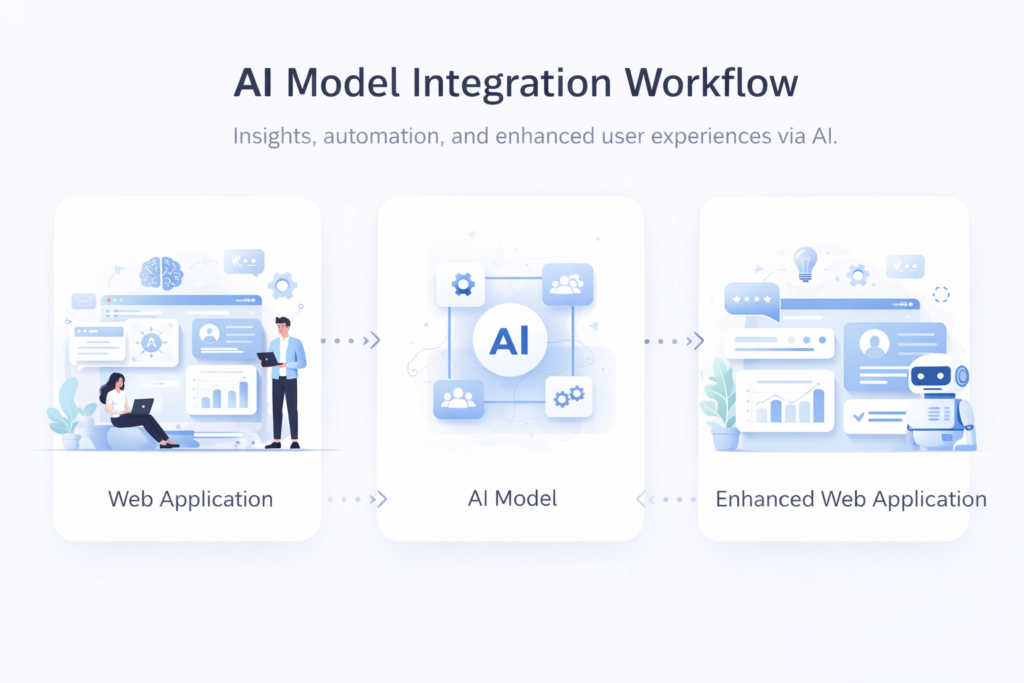
AI model integration is a crucial step in building smart web applications, as it connects trained machine learning models with real-world user interactions. While developing an AI model is important, its true value is realized only when it is successfully integrated into a web application where users can interact with it seamlessly.
The integration process begins after a model has been trained and tested. Once the model achieves satisfactory accuracy, it is prepared for deployment. This involves converting the model into a format that can be easily used within a web environment. Developers often optimize models to ensure they are lightweight, fast, and efficient for real-time usage.
One of the most common methods of integration is through APIs (Application Programming Interfaces). The AI model is hosted on a server, and the web application communicates with it via API calls. When a user performs an action—such as entering a query, uploading an image, or clicking a button—the request is sent to the AI model through the API. The model processes the input and returns a response, which is then displayed to the user.
Another approach is embedding models directly into the application, especially for lightweight use cases. For example, some models can run directly in the browser using technologies like JavaScript and WebAssembly. This reduces dependency on servers and improves response time, but it is usually limited to smaller models due to performance constraints.
Backend integration plays a major role in handling AI functionality. The server-side environment (such as Node.js, Python, or Java-based backends) manages communication between the front-end interface and the AI model. It handles tasks like request processing, authentication, and data flow, ensuring smooth interaction between components.
Cloud-based deployment is widely used for AI model integration. Platforms like AWS, Google Cloud, and Azure provide services to deploy and manage machine learning models at scale. These platforms offer features like auto-scaling, load balancing, and real-time processing, which are essential for handling large volumes of user requests.
Performance optimization is another key aspect of integration. AI models can be resource-intensive, so techniques like model compression, caching, and load balancing are used to improve speed and efficiency. Faster response times are critical for maintaining a good user experience, especially in real-time applications.
Security and privacy are also important considerations. Since AI models often process sensitive user data, developers must implement secure APIs, data encryption, and access control mechanisms. Ensuring that user data is handled safely builds trust and helps comply with data protection regulations.
Real-time interaction is a major benefit of integrating AI models into web apps. Users can receive instant responses, such as personalized recommendations, chatbot replies, or image analysis results. This creates a more dynamic and engaging experience compared to traditional static applications.
Testing and monitoring are essential after integration. Developers need to continuously monitor the model’s performance, accuracy, and response time. Over time, models may require updates or retraining to maintain their effectiveness as new data becomes available.
AI integration also supports scalability. As the number of users grows, the system should be able to handle increased demand without performance issues. Cloud infrastructure and microservices architecture help in scaling AI-powered applications efficiently.
In conclusion, AI model integration is the bridge between machine learning models and user-facing applications. It enables web apps to deliver intelligent features such as predictions, automation, and personalization in real time. By using APIs, cloud platforms, and optimized deployment strategies, developers can create powerful and scalable smart applications that provide seamless and intelligent user experiences.
Cloud Platforms for AI
Cloud platforms play a vital role in the development and deployment of AI-powered web applications. They provide the infrastructure, tools, and services required to build, train, and manage machine learning models at scale. Instead of relying on local systems with limited resources, developers can use cloud platforms to handle large datasets, complex computations, and real-time processing efficiently.
One of the biggest advantages of using cloud platforms for AI is scalability. AI models often require significant computational power, especially during training. Cloud platforms allow developers to scale resources up or down based on demand. This means applications can handle increasing data and user traffic without performance issues, making them ideal for growing businesses and large-scale applications.
Another key benefit is cost efficiency. Setting up AI infrastructure locally can be expensive, requiring high-performance hardware and maintenance. Cloud platforms follow a pay-as-you-go model, where users only pay for the resources they use. This reduces upfront costs and makes AI development more accessible to startups and small businesses.
Cloud platforms also provide pre-built AI and machine learning services. These include ready-to-use models for tasks like image recognition, speech processing, natural language understanding, and predictive analytics. Developers can integrate these services into their web applications without building models from scratch, saving time and effort.
Data storage and management is another important feature. AI applications generate and process massive amounts of data, which needs to be stored securely and accessed quickly. Cloud platforms offer advanced storage solutions such as data lakes and data warehouses, enabling efficient data handling and retrieval.
One of the most important aspects is model deployment and management. Cloud platforms make it easy to deploy trained models into production environments. They provide tools for version control, monitoring, and updating models, ensuring that applications run smoothly and maintain accuracy over time.
Cloud platforms also support real-time processing. This allows web applications to analyze data instantly and provide immediate responses, such as live recommendations, chatbot interactions, and dynamic content updates. Real-time capabilities are essential for delivering a seamless user experience.
Another major advantage is integration capabilities. Cloud platforms can easily integrate with various tools, APIs, and services, enabling developers to build complex and feature-rich applications. They support multiple programming languages and frameworks, making them flexible for different development needs.
Security is a critical component of cloud-based AI systems. Cloud providers offer advanced security features such as data encryption, identity management, and access control. These measures help protect sensitive data and ensure compliance with data protection regulations.
Some of the most popular cloud platforms for AI include Amazon Web Services (AWS), which offers services like SageMaker for building and deploying machine learning models; Google Cloud Platform (GCP), known for its powerful AI and data analytics tools; and Microsoft Azure, which provides a wide range of AI services and enterprise-level solutions. These platforms are widely used by developers and organizations worldwide.
Additionally, cloud platforms support collaboration and accessibility. Teams can work together from different locations, access shared resources, and manage projects more efficiently. This is especially important in modern development environments where remote work is common.
However, there are also challenges associated with cloud platforms, such as dependency on internet connectivity, potential latency issues, and concerns about data privacy. Proper planning and security measures are necessary to address these challenges.
In conclusion, cloud platforms are a backbone of modern AI development, enabling developers to build, deploy, and scale intelligent applications with ease. They provide the necessary infrastructure, tools, and flexibility required for handling complex AI workloads. As AI continues to grow, cloud platforms will remain essential in powering smart web applications and driving innovation in the digital world.
Challenges in AI Web Development
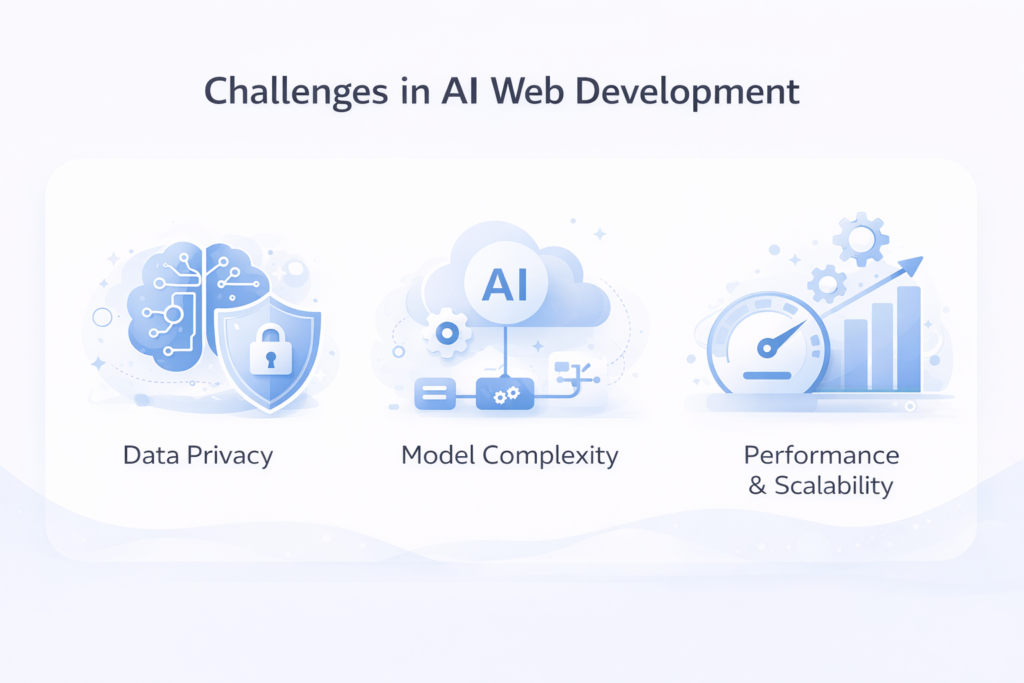
While AI-powered web applications offer advanced functionality and improved user experiences, building them comes with several challenges. Developers and businesses must overcome technical, operational, and ethical issues to create effective and reliable smart applications.
One of the biggest challenges is data quality and availability. AI models depend heavily on data, and if the data is incomplete, outdated, or biased, the results will be inaccurate. Collecting high-quality, relevant, and diverse datasets can be difficult and time-consuming. Poor data directly affects model performance and decision-making.
Another major issue is high development cost. Building AI-based web applications requires skilled professionals, powerful computing resources, and advanced tools. Training machine learning models, especially deep learning models, can be expensive due to the need for high-performance hardware and cloud resources. This can be a barrier for startups and small businesses.
Model accuracy and reliability are also critical concerns. Even well-trained models can make incorrect predictions or fail in unexpected scenarios. Ensuring consistent accuracy across different environments and datasets is a complex task. Continuous testing, monitoring, and retraining are required to maintain performance.
Integration of AI into web applications is another challenge. AI model integration and deployment can be complex, especially when dealing with real-time systems. Developers must ensure smooth communication between the front-end, back-end, and AI models while maintaining performance and scalability.
Scalability and performance issues often arise as the number of users grows. AI models can be resource-intensive, and handling large volumes of requests in real time requires efficient infrastructure and optimization techniques. Without proper scaling, applications may become slow or unresponsive.
Data privacy and security is a major concern in AI web development. Smart applications collect and process sensitive user data, making them vulnerable to breaches and misuse. Developers must implement strong security measures such as encryption, authentication, and compliance with data protection regulations to protect user information.
Another challenge is bias and ethical concerns. AI models can unintentionally learn biases from the data they are trained on, leading to unfair or discriminatory outcomes. Ensuring fairness, transparency, and ethical use of AI is essential, especially in applications that impact user decisions.
Lack of skilled professionals is also a significant hurdle. AI development requires expertise in machine learning, data science, and software engineering. Finding and retaining skilled talent can be difficult, which slows down development and innovation.
Maintenance and continuous learning is another ongoing challenge. AI models are not static—they need to be updated regularly with new data to remain accurate and relevant. This requires continuous monitoring, retraining, and optimization, which adds to the overall complexity.
There are also technical challenges such as handling large datasets, ensuring fast processing speeds, and managing infrastructure. Developers must choose the right tools, frameworks, and architectures to build efficient systems.
Finally, user trust and adoption can be a challenge. Users may be hesitant to rely on AI-driven systems, especially if they do not understand how decisions are made. Providing transparency and clear communication about how AI works can help build trust.
In conclusion, while AI brings powerful capabilities to web development, it also introduces several challenges that must be addressed carefully. From data quality and cost to security and ethics, each aspect requires proper planning and execution. Overcoming these challenges is essential for building reliable, scalable, and user-friendly smart web applications.
Future of AI in Web Apps
The future of AI in web applications is highly promising, as technology continues to evolve and reshape the digital landscape. AI is expected to make web apps more intelligent, automated, and user-centric, transforming how users interact with online platforms. As businesses increasingly adopt AI, web applications will move from being reactive systems to proactive and predictive platforms.
One of the most significant trends is hyper-personalization. Future web applications will go beyond basic recommendations and deliver deeply customized experiences in real time. AI will analyze user behavior, preferences, emotions, and context to provide highly relevant content, products, and services. Every user will experience a unique version of a website tailored specifically to their needs.
Another major development is the rise of fully automated systems. AI will handle many tasks that currently require human intervention, such as customer support, content creation, data analysis, and decision-making. Advanced chatbots and virtual assistants will become more human-like, capable of understanding complex queries and providing accurate, context-aware responses.
Voice and conversational interfaces will become more dominant in web applications. Users will increasingly interact with websites using voice commands instead of typing. AI-powered voice assistants will enable faster and more natural communication, improving accessibility and convenience for users.
The integration of AI with augmented reality (AR) and virtual reality (VR) will create more immersive web experiences. Users will be able to interact with products, environments, and services in a virtual space, making online experiences more engaging and interactive. This will be especially impactful in industries like e-commerce, education, and real estate.
Real-time decision-making will become more advanced. AI systems will analyze data instantly and take actions without delays. For example, dynamic pricing, personalized offers, and adaptive interfaces will be adjusted in real time based on user behavior and market conditions.
Another important trend is the growth of low-code and no-code AI platforms. These tools will allow developers and even non-technical users to build AI-powered applications without deep programming knowledge. This will make AI more accessible and accelerate innovation in web development.
Improved security and fraud detection will also shape the future of AI in web apps. AI systems will become more capable of identifying threats, detecting unusual patterns, and preventing cyberattacks in real time. This will make web applications safer and more reliable.
The use of edge AI is expected to increase. Instead of processing data only in the cloud, AI models will run closer to the user’s device (like browsers or local servers). This will reduce latency, improve speed, and enhance privacy by minimizing data transfer.
AI will also play a key role in content generation and optimization. Web applications will automatically generate blogs, product descriptions, designs, and even code. This will significantly reduce manual effort and increase efficiency in content-driven platforms.
However, the future also brings challenges such as ethical concerns, data privacy, and transparency. As AI becomes more powerful, ensuring responsible use and building user trust will be essential. Regulations and ethical guidelines will play a crucial role in shaping how AI is implemented.
In conclusion, the future of AI in web applications is centered around intelligence, automation, and personalization. AI will transform web apps into smart systems that can understand users, predict needs, and deliver seamless experiences. As technology advances, businesses that adopt AI-driven web development will gain a strong competitive advantage and be better positioned for the future.
Best Practices for Smart Applications
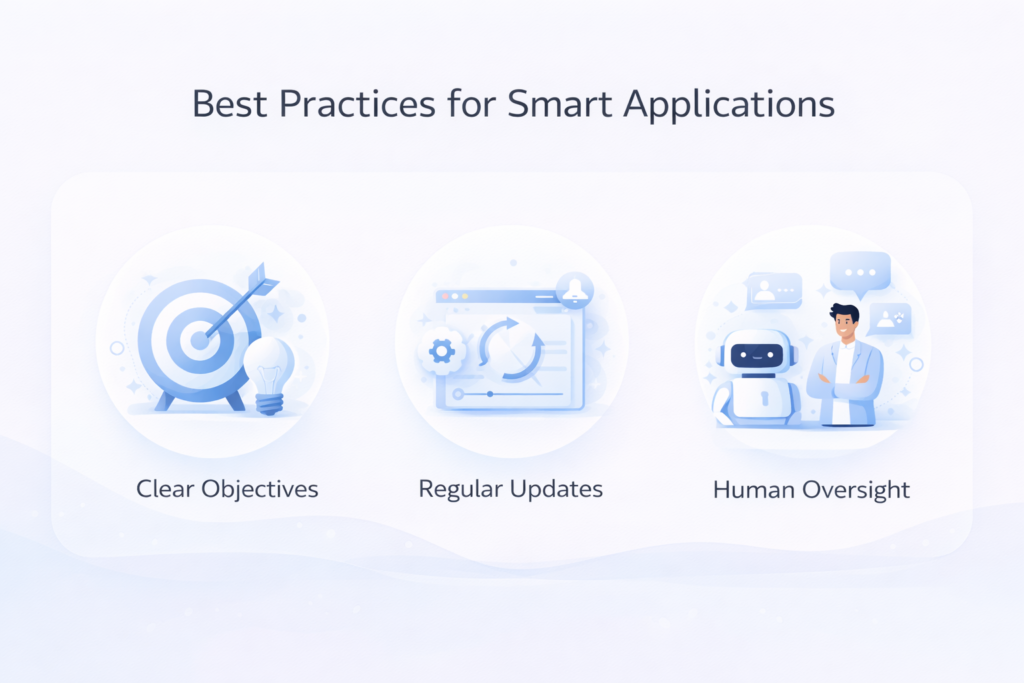
Building smart applications using AI and Machine Learning requires careful planning, the right technologies, and a strong focus on user experience. Following best practices ensures that applications are efficient, scalable, secure, and capable of delivering accurate results. These practices help developers create reliable systems that can adapt and improve over time.
One of the most important best practices is using high-quality data. Since AI models depend heavily on data, it is essential to collect accurate, relevant, and diverse datasets. Poor-quality data can lead to incorrect predictions and unreliable outcomes. Proper data cleaning, validation, and preprocessing should always be performed before using it in models.
Another key practice is choosing the right model and algorithm. Not every problem requires a complex deep learning model. Developers should select algorithms based on the problem type, data size, and performance requirements. Using the right model improves efficiency and reduces unnecessary computational costs.
Scalability and performance optimization should be considered from the beginning. Smart applications must be able to handle increasing users and large volumes of data without slowing down. Techniques like caching, load balancing, and cloud-based infrastructure help maintain performance and ensure smooth operation.
A strong focus on user experience (UX) is essential. No matter how advanced the AI is, the application should be easy to use, intuitive, and responsive. Features like fast loading time, clear navigation, and personalized interfaces enhance user satisfaction and engagement.
Model monitoring and continuous improvement is another critical practice. AI models should not be treated as one-time solutions. They need to be monitored regularly for accuracy and performance. As new data becomes available, models should be retrained and updated to maintain their effectiveness.
Security and data privacy must always be a priority. Smart applications often deal with sensitive user data, so developers should implement strong security measures such as encryption, authentication, and access control. Compliance with data protection regulations is also necessary to build user trust.
Another best practice is modular and flexible architecture. Applications should be designed in a way that allows easy updates and integration of new features. Using microservices architecture and APIs helps in maintaining flexibility and scalability.
Efficient integration of AI models is also important. Models should be optimized for speed and performance before deployment. Using APIs, cloud services, and lightweight models can improve response time and ensure seamless interaction between the front-end and back-end.
Testing is a crucial step in development. Thorough testing and validation should be performed to ensure that the application works correctly under different conditions. This includes testing for accuracy, performance, security, and user experience.
Another important aspect is ethical AI usage. Developers must ensure that their applications are fair, unbiased, and transparent. Avoiding bias in data and algorithms is essential to prevent unfair outcomes. Providing clear information about how AI is used can help build trust with users.
Documentation and collaboration also play a key role. Proper documentation of models, data sources, and workflows makes it easier for teams to understand and maintain the system. Collaboration between developers, data scientists, and business teams ensures better results.
Finally, continuous learning and adaptation is what makes an application truly smart. As technology evolves and user behavior changes, applications should be updated regularly to stay relevant and competitive.
In conclusion, following best practices is essential for building successful smart applications. From data quality and model selection to security and scalability, each aspect contributes to the overall performance and reliability of the system. By implementing these practices, developers can create intelligent applications that deliver value, enhance user experience, and stand strong in the evolving digital landscape.
Conclusion
Smart web applications powered by AI and Machine Learning are transforming the way modern digital systems operate. From personalization and automation to predictive analytics and real-time decision-making, these technologies are making web applications more intelligent, efficient, and user-focused. Businesses are now able to deliver highly customized experiences, improve engagement, and make data-driven decisions that were not possible with traditional web development approaches.
Throughout this blog, we explored how AI and Machine Learning play a crucial role in building smart applications—starting from data collection and processing to model integration and deployment. Technologies like Natural Language Processing, Computer Vision, and chatbots are enhancing user interaction, while cloud platforms and big data are enabling scalability and performance.
However, developing AI-powered web applications also comes with challenges such as data quality, security concerns, high costs, and ethical issues. Overcoming these challenges requires the use of best practices, proper planning, and continuous monitoring to ensure reliable and fair outcomes.
Looking ahead, the future of AI in web applications is extremely promising. With advancements in automation, voice interfaces, and real-time intelligence, web apps will continue to evolve into more adaptive and proactive systems. Businesses that embrace these technologies early will gain a strong competitive advantage in the digital world.
In conclusion, AI and Machine Learning are not just trends—they are becoming essential components of modern web development. By leveraging these technologies effectively, developers can build smart, scalable, and innovative applications that meet the growing expectations of users and drive long-term success.
Ready to build smarter, faster, and AI-powered web applications? Explore the complete guide here: https://pinakiithub.com/