Bridging the Gap Between Classroom Knowledge and Industry Practice
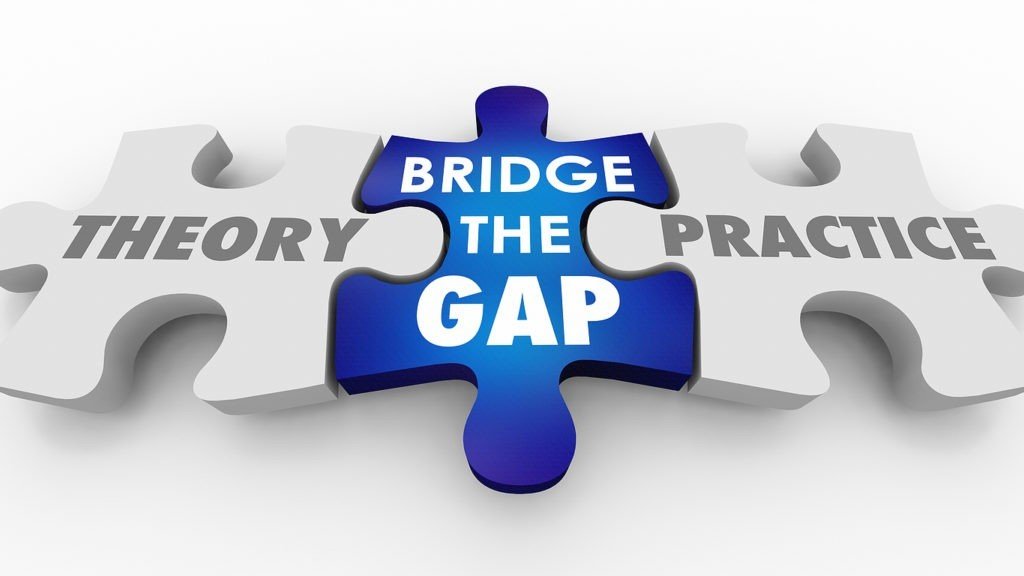
Traditional classroom learning plays an important role in building a strong foundation of concepts, theories, and frameworks. Students learn models, methodologies, and best practices that explain how businesses, markets, and organizations work. However, one of the biggest challenges students face is applying this theoretical knowledge to real-world situations. This is where consulting-based learning becomes a powerful bridge between academics and industry practice.
Consulting-based learning exposes students to real business problems rather than hypothetical case studies. Instead of solving predefined textbook questions, learners work on live projects where challenges are often complex, dynamic, and unclear. This experience helps students understand that real-world problems rarely have one “correct” answer. They learn to analyze situations, identify root causes, and design practical solutions that align with business goals, budgets, and timelines.
By working on consulting-style projects, students begin to think and act like professionals. They apply classroom concepts such as market analysis, strategy formulation, data interpretation, and process optimization in real scenarios. This hands-on application strengthens their understanding and helps them retain knowledge more effectively compared to passive learning methods. It also teaches them how to adapt theories when real-world constraints come into play.
Another major advantage of consulting-based learning is exposure to industry expectations. Students learn how to communicate with stakeholders, present findings clearly, and justify their recommendations with data and insights. They gain experience in teamwork, client interaction, deadline management, and professional documentation—skills that are often difficult to develop in a traditional academic environment.
Most importantly, consulting-based learning builds confidence. When students successfully contribute to real projects, they realize their knowledge has practical value. This confidence prepares them to transition smoothly from classroom learning to professional roles, reducing the gap between education and employment. As a result, graduates enter the workforce not just with theoretical knowledge, but with real-world experience that employers highly value.
Hands-On Experience That Shapes Future Professionals
Hands-on experience is one of the most valuable aspects of consulting-based learning, as it allows students to move beyond theory and actively engage in real-world problem-solving. Instead of only learning what to do, students learn how to do it by working on live projects that reflect actual industry challenges. This practical exposure helps shape students into confident, capable, and industry-ready professionals.
Through consulting-based learning, students are involved in every stage of a project—from understanding the client’s problem and conducting research to analyzing data and presenting actionable solutions. This end-to-end exposure gives them a realistic understanding of how professional projects operate. It also helps them develop a structured approach to solving problems, a skill that is essential across all industries.
Hands-on projects encourage critical thinking and decision-making. Students must evaluate multiple options, assess risks, and justify their recommendations based on real constraints such as time, budget, and resources. This process strengthens their analytical abilities and teaches them to make informed decisions rather than relying solely on theoretical assumptions.
In addition to technical knowledge, consulting-based learning builds essential soft skills. Students learn how to collaborate with team members, communicate ideas clearly, handle feedback, and adapt to changing project requirements. These skills are crucial for professional success and are often what differentiate high-performing individuals in the workplace.
Most importantly, hands-on experience helps students discover their strengths and career interests. By working on real projects, they gain clarity about the roles and responsibilities they enjoy, whether it is strategy, analysis, client communication, or execution. This self-awareness, combined with practical experience, shapes future professionals who are not only skilled but also confident and career-focused.
Turning Theory into Action Through Real-World Consulting
One of the biggest challenges in traditional education is translating theoretical knowledge into practical application. While concepts, frameworks, and models provide essential understanding, their true value is realized only when they are applied in real-world situations. Real-world consulting bridges this gap by giving learners the opportunity to implement theory in dynamic, practical environments.
Through consulting-based learning, students actively apply academic concepts such as business strategy, market research, data analysis, and problem-solving frameworks to actual business challenges. Instead of working on hypothetical examples, they engage with real clients, real data, and real constraints. This hands-on application helps students understand how theoretical ideas evolve when faced with practical limitations and real-world complexity.
Real-world consulting also teaches adaptability. In professional settings, challenges are rarely well-defined, and information may be incomplete or constantly changing. Students learn to refine their approach, adjust strategies, and think critically when theoretical models do not fit perfectly. This ability to adapt theory to practice is a crucial skill that prepares students for the unpredictable nature of professional work.
Additionally, consulting projects emphasize accountability and results. Students are responsible for delivering actionable insights and measurable outcomes, not just academic answers. This sense of responsibility encourages deeper engagement, stronger ownership of work, and a results-oriented mindset that employers highly value.
By turning theory into action through real-world consulting, learners gain practical confidence and professional competence. They graduate not only with conceptual knowledge but also with the ability to apply that knowledge effectively in real business environments, making them better prepared for real-world projects and long-term career success.
Learning by Solving Actual Business Challenges
Consulting-based learning allows students to gain knowledge by working on real business problems rather than theoretical examples. This approach helps learners understand how businesses function in practical environments and prepares them for real-world responsibilities.
- Exposure to Real-World Problems
Students work on actual challenges faced by companies, such as market expansion, customer retention, operational inefficiencies, or digital transformation. These problems are often complex and open-ended, helping learners understand that real business issues do not have one fixed solution. - Development of Critical Thinking Skills
Real business challenges require deep analysis and thoughtful decision-making. Students learn to evaluate situations from multiple perspectives, identify root causes, and apply logical reasoning to propose effective solutions. - Practical Application of Knowledge
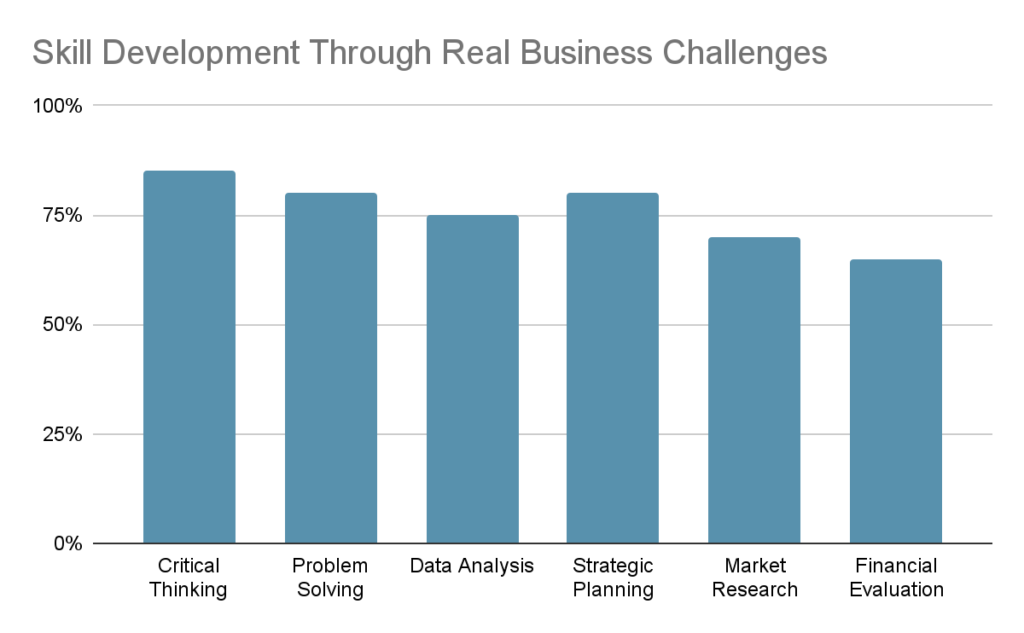
Learners apply concepts such as data analysis, strategic planning, market research, and financial evaluation in real scenarios. This hands-on application strengthens understanding and ensures that theoretical knowledge is retained and used effectively.
From Case Studies to Career-Ready Skills
Case studies have long been an important part of academic learning, helping students understand business scenarios, strategies, and decision-making processes. They introduce learners to real-life situations in a structured way and encourage analytical thinking. However, while case studies are valuable, they often remain limited to discussion and theoretical solutions. Consulting-based learning takes this a step further by transforming case-based understanding into practical, career-ready skills.
Through consulting-oriented projects, students move beyond analyzing past situations to actively working on current and evolving business challenges. Instead of simply discussing what a company should do, learners are involved in researching, analyzing, and recommending solutions that can be implemented in real time. This transition helps students understand how strategies are executed, adjusted, and measured in professional environments.
As students engage in consulting-based learning, they develop skills that go far beyond textbook knowledge. They learn how to structure problems, collect and analyze data, communicate insights clearly, and collaborate effectively with teams. These experiences build essential competencies such as critical thinking, adaptability, and accountability—skills that employers consistently seek in job-ready candidates.
Another key benefit is the development of a professional mindset. Students learn how to work with deadlines, manage expectations, handle feedback, and refine their ideas based on real-world constraints. This exposure prepares them for the realities of the workplace, where success depends not only on knowledge but also on execution and professionalism.
By moving from case studies to hands-on consulting experiences, learners become career-ready professionals. They enter the workforce with practical skills, real-world exposure, and the confidence to contribute meaningfully from day one. This shift ensures that education is not just about learning concepts, but about building capabilities that drive long-term career success.
Why Consulting Simulations Give You an Edge in Your Career
Consulting simulations provide a practical learning environment that closely mirrors real-world professional scenarios. By participating in these simulations, students gain valuable experience that sets them apart in a competitive job market and prepares them for long-term career success.
- Realistic Industry Exposure Through Consulting Simulations
Consulting simulations provide students with highly realistic exposure to industry scenarios, replicating actual business situations including client interactions, complex problem statements, project timelines, and organizational constraints. Unlike traditional classroom exercises, these simulations place learners in environments that closely mimic real professional settings, allowing them to experience firsthand how decisions are made, priorities are managed, and business challenges are approached. By participating in these simulations, students gain a deep understanding of industry expectations, workplace dynamics, and professional standards, which prepares them for seamless integration into their future roles. - Skill Development Beyond Theory
One of the most significant advantages of consulting simulations is the opportunity to develop practical skills that extend beyond theoretical knowledge. Students actively practice data analysis, strategic thinking, problem-solving, project management, and presentation skills in a hands-on environment. Unlike passive learning, where knowledge is memorized or discussed abstractly, simulations require learners to apply concepts in actionable ways, creating a more lasting and impactful learning experience. By repeatedly engaging with complex scenarios, students strengthen both their technical expertise and their ability to implement strategies effectively in real-world situations. - Improved Decision-Making Abilities
Consulting simulations also enhance critical decision-making skills. Students often face incomplete information, competing priorities, and evolving business conditions within these exercises. They must analyze available data, evaluate risks, and make strategic choices under pressure—just as professionals do in actual organizations. This experience helps learners develop the ability to think analytically, anticipate consequences, and make informed decisions confidently, even in uncertain and high-stakes situations. The skills gained here translate directly to professional settings, giving students a clear advantage when navigating real-world challenges. - Enhanced Communication and Teamwork
Effective communication and collaboration are central to consulting simulations. Learners work in teams, coordinate efforts, present ideas to peers or simulated clients, and respond to constructive feedback. This collaborative environment helps students hone interpersonal skills, learn to communicate complex ideas clearly, and negotiate effectively within team settings. The ability to articulate insights persuasively, manage differing viewpoints, and align group efforts toward a shared goal is invaluable in professional contexts, where teamwork and communication often determine the success of projects and organizational initiatives. - Increased Confidence and Professional Readiness
By engaging in realistic, high-pressure scenarios within a controlled environment, students build confidence in their knowledge, decision-making abilities, and problem-solving capabilities. They gain experience handling professional challenges without the risk of real-world consequences, which allows them to experiment, learn from mistakes, and refine their approaches. This hands-on exposure gives learners the confidence to enter the job market ready to take on responsibilities, demonstrate competence, and contribute meaningfully from day one. - Stronger Career Differentiation
Finally, consulting simulation experience gives students a competitive edge in the job market. Candidates who have participated in such simulations can showcase practical exposure, adaptability, strategic thinking, and problem-solving capabilities—qualities highly sought after across industries. Employers recognize the value of hands-on, simulated experience because it reflects a candidate’s readiness to navigate real business challenges and deliver results. As a result, students who have trained through consulting simulations are more likely to stand out during recruitment, advance faster in their careers, and be recognized as proactive, industry-ready professionals.
Real Projects, Real Skills, Real Impact
Working on real projects is one of the most effective ways to develop meaningful and lasting professional skills. Unlike simulated exercises or purely theoretical assignments, real projects immerse learners in authentic business environments where their work has actual consequences. Students are exposed to genuine business objectives, engage with real stakeholders, and see measurable outcomes from their efforts. This experience helps learners understand how their contributions create value and impact organizational performance, bridging the gap between academic knowledge and real-world execution.
Through consulting-based learning, students participate in projects that tackle actual business challenges such as market research, process improvement, operational optimization, digital transformation, customer experience enhancement, and strategic planning. These projects require students to apply their knowledge in practical ways, think critically, and deliver results within defined timelines. They are tasked with analyzing real data, generating actionable insights, and proposing solutions that can influence business decisions. This hands-on approach ensures that students not only learn concepts but also gain skills that are directly applicable to their future careers.
Real projects also instill a strong sense of accountability and ownership. Students are responsible for the quality, accuracy, and timeliness of their work, understanding that their recommendations and outputs can have real-world consequences. This responsibility fosters professionalism, meticulous attention to detail, ethical awareness, and a results-driven mindset. Learners gain a clear understanding of workplace expectations, including the importance of accuracy, transparency, and effective communication, which are all critical for professional success.
In addition to technical and analytical skills, working on real projects cultivates essential soft skills. Students develop teamwork and collaboration abilities by working closely with peers and diverse stakeholders. They learn to navigate group dynamics, manage conflicts, provide constructive feedback, and adapt to evolving project requirements. Communication skills are enhanced as learners practice presenting insights clearly, defending recommendations confidently, and engaging with stakeholders at different levels. These experiences contribute to the development of well-rounded professionals who can perform effectively in complex, fast-paced, and dynamic work environments.
The benefits of working on real projects extend far beyond skill development. Students gain confidence in their abilities as they see tangible results from their efforts and witness the positive impact of their contributions. This sense of accomplishment reinforces motivation, encourages continuous learning, and helps learners develop a proactive approach to problem-solving. Graduates emerge ready to contribute meaningfully from day one, equipped with both the technical expertise and the professional maturity necessary to thrive in any organization.
Ultimately, real projects do more than teach—they create lasting professional impact. They empower students to apply their knowledge, make informed decisions, communicate effectively, and take ownership of outcomes. By participating in authentic business challenges, learners develop the skills, mindset, and confidence required to excel in their careers, transforming them into capable, industry-ready professionals who can deliver measurable value and drive meaningful results.
Building Problem-Solving Skills Through Practical Experience
Problem-solving is one of the most essential skills in today’s professional world. Employers value individuals who can identify challenges, analyze complex situations, and design actionable solutions with confidence. While theoretical knowledge provides a foundation, problem-solving skills are best developed through practical experience. Consulting-based learning offers students real opportunities to engage with authentic business challenges, allowing them to practice decision-making, evaluate outcomes, and refine strategies in environments that closely resemble professional workplaces. This hands-on approach ensures learners move beyond abstract understanding to develop practical, high-impact problem-solving abilities.
Through practical experience, students learn to break down complex business challenges into smaller, manageable components. They identify root causes, evaluate multiple solutions, and weigh potential outcomes before implementing a strategy. This structured approach mirrors real-world project management, teaching students how to navigate ambiguity, handle multifaceted problems, and maintain clarity under pressure. By repeatedly analyzing real business scenarios, learners internalize a systematic problem-solving process that can be applied to any industry or organizational context.
Practical exposure also enhances adaptability—a critical element of effective problem-solving. Real-world business problems rarely remain static; they evolve due to shifting market trends, changing client needs, resource limitations, or unexpected disruptions. Students working on live consulting projects learn to revise strategies, think creatively, and respond effectively to new challenges. This flexibility not only improves problem-solving capabilities but also strengthens resilience, preparing learners to thrive in dynamic and high-pressure professional environments.
Another significant advantage of learning through practice is the improvement of decision-making skills. Students are encouraged to support their solutions with data, insights, and logical reasoning. This analytical approach fosters critical thinking, helping learners understand the consequences of their choices and enabling them to make responsible, informed decisions. Over time, students develop the ability to anticipate potential obstacles, weigh alternatives objectively, and select strategies that maximize positive outcomes—a key differentiator for any professional entering the workforce.
Practical problem-solving experiences also build confidence. As students successfully navigate challenges and witness the impact of their solutions, they develop self-assurance in their abilities. They cultivate a solutions-oriented mindset, learning to approach difficulties with creativity, persistence, and focus rather than hesitation or fear of failure. This confidence translates directly into professional effectiveness, empowering graduates to contribute meaningfully from day one in any organization.
Furthermore, building problem-solving skills through consulting-based learning encourages long-term professional growth. Students not only gain expertise in addressing immediate issues but also develop transferable skills such as strategic thinking, analytical reasoning, collaboration, and effective communication. These abilities make them valuable contributors to teams, leaders in project execution, and innovative thinkers capable of generating sustainable solutions.
In essence, consulting-based learning transforms theoretical understanding into practical mastery. By providing real-world experience in tackling complex problems, it equips learners with the confidence, analytical abilities, adaptability, and solution-oriented mindset required to excel in professional environments. Graduates emerge not just as knowledgeable individuals but as competent professionals capable of delivering meaningful results, driving business impact, and thriving in any career path they choose.
Preparing Students for the Fast-Paced Business World

The modern business world is highly dynamic, competitive, and constantly evolving. Organizations operate under tight deadlines, rapidly changing market conditions, technological disruption, and increasing pressure to innovate. In such an environment, academic knowledge alone is insufficient to prepare students for success. What students need is practical, hands-on experience that equips them to perform effectively, make decisions confidently, and deliver results from day one. Consulting-based learning plays a crucial role in providing this preparation, helping students develop the skills, mindset, and resilience required to thrive in fast-paced professional environments.
Through real-world consulting projects and immersive simulations, students gain firsthand experience of working under pressure. They learn to manage multiple responsibilities simultaneously, prioritize tasks effectively, and deliver high-quality outcomes despite tight deadlines. By engaging with projects that mirror the complexity and unpredictability of real businesses, learners develop a clear understanding of how professional environments operate and how to navigate them successfully. This exposure ensures that students transition smoothly from academic learning to professional execution, reducing the adjustment period when they enter the workforce.
Exposure to fast-paced consulting environments also cultivates adaptability—a critical skill for success in modern industries. Business challenges often evolve due to shifting client needs, emerging market trends, technological advancements, or unexpected constraints. Students working on live projects learn to respond quickly, modify strategies, and maintain focus even in uncertain conditions. They develop the ability to think on their feet, solve problems under pressure, and remain outcome-oriented. This agility is essential for long-term professional growth, as organizations increasingly seek employees who can embrace change, innovate, and perform reliably in high-pressure situations.
In addition to technical and strategic skills, consulting-based learning enhances communication and collaboration abilities. Fast-moving business environments demand clarity, precision, and effective teamwork. Students learn how to coordinate with team members, engage stakeholders, and present insights in a concise, compelling manner. They practice articulating complex ideas, justifying recommendations with data, and influencing decision-making processes. These communication and collaboration skills ensure that ideas are understood, projects stay on track, and teams can achieve collective goals efficiently.
Furthermore, consulting-based learning builds confidence, resilience, and a proactive mindset—qualities that are indispensable for thriving in demanding professional settings. As students successfully contribute to real projects, overcome challenges, and see the tangible impact of their work, they develop self-assurance in their abilities. This confidence enables them to participate actively in professional discussions, take initiative, and step into leadership roles when opportunities arise.
By preparing students for the fast-paced business world, consulting-based learning gives them a distinct competitive advantage. Graduates emerge not only with knowledge but also with practical skills, adaptability, and the confidence to handle complex situations. They are ready to manage pressure, embrace change, and contribute meaningfully to organizational goals from day one. This preparation lays a strong foundation for building successful, sustainable, and high-impact careers in any industry.
Experiential Learning That Employers Value
In today’s competitive job market, employers look beyond academic qualifications. They seek candidates who have practical exposure, real-world skills, and the ability to apply knowledge effectively. Experiential learning, especially through consulting-based projects, plays a vital role in developing these qualities and preparing students to meet employer expectations.
- Practical Exposure to Real Business Environments
Experiential learning offers students an unparalleled opportunity to gain firsthand exposure to environments that closely resemble actual workplaces. Unlike traditional classroom instruction, which often emphasizes theory, case studies, or simulations, experiential learning immerses learners in real projects and consulting scenarios. Students witness how organizations operate, how teams collaborate, and how decisions are made under real-world constraints. This practical exposure not only deepens understanding of organizational dynamics but also eases the transition from academic learning to professional roles, equipping students with the awareness and skills required to succeed in workplace environments. - Application of Knowledge, Not Just Theory
Employers today value candidates who can translate theoretical knowledge into actionable results. Experiential learning bridges this gap by enabling students to apply concepts such as business strategy, marketing, data analysis, operations, and project management to solve real organizational challenges. Instead of learning in isolation, students actively engage with real situations where their decisions and recommendations have tangible outcomes. This ability to transform academic knowledge into practical solutions makes graduates far more effective, confident, and job-ready from day one. - Development of Problem-Solving and Critical Thinking Skills
Experiential learning naturally develops problem-solving and critical thinking abilities. Students are tasked with analyzing complex, ambiguous situations, identifying challenges, evaluating alternatives, and proposing practical solutions. They learn to anticipate obstacles, assess risks, and make informed decisions. This iterative process of trial, evaluation, and refinement mirrors real business challenges, strengthening learners’ analytical mindset and preparing them to tackle uncertainty in professional environments. Employers highly value these skills, as they enable employees to contribute meaningfully to business growth and innovation. - Strong Communication and Teamwork Skills
Effective communication and teamwork are at the heart of workplace success, and experiential learning provides ample opportunities to develop these skills. Students regularly present findings, collaborate with peers, and interact with stakeholders during projects. They learn to articulate ideas clearly, defend recommendations persuasively, and respond constructively to feedback. Additionally, working in teams teaches negotiation, conflict resolution, and collaboration skills. These interpersonal abilities are essential in almost every professional setting and often play a crucial role in hiring and promotion decisions. - Professionalism and Workplace Readiness
Experiential learning also instills professionalism and workplace readiness. Students learn the importance of meeting deadlines, maintaining quality standards, adhering to organizational protocols, and managing responsibilities responsibly. They gain experience in handling project timelines, delivering results under pressure, and adapting to dynamic work environments. This exposure develops discipline, accountability, and a professional mindset that employers value highly, making students ready to perform effectively from the start of their careers. - Confidence and Proven Experience
Practical, hands-on learning builds confidence in students. Successfully contributing to real projects and witnessing the tangible impact of their work fosters a sense of accomplishment and self-belief. During interviews and networking interactions, students can discuss actual experiences, provide concrete examples of their work, and demonstrate the outcomes of their contributions. This proven experience enhances credibility, making candidates stand out to potential employers. - Higher Employability and Career Advantage
Students with experiential learning backgrounds enjoy a distinct advantage in the job market. Their combination of practical experience, problem-solving capabilities, strategic thinking, professional skills, and confidence makes them more attractive to employers compared to candidates with only theoretical knowledge. This edge translates into better job opportunities, faster career growth, and a stronger foundation for long-term professional success. Experiential learning, therefore, is not just an educational approach—it is a powerful tool for preparing students to excel in the competitive professional.
Consulting Projects as a Launchpad for Your Career
Consulting projects play a pivotal role in shaping early career growth by providing learners with real-world exposure, hands-on experience, and professional insight. Unlike traditional academic assignments, which often focus on hypothetical problems or controlled scenarios, consulting projects immerse students directly in actual business environments. Here, they are tasked with analyzing real problems, collaborating with teams, and delivering actionable solutions that have tangible impact. This practical experience serves as a strong foundation, preparing learners to launch a successful and fulfilling professional career.
By engaging in consulting projects, students gain a comprehensive understanding of how businesses operate across different industries and functions. They observe organizational structures, workflow dynamics, and operational processes while learning how to approach complex challenges strategically. Consulting projects encourage learners to break down problems systematically, identify root causes, and design innovative solutions that align with business objectives. This exposure not only sharpens problem-solving skills but also provides students with a realistic perspective on industry expectations, helping them explore diverse career opportunities in consulting, management, marketing, operations, strategy, and other professional fields.
A major advantage of consulting projects is the development of a strong professional skill set. Students enhance analytical abilities, communication proficiency, and teamwork skills through continuous engagement with peers, mentors, and stakeholders. They learn to present insights effectively, defend their recommendations using data and logic, and adapt strategies based on feedback. This iterative process of proposing, revising, and implementing solutions equips learners with skills that are essential for career advancement in virtually any professional domain. Over time, these experiences foster professional maturity, critical thinking, and leadership capabilities that go far beyond classroom learning.
Another significant benefit of participating in consulting projects is the confidence it builds. Successfully contributing to real projects and seeing the tangible impact of one’s work instills a sense of achievement and self-belief. This confidence translates into better performance during interviews, networking opportunities, client interactions, and early job responsibilities. Students become more comfortable expressing ideas, leading discussions, and taking initiative—qualities that employers highly value in entry-level professionals and future leaders.
Most importantly, consulting projects directly enhance employability. They allow students to showcase hands-on experience on their resumes, demonstrate practical problem-solving capabilities, and provide concrete examples during interviews. Employers increasingly look for candidates who can make an immediate impact, and consulting project experience signals precisely that. Students who have worked on real projects are perceived as more adaptable, industry-ready, and capable of delivering results from day one.
Beyond employability, consulting projects also cultivate a long-term career perspective. Learners gain insight into industry trends, professional expectations, and organizational priorities. They learn how to navigate stakeholder relationships, manage deadlines, and maintain quality under pressure. These experiences equip students not only to succeed in their first role but also to progress rapidly into higher levels of responsibility and leadership.
In essence, consulting projects serve as a powerful launchpad for students’ careers. They bridge the gap between education and professional success, combining practical experience, industry insight, and skill development in a single immersive learning journey. By participating in consulting projects, students graduate not only with knowledge but also with the confidence, capabilities, and career readiness required to thrive in today’s competitive professional world.
Developing Analytical and Strategic Thinking in Real Time

In today’s fast-paced and highly competitive business environment, professionals are expected to analyze complex situations quickly and make strategic decisions with confidence. The ability to think analytically while maintaining a strategic perspective is no longer optional—it is a fundamental requirement for success. Consulting-based learning provides the ideal platform for developing these capabilities, offering students the chance to work on live projects, tackle dynamic business scenarios, and apply theoretical knowledge in practical, real-world contexts.
Real-time consulting experiences push students to process information efficiently and extract meaningful insights from complex data sets. Unlike traditional classroom exercises that often use static examples or predefined problems, real projects expose learners to constantly evolving situations. Students analyze live market trends, customer behavior, operational data, competitive landscapes, and financial metrics. This hands-on engagement trains them to interpret information accurately, weigh multiple variables, and make informed decisions even under tight deadlines and high-pressure conditions.
Strategic thinking is further strengthened as students learn to connect their analytical findings with broader business goals. Rather than focusing solely on immediate solutions, learners are encouraged to consider long-term implications such as sustainability, scalability, and potential risks. They understand how individual decisions influence overall organizational success and learn to anticipate the consequences of their recommendations. This holistic perspective is critical for preparing students to think like leaders who can contribute meaningfully to executive-level strategy discussions.
Working in real-time environments also helps students improve decision-making under pressure. Real projects often come with evolving challenges, competing priorities, tight deadlines, and sudden changes in requirements. Students learn how to prioritize critical issues, adapt strategies rapidly, and maintain clarity amidst uncertainty. These experiences develop resilience, mental agility, and the ability to remain strategic even in high-stress situations—skills that are highly sought after by employers.
Another significant benefit of consulting-based learning is its focus on collaboration and strategic communication. Students do not work in isolation; they interact with peers, mentors, and stakeholders to discuss insights, defend recommendations, and align strategies with organizational objectives. This collaborative process teaches learners how to present complex ideas clearly, persuade decision-makers, and influence outcomes effectively. Such skills are indispensable for leadership roles and ensure students can operate confidently in team-based professional settings.
Beyond technical and strategic abilities, real-time consulting hones critical soft skills such as problem-solving, negotiation, and leadership. Students learn to approach challenges methodically, balance multiple perspectives, and innovate solutions that are practical and actionable. They also gain experience in receiving and implementing feedback, which strengthens their adaptability and continuous learning mindset.
Ultimately, developing analytical and strategic thinking in real time gives students a competitive edge in the professional world. They graduate not only with theoretical knowledge but also with the ability to assess complex situations, design effective strategies, and respond to real-world challenges confidently. This experiential learning ensures that students are capable of delivering meaningful results from day one, positioning them as valuable contributors in any organization and paving the way for long-term career growth and leadership opportunities.
The Power of Learning by Doing
Learning by doing is one of the most effective ways to develop real-world skills. Instead of passively absorbing information, students actively engage with tasks, challenges, and decision-making processes. Consulting-based learning strongly emphasizes this approach, helping learners build practical knowledge, confidence, and professional competence through direct experience.
- Deeper Understanding Through Practical Application
When students apply concepts in real-life situations, their understanding becomes deeper, clearer, and far more meaningful. Practical application allows learners to experience how theories function beyond textbooks and classrooms. Instead of passively memorizing definitions or models, students actively engage with concepts, observe their outcomes, and understand their real-world relevance. This process helps learners connect academic knowledge with practical execution, making learning more effective and long-lasting. By working on real problems, students gain clarity on how and when to apply what they have learned, ensuring they can use their knowledge with confidence in professional settings. - Improved Problem-Solving Skills
Active participation in real projects exposes students to complex, uncertain, and constantly evolving challenges. Unlike classroom exercises with predefined solutions, real-world problems often require creative thinking, critical analysis, and multiple iterations. Students learn to evaluate situations from different perspectives, identify root causes, test possible solutions, and refine their strategies based on feedback and results. This continuous cycle of learning and improvement strengthens problem-solving capabilities and builds a strong, solution-oriented mindset that is essential for success in any professional role. - Skill Development in Real Time
Learning by doing enables students to develop practical and transferable skills as situations unfold. While working on live tasks and consulting-style projects, learners naturally build analytical abilities, communication skills, teamwork, leadership qualities, and decision-making confidence. This real-time skill development closely mirrors professional environments, where individuals must respond quickly, collaborate effectively, and make informed decisions under pressure. Such exposure ensures that students are not just theoretically prepared but are capable of handling real workplace responsibilities with efficiency and confidence. - Increased Engagement and Motivation
Hands-on learning keeps students actively involved in the learning process by making them contributors rather than passive observers. When learners see their work creating real impact—whether through solving a problem, improving a process, or delivering insights—they feel a stronger sense of motivation and responsibility. This sense of ownership enhances focus, creativity, and dedication. Engaged learners are more likely to take initiative, explore innovative ideas, and remain committed to achieving meaningful outcomes, leading to a more enriching and productive learning experience. - Confidence Through Experience
Practical experience plays a vital role in building self-confidence and professional presence. As students successfully complete tasks, overcome challenges, and contribute to real-world projects, they develop a strong belief in their abilities. This confidence is reflected in how they communicate ideas, participate in discussions, and make decisions. It also improves their performance in interviews, team collaborations, client interactions, and leadership roles. Confidence gained through experience helps students transition smoothly into professional environments without hesitation or self-doubt. - Better Adaptability to Change
Real-world projects rarely follow a fixed plan. Changing requirements, unexpected obstacles, and evolving priorities are common in professional environments. Learning by doing teaches students how to remain flexible and adjust their approach when situations change. They learn to think quickly, reassess strategies, manage uncertainty, and stay solution-focused even under pressure. This adaptability is a critical skill in modern workplaces, where continuous change and innovation are constant and unavoidable. - Career-Ready Mindset
By actively participating in real projects, learners develop a professional, career-ready mindset early in their journey. They gain an understanding of workplace expectations such as accountability, time management, collaboration, and result-oriented performance. Students learn how to take responsibility for their work, meet deadlines, and contribute effectively within teams. Employers highly value individuals who can adapt quickly and deliver results, and learning by doing ensures students are well-prepared to meet these expectations from day one.
Hands-On Consulting: Your Gateway to Industry Insights
Hands-on consulting offers learners a powerful and immersive way to understand how industries truly operate. Unlike traditional classroom learning, which often relies on theoretical frameworks, textbooks, and historical case studies, hands-on consulting places students directly inside real business environments. This practical exposure allows learners to observe, analyze, and actively participate in the decision-making processes that shape organizations and industries in real time. As a result, learning becomes contextual, relevant, and deeply connected to real-world outcomes.
Through hands-on consulting projects, students work closely with real businesses, clients, and stakeholders across various functions. They gain firsthand exposure to genuine industry challenges such as market competition, customer behavior, operational inefficiencies, regulatory pressures, and rapid technological change. This direct interaction helps learners understand not only what businesses do, but why they make specific decisions. Such insights provide a much richer, more realistic perspective on how industries function beyond surface-level theory.
One of the most significant advantages of hands-on consulting is exposure to current industry trends and active market practices. Students analyze live data, study ongoing market conditions, and evaluate strategies that organizations are currently implementing. This keeps learners aligned with present-day industry realities rather than outdated or purely academic information. By working with real tools, technologies, and methodologies, students develop an up-to-date understanding of professional standards and expectations.
Hands-on consulting also strengthens strategic awareness by showing how business decisions are shaped by multiple interconnected factors. While classroom learning often isolates concepts, consulting projects reveal how budget constraints, regulatory requirements, customer expectations, and competitive pressures influence strategic choices. This experience helps learners see the bigger picture and understand how strategy, operations, and execution work together to drive organizational success.
Another critical benefit of hands-on consulting is exposure to professional workflows and industry standards. Students learn how projects are structured from start to finish, how timelines are planned and managed, and how deliverables are created to meet client expectations. They gain practical insight into professional communication styles, reporting formats, presentation methods, and stakeholder management—skills that are essential for working effectively in any industry.
In addition to building technical and analytical skills, hands-on consulting enhances observation, learning agility, and professional judgment. Students learn by closely observing experienced professionals, understanding their decision-making approaches, and receiving real-time feedback on their work. This mentorship-driven learning environment accelerates professional growth and helps learners adopt industry best practices early in their careers.
Hands-on consulting also plays a crucial role in developing adaptability and resilience. Real industry environments are dynamic and unpredictable, with changing priorities, evolving requirements, and unexpected challenges. By navigating these situations, students learn how to remain flexible, revise strategies, manage pressure, and stay focused on outcomes. These capabilities are essential for success in fast-paced and uncertain professional settings.
Most importantly, hands-on consulting transforms learners into industry-aware professionals. Students graduate with a clear understanding of how industries operate, what employers expect, and where they can create value from day one. This deep industry insight gives them confidence, clarity, and a strong competitive advantage in the job market. Hands-on consulting is not just a learning approach—it is a gateway to real industry knowledge, professional readiness, and long-term career success..
From Classroom Exercises to Boardroom Readiness
The journey from academic learning to professional success requires more than theoretical understanding. While classroom exercises help build foundational knowledge, true readiness for leadership and decision-making roles comes from practical exposure. Consulting-based learning bridges this gap by transforming classroom exercises into real-world competencies that prepare students for boardroom-level thinking and responsibilities.
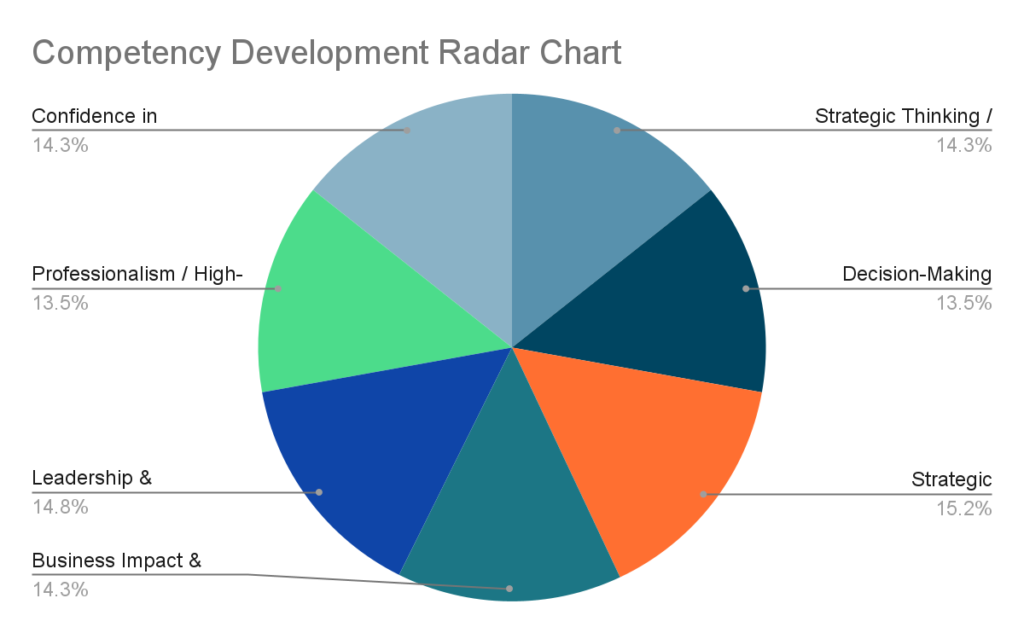
- Transition from Theory to Professional Thinking
Classroom exercises usually focus on predefined problems with structured answers, which help build conceptual clarity. However, professional environments demand much more than correct answers. Consulting-based learning pushes students to think beyond fixed solutions and develop a professional mindset. Learners begin to evaluate problems strategically by considering business objectives, market conditions, risks, and long-term impact. This shift in thinking prepares students for boardroom-level discussions where decisions are driven by strategy, foresight, and accountability rather than theory alone. - Exposure to Real Decision-Making Processes
Through consulting projects, students gain firsthand exposure to how real decisions are made within organizations. They observe how leaders analyze data, balance multiple priorities, assess risks, and make informed choices under pressure. This real-world exposure helps learners understand that decision-making at senior levels is complex and multifaceted. By participating in these processes, students become better prepared to contribute meaningfully to professional discussions and decision-making forums. - Development of Strategic Communication Skills
Effective communication is a critical requirement for leadership and boardroom readiness. Consulting-based learning trains students to communicate clearly, confidently, and concisely. Learners practice presenting insights, justifying recommendations with data, and engaging with stakeholders professionally. They also learn how to translate complex information into actionable insights, ensuring clarity and alignment. These communication skills are essential for influencing decisions and succeeding in executive and leadership roles. - Understanding Business Impact and Accountability
In real consulting environments, decisions have measurable and often long-term consequences. Students learn to take ownership of their recommendations and understand how their actions impact business outcomes. This sense of accountability fosters responsibility, attention to detail, and ethical decision-making. Learners develop a results-driven mindset, which is highly valued in leadership and senior management positions. - Building Leadership and Collaboration Skills
Consulting projects provide a strong platform for developing leadership and collaboration abilities. Students work in teams, manage responsibilities, and contribute to collective goals. They learn how to guide discussions, resolve conflicts, and align team efforts with business objectives. These experiences help learners build leadership qualities and prepare them for roles that require influencing, managing, and motivating others. - Adapting to High-Level Professional Expectations
Boardroom environments demand high levels of professionalism, adaptability, and strategic awareness. Consulting-based learning exposes students to these expectations early in their careers. Learners develop time management skills, learn to handle pressure, and respond constructively to critical feedback. This exposure helps them perform effectively in demanding professional settings and prepares them for leadership responsibilities. - Confidence to Engage in Executive-Level Discussions
By working on real projects and presenting insights to senior stakeholders, students build the confidence required to participate in high-level discussions. They learn how to defend their ideas with data, think strategically, and contribute value to conversations. This confidence prepares learners for future leadership roles and enables them to engage effectively in executive-level decision-making environments.
Transforming Academic Knowledge into Professional Expertise
Academic knowledge forms the foundation of learning by introducing students to essential concepts, theories, and frameworks that explain how businesses, markets, and organizations operate. Classroom education helps learners build conceptual clarity, logical thinking, and subject-matter understanding. However, in today’s professional world, knowledge alone is not sufficient to ensure success. True expertise develops only when academic learning is continuously applied, tested, and refined in real-world environments. Consulting-based learning plays a critical role in transforming academic knowledge into practical professional expertise by bridging the gap between theory and execution.
Through hands-on consulting projects, students move beyond memorizing theories and models to actively applying them in real business contexts. Concepts such as strategic planning, market analysis, operations management, data interpretation, and decision-making are no longer confined to textbooks. Instead, learners experience how these ideas function in dynamic, real-life situations where variables constantly change, information is often incomplete, and decisions have tangible consequences. This practical exposure deepens understanding and sharpens professional judgment, enabling students to think more critically and act more confidently.
As students engage with real-world challenges, they learn how to adapt academic frameworks to fit practical constraints. In professional environments, solutions must account for multiple factors such as limited budgets, tight timelines, stakeholder expectations, regulatory requirements, and potential risks. Consulting-based learning teaches students that theoretical models are guidelines rather than fixed rules. Learners develop the ability to modify, combine, and apply these frameworks in ways that are realistic, flexible, and effective—an essential skill for developing true professional expertise.
Another important dimension of this transformation is the development of professional skills alongside technical knowledge. Consulting-based learning helps students build strong communication, collaboration, and presentation skills. Learners practice explaining insights clearly, working with diverse teams, and presenting recommendations to stakeholders with confidence. They also gain valuable experience in managing deadlines, handling feedback constructively, and maintaining professional standards of quality and ethics. These capabilities are critical for converting knowledge into actionable outcomes in real organizational settings.
With repeated exposure to consulting scenarios, students gradually build experience and confidence. They begin to recognize patterns, anticipate challenges, and evaluate situations more efficiently. Decision-making becomes faster and more informed as learners move from following predefined models to thinking independently and strategically. This progression marks a clear shift from academic learning to professional expertise, where individuals rely not only on knowledge but also on experience, judgment, and insight.
Transforming academic knowledge into professional expertise also enhances credibility in the job market. Graduates are able to demonstrate not only what they know, but how they have applied their knowledge to solve real problems and create value. This ability to showcase practical experience, results, and learning outcomes makes them more attractive to employers and better prepared for long-term career growth and leadership roles.
Ultimately, consulting-based learning ensures that education extends far beyond theoretical instruction. It equips students with real-world experience, professional skills, and a results-driven mindset. By transforming academic knowledge into professional expertise, learners are empowered to contribute effectively, adapt continuously to change, and succeed in real-world projects throughout their careers.
How Consulting-Based Learning Makes You Job-Ready from Day One
In today’s highly competitive and fast-evolving job market, employers expect new hires to contribute value from the very first day. Organizations no longer have the time or resources to spend months on basic training. While academic education provides essential theoretical knowledge, it is often not enough to prepare students for the realities of the workplace. This is where consulting-based learning plays a transformative role. By integrating theory with real-world application, consulting-based learning equips students with the skills, confidence, and professional mindset required to be truly job-ready from day one.
Consulting-based learning exposes students to real business challenges that closely reflect professional environments. Instead of working only on classroom assignments or hypothetical case studies, learners engage in live projects that involve research, analysis, strategy development, and execution. They gain firsthand experience in understanding business problems, defining objectives, and working within real constraints such as time, budget, and stakeholder expectations. This exposure helps students develop a clear understanding of how organizations operate and prepares them to adapt quickly to workplace settings.
Another major advantage of consulting-based learning is early exposure to professional tools, processes, and standards. Students become familiar with industry-relevant methodologies, reporting formats, and communication styles. They learn how to collaborate in teams, interact with clients or stakeholders, and present insights in a clear and structured manner. This familiarity reduces the learning curve when students enter the workforce, allowing them to integrate smoothly into professional roles.
One of the strongest reasons consulting-based learning enhances job readiness is skill development in real time. As students work on practical tasks, they naturally build analytical, strategic, communication, and teamwork skills. They learn how to manage deadlines, prioritize responsibilities, and handle feedback constructively. These experiences reflect real workplace situations, helping learners develop resilience, discipline, and a strong work ethic—qualities that employers consistently value.
Consulting-based learning also builds confidence and accountability. By contributing to real projects and delivering actionable recommendations, students gain confidence in their abilities to solve problems and create impact. They begin to understand the importance of responsibility, accuracy, and professionalism, as their work has real consequences. This sense of ownership prepares them to take initiative and perform effectively in job roles without requiring extensive supervision or adjustment periods.
Another critical outcome of consulting-based learning is the development of a strong problem-solving mindset. Students are trained to approach challenges methodically—identifying issues, analyzing data, evaluating alternatives, and proposing solutions aligned with business goals. They learn to think independently, adapt strategies when conditions change, and focus on delivering results. This ability to handle uncertainty and drive solutions makes them valuable assets to organizations from the very beginning of their careers.
Beyond technical and analytical skills, consulting-based learning shapes students into well-rounded professionals. Learners develop communication skills, emotional intelligence, adaptability, and collaboration abilities through continuous interaction with teams and stakeholders. They gain a realistic understanding of workplace expectations, professional behavior, and organizational culture, which helps them navigate professional environments with confidence and maturity.
Ultimately, consulting-based learning ensures a smooth and confident transition from education to employment. Graduates enter the workforce not only with academic qualifications but also with practical experience, industry exposure, and a results-oriented mindset. They are prepared to take ownership, contribute meaningfully, and grow continuously in their roles. This comprehensive preparation makes them truly job-ready from day one and lays a strong foundation for long-term professional success and leadership growth.
Final Thought
Consulting-based learning is more than just an educational approach—it is a powerful bridge between academic learning and professional success. By combining classroom knowledge with hands-on experience, real-world projects, and consulting simulations, students gain the skills, confidence, and mindset required to thrive in today’s competitive business environment.
Throughout the learning journey, students move beyond theory to develop problem-solving abilities, analytical and strategic thinking, effective communication, and professional accountability. They learn to adapt to fast-paced environments, collaborate with teams, and deliver meaningful results under real-world constraints. These experiences transform learners into industry-ready professionals who can contribute from day one.
What truly sets consulting-based learning apart is its ability to create real impact. Students work on genuine business challenges, gain valuable industry insights, and build practical expertise that employers highly value. This exposure not only enhances employability but also prepares learners for long-term career growth and leadership roles.
In an era where organizations seek professionals who can think critically, act strategically, and execute confidently, consulting-based learning provides a clear advantage. It ensures that education is not limited to classrooms but extended into real-world application—preparing students not just for jobs, but for successful and sustainable careers.
Discover programs designed to make you job-ready from day one—visit our website Pinaki IT Hub.