Artificial Intelligence is no longer a future concept — it’s the present reality shaping careers across industries. Tools like ChatGPT, Google Gemini, Copilot, and other generative AI platforms are redefining how businesses operate, make decisions, and scale faster than ever. As AI adoption accelerates, new career paths are opening up, and professionals with the right AI skills and certifications are seeing exponential growth.Let’s break down how Generative AI is creating career opportunities — and why AI certifications will matter more than ever in 2026.
How Generative AI Is Transforming Careers
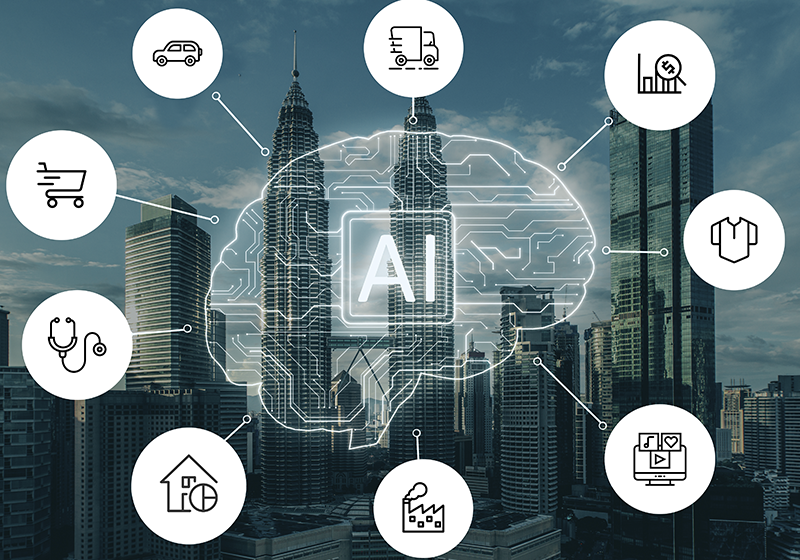
Generative AI is impacting far more than just content creation. It is becoming a core driver of automation, intelligence, and strategic decision-making across industries. Organizations are increasingly leveraging AI-powered tools to automate repetitive tasks, analyze vast datasets, generate insights, and improve operational efficiency. This technological shift is transforming traditional job roles, pushing professionals toward more strategic, analytical, and creative responsibilities, where human judgment, innovation, and leadership are combined with AI capabilities.
Industries such as marketing, finance, healthcare, education, and technology are rapidly adopting Generative AI to remain competitive and deliver superior outcomes. In marketing, AI helps automate content creation, personalize campaigns, and analyze customer behavior. In finance, AI tools enable predictive analytics, fraud detection, and optimized investment strategies. Healthcare professionals are using AI to analyze medical data, assist in diagnostics, and improve patient outcomes, while education institutions leverage AI to personalize learning experiences and automate administrative tasks. Technology companies are integrating AI into software development, predictive modeling, and data-driven solutions to accelerate innovation.
For professionals, understanding how to work alongside AI tools has become a critical skill that provides a competitive edge in the job market. AI is enabling individuals to focus on higher-value work, such as creative problem-solving, strategic planning, and decision-making, while automating repetitive or time-consuming tasks. This transition is also creating new roles, including AI content specialists, AI consultants, automation experts, data analysts, and AI project managers — roles that were rare or non-existent a few years ago.
Generative AI is not only improving efficiency and productivity, but it is also fostering faster innovation, smarter decision-making, and personalized solutions across organizations. By enabling professionals to analyze trends, predict outcomes, and optimize workflows, AI is redefining the way work gets done. It is also encouraging professionals to upskill, adapt, and explore new career paths in AI-driven environments.
Rather than replacing jobs, AI is enhancing human capabilities, redefining careers, and creating abundant opportunities for future-focused professionals. Those who embrace AI, learn to integrate it into their work, and earn recognized certifications are positioning themselves as strategic assets in the modern workforce. By combining human creativity and judgment with AI efficiency and intelligence, professionals can drive measurable business impact, innovate faster, and secure roles that are both high-value and future-ready.In essence, Generative AI is not just a tool—it is a career accelerator that empowers professionals to stay relevant, innovate continuously, and thrive in an AI-driven economy.
1. AI Content & Creative Automation
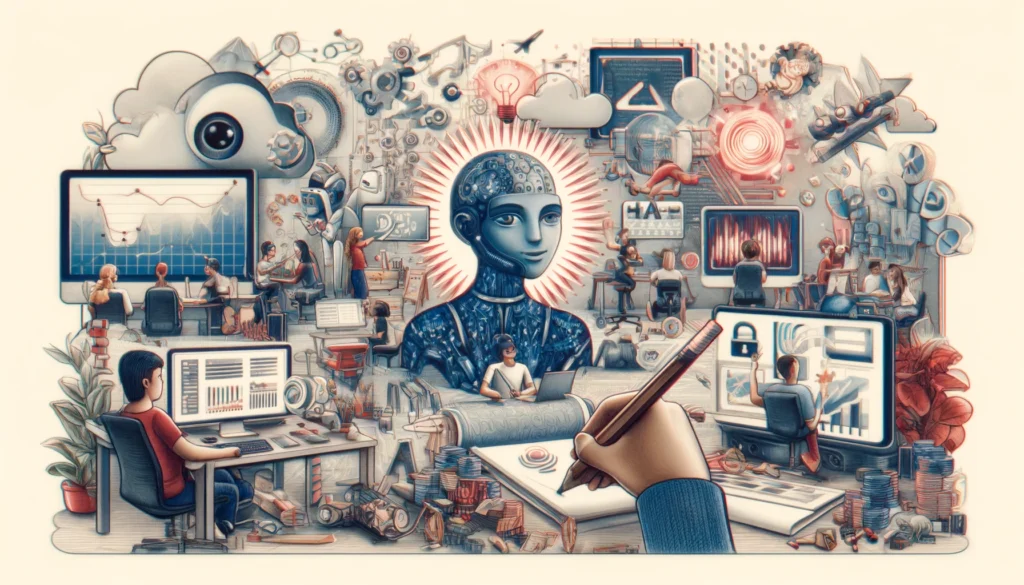
From marketing copy and video scripts to design prompts and brand storytelling, AI-powered content roles are booming across industries. Businesses are increasingly using Generative AI to produce high-quality content at scale while maintaining brand consistency. Content creators, marketers, and designers are now working alongside AI tools to accelerate production, enhance creativity, and streamline workflows. AI is helping teams generate fresh ideas, optimize messaging, and personalize content for diverse audiences across multiple channels.
This shift is not replacing creative professionals; rather, it is empowering them to focus on higher-level strategy, conceptual thinking, and storytelling, which are uniquely human skills. Skills like prompt writing, content optimization, AI tool management, and interpreting AI-generated analytics are becoming essential for anyone aiming to thrive in creative roles. Professionals who master these skills can increase output quality, improve audience engagement, and reduce turnaround times, making them invaluable assets in a competitive digital landscape.
AI is now being used to automate repetitive content tasks such as:
-
- Drafting multiple copy variations for campaigns
-
- Resizing images and videos for different platforms
-
- Editing video snippets and audio overlays
-
- Generating design mockups or visual concepts
By handling these routine tasks, AI frees creative professionals to focus on innovation, storytelling, and strategic planning, ensuring campaigns are not just produced faster but are also more effective, personalized, and engaging.
In addition, businesses are integrating real-time AI analytics into creative workflows. This allows teams to track content performance continuously, understand audience behavior, and adjust strategies on the fly. Professionals who can blend creative expertise with AI analytics can iterate campaigns more effectively, maximize engagement, and deliver measurable results, giving brands a significant advantage in saturated markets.
AI-driven creative automation is also creating entirely new career paths, including roles such as:
-
- AI Content Strategist – overseeing content strategy powered by AI insights
-
- AI Design Coordinator – managing design workflows using generative AI tools
-
- Generative AI Creative Consultant – advising brands on AI-driven creative solutions
-
- AI Marketing Analyst – leveraging AI to measure campaign performance and optimize outputs
Individuals who combine creativity with AI proficiency are in high demand, experiencing better career growth, and gaining opportunities to lead innovative, cutting-edge campaigns. Furthermore, as AI continues to evolve, creative professionals who adapt quickly and integrate AI into their workflows will be the ones driving industry trends, thought leadership, and innovation in content creation.Ultimately, AI is not just a tool—it’s a transformative force in the creative industry. Professionals who embrace AI-driven content automation gain the ability to deliver more impactful campaigns, enhance efficiency, and stand out in a crowded market, opening doors to a wide range of exciting, future-ready careers that combine strategy, creativity, and technology.
2. Business Intelligence & Data-Driven Strategy

AI tools now analyze massive datasets in minutes, helping businesses predict trends and make smarter decisions. Organizations are using AI-powered analytics to uncover patterns, customer behavior, and market opportunities that were previously hard to identify. Data-driven insights are now shaping business strategies, from pricing and marketing to operations and product development. Professionals who can interpret AI-generated data are becoming critical decision-makers. AI is also reducing human error and improving accuracy in forecasting and reporting. As companies move toward evidence-based planning, business intelligence roles are evolving with AI at the core. This shift is creating strong career demand for professionals who can combine data skills with strategic thinking.
Data-driven insights are now shaping business strategies across the board — from pricing models and targeted marketing campaigns to supply chain management, operations, and new product development. AI not only accelerates data processing but also reduces human error, improves forecasting accuracy, and enables real-time decision-making, allowing businesses to stay agile in fast-changing markets.
Professionals who can interpret AI-generated insights, translate them into actionable strategies, and communicate findings to stakeholders are becoming essential decision-makers in organizations. Roles such as AI business analyst, data strategist, and AI-driven operations manager are emerging as high-demand positions, reflecting the growing reliance on AI for strategic planning.
In addition, AI tools can integrate data from multiple sources, providing a holistic view of business performance and customer preferences. This empowers companies to anticipate market shifts, optimize resource allocation, and design more personalized customer experiences, giving them a competitive edge. Professionals skilled in using AI for business intelligence are therefore not just analyzing numbers; they are shaping the strategic direction of their organizations.
The shift toward evidence-based planning is also transforming traditional BI roles. Instead of focusing solely on data collection and reporting, professionals are now expected to combine technical skills with strategic thinking, bridging the gap between AI-generated insights and actionable business outcomes. As companies continue to adopt AI, the demand for data-literate, AI-savvy professionals is set to grow exponentially, creating long-term career opportunities in analytics, strategy, and leadership roles. Moreover, organizations are beginning to leverage AI for predictive and prescriptive analytics, allowing businesses not just to understand what happened in the past, but also to forecast future trends and recommend optimal actions. Professionals who can navigate these advanced AI tools are positioned at the forefront of decision-making, making them indispensable assets to any organization looking to thrive in a data-driven world.
3. Automation & Process Optimization

AI tools are now capable of analyzing massive datasets in minutes, helping businesses predict trends, optimize operations, and make smarter strategic decisions. Organizations are increasingly using AI-powered analytics to uncover patterns, understand customer behavior, and identify market opportunities that were previously difficult or impossible to detect. This capability is transforming the way companies plan, execute, and measure their business strategies.
Data-driven insights are now shaping business strategies across the board — from dynamic pricing models and targeted marketing campaigns to supply chain optimization, operational efficiency, and new product development. AI not only accelerates data processing but also reduces human error, improves forecasting accuracy, and enables real-time decision-making, allowing businesses to stay agile in fast-changing markets.
Professionals who can interpret AI-generated data, translate it into actionable strategies, and communicate insights effectively to stakeholders are becoming essential decision-makers in organizations. High-demand roles emerging in this space include:
-
- AI Business Analyst – analyzing AI-driven insights to guide business decisions
-
- Data Strategist – designing data-informed strategies to achieve business goals
-
- AI-Driven Operations Manager – using AI to streamline operations and improve efficiency
-
- Predictive Analytics Specialist – forecasting trends and optimizing resources based on AI models
AI tools today can integrate data from multiple sources, including customer interactions, social media behavior, operational metrics, and financial records, providing a holistic view of business performance and market dynamics. This empowers companies to anticipate market shifts, allocate resources efficiently, personalize customer experiences, and maintain a competitive edge. Professionals skilled in leveraging AI for business intelligence are therefore not just number crunchers; they are strategic drivers who influence the direction and growth of their organizations.
The shift toward evidence-based planning is also transforming traditional BI roles. Professionals are now expected to combine technical expertise with strategic thinking, bridging the gap between AI-generated insights and actionable business outcomes. As AI adoption expands, organizations increasingly rely on data-literate, AI-savvy professionals to interpret complex information and make high-impact decisions. This trend is creating long-term career opportunities in analytics, strategy, business intelligence, and leadership roles.
Moreover, advanced AI tools enable predictive and prescriptive analytics, allowing organizations not just to understand what happened in the past, but also to forecast future trends, recommend optimal actions, and simulate business scenarios. Professionals who can navigate these advanced AI capabilities are positioned at the forefront of organizational decision-making, making them indispensable assets in today’s data-driven economy.
In addition, companies are leveraging AI to create self-service analytics platforms, dashboards, and reporting tools that allow managers and executives to access insights in real-time, empowering them to respond quickly to changing market conditions. Professionals who can design, implement, and manage these AI-driven BI systems are increasingly in demand, opening doors to high-paying, strategic, and leadership-focused career paths.Ultimately, Business Intelligence and Data-Driven Strategy roles powered by AI are no longer confined to IT or analytics departments. They are integral to corporate strategy, operational efficiency, and competitive advantage. Professionals who combine data skills, AI proficiency, and strategic thinking are poised to become key drivers of innovation, growth, and success, making this field one of the most future-ready and high-demand career domains in 2026 and beyond.
4. AI Consulting & Implementation

Companies are increasingly seeking experts who can bridge business needs with AI technologies, making AI consulting one of the fastest-growing and most strategic roles in today’s economy. AI consultants are crucial for organizations aiming to leverage AI effectively, ensuring that technology adoption aligns with business objectives, drives measurable results, and maximizes return on investment.
AI consultants play a multi-faceted role in organizations:
-
- Identifying the right use cases where AI can deliver the most value, whether it’s optimizing operations, enhancing customer experience, or driving innovation in products and services.
-
- Selecting suitable AI tools and platforms, taking into account organizational infrastructure, scalability, and long-term strategic goals.
-
- Designing and implementing effective AI strategies, ensuring that AI solutions are not only technically robust but also strategically aligned.
-
- Supporting end-to-end adoption, from assessing current workflows, identifying gaps, and designing integration plans, to training teams, managing organizational change, and monitoring performance.
The role of an AI consultant requires a unique combination of skills, including:
-
- Technical expertise: Understanding AI models, machine learning algorithms, data analytics, and software integration to ensure smooth implementation.
-
- Business strategy skills: Translating technical AI capabilities into actionable strategies that align with organizational objectives and market demands.
-
- Communication and change management skills: Guiding cross-functional teams, stakeholders, and leadership through AI adoption, ensuring clarity, collaboration, and successful transformation.
As companies across industries invest heavily in AI transformation, the demand for professionals who can translate AI capabilities into actionable business solutions is skyrocketing. AI consultants frequently collaborate with executive teams, department heads, and technical teams to help leadership make data-driven, AI-informed decisions, ensuring that AI adoption leads to tangible improvements in efficiency, revenue, and customer satisfaction.
The opportunities for AI consulting professionals are broad and lucrative:
-
- Finance: Optimizing risk management, automating reporting, and improving customer analytics.
-
- Healthcare: Implementing predictive analytics for patient care, operational efficiency, and resource allocation.
-
- Retail & E-commerce: Using AI for inventory management, personalized marketing, and dynamic pricing strategies.
-
- Technology & Software: Designing AI-driven applications, predictive models, and intelligent automation solutions.
-
- Manufacturing: Leveraging AI for predictive maintenance, supply chain optimization, and process automation.
Emerging roles such as AI Implementation Strategist, AI Transformation Lead, Enterprise AI Consultant, and AI Adoption Manager are high-paying, future-ready positions. These roles not only offer lucrative compensation but also allow professionals to shape the AI strategy of organizations, drive innovation, and influence long-term business outcomes.
AI consulting and implementation is ultimately about connecting technology with business vision. Professionals who master the blend of technical proficiency, strategic thinking, and effective communication are positioned as key drivers of AI adoption and innovation, making this career path high-impact, future-proof, and highly rewarding. By guiding organizations through the complex AI landscape, AI consultants enable companies to unlock the full potential of AI, creating smarter, more efficient, and innovative business models.
In a world where AI adoption is accelerating across industries, AI consulting and implementation professionals are becoming indispensable, ensuring that organizations not only adopt AI but do so strategically and successfully, positioning themselves as leaders in the AI-driven economy of 2026 and beyond.
 These roles demand practical AI knowledge, not just theoretical understanding.
Why AI Certifications Will Matter Even More in 2026

As the demand for AI talent explodes across industries, recruiters and organizations are no longer impressed by generic resumes or unverified claims of AI knowledge. In today’s competitive job market, companies are looking for candidates who can demonstrate practical skills, hands-on experience, and the ability to apply AI tools effectively in real-world scenarios. This is where AI certifications become critical — acting as a trustworthy, verifiable proof of expertise.
With the rapid adoption of AI tools like ChatGPT, Google Gemini, Copilot, and other automation and analytics platforms, organizations expect professionals to hit the ground running. Certified individuals stand out instantly because certifications signal that the candidate has mastered relevant skills, understands AI workflows, and can deliver measurable results. Recruiters see certifications as a skill validation shortcut, saving them time in screening candidates and reducing the risk of hiring someone unprepared for complex AI-driven projects.
By 2026, AI certifications will no longer be optional add-ons; they will become career essentials for anyone working in fields like:
-
- Technology: software development, AI engineering, and IT operations
-
- Marketing: content automation, personalization, and AI-driven analytics
-
- Business Strategy & Operations: data-driven decision-making, process optimization, and AI adoption
-
- Finance & Analytics: predictive modeling, risk management, and automated reporting
Professionals who obtain recognized AI certifications gain a competitive edge in multiple ways:
-
- Instant credibility: Certifications provide proof that the professional can handle AI tools and techniques effectively.
-
- Faster hiring and better compensation: Certified candidates are often prioritized for interviews, promotions, and higher-paying roles.
-
- Access to global opportunities: Companies worldwide value certified AI talent, opening doors to international and remote roles.
-
- Career flexibility and transition: Even non-technical professionals can leverage certifications to enter AI-driven domains, enabling career growth and skill diversification.
Moreover, AI certifications signal commitment to continuous learning, a quality highly valued in an era of rapid technological change. They show that the professional is adaptable, forward-thinking, and ready to apply AI innovations to drive business outcomes. As organizations increasingly integrate AI into everyday workflows — from automating repetitive tasks to enabling strategic insights — certified professionals will be in high demand across all levels, from entry-level analysts to senior decision-makers and consultants.
In addition, certifications often provide structured, hands-on learning experiences that go beyond theoretical knowledge. Professionals not only learn AI concepts but also practice real-world applications, such as:
-
- Designing AI-driven marketing campaigns
-
- Building predictive analytics models
-
- Automating operational workflows
-
- Integrating AI tools into business systems
This practical experience, combined with the credibility of a recognized certification, sets candidates apart in a crowded market. Companies are willing to invest in certified professionals because they reduce implementation risks and contribute to faster, more efficient AI adoption.
In essence, AI certifications are becoming the new currency of credibility. In 2026 and beyond, they will separate the competent from the casual, the leaders from the followers, and the future-ready professionals from those struggling to keep pace. Professionals who invest in AI certifications now are positioning themselves to lead AI-driven initiatives, command higher salaries, and secure high-impact roles in a competitive, technology-driven economy.
How AI Certifications Create Career Advantage (Flow Table)
| Career Stage | Without AI Certification | With AI Certification |
| Resume Screening | Generic profile, easily ignored | Skill-verified, recruiter-ready profile |
| Skill Proof | Claims based on theory | Hands-on, tool-based validation |
| Hiring Trust | Low confidence for recruiters | Higher trust & faster shortlisting |
| Job Role Access | Limited to basic roles | Access to AI-driven & strategic roles |
| Career Growth | Slow, uncertain progression | Faster promotions & better pay |
This clear difference explains why companies are increasingly prioritizing certified AI professionals over candidates who rely solely on traditional degrees or generic qualifications. In today’s fast-paced, AI-driven economy, a degree alone no longer guarantees that a candidate can effectively implement AI tools, generate actionable insights, or contribute to automation and innovation initiatives. Certifications serve as concrete evidence of practical skills, hands-on experience, and applied knowledge, which are highly valued by employers seeking immediate impact.
In a rapidly evolving AI-first job market, organizations need professionals who can adapt quickly, integrate AI into workflows, and drive measurable outcomes. Certified individuals demonstrate not only technical proficiency but also the ability to bridge the gap between AI technology and business strategy, making them more versatile, reliable, and future-ready than those without recognized credentials.
Moreover, certifications help professionals stay relevant in an era of continuous technological advancement. With AI tools, frameworks, and best practices constantly evolving, certified candidates show a commitment to lifelong learning, ensuring they remain competitive in roles that demand cutting-edge knowledge. This credibility translates into faster career growth, higher earning potential, and access to global and cross-functional opportunities.
Ultimately, AI certifications have become a differentiator: they signal to employers that the professional can deliver results, adapt to emerging technologies, and add strategic value to the organization. In a market where AI adoption is accelerating across industries, certified professionals are not only more employable but are also positioned as leaders, innovators, and key contributors in shaping the future of work.
How the Right AI Certification Can 5X Your Career

In today’s hyper-competitive AI-driven job market, AI certifications are no longer just a nice-to-have credential—they are a true career accelerator. As organizations across industries scramble to hire professionals capable of implementing AI effectively, certifications act as tangible proof that a candidate can deliver real-world results, not just understand theoretical concepts.
Certified professionals automatically stand out in crowded job markets. Recruiters and hiring managers increasingly rely on certifications to validate skills quickly, especially when evaluating candidates with similar educational backgrounds or work experience. In many cases, certifications become the deciding factor between two equally qualified applicants, giving certified professionals a distinct edge. Beyond signaling technical expertise, certifications also demonstrate commitment to continuous learning, adaptability, and a proactive approach to mastering emerging technologies.
Employers are willing to invest significantly in certified talent because they reduce hiring risk and ensure faster adoption of AI solutions. Certified AI specialists often receive higher starting salaries, accelerated promotions, and preferential access to high-impact projects that non-certified peers might not even be considered for. For example, a certified AI business analyst may be entrusted with designing predictive models for revenue optimization, while a non-certified colleague may only support routine data analysis tasks. This gap in responsibility and recognition often translates into faster career growth and greater professional visibility.
AI certifications also open doors to specialized and niche roles in high-growth areas such as:
-
- AI Content Strategist – leveraging generative AI for marketing, copywriting, and design automation
-
- AI Operations Analyst – integrating AI into operational workflows to improve efficiency and accuracy
-
- AI Consultant & Implementation Specialist – bridging technical AI capabilities with business strategy
-
- Predictive Analytics & Data Science Expert – building AI-driven insights to influence strategic decisions
Furthermore, certifications are not limited by geography or industry. Professionals with recognized credentials can access global opportunities, including remote roles, freelance projects, and international contracts. Companies worldwide value certified talent because it signals proven expertise and the ability to deliver measurable outcomes, making certified AI professionals more versatile, in-demand, and future-ready.
Finally, AI certifications provide a structured learning path that combines theory with hands-on practice, ensuring professionals can:
-
- Apply AI tools effectively to solve real business problems
-
- Design and implement AI-driven strategies in complex workflows
-
- Measure and optimize outcomes using AI-generated insights
-
- Communicate technical findings to both technical and non-technical stakeholders
In essence, the right AI certification doesn’t just enhance your resume—it multiplies your career potential. Professionals who earn recognized credentials position themselves as leaders, innovators, and trusted problem-solvers in the AI-driven economy. By combining practical skills, strategic thinking, and validated expertise, certified individuals can 5X their career growth, unlock high-paying roles, and gain access to opportunities that define the future of work.
 Industry Recognition
Certified professionals automatically stand out in crowded job markets because AI certifications act as tangible proof of validated skills and hands-on expertise. In today’s competitive landscape, employers are not just looking for candidates with theoretical knowledge; they seek professionals who can apply AI tools and techniques effectively in real-world scenarios. By holding a recognized certification, you signal to recruiters and hiring managers that you possess practical competence, problem-solving ability, and readiness to contribute immediately to AI-driven initiatives.
Key Benefits of Industry Recognition Through AI Certification:
-
- Enhanced Visibility: Certification makes your profile more noticeable among numerous applicants, as hiring managers can quickly identify candidates who have invested in their professional development. In industries like tech, marketing, and analytics, where the number of applicants can be overwhelming, certifications provide a clear differentiator.
-
- Credibility and Trust: Certified professionals are viewed as reliable, knowledgeable, and committed to continuous learning. Employers and clients trust certified talent to deliver consistent results, adopt best practices, and manage AI tools effectively, which enhances your professional reputation.
-
- Competitive Advantage: In competitive fields, an industry-recognized certification can tip the scales between two equally qualified candidates. Certified individuals gain a significant edge, not only in securing interviews but also in being considered for strategic, high-impact roles.
-
- Higher Interview Success: Organizations often prioritize candidates with certifications for critical AI roles, reducing hiring risks and increasing confidence in the candidate’s abilities. This often results in faster interview calls, more placement opportunities, and better engagement with prospective employers.
-
- Professional Growth Signal: Earning a certification demonstrates that you are investing in your career development, which signals to organizations that you are ready for higher responsibilities, leadership roles, and strategic contributions. This can directly influence your career trajectory, promotions, and access to high-profile projects.
Furthermore, certified professionals are frequently considered for cross-functional projects, AI strategy initiatives, and global assignments, as organizations recognize their ability to bridge technical knowledge with business objectives. For example, a certified AI business analyst may be trusted to design predictive models, optimize operations, or lead AI adoption projects, while a non-certified peer may be limited to supporting roles.
By obtaining recognized AI certifications, professionals validate their technical skills, demonstrate practical competence, and position themselves as credible experts. This recognition not only enhances professional reputation but also opens doors to high-impact roles, career advancement, and leadership opportunities in the rapidly evolving AI landscape.
Ultimately, industry recognition through AI certification is more than a credential—it is a strategic career investment that enables professionals to stand out, build trust with employers, and thrive in an increasingly competitive and AI-driven job market.
Faster Hiring & Better Packages

Employers increasingly prioritize certified candidates for critical AI roles because certifications act as tangible proof of expertise, practical knowledge, and hands-on experience. Hiring a certified professional reduces the risk of skill gaps and ensures that the candidate can contribute effectively from day one, delivering measurable results for AI-driven projects.
Key Advantages of Strong Placement Impact Through AI Certifications:
-
- Access to High-Impact Projects: Certified professionals are frequently selected for critical AI initiatives, including process automation, predictive analytics, AI-driven decision-making, and enterprise AI integration, allowing them to directly influence business outcomes.
-
- Faster Career Advancement: Exposure to transformative AI projects accelerates learning, skill development, and professional visibility, often leading to promotions, leadership roles, and strategic responsibilities sooner than non-certified peers.
-
- Leadership Opportunities: Organizations tend to trust certified talent with leadership of AI projects, cross-functional teams, or department-wide AI adoption efforts, as these professionals demonstrate both technical competence and strategic understanding.
-
- Competitive Job Placement: Certified candidates are more likely to secure competitive positions within top companies, including global enterprises and startups focused on AI innovation. Employers recognize that certifications reflect practical experience and the ability to deliver results, making certified professionals preferred hires.
-
- Impact on Organizational Transformation: Certified AI professionals often play a central role in transforming business operations, from automating repetitive processes to implementing AI-driven strategies that enhance productivity and efficiency. Their contributions shape the organization’s future, reinforcing the strategic value of certifications.
Moreover, AI certifications signal to employers that a professional is proactive, committed to learning, and capable of applying AI in practical, high-stakes environments. This trust and credibility ensure that certified individuals are considered first for career-defining opportunities, whether in internal promotions, project leadership, or high-profile assignments that drive organizational growth.
By earning recognized AI certifications, professionals not only validate their skills but also position themselves for impactful roles that can accelerate their careers, broaden their expertise, and create pathways to leadership. In an AI-driven economy where innovation and speed matter, strong placement impact is a key advantage, and certifications are the gateway to it.
Career Switch Friendly
Many organizations now prioritize certified talent for AI-driven projects because certifications act as a guarantee of skill and practical knowledge. Companies implementing AI solutions prefer candidates who can hit the ground running, reducing training time, minimizing errors, and ensuring project success from day one.
Key Points:
-
- Immediate Contribution: Certified professionals are often ready to take on responsibilities immediately, making them ideal for critical AI projects.
-
- Access to Key Roles: Organizations tend to consider certified individuals for high-impact assignments and leadership positions, providing them exposure to strategic initiatives and cutting-edge AI applications.
-
- Faster Career Advancement: Working on transformative projects allows certified professionals to accelerate their career growth, gaining experience that would take years in traditional roles.
-
- Competitive Edge: Recognized credentials make candidates stand out among peers, increasing the likelihood of securing prestigious positions in top companies.
-
- Strategic Influence: By leading AI-driven initiatives, certified professionals can directly influence business outcomes, helping organizations innovate and stay ahead of competitors.
Moreover, certified talent often becomes the go-to resource within teams for AI-related challenges, mentoring others and shaping best practices. This visibility and credibility not only boost career trajectories but also establish professionals as thought leaders in their organizations. In essence, AI certifications translate into stronger placement, leadership opportunities, and meaningful contributions to projects that define the future of industries. Freelance & Global Opportunities

Certified AI experts attract international clients and remote roles because certifications signal verified expertise and practical competence, which is highly valued in today’s global marketplace. In the rapidly expanding freelance economy, clients and companies are often reluctant to hire professionals without validated skills, especially for critical AI projects that impact strategy, automation, and analytics. Holding a recognized AI certification assures clients and employers that the professional can deliver high-quality results, implement AI tools effectively, and solve complex problems with minimal supervision.
Key Points:
-
- Access to Global Projects: Certified professionals can work with international companies, startups, and tech giants, handling projects that span continents without being restricted by geography.
-
- High-Paying Opportunities: Recognition of AI skills translates into better freelance rates, premium project opportunities, and long-term client relationships, making certified AI professionals highly sought-after.
-
- Flexibility & Diverse Experience: Remote AI roles provide flexible work schedules, exposure to diverse industries, and hands-on experience with cutting-edge technologies, helping professionals broaden their skill sets and adapt to different business contexts.
-
- Enhanced Credibility: A certification adds a layer of trust and credibility, assuring clients and employers that the professional has verified, practical knowledge, which is crucial when managing high-stakes AI projects.
-
- Career Growth & Reputation: Freelance AI experts can scale their careers globally, gain recognition as thought leaders, and build a location-independent portfolio, which allows for continuous growth and learning.
Moreover, AI certifications open doors to long-term collaborations with international organizations, enabling professionals to work on strategic AI initiatives that drive innovation and business impact. By combining freelance flexibility with certified expertise, AI professionals can take control of their careers, choose projects that align with their interests, and command influence in global AI communities.
In short, leveraging certifications in AI is not just about local opportunities, but it creates a truly global career path. Certified AI professionals are positioned to maximize earning potential, expand their professional network internationally, and become key contributors to AI-driven innovation worldwide, making this one of the most exciting and future-ready career paths today.
Who Should Invest in AI Skills & Certifications?
AI is no longer limited to technical specialists — it has become a core, in-demand skill required across industries, from marketing and finance to operations, healthcare, and entrepreneurship. As businesses increasingly rely on AI for decision-making, automation, and innovation, professionals with verified AI expertise are highly sought-after.
Investing in AI skills and certifications is not just a way to enhance knowledge, but a strategic career decision that can:
-
- Dramatically improve career prospects by making professionals eligible for high-demand AI roles
-
- Open doors to higher-paying positions that reward specialized technical and strategic skills
-
- Ensure competitiveness in a rapidly evolving job market where AI literacy is becoming a baseline expectation
-
- Provide credibility that differentiates you from peers and demonstrates commitment to continuous learning
By acquiring AI certifications, professionals can bridge the gap between theoretical understanding and practical application, positioning themselves as ready-to-contribute assets for organizations undertaking AI initiatives. Whether you are a student preparing for the future, a working professional aiming to upskill, or an entrepreneur seeking to leverage AI in business strategy, these skills and certifications act as a catalyst for career growth, global opportunities, and long-term professional success.
In essence, AI skills are no longer optional — they are critical for anyone seeking to thrive in the AI-driven economy, and certifications provide the proof of capability, credibility, and readiness that employers and clients increasingly demand.
Students planning future-ready careers
Students entering the workforce today face a highly competitive environment, where automation and AI are transforming job requirements and expectations across industries. Learning AI and earning certifications gives students a distinct advantage, equipping them with practical skills, credibility, and readiness to excel in modern workplaces.
Investing in AI skills allows students to:
-
- Demonstrate hands-on skills in real-world AI applications even before graduation, showing potential employers that they can apply AI tools effectively rather than just understand theory.
-
- Secure internships or assistant roles in AI-driven projects, which can often transition into full-time employment opportunities upon completion, providing early exposure to industry practices.
-
- Build a strong portfolio that showcases capabilities in generative AI, data analysis, AI-driven automation, and other high-demand areas, helping them stand out in competitive recruitment processes.
-
- Prepare for high-growth roles in fields such as AI content creation, predictive analytics, business intelligence, AI consulting, and workflow automation, ensuring they enter the workforce with skills aligned to future demands.
-
- Gain familiarity with professional tools and platforms, including AI content generators, analytics software, and automation frameworks, which are increasingly expected in entry-level and internship positions.
Example: A student with a certification in AI content automation can assist companies in creating AI-generated marketing campaigns, optimize messaging for targeted audiences, and enhance creative outputs. This not only provides practical experience but also sets them apart during interviews, demonstrating both initiative and industry readiness.
Moreover, students who invest in AI certifications can network with industry professionals, participate in AI-focused projects, and develop problem-solving skills that are applicable across multiple domains. By combining technical proficiency with strategic thinking, they position themselves as future-ready professionals, capable of thriving in high-impact, AI-driven roles as soon as they graduate.
Working professionals looking to upskill

For professionals already in the workforce, AI certifications provide a clear pathway to adapt and thrive as traditional roles evolve due to automation, data-driven decision-making, and AI-powered workflows. By learning AI and obtaining recognized certifications, professionals can future-proof their careers and remain competitive in an increasingly AI-driven job market.
By investing in AI skills, working professionals can:
-
- Move from routine task execution to strategic and analytical responsibilities, allowing them to focus on high-value work such as process optimization, decision-making, and innovation.
-
- Enhance productivity by integrating AI tools into everyday workflows, automating repetitive tasks, analyzing large datasets, and generating actionable insights that improve efficiency and effectiveness.
-
- Access promotions and higher-paying positions that require AI proficiency, as organizations increasingly value employees who can leverage AI to drive business outcomes.
-
- Gain confidence in decision-making using AI-generated insights, ensuring that strategies and recommendations are data-backed and precise, which increases credibility within teams and management.
-
- Develop cross-functional skills, bridging technical AI knowledge with business strategy, project management, and communication — a combination highly sought-after in leadership roles.
Example: A finance analyst can leverage AI to forecast trends, automate reporting, and optimize investment strategies, positioning themselves for senior strategist or managerial roles with increased compensation. Similarly, a marketing professional can use AI-driven analytics to refine campaign strategies, predict customer behavior, and personalize outreach, elevating their impact and career trajectory.
Moreover, working professionals with AI certifications can transition into specialized roles such as AI project manager, AI consultant, or business intelligence analyst, expanding their career options and opening doors to high-demand, future-ready positions. By embracing AI skills, professionals are not just upskilling, but strategically aligning themselves with the evolving needs of modern organizations, ensuring long-term growth and career resilience.
Marketers, analysts, consultants & developers
Professionals in marketing, analytics, consulting, and software development need AI skills to remain competitive, innovative, and relevant in today’s technology-driven landscape. AI is no longer a niche tool but a core component of strategic decision-making, automation, and business optimization. By earning AI certifications, these professionals can bridge the gap between traditional expertise and emerging AI technologies, creating significant value for their organizations and clients.
AI certifications help these individuals to:
-
- Implement AI to optimize campaigns, automate repetitive tasks, and analyze large datasets, allowing marketers and analysts to focus on strategy and creative problem-solving rather than manual processes.
-
- Deliver AI-enhanced solutions in consulting projects, making consultants valuable assets to clients who seek actionable insights, efficient processes, and innovation through AI applications.
-
- Develop AI-powered software, dashboards, or predictive models, enabling developers to create measurable business impact, improve decision-making, and contribute to organizational growth.
-
- Transition into specialized AI roles without abandoning their core expertise, allowing professionals to blend domain knowledge with AI skills for unique, high-demand positions.
-
- Stay ahead of industry trends, as AI tools continuously evolve, ensuring that certified professionals can adapt quickly, innovate, and maintain a competitive edge in their respective fields.
Example: A digital marketer certified in generative AI can automate content generation, analyze consumer behavior, and optimize campaign ROI, directly contributing to the company’s growth. Similarly, a data analyst with AI certification can build predictive models, uncover trends in large datasets, and provide strategic recommendations that influence key business decisions. Consultants with AI expertise can design AI-driven business solutions, helping clients improve efficiency, reduce costs, and enhance customer experiences.
Moreover, AI certifications allow these professionals to command higher salaries, secure leadership roles, and work on cutting-edge projects, all while leveraging their existing domain knowledge. By integrating AI skills into their careers, marketers, analysts, consultants, and developers can unlock new opportunities, expand their impact, and future-proof their professional trajectory in a rapidly evolving job market.
Entrepreneurs & business leaders

Entrepreneurs and business leaders who possess AI knowledge and expertise can make smarter strategic decisions, adopt innovations faster, and lead AI-driven initiatives that transform their organizations. In today’s rapidly evolving business landscape, understanding AI is no longer optional — it is a critical driver of competitive advantage, operational efficiency, and market growth.
Earning AI certifications equips entrepreneurs and business leaders to:
-
- Identify AI tools that solve real business problems, selecting the right technologies to streamline operations, improve customer engagement, and enhance decision-making.
-
- Implement AI solutions that increase efficiency and profitability, such as automating routine tasks, predicting market trends, optimizing supply chains, and personalizing customer experiences.
-
- Lead projects with minimal reliance on external consultants, building in-house AI capabilities and fostering a culture of innovation within their organizations.
-
- Stay ahead of competitors by adopting AI early and effectively, ensuring that their businesses are first movers in leveraging AI for strategic advantage.
-
- Make data-driven strategic decisions, using AI insights to refine marketing, optimize pricing, forecast demand, and enhance product development.
Example: An e-commerce entrepreneur using AI for inventory management, personalized product recommendations, and dynamic pricing can boost sales, reduce operational costs, and improve customer satisfaction, all while gaining a significant competitive edge. Similarly, a business leader in manufacturing can leverage AI-powered predictive maintenance to minimize downtime, reduce maintenance costs, and extend equipment life, leading to substantial operational savings.
Moreover, AI certifications allow entrepreneurs and leaders to communicate effectively with technical teams, evaluate AI vendors, and ensure successful implementation of AI initiatives. This knowledge also helps in securing investment and partnerships, as investors increasingly value companies that leverage AI to drive growth and innovation.
By combining AI expertise with leadership skills, entrepreneurs and business leaders can transform their organizations into agile, data-driven, and innovation-focused entities, ensuring long-term growth, profitability, and market relevance. In essence, AI certifications provide them with the tools, knowledge, and credibility to make informed decisions, lead transformative projects, and create sustainable competitive advantage in a global marketplace.
Anyone aiming for career growth in 2026 and beyond
Even if you are not a student or currently working professional, AI certifications are highly valuable for anyone looking to future-proof their career. In an era where AI is reshaping industries, automating routine tasks, and driving strategic decision-making, acquiring AI skills ensures that individuals remain relevant, competitive, and capable of leveraging technology for growth.
By learning AI and obtaining certifications, individuals can:
-
- Access high-demand job opportunities across multiple industries, from healthcare, finance, and marketing to operations, logistics, and technology, giving them versatile career options.
-
- Explore freelance, remote, and international projects, expanding their professional horizons and allowing them to work with global clients and companies without geographic constraints.
-
- Maintain career flexibility and adaptability in an AI-driven economy, ensuring they can transition between roles, industries, or functions with confidence as technology continues to evolve.
-
- Develop practical, actionable skills that can be applied immediately in professional settings, such as AI-driven automation, predictive analytics, data interpretation, and generative AI applications.
Example: Professionals in HR, operations, or supply chain management can leverage AI to automate repetitive administrative tasks, predict trends in workforce or inventory management, and optimize workflows. By doing so, they increase efficiency, reduce errors, and make themselves indispensable to their organizations, which in turn enhances their earning potential and career advancement opportunities. Similarly, professionals in marketing or sales can use AI to analyze consumer behavior, personalize campaigns, and forecast market trends, establishing themselves as data-driven innovators in their fields.
Key Takeaway:
AI skills and certifications are essential for anyone aiming to thrive in 2026 and beyond. They provide:
-
- Practical knowledge to implement AI tools and strategies effectively
-
- Credibility that signals expertise and commitment to learning
-
- Access to high-impact roles in emerging AI-driven sectors
-
- Versatility and adaptability, allowing individuals to pivot roles, industries, or projects with confidence
Investing in AI education is more than just learning a new skill — it is an investment in your future. Whether you are a student, working professional, marketer, developer, entrepreneur, or simply someone looking to enhance career prospects, AI certifications equip you with the tools, knowledge, and recognition needed to remain competitive, adaptable, and in-demand in a rapidly evolving global job market. By embracing AI today, individuals position themselves for long-term success, higher earning potential, and the ability to shape the future of work..
Final Takeaway
Generative AI tools like ChatGPT, Google Gemini, Copilot, and other emerging platforms are fundamentally transforming the way we work. Contrary to the common fear that AI will replace human jobs, these tools are enhancing roles, creating smarter workflows, and opening doors to higher-paying positions. From content creation and marketing to data analytics, business strategy, operations, and software development, AI is being used to augment human capabilities rather than replace them. Professionals who leverage AI effectively can increase efficiency, innovate processes, and contribute strategically to their organizations.
However, not everyone will automatically benefit from this shift. The true winners in the AI-driven economy will be those who combine hands-on AI skills with credible certifications. Certifications act as proof of your ability to apply AI tools effectively, signaling to employers and clients that you are capable, reliable, and ready to deliver impact. Professionals who invest time in learning, practicing, and validating their AI expertise will gain a significant advantage in a competitive job market.
Key Benefits of Combining AI Skills with Certifications:
-
- Take on strategic and leadership roles in AI-powered projects, driving innovation and decision-making.
-
- Access global opportunities, including remote, freelance, and international positions.
-
- Command higher salaries and faster promotions, as certified professionals are valued for their verified expertise.
-
- Transition into high-growth AI domains even from non-technical backgrounds, expanding career options beyond traditional roles.
-
- Enhance professional credibility, gaining recognition as a skilled, adaptable, and forward-thinking talent.
Moreover, AI is not limited to one industry or career path. Its applications span marketing, finance, healthcare, operations, software development, consulting, entrepreneurship, and more, making it a versatile skill that can future-proof careers across multiple sectors. Professionals who combine AI knowledge with practical experience can drive measurable business outcomes, influence strategic decisions, and create innovative solutions, ensuring their roles remain highly relevant.
In essence, AI is not a threat but a powerful career accelerator. Those who blend practical AI experience with recognized certifications will not only remain relevant but will thrive in a landscape full of high-demand, high-paying opportunities. By mastering AI, professionals position themselves as innovators, problem-solvers, and leaders, ready to leverage technology to create impact, drive results, and shape the future of work.
Key Insight: The combination of hands-on AI skills + credible certifications is the ultimate formula for career success in 2026 and beyond. While AI will continue to create smarter roles, the advantage goes to those prepared to learn, adapt, and apply AI in meaningful ways. Professionals who take initiative now to develop, practice, and validate their AI expertise will be the frontrunners in defining the future of work..
AI is the skill of the decade.
Artificial Intelligence is no longer a niche technology — it has become central to nearly every industry. From automating routine tasks to generating insights that drive business strategy, AI is redefining roles and creating high-demand career paths. Professionals who understand AI, its applications, and how to leverage it effectively are positioned at the forefront of innovation, making them invaluable to employers and clients alike. Learning AI today is not just an upskill — it is future-proofing your career for the next decade and beyond.
Certifications are the shortcut to credibility, growth, and opportunity.
While hands-on experience is crucial, certifications provide tangible proof of your expertise. They demonstrate to employers, clients, and collaborators that you have mastered key AI concepts and can apply them effectively. Certifications accelerate career growth by:
-
- Establishing trust with recruiters and managers
-
- Opening doors to high-paying, high-impact roles
-
- Enabling career switches into AI-focused positions
-
- Providing access to global and freelance opportunities
- Providing access to global and freelance opportunities
In short, combining AI skills with credible certifications is like having a passport to the future of work. It ensures you are not just keeping pace with the evolving job market but leading it, unlocking opportunities for growth, innovation, and long-term career success.
Take the first step towards your AI journey today! Visit Pinaki IT Hub to explore certifications, hands-on courses, and resources that will help you build credibility, unlock opportunities, and grow your career. Start now and position yourself for success in the AI-driven world of 2026 and beyond.