In today’s fast-changing digital world, every major industry — whether it’s finance, marketing, HR, healthcare, logistics, supply chain, ed-tech, retail, e-commerce, or customer service — is being reshaped by the combined force of Artificial Intelligence (AI) and Data Science. The impact is so deep and widespread that no job role, department, or business model can afford to ignore it anymore. Processes that once required heavy manpower, long hours, and complex decision cycles are now being executed faster, smarter, and with far greater accuracy thanks to AI-driven insights and automation. The truth is simple and undeniable: AI is not replacing people…
AI-powered professionals are replacing those who don’t upgrade. Companies are not looking for just employees anymore — they want efficient employees, data-driven problem solvers, and professionals who can work smarter, not just harder. Whether you’re a fresher entering the job market, a mid-level employee trying to grow, a senior manager leading teams, or even a business owner trying to scale operations — AI and data skills have become the new baseline for future career growth.
The shift is already visible everywhere. Businesses that adopt AI move faster than their competitors. Teams that understand data make better decisions. Professionals who automate repetitive tasks achieve higher productivity and gain more opportunities. In a world where technology evolves daily, the biggest career risk today is sticking to old methods while the industry moves ahead.
That is why upskilling is no longer a luxury — it is a survival strategy. Building AI and data skills today doesn’t just prepare you for future jobs; it empowers you to stay relevant, confident, and irreplaceable in your field.
AI & Data Skills Are Now Required in
Every Job Role
The Era of Universal Digital Transformation
The modern workplace has undergone one of the most dramatic shifts in human history. For decades, technology evolved steadily, staying largely within the domains of IT experts, programmers, engineers, or data scientists. But the arrival of artificial intelligence and data-driven technologies has completely transformed this landscape. Today, AI is not simply an add-on or a luxury; it has become the backbone of nearly every industry, every business function, and every professional role. Whether in small startups or global enterprises, the fundamental expectation is clear: employees must know how
to work alongside intelligent digital tools. This shift has created a revolution in job requirements, placing AI literacy and data understanding at the center of future skills.
AI no longer exists as a specialized function tucked away in server rooms. It is now embedded in the tools we use daily, the platforms we manage, the customer interactions we handle, and the decisions we make. Employees today cannot rely on traditional experience alone; they must be able to interpret data, automate tasks, and understand intelligent systems that
influence business operations. What was once a niche skill expected from a select few is now a universal requirement across departments — from marketing to sales, finance to operations, HR to healthcare, and even education. The modern professional is expected to be a hybrid: someone who combines human expertise with digital capability.
The Rise of Intelligent Tools
Across Departments
Artificial intelligence has moved closer to the core of every business function. For marketers, AI helps automate content, optimize ads, and predict customer behavior. For sales teams, AI-powered CRM systems analyze large volumes of customer data and provide insights that were impossible to see manually. For HR professionals, AI helps with resume screening, employee retention analysis, and workforce planning. For finance teams, AI tools detect fraud, forecast budgets, and track anomalies in real time. Even sectors traditionally driven by manual processes, such as operations, logistics, and healthcare, are now deeply dependent on AI-driven automation and analytics.
The introduction of these tools has not reduced the importance of human judgment; rather, it has amplified it. AI provides clarity, speed, and efficiency, but it still needs human oversight, direction, and contextual decision-making. As a result, professionals can no longer afford to ignore these systems or remain dependent on outdated workflows. This growing ecosystem of intelligent platforms has made it essential for every employee to understand how AI operates, how data is processed, and how analytical insights are used. Without this knowledge, employees risk falling behind or becoming less
valuable in an increasingly competitive market.
Marketing: A Completely Transformed Landscape
Marketing has experienced one of the most dramatic AI transitions of all industries. What was once a heavily manual, intuition-driven field is now powered by algorithms capable of analyzing millions of data points at lightning
speed. AI tools create social media content, generate ad copies, design personalized email campaigns, and even identify ideal audiences with astonishing accuracy. Digital marketers use AI-driven ad optimization systems that track real-time performance and adjust campaigns automatically, ensuring maximum ROI with minimal human intervention. This shift means marketers are no longer simply storytellers or creative thinkers. They must now understand how AI models predict user behavior, how algorithms determine ad placements, and how analytics dashboards translate massive data sets into actionable insights. The modern marketer is expected to be data-savvy, tech-aware, and comfortable with automation
tools. Those who understand AI not only work more efficiently but also create stronger, more personalized customer experiences.
Sales: Driven by Predictions and Buyer Intelligence
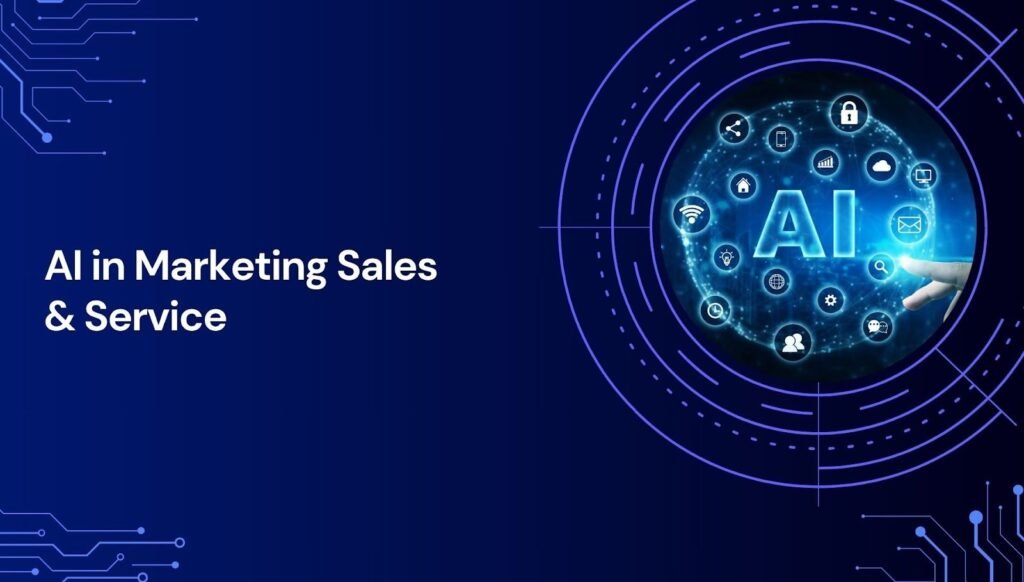
Sales teams today operate in a world where data drives nearly every decision. AI-powered CRM systems now track customer interactions, analyze communication patterns, and predict which leads are more likely to convert. Instead of manually sorting through hundreds of contacts, sales professionals rely on intelligent scoring systems that highlight high-potential prospects. AI also helps personalize pitches, recommend follow-up strategies, and identify emerging market opportunities. The sales process has shifted from guesswork to science. A modern salesperson must understand these tools to work effectively. The ability to interpret CRM insights, leverage AI recommendations, and analyze customer behavior data is now part of the core job requirement. Without these skills, sales professionals risk losing deals to competitors who use AI-driven insights to build deeper, more intelligent customer relationships.
Human Resources: Automation for Better Hiring &
Management
Human Resources departments have become one of the biggest beneficiaries of AI transformation. Screening resumes manually used to consume hours of time, and important applicants were often overlooked due to human fatigue or
bias. Today, AI tools scan thousands of resumes within minutes, identifying candidates based on skills, patterns, and job fit. AI also helps HR teams analyze employee performance, predict attrition risks, and design retention strategies.
But AI is not only used during hiring. Many HR teams rely on intelligent systems to manage employee training, schedule interviews, automate payroll queries, and evaluate workforce trends. HR professionals must understand how these systems function in order to make informed decisions, maintain transparency, and ensure fairness. With these tools shaping the employee lifecycle from recruitment to retirement, AI literacy has become essential for every HR executive and recruiter.
Finance: From Manual Calculations to Predictive
Precision
Financial analysis, fraud detection, and forecasting have all been transformed by AI. In the past, financial teams spent much of their time gathering and cleaning data. Today, AI takes over repetitive tasks and provides insights that enhance accuracy and speed. Financial teams use predictive analytics to anticipate market trends, simulate risks, and make more informed investment decisions.
AI-powered fraud detection systems monitor transactions in real time, detecting anomalies with far greater accuracy than human auditors. This helps companies protect their assets and maintain compliance. As financial operations become more automated, professionals must shift from manual number-crunching to understanding AI-driven insights. They must know how to validate algorithmic outputs, interpret predictions, and use AI tools responsibly to make strategic financial decisions.
Operations: Workflow Automation at Scale
Operational roles, once dependent on manual processes, have become deeply automated. AI systems track inventory, predict supply chain disruptions, and optimize delivery routes. Businesses rely on data-driven platforms to manage procurement, warehouse operations, quality control, and production planning. Intelligent automation helps reduce errors, speed up
workflows, and maintain consistent efficiency across departments. Operations professionals must now understand how automated systems calculate demand, how machine learning models forecast operational risks, and how data patterns highlight inefficiencies. Instead of managing tasks manually, they oversee digital workflows that learn, adapt, and improve over time. This requires a deep understanding of analytical tools, process automation, and AI-powered dashboards.
Healthcare: Diagnostics, Patient Management, and
Beyond
Healthcare has entered an age of precision, driven by AI-assisted diagnostics, predictive tools, and digital patient records. AI systems analyze medical images, detect diseases earlier, and provide recommendations based on global medical data. Doctors and nurses use AI-assisted platforms to manage patient schedules, track medication plans, and ensure accurate treatment pathways.
With the expansion of telehealth and digital monitoring, healthcare workers must understand how AI systems interpret medical data, predict patient needs, and support clinical decision-making. Whether working in administration, diagnostics, or emergency care, healthcare professionals must be comfortable with AI-enabled tools. Their ability to collaborate with these systems directly affects patient outcomes, efficiency, and overall care quality
Education: Personalized Learning and Smart
Classrooms
The education sector has also evolved significantly through AI. Students now learn through smart platforms that analyze their progress, strengths, and weaknesses. AI creates personalized learning paths, suggesting materials, quizzes, and activities tailored to each student’s needs. Teachers rely on AI systems to automate attendance, grade assignments, track performance, and identify struggling learners.
Educational institutions are adopting AI-powered virtual classrooms, interactive simulations, and data-driven academic planning. Educators must understand how to use these tools effectively to enhance teaching quality and improve learning outcomes. AI literacy has become essential not only for students but also for teachers, administrators, curriculum designers, and academic researchers.
The Universal Skill of the Future: AI Awareness
Across all industries and job roles, one truth has become undeniable: AI tools directly influence daily work. They shape decisions, automate tasks, guide strategies, and enhance human capability. The future workforce cannot rely on traditional skills alone. AI awareness — understanding how to use intelligent tools, interpret data, and work alongside digital systems — has become a universal requirement.
Professionals who adopt AI early will move ahead faster, make smarter decisions, and remain more relevant in their fields. Those who avoid these skills will slowly find themselves outpaced by peers, by industry changes, and by evolving workplace expectations. The world is shifting, and the modern professional must shift with it. AI is no longer optional; it is the language of the future. And understanding that language is now essential for every career.
Professionals With AI Skills Earn Higher
Salaries

A Global Shift in How Companies Value Skills
The modern job market has fundamentally changed, and the value of skills has transformed more in the last five years than in the previous fifty. Earlier, companies rewarded employees mainly for experience, tenure, or domain expertise. But today, organizations prioritize individuals who can integrate technology, automate workflows, and make data-backed decisions. AI has become the core engine of business productivity, and employees who can understand and work with AI tools naturally hold greater strategic value.
This shift has created a new category of professionals — individuals who not only perform their roles but also elevate performance through intelligent automation and faster execution. Companies treat such professionals as high-impact contributors, leading to better pay, better opportunities, and accelerated career growth.
The digital revolution has placed AI skills at the center of organizational strategy. Whether a business aims to scale, optimize its costs, improve customer experiences, or enhance operational speed, the underlying driver is the same: artificial intelligence. As a result, employees who bring AI competency reduce dependency, increase efficiency, and help organizations stay competitive. In a world where every industry is undergoing technology -led transformation, professionals with AI skills are becoming the most valuable assets in the workforce.
Why AI-Skilled Professionals Become High-Value
Employees
Professionals who understand AI bring a multiplier effect to their roles. They work faster because AI automates repetitive tasks that drain time and focus. They take better decisions because AI tools provide deeper insights, trend analysis, predictions, and clear patterns that human intuition cannot catch alone. These employees also streamline workflows and eliminate inefficiencies, helping teams complete projects with less effort and more accuracy. Their contribution directly impacts productivity, revenue, customer satisfaction, and team performance — elements that organizations constantly measure, value, and reward. Even in traditional roles such as HR, sales, operations, finance, or marketing, AI-skilled professionals demonstrate significantly higher efficiency. They are able to interpret dashboards, analyze data trends,
automate reports, perform complex analysis, and optimize tasks that previously required multiple team members. Their presence reduces turnaround time and increases output, making them indispensable. When a single employee can save hours of manual work every week and improve decision quality at the same time, they naturally become more valuable to the company.
The Salary Gap Between AI-Skilled and Non-AI
Professionals
One of the most visible outcomes of this transformation is the widening salary gap. Professionals with AI skills consistently command higher compensation, often ranging between twenty to forty percent more than their counterparts in similar roles without AI proficiency. This difference is not only seen in tech companies but also in traditional industries such as retail, manufacturing, logistics, real estate, hospitality, and healthcare. Employers know that AI capability directly translates to higher efficiency and better results, and they willingly pay a premium for employees who can work intelligently rather than mechanically. This salary boost is not restricted to senior roles. Even entry-level employees with AI literacy receive faster increments, better starting packages, and early leadership opportunities because their work directly influences business growth. Companies see them as future-ready talent — individuals who will continue to adapt and stay relevant in a world of continuous digital evolution. In a competitive hiring environment, businesses prefer someone who understands automation
over someone who relies solely on manual processes.
Why Companies Reward AI Skills With Faster
Promotions
Promotion cycles have also been reshaped by the rise of AI. Earlier, promotions were primarily based on time served within a company. But now, organizations prioritize impact over tenure. AI-skilled employees often deliver more output in less time, take on higher responsibilities, and support strategic projects with their ability to analyze and automate. They contribute not only to their individual role but also to team performance, departmental efficiency, and cross-functional
outcomes. Because AI professionals help managers meet goals faster, they naturally stand out during performance evaluations. Leaders today look for employees who bring smart solutions, reduce manual workflow, and help teams achieve targets with fewer resources. This makes AI-skilled staff prime candidates for fast-track promotions. Many achieve leadership roles earlier because they show strategic thinking, data literacy, and technological adaptability -qualities that companies highly value in future managers.
AI Skills as a Catalyst for Career Stability and Growth
In an age of rapid technological change, job stability depends less on years of experience and more on the ability to evolve with new tools. AI-skilled professionals are future-proof because they adapt quickly to changes within their industry. When companies restructure, automate, or optimize processes, employees with AI proficiency often retain their value. They are seen as enablers rather than replaceable resources, which helps them secure their position even in uncertain times. This stability extends across industries. As more businesses integrate automation, the demand for AI-savvy employees
grows. This creates continuous career opportunities, higher job mobility, and the ability to transition into new roles without starting from scratch. AI-skilled professionals can comfortably move between companies, departments, and even industries because their value is universal. The global job market increasingly favors those who can merge their domain expertise with AI capability.
The Psychological Advantage of AI Excellence
There is also a less-discussed but deeply impactful advantage: confidence. Professionals who understand AI feel more empowered in their roles. They take ownership of challenging tasks, communicate data-backed insights during meetings, and provide solutions that others may overlook. This confidence often leads to more visibility in the organization, more recognition, and more opportunities for advancement. When employees know how to automate tasks, analyze patterns, or use intelligent tools, they feel less overwhelmed by complex workloads. They perform better under pressure, handle responsibilities with clarity, and contribute ideas that improve overall performance.Companies notice and reward this
type of professional maturity. AI expertise becomes not just a technical skill but a mindset — one that drives influence, leadership potential, and professional excellence.
How AI Skills Elevate Professional Identity
Beyond promotions and salary, AI-skilled individuals build a stronger professional identity. They are seen as problem-solvers, innovators, and forward-thinking contributors. They bring perspective and intelligence to discussions, and colleagues often rely on them for strategic inputs. This reputation enhances their long-term career trajectory, positioning
them as leaders in their organization and industry. AI skills also open doors to opportunities such as consulting, freelancing, entrepreneurship, and global remote work. Many professionals use their AI knowledge to build personal brands online, attract international projects, or participate in high-value collaborations. The advantage evolves far beyond a job – it becomes an identity marked by skill, intelligence, and adaptability.
Conclusion: AI Skills Are the New Salary Accelerator
In today’s digital-first world, AI and data skills have become essential drivers of professional success. Companies pay more because AI-skilled employees deliver more. They work faster, take smarter decisions, automate tasks that slow teams down, and raise productivity levels across the organization. Their impact justifies higher salaries, accelerated promotions, and long-term career security. Across industries and job roles, AI-literate professionals stand at the center of business growth, innovation, and strategic advantage. The professionals who embrace AI today will lead tomorrow — with confidence, higher earnings, and unmatched opportunities.
AI Makes You Irreplaceable in Your
Company
The Era of True Professional Value
In every organization, there comes a time when leaders begin identifying the people they cannot afford to lose. These are the individuals who solve problems, bring clarity, reduce workload, and push the company forward during moments of pressure and uncertainty. Today, the employees who possess AI skills naturally rise into this category. They become the
professionals who are not just completing tasks but actively transforming how work gets done. Instead of waiting for instructions, they bring solutions. Instead of depending on slow manual systems, they design faster and smarter processes. Their contribution elevates not only their own performance but the performance of the entire team. Companies
across the world are moving toward automation, intelligent workflows, and digital transformation. In such an environment, the professionals who understand AI quickly become central to daily operations. Their ability to analyze data, generate insights, build automations, and simplify complex tasks makes them invaluable. When managers rely on someone for clarity, speed, and accuracy, that person becomes irreplaceable-not because of seniority but because of capability. AI is the skill that quietly places professionals into this trusted inner-circle of dependable talent.
Why AI-Driven Employees Become the Backbone of
Teams
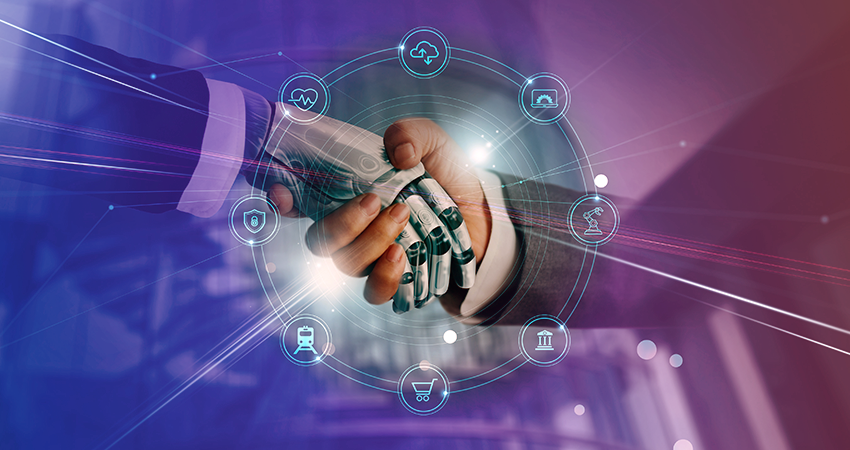
Every department generates data, relies on reports, and depends on insights for decision-making. Traditionally, this work consumed hours, involved repetitive tasks, and required multiple team members to coordinate. But when an employee brings AI skills into the picture, suddenly these processes become smoother, faster, and more accurate. A report that used to take three hours can be automated in three minutes. A weekly performance summary that once required manual effort can be generated instantly. A customer query pattern that was previously invisible can now be identified clearly using AI tools. This ability to automate and analyze transforms an employee from a regular team member into a strategic asset. Managers begin to rely on them for high-priority tasks. Teams look to them whenever a problem becomes complex. Leaders consult them when performance needs boosting. The presence of such a professional improves the efficiency of everyone around them. As a result, their value in the company rises dramatically. They are no longer just doing their job; they are enabling everyone else to perform better, which naturally makes them indispensable.
Moving Beyond Task Execution to Intelligent
Problem-Solving
In the past, employees were judged mainly on how well they completed assigned tasks. But today, companies expect far more. They want individuals who think, analyze, innovate, and bring solutions. AI skills empower employees to rise beyond instructions and step into a mindset of intelligent problem-solving. Instead of waiting to be told what to do, they observe patterns, identify inefficiencies, and propose smarter workflows. For example, a sales professional who understands AI does not simply record numbers —they analyze customer behavior, predict future trends, and help the team make better decisions. A marketing professional with AI skills does not only create content — they optimize campaigns with data-led insights and improve results dramatically. An HR professional with AI knowledge does not simply filter resumes — they enhance hiring accuracy, reduce bias, and speed up recruitment. This shift from executing tasks to elevating processes is exactly what organizations value the most. Problem-solvers cannot be replaced easily. They naturally secure their position because they contribute in ways that go beyond routine work. AI skills amplify this ability, making such employees essential for the long-term growth of the company.
Becoming the Go-To Person Leaders Trust
Every company has a handful of people managers instinctively turn to when the stakes are high. These people are reliable, confident, resourceful, and equipped with advanced skills that others may not have. When you understand AI and can automate, analyze, and interpret information effectively, you instantly move into this trusted category. Leaders
recognize your ability to simplify complexity, reduce workload, and provide clarity during important decisions. When an urgent presentation needs data insights, you become the first person they call. When an unexpected issue needs quick analysis, your name is the one that comes up. When a team hits a roadblock, you are the one they rely on to find a
smarter approach. Over time, this consistency builds a reputation — a reputation of being dependable, intelligent, and ahead of the curve. The more you help the organization operate smoothly, the more the organization realizes that losing you would create a gap that cannot easily be filled. This is how professional irreplaceability is built — not through force but through value.
AI Skills Protect You From Job Market Uncertainty
As automation increases across industries, roles that rely heavily on manual tasks are becoming less secure. Companies are restructuring, optimizing costs, and moving toward leaner workflows. In such a changing environment, the employees who do not evolve with technology face the highest risk of becoming replaceable. On the other hand, professionals who understand AI become the ones companies want to retain. AI literacy gives you the ability to adapt, no matter how your industry evolves. When systems upgrade, you know how to integrate them. When processes change, you know how to optimize them. When new software is introduced, you learn it quickly because you already understand the foundation of intelligent tools. This adaptability protects your career even in times of instability. Organizations value people who can help them transition into the future. If you have AI skills, you are not a replaceable employee — you become part of the foundation that supports transformation. This security is one of the strongest long-term benefits of embracing AI
Standing Out in a Competitive Workplace
Workplaces today are more competitive than ever. Large numbers of employees share similar educational backgrounds and similar levels of experience. What separates one professional from another is not the degree they hold but the value they deliver. AI-skilled employees naturally stand out because their output is faster, their insights are sharper, and their solutions are more effective. They do not just work harder; they work smarter — and that difference is visible to everyone around them. In team meetings, their understanding of trends and data makes their contributions more meaningful. In performance reviews, their impact on business metrics becomes undeniable. In daily work, their ability to complete tasks quickly sets them apart. Over time, this visibility builds a strong professional identity — one that becomes difficult for the organization to replace. When you are the person who helps the team achieve more with less effort, your position in the company strengthens, your credibility grows, and your influence expands.
AI Gives You a Leadership Mindset, Even Before You
Become a Leader
One of the most powerful effects of AI skills is the shift it brings to your way of thinking. You no longer look at tasks simply as checklists. You begin to view processes, performance, and efficiency from a strategic perspective — the same way leaders do. You start analyzing root causes, forecasting outcomes, and identifying opportunities for improvement. This mindset is what companies search for when selecting future managers. Even if your designation is not yet managerial, your approach becomes leadership-oriented. This naturally elevates your importance within the company. A person who can guide teams, simplify operations, and present data-backed insights is never treated as a replaceable resource. They become someone the company sees as part of its future. AI does more than improve technical capability. It transforms how you think, how you approach challenges, and how you contribute — all of which make you indispensable in the long run.
Conclusion: AI Skills Build a Career No Company
Wants to Lose

In any workplace, irreplaceable professionals are not defined by title or seniority. They are defined by the impact they create. AI skills give you
the power to amplify your value dramatically. They make you faster, smarter, more efficient, and more innovative. They shift your identity from someone who follows instructions to someone who solves problems with intelligence. When you automate reports, analyze data, generate insights, and optimize processes, you become the employee who makes everything around them work better. And organizations do not let such employees go. They reward them, promote them, protect them, and build future plans around them. AI is not just a skill — it is a shield, a growth accelerator, and a pathway to professional irreplaceability.
⃣Data Skills = Better Decision Making
Why Data Has Become the New Foundation of Every Business
In today’s hyper-connected world, every business—whether small or global—runs fundamentally on data. Every customer interaction, marketing campaign, financial transaction, employee activity, or operational process generates data. This information, once ignored, is now considered the most powerful resource a company owns. Organizations across industries are learning that decisions backed by data are significantly more reliable, accurate, and future-ready compared to decisions made purely through intuition or guesswork. This shift has created a new era where professionals who understand data are automatically more valuable and more trusted in their companies.
How Data Skills Transform Your Professional Identity
A professional who understands data is no longer just a task executor. They become someone who has clarity, foresight, and the ability to contribute meaningfully to business outcomes. When you understand how to interpret numbers, trends, patterns, and metrics, your role evolves from simply completing work to guiding decisions. You move from being a dependent employee to someone who empowers others with insights. Your contributions start gaining weight because you are no longer offering opinions — you are offering evidence-based recommendations that are rooted in facts. This ability alone elevates your identity within an organization.
The Power of Reading Dashboards and Interpreting
Insights
Modern organizations rely heavily on dashboards — visual screens that show real-time performance indicators such as sales numbers, marketing performance, profits, customer behavior, or operational metrics. While many employees look at dashboards, only a few truly understand what the data is trying to say. When you learn how to interpret these visualizations, identify what’s working, what’s failing, and where improvements are required, you unlock a powerful skillset. You can walk into any meeting and explain not just what is happening, but why it is happening. You become someone who can translate complex information into simple conclusions that leadership can act upon quickly.
Using Data to Predict Trends and Future Opportunities
One of the biggest advantages of having strong data skills is the ability to predict what may happen in the future. Businesses today operate in competitive markets where anticipating customer behavior, market changes, seasonal demand, or financial fluctuations can create huge advantages. Data-literate professionals use historical data, patterns, and analytics tools to see what direction the business is moving toward.
Whether it’s forecasting sales, predicting churn, estimating production requirements, or understanding upcoming challenges, those who can predict trends enable companies to stay proactive instead of reactive. This predictive capability can influence major decisions such as budgeting, hiring, product launches, marketing investments, and business expansion.
Identifying Risks Before They Become Problems
Every business faces risks — financial risks, operational delays, customer dissatisfaction, supply chain disruptions, declining sales, employee turnover, and many more. Data helps in identifying these risks early. When you know how to analyze data, you can spot anomalies or negative patterns before the damage becomes serious. This reduces losses, boosts efficiency, and builds trust with company leadership. A professional who can detect risks early is seen as someone who protects the company’s resources. This gives you an advantage during appraisals, promotions, performance reviews, and strategic discussions.
How Data Supports Smart, Strategic, Long-Term
Decisions
Short-term decision-making is important, but long-term strategy is what drives real business growth. Companies need to understand where to invest, what products to develop, how to improve customer experience, and how to plan operations for sustainability. These decisions require strong, reliable data. When you develop data skills, you gain the ability to participate in these long-term planning discussions. Leaders rely on your insights because you offer clarity, precision, and direction. You help the company make decisions that not only solve current challenges but also create future opportunities.
Becoming a Valuable Contributor in Meetings and
Discussions
Meetings, presentations, planning sessions, and leadership discussions often revolve around performance metrics and business results. A professional who understands data can contribute confidently to these conversations. You no longer sit quietly waiting for instructions — you participate by highlighting trends, suggesting improvements, and explaining the impact of decisions. Your inputs become meaningful, and your presence in decision-making spaces becomes essential. Senior leaders notice employees who can talk numbers, trends, and business results with confidence. This directly accelerates your growth and visibility within the organization.
Why Data Skills Make You an Unreplaceable Asset

When you combine your functional expertise with data literacy, you become someone who adds irreplaceable value to the company. You are not just performing tasks; you are shaping outcomes. You are not just part of the workflow; you influence the direction of the company. In an era where organizations depend heavily on data-driven strategies, professionals with strong data skills naturally rise faster, earn better, and secure more stable positions. You become someone who brings clarity in confusion, logic in decisions, and confidence in planning. This makes your role not only important but essential.
The Future Belongs to Professionals Who Understand
Data
As businesses evolve, the demand for data-skilled professionals will continue to grow. Whether you work in marketing, HR, finance, sales, education, healthcare, operations, or IT— data understanding will play a major part in your career. The future workplace will expect every employee to base decisions on data, measure performance with metrics, and justify actions with insights. Those who master these skills early will be ahead of the competition, more trusted by leadership, and better positioned for long-term success. Data is not just a technical skill — it is a career accelerator, a decision-making superpower, and one of the most crucial abilities for modern professionals.
⃣AI Improves Productivity by 10x
The New Era of Speed, Efficiency, and Smart Work
Modern workplaces are evolving at a pace no human alone can keep up with. Deadlines are tighter, expectations are higher, and the volume of tasks keeps increasing every year. In this environment, professionals who rely only on manual work often feel overwhelmed. This is where Artificial Intelligence creates a massive shift. AI introduces a level of speed, precision, and automation that multiplies productivity dramatically — often up to ten times faster than traditional methods. Instead of working harder, AI helps you work smarter, enabling you to accomplish more in less time without compromising quality. This transformation has become so significant that mastering AI tools is no longer optional but a necessary part of staying competitive in the modern job market.
Why AI Has Become the Ultimate Productivity Engine
Artificial Intelligence acts like an intelligent assistant capable of performing tasks that used to consume hours of human effort. It processes information faster, organizes content more efficiently, and reduces the workload by handling repetitive or time-intensive activities. When employees adopt AI tools, their work pace increases instantly because the system takes care of heavy tasks behind the scenes. This allows professionals to shift their focus from doing routine chores to driving meaningful, high-impact work that contributes directly to business growth. In simple words, AI gives you more time to think, plan, innovate, and execute without burnout.
Finishing Hours of Work in Just Minutes
One of the biggest advantages of AI is its ability to compress time. Activities that once required multiple hours can now be completed in just a few minutes because AI rapidly analyzes data, composes content, generates insights, and organizes information. For example, writing professional emails manually used to take several minutes each —especially when the message had to be precise, polite, and well-structured. AI can draft these emails instantly, allowing you to send perfect communication without spending valuable time staring at a blank screen. Similarly, large reports that required hours of reading and summarizing can now be condensed into clear, actionable summaries within seconds.
AI for Writing, Communication, and Professional
Content
In every workplace, communication plays a major role, whether it is sending emails, creating proposals, writing documentation, or preparing content for stakeholders. AI tools enhance this process by helping you write more effectively, more clearly, and far more quickly. They learn your tone, understand context, and generate high-quality text within moments. This allows you to maintain a professional voice in all communication while saving enormous time. With AI, you no longer need to struggle with phrasing, formatting, or rewriting. The tool becomes your communication partner, ensuring everything you produce sounds polished, confident, and consistent.
AI for Analyzing Large Reports and Extracting Key
Insights
Companies generate huge volumes of data every single day — performance reports, customer feedback, financial documents, operational logs, and more. Going through these reports manually is time-consuming and often inefficient, because humans can easily overlook small but important details. AI solves this by instantly breaking down long documents, identifying patterns, highlighting important points, and converting raw information into meaningful insights. Instead of spending hours analyzing spreadsheets or reading lengthy documents, AI gives you a clear summary that you can use immediately. This allows employees to understand problems faster, propose solutions sooner, and contribute to discussions with confidence.
AI for Creating High-Impact Presentations in a Fraction
of the Time
Presentation-making used to be one of the most exhausting tasks in corporate environments. Designing slides, organizing information, choosing visuals, and aligning formatting all required a significant amount of time and attention. AI now automates this entire cycle by helping you generate structured presentations, complete with designs, summaries, charts, and talking points. Smart tools can turn a simple paragraph into a well-designed deck within minutes. This not only saves time but also ensures a high level of quality and consistency. When AI prepares the skeleton of your presentation, you can invest your time in refining the message, preparing delivery, and focusing on strategic thinking
AI for Customer Insights and Better Decision Support
Every business is driven by customers, and understanding them is essential for success. AI tools help analyze customer behavior, preferences, purchase patterns, feedback data, and trends instantly. Instead of manually reviewing hundreds of comments or surveys, AI organizes all the information into clear insights. This allows you to understand what customers love, what they dislike, where improvements are needed, and what opportunities exist. Such insights support better strategic decisions in marketing, sales, product development, and service improvement. When professionals use AI for customer analysis, they become far more efficient in planning campaigns, identifying market gaps, and improving customer experience.
AI for Competitive Analysis and Stronger Market
Positioning
Keeping track of competitors — their prices, content, strategies, products, and performance— is a crucial part of business planning. Doing this manually is extremely time-consuming and often inaccurate. AI automates competitor research by scanning large amounts of market data, comparing trends, and presenting a clear picture of where your company stands. It can highlight competitor strengths, uncover weaknesses, reveal opportunities, and show threats early. With this information, employees can make smarter decisions, design stronger strategies, and stay ahead in the market. AI gives you the advantage of speed and accuracy, letting you understand the external landscape without spending hours browsing, reading, or analyzing.
Productivity Boost Means Faster Growth and Career
Acceleration
When you save time, your career progresses faster. AI frees your schedule from repetitive tasks, giving you more room to focus on learning, creativity, innovation, and strategic work —the activities that help you grow professionally. Companies reward employees who deliver faster results, maintain high quality, and bring innovative ideas to the table. With AI as your support system, you become someone who consistently performs at a higher level, completes tasks before deadlines, and adds more value to the organization. This naturally leads to faster promotions, salary growth, increased responsibilities, and stronger recognition in the workplace.
Why AI-Powered Professionals Become the Future
Leaders
Professionals who adopt AI early gain a major advantage over those who don’t. They are able to work faster, think sharper, present better, and deliver more consistent results. They develop the ability to manage large workloads, analyze complex situations, and provide solutions quickly. This makes them the natural choice for leadership roles because leaders are expected to make decisions efficiently, communicate effectively, and solve problems intelligently. AI equips you with these skills. It transforms you from a normal employee into a high- performing, decision-driving professional who stands out in every department.
⃣Future Job Roles Will Demand AI
Awareness
The World of Work Is Entering a New Era
The global job landscape is changing faster than ever before. Industries that once operated with traditional systems are now shifting to digital-first processes powered by Artificial Intelligence. This transformation is not limited to technology companies; it is happening across every sector — marketing, healthcare, education, manufacturing, finance, logistics, HR, and even creative industries. As organizations move toward automation, data-driven decision-making, and AI-integrated workflows, the future workforce must adapt to these changes to remain relevant. AI awareness is no longer a specialized skill limited to data scientists or software engineers; it is becoming a fundamental requirement for any professional who wants to thrive in the modern workplace. Understanding AI, even at a basic level, prepares you for new responsibilities, improved performance, and long-term success.
Why AI Literacy Is Becoming as Important as Computer
Literacy
A decade ago, learning how to use computers became a compulsory skill for every employee. Today, AI literacy is following the same path. Just as no company hires someone who cannot use email or basic computer tools, the future will not favor individuals who are unaware of how AI functions in daily work. Artificial Intelligence is gradually becoming the engine that powers communication, planning, management, analysis, strategy, and innovation. Professionals who understand AI instantly stand out because they can collaborate more effectively with digital systems, automate repetitive workloads, and make smarter decisions. The world is shifting toward an AI-assisted way of working, and those who fail to adapt risk falling behind.
Reports Predict That 70% of Future Jobs Will Require
AI or Data Skills
Global workforce studies from major research institutions consistently highlight a striking trend: by the next decade, nearly 70% of all job roles will require some form of AI or data literacy. This does not mean everyone must become a programmer or a data scientist. Instead, it means professionals must learn how to use AI tools in their specific fields —whether it is analyzing dashboards, generating insights, automating tasks, or using smart systems to improve decision-making. Companies are investing heavily in AI-driven infrastructure, and they need employees who can operate within this new environment. Those who develop AI awareness today will be in high demand because the talent gap is widening every year. The world needs millions of AI-aware professionals, but very few are currently trained.
AI Skills Prepare You for Tomorrow’s Opportunities
Learning AI today is like learning English or computers two decades ago — it sets you up for future opportunities that do not exist yet. As industries evolve, new job roles are emerging at a rapid pace. These roles require a blend of human intelligence and automated systems, and professionals equipped with AI literacy will be able to transition into them smoothly. Companies are searching for people who can think critically, work strategically, and collaborate with technology to produce exceptional outcomes. AI awareness gives you the adaptability to survive change, embrace innovation, and grow in a world where job descriptions are constantly evolving. It ensures that no matter how industries transform, you always remain employable, valuable, and future-ready.
The Rise of New, High-Demand Job Roles
One of the most remarkable results of the AI revolution is the creation of job roles that did not exist just five years ago. Careers like AI Business Analyst, Data-Driven Marketer, Prompt Engineer, AI Product Manager, and Workflow Automation Specialist have emerged because companies need individuals who understand the intersection of business and technology. These new roles combine strategic thinking
with AI-powered tools, making them some of the fastest-growing careers globally. Professionals entering these roles typically earn higher salaries, faster promotions, and greater flexibility because the demand for such talent is far greater than the supply. This trend proves that learning AI skills today opens doors to high-growth opportunities tomorrow.
The New Age of AI Business Analysts and Strategic
Thinkers
AI Business Analysts are becoming the backbone of modern organizations. These professionals bridge the gap between business needs and technological capabilities by interpreting data, understanding market patterns, and guiding teams using AI-powered insights. As companies increasingly depend on predictive analytics, automated reporting, and data-driven strategies, the role of AI Business Analysts will become indispensable. They help organizations make informed decisions, minimize risks, and capitalize on opportunities. This role alone illustrates how AI is reshaping traditional business functions and creating new career paths that require analytical thinking combined with AI literacy.
How Marketing Is Being Reinvented with AI Skills
Marketing has transformed dramatically due to AI. Data-driven marketers now use AI tools to predict customer behavior, optimize advertising campaigns, automate content creation, and personalize user experiences at scale. These AI-assisted tasks make marketing more precise, efficient, and profitable for businesses. Professionals who master AI marketing tools are able to deliver faster results with higher accuracy, making them top assets in their organizations. As AI marketing platforms continue to evolve, companies will increasingly prefer marketers who understand analytics, automation, and customer insights through AI systems
AI Product Managers: The New Leaders of Innovation
Another rapidly growing career field is AI Product Management. These professionals oversee products that use machine learning or AI as core
components. They must understand technology, customer needs, user behavior, and business strategy. As companies invest in AI-based solutions, the demand for product managers who can build, scale, and optimize intelligent products is rising. This role requires a combination of creativity, technical understanding, and strategic leadership. Learning AI frameworks today prepares individuals to step into this influential and high-paying role in the future.
Automation Experts: The Pillars of Modern Workflows

Workflow automation experts design systems that reduce manual work and increase efficiency across organizations. They help teams eliminate repetitive tasks, streamline operations, and integrate AI tools into daily activities. These professionals are essential to companies that want to scale rapidly while maintaining productivity. The rise of automation has created a new career path for individuals who understand how to combine AI tools, business processes, and optimization techniques. As automation becomes a central part of every department, this role will continue to expand.
Prompt Engineering: A Career Born from AI’s Evolution
Prompt engineering is one of the most exciting new careers emerging in the AI era. Professionals in this field master the skill of instructing AI tools to produce accurate, high-quality outputs. They help companies create better content, streamline internal processes, improve customer support, and increase efficiency using AI models. Although this role barely existed five years ago, it is now becoming essential in industries like marketing, customer service, education, analytics, and software development. Learning how to structure prompts, define instructions, and refine AI-generated responses is a skill that will remain valuable for years to come.
Data Visualization Specialists: Turning Complex Data
into Clear Stories
In a world full of information, data visualization specialists help companies understand patterns by creating visual dashboards and interactive reports. They translate large amounts of data into simple, understandable visuals that assist decision-makers. As businesses rely more heavily on data, professionals who can convert raw information into meaningful, visually appealing insights will play a crucial role. AI tools assist in generating these visuals faster, making the role highly collaborative and evolving. With AI literacy, individuals can excel in this field and help organizations make smarter, clearer decisions.
The Future Belongs to Those Who Prepare Today
The future workplace will be shaped by individuals who embrace AI, adapt to technological changes, and develop the ability to work alongside intelligent systems. Learning AI literacy today is not just about staying relevant; it is about positioning yourself for long-term growth, stability, and leadership. New job roles, emerging industries, and global opportunities will favor professionals who understand AI. Those who invest time in learning these skills now will move ahead, while those who resist change may struggle to keep up. The world is moving forward, and AI is at the center of this evolution. Preparing today ensures you are ready for whatever tomorrow brings.
Popular AI & Data-Science Platforms to Learn (and Use)
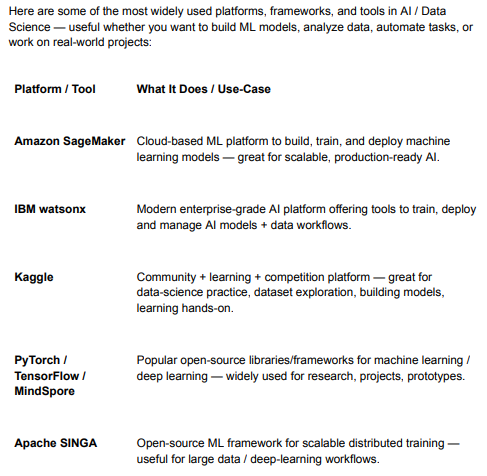
Depending on your background (programming vs non-programming), you can choose simpler “cloud + no-code / low-code” platforms (like SageMaker or watsonx), or dive deep with libraries like PyTorch / TensorFlow if you want full control and ML-engineering skills.
AI & Data-Science Industry Growth — Why the Timing
Is Right
The demand for AI and data-science skills is not just a trend — it’s backed by strong global growth. Here are some key stats and projections:
● The global AI market size was estimated at USD 638.23 billion in 2024.
● It is expected to reach ~USD 3,680.47 billion (≈ USD 3.68 trillion) by 2034, growing at a compounded annual growth rate (CAGR) of ~19.1% during 2025–2034.
● The “AI in Data Analytics” segment — i.e. AI-powered analytics solutions — is forecast to grow rapidly: from USD 31.22 billion in 2025 to ≈ USD 310.97 billion by 2034, implying a ~29% CAGR.
● The broader “data-science platform market” (tools + workflows + analytics + ML platform stack) is also set for strong growth: expected to rise from around USD 111.23 billion in 2025 to USD 275.67 billion by 2030 (≈ 21.4% CAGR). What this means for you as a working professional:
● AI and data science aren’t limited to niche tech jobs — this is a huge, growing ecosystem used by nearly every industry (marketing, finance, healthcare, operations, etc.).
● Acquiring AI/data skills today puts you ahead before demand peaks, giving you a competitive advantage in salary, promotions, or new job roles.
● Tools and platforms are mature enough (cloud-based, open-source, no/low-code where needed), so you don’t always need to be a hardcore programmer to start —making it accessible for a wide range of professionals.
● Global AI Market: 2024 → 638B USD, rising to 2034 → 3680B USD
● Data-Analytics AI Market: 2025 → 31.2B USD, 2034 → 310B USD
● Data-Science Platforms Market: 2025 → 111B USD → 2030 → 276B USD
 Ready to Upgrade Your Career with AI
& Data?
Why This Is the Most Important Career Decision of Your
Time
In today’s world, every industry is being transformed by Artificial Intelligence and Data Science. The shift is so massive that companies across the globe are restructuring their operations, optimizing their systems, and reimagining how work gets done. At the center of this transformation lie professionals who understand how to use data intelligently and leverage AI to create outcomes that were not possible before. Whether you work in IT, finance, marketing, healthcare, business operations, or education, the future will require you to understand how AI systems operate, how data influences decisions, and how intelligent tools enhance efficiency. The professionals who equip themselves with these skills today will be the ones who lead tomorrow. This is the moment when upgrading your career is no longer optional — it is essential.
The Skills Gap: Why AI & Data Are the Most Valuable
Skills Today
Global studies show that there is a huge and growing demand for AI-skilled talent, yet the supply is extremely limited. Organizations want employees who can automate routine work, use data to support strategic planning, build smart systems, and solve complex business challenges. Every sector is asking for professionals who can work at the intersection of technology and decision -making. The rise of AI has created a dramatic skills gap, where companies have job openings but not enough qualified professionals to fill them. This gap has opened an opportunity for those willing to learn AI and Data Science — an opportunity that leads to better salaries, job stability, international mobility, and future-ready career growth. Those who upgrade now become the top choice for leadership, innovation roles, and specialized positions in their industry.
Why Working Professionals Need Practical,
Industry-Focused Learning
Most professionals struggle not because they lack knowledge, but because they lack practical, hands-on skills. Traditional courses teach theory, but the industry demands real-world capability — skills you can actually apply at work. This is where practical AI and Data Science training becomes powerful. Hands-on learning helps you understand how AI tools work in real business environments, how data shapes company decisions, how automation increases efficiency, and how predictive analytics help organizations plan ahead. Professionals benefit the most when they learn tools that integrate directly into their job functions. Real-world projects give you the confidence to solve business challenges, communicate insights, and present data-backed recommendations. This is what employers reward, promote, and look for when hiring key talent.
Pinaki IT Hub: Bridging the Gap Between Learning and
Industry Needs
Pinaki IT Hub understands the real challenges faced by working professionals — lack of time, lack of practical exposure, unclear learning paths, and the struggle to balance learning with work responsibilities. That is why Pinaki IT Hub has designed AI & Data Science programs that are tailored specifically for people who want to grow without pausing their careers. The courses focus on practical learning, hands-on experience, and application-based skills. Instead of overwhelming students with unnecessary theory, the curriculum emphasizes problem-solving, real-life case studies, and industry tools used in actual companies. It prepares learners for real job roles, not just certificates. This practical, career-oriented approach enables professionals to apply their new skills immediately, making them more valuable at work from day one.
Hands-On Training That Builds Real Skills
Hands-on training is the foundation of transformation. At Pinaki IT Hub, learners work directly with AI tools, data visualization platforms, machine learning models, business analytics dashboards, and automation frameworks. They gain the ability to analyze large datasets, build predictive systems, create AI-powered solutions, interpret insights, and solve business challenges. This kind of learning turns AI from an intimidating concept into a familiar, practical tool that empowers you to excel in your job. Working professionals discover how to integrate AI into marketing campaigns, financial planning, HR processes, operational workflows, reporting systems, customer experience optimization, and strategic decision-making. Hands-on practice ensures that when employers ask whether you can deliver results, your answer is not theoretical — it is backed by real experience.
Real-World Projects That Strengthen Your Expertise
Projects are what transform learners into professionals. Through real-world projects, you learn how AI and data skills apply in practical business situations. Each project replicates a real industry challenge such as predicting customer churn, analyzing sales patterns, forecasting revenue, identifying high-value leads, optimizing marketing spend, automating reporting systems, or building dashboards for leadership teams. These projects deepen your understanding and strengthen your portfolio, making you job-ready for roles in data analysis, business intelligence, machine learning, automation, and AI integration. Employers prefer candidates who have worked on projects because they demonstrate problem-solving ability and real competency, not just textbook knowledge. Working professionals who complete these projects become more confident in presenting insights and taking strategic decisions.
100% Skill-Based Learning for Working Professionals

Skill-based learning means learning with purpose — not memorizing, but mastering tools and techniques that directly enhance your job performance. Pinaki IT Hub’s course structure is designed to ensure that every concept you learn can be applied at work. You learn how to automate tasks, analyze patterns, create AI-generated insights, visualize data for leadership, and build systems that save hours of manual work. Skill- based training ensures that you become more efficient, more accurate, and more valuable in any workplace. Whether you want a salary hike, a promotion, or a shift into a better job role, skill-based learning is the fastest route to achieving those goals. Companies reward employees who show initiative and capability — and mastering AI tools is one of the strongest signals of both.
Career & Placement Assistance That Keeps You Ahead
Career growth is not just about learning — it is about positioning yourself correctly in the job market. Pinaki IT Hub supports you through resume preparation, portfolio building, interview guidance, mock interviews, and job readiness sessions. This ensures that you not only learn the skills but also know how to present them confidently to employers. Many professionals struggle to highlight their capabilities, but with structured guidance, they learn how to communicate their strengths effectively. The placement support helps working professionals transition into better opportunities without confusion or hesitation. Whether you want to switch careers, change companies, or move into a specialized AI or data role, Pinaki IT Hub’s guidance ensures that you move forward with clarity and confidence.
Your Future Self Will Thank You for Taking This Step
Learning AI and Data Science today is an investment your future self will appreciate deeply. The world is shifting toward technology-driven careers, and those who fail to adapt may struggle to remain relevant. But professionals who embrace AI early will enjoy a future where they have more job security, better opportunities, global mobility, and a stronger professional identity. Every new skill learned today becomes a stepping stone toward a future of growth, stability, and leadership. When you look back after a few years, you will be grateful that you took the initiative to upgrade your skills instead of waiting for opportunities to appear on their own.
The Journey Starts Today
Your growth, your confidence, your competitive edge — all of it begins with the decision to learn. The sooner you start, the faster you unlock new doors in your career. Pinaki IT Hub offers a clear, practical path to mastering AI & Data Science. With industry-ready learning, hands-on training, real-world projects, and complete career support, this is your chance to take control of your future. The world is embracing AI, and this is the perfect moment for you to step forward and embrace it too. Your career is your responsibility — and AI is the upgrade it truly deserves.
Explore programs and begin your transformation: https://pinakiithub.com/blogs/