
How Software Development is Powering Digital Transformation in 2025

Powered by Pinaki IT Hub – Building the Next Generation of Tech Leaders Software development has always been the foundation of the digital world. In 2025, it has evolved into a dynamic ecosystem where agile practices, cloud technologies, AI-driven coding, and cybersecurity-first approaches are reshaping industries. From mobile apps to enterprise solutions, software is no longer just about building programs—it’s about creating scalable, secure, and intelligent systems that transform the way businesses operate. In this blog, we’ll explore: What software development means in 2025 Core technologies driving innovation How top companies are applying modern development practices The market impact and growth opportunities Career paths for aspiring developers By the end, you’ll understand how software development is redefining the digital landscape—and how you can be part of it. 1. What Is Software Development in 2025? Software development in 2025 is no longer just about writing code. It has evolved into a comprehensive, multi-faceted discipline that blends creativity, logic, and advanced technology to build solutions that solve real-world problems. Modern software development involves designing, building, testing, and maintaining applications while keeping scalability, security, and user experience at the forefront.At its core, software development today is user-centric, data-driven, and innovation-focused. Developers now collaborate with designers, analysts, and AI systems to ensure applications are not only functional but also intuitive, responsive, and secure. Key Components of Modern Software Development Agile & DevOps: Agile methodology emphasizes iterative development, flexibility, and collaboration across teams. In 2025, Agile has matured to accommodate hybrid frameworks that integrate remote collaboration, automated testing, and real-time feedback loops. DevOps bridges the gap between development and operations, ensuring continuous integration and continuous delivery (CI/CD). This allows teams to release new features, bug fixes, and updates rapidly and reliably, reducing downtime and improving customer satisfaction. Cloud-Native Development: Cloud-native development leverages platforms like AWS, Microsoft Azure, and Google Cloud Platform to build applications that are inherently scalable, resilient, and globally accessible. Developers can now deploy microservices, containerized applications, and serverless architectures, ensuring high availability, optimal resource usage, and cost efficiency. AI-Powered Coding: AI tools like GitHub Copilot, Tabnine, and OpenAI Codex assist developers in writing error-free code faster, automating repetitive tasks, and even suggesting architecture improvements. AI-powered testing tools analyze code for bugs, vulnerabilities, and performance bottlenecks, reducing manual testing time and improving software quality. Microservices Architecture: Modern applications are built as a set of independent services that communicate through APIs. Microservices allow development teams to update, scale, and deploy individual modules without affecting the entire system, making software more flexible, maintainable, and resilient. Cybersecurity Integration: Security is no longer an afterthought. Modern software development embeds security measures at every stage of the development lifecycle. This includes secure coding practices, automated vulnerability scanning, encryption, authentication protocols, and compliance with data privacy regulations such as GDPR and HIPAA. Applications of Software Development in 2025 E-commerce: Platforms like Amazon, Flipkart, and Shopify rely on complex software systems to handle inventory, payments, logistics, and personalised customer experiences. AI algorithms recommend products, optimise pricing, and automate supply chain operations. Healthcare: Telemedicine apps, electronic health records (EHR), and AI-based diagnostic tools are transforming patient care. Software solutions help doctors monitor patients remotely, predict disease outbreaks, and manage large-scale medical data efficiently. Finance: Mobile banking apps, fintech solutions, and blockchain-powered platforms are revolutionising how money is managed and transferred. Software development ensures secure transactions, real-time fraud detection, and smart investment tools for users. Education: Learning Management Systems (LMS), e-learning apps, and virtual classrooms are making education accessible and personalised. Software enables adaptive learning, progress tracking, online assessments, and interactive simulations. Daily Life & IoT: From social media apps to smart home devices, software touches every part of daily life. IoT-enabled devices rely on robust backend systems to collect, analyse, and act on data in real time, powering smart homes, wearable tech, and connected vehicles. In 2025, software development is not just a career—it’s a cornerstone of modern innovation. It combines technical expertise, problem-solving skills, and a deep understanding of user needs to create solutions that impact millions worldwide. 2. Core Technologies Driving Software Development in 2025 The landscape of software development is evolving rapidly, and in 2025, developers are leveraging advanced technologies to create applications that are faster, smarter, and more scalable than ever before. These technologies not only improve development efficiency but also enable innovation across industries, from healthcare and finance to e-commerce and smart cities. Below are the core technologies shaping modern software development: 1. Cloud Computing Definition: Cloud computing allows software to be deployed, hosted, and accessed over the internet rather than relying solely on local servers. Benefits: Scalability, cost efficiency, high availability, and easy collaboration. Applications: Hosting web and mobile applications with minimal infrastructure costs. Enabling global access to enterprise applications like SAP, Salesforce, and Microsoft 365. Supporting large-scale data storage and computing for AI/ML workloads. Trends in 2025: Serverless architectures, multi-cloud deployments, and edge computing are becoming mainstream, allowing faster processing and reduced latency. 2. Artificial Intelligence (AI) Definition: AI simulates human intelligence in software systems, enabling them to perform tasks such as decision-making, language understanding, and pattern recognition. Benefits: Automates repetitive tasks, enhances accuracy, and supports intelligent decision-making. Applications: AI-assisted coding platforms (e.g., GitHub Copilot) for faster, error-free development. Automated testing, bug detection, and performance monitoring. Smart chatbots, virtual assistants, and customer support automation. Trends in 2025: Generative AI tools are now widely integrated into development pipelines, helping teams create code, generate content, and even prototype applications faster than traditional methods. 3. Machine Learning (ML) Definition: ML is a subset of AI where software systems learn from data and improve over time without explicit programming. Benefits: Predictive capabilities, personalization, and data-driven insights. Applications: Recommendation engines in e-commerce (Amazon, Netflix). Predictive maintenance in industrial applications. Personalized user experiences in fintech, healthcare, and education platforms. Trends in 2025: AutoML platforms allow developers to create ML models without extensive expertise, democratizing AI-powered software development. 4. Blockchain
The Impact of Emerging Technologies on the World: Shaping the Future
Introduction Technology has always been a catalyst for transformation, shaping the way we live, work, and interact. The 21st century is witnessing an unprecedented acceleration in technological advancements, driving changes across industries, economies, and even societal structures. From Artificial intelligence (AI) to blockchain, quantum computing to biotechnology, emerging technologies are reshaping the future in ways we never imagined. Pinaki IT Consultant Private Limited presents an in-depth analysis of the impact of these technologies on the world and their potential to drive innovation, efficiency, and global progress. 1. Artificial Intelligence (AI) and Machine Learning (ML) Artificial Intelligence (AI) is the simulation of human intelligence in machines, enabling them to perform tasks like problem-solving, decision-making, and language processing. AI includes various subfields such as robotics, expert systems, and neural networks. Machine Learning (ML) is a subset of AI that enables systems to learn from data and improve their performance without explicit programming. ML algorithms analyze patterns and make predictions, powering applications like recommendation systems, fraud detection, and autonomous vehicles. Both AI and ML are transforming industries, enhancing automation, and revolutionizing fields such as healthcare, finance, and cybersecurity by enabling smarter and more efficient solutions. Key Impacts of AI & ML: Despite these benefits, AI raises ethical concerns related to job displacement, data privacy, and biased decision-making, necessitating responsible AI development. 2. Blockchain and Decentralized Systems Blockchain and decentralized systems are revolutionizing industries by enhancing security, transparency, and efficiency. Blockchain, a distributed ledger technology, eliminates the need for intermediaries, ensuring trustless transactions. Decentralized systems empower individuals by reducing reliance on centralized authorities, fostering innovation in finance, supply chain, and data management. Cryptocurrencies, smart contracts, and decentralized finance (DeFi) are reshaping the global economy, offering secure, peer-to-peer transactions. These technologies enhance cybersecurity by reducing vulnerabilities to single points of failure. As blockchain adoption grows, industries will experience increased transparency, reduced fraud, and greater autonomy, shaping a more secure and decentralized digital future. Key Impacts of Blockchain: Although blockchain holds immense potential, challenges such as scalability, regulatory concerns, and energy consumption need to be addressed for broader adoption. 3. Quantum Computing Quantum computing is set to revolutionize technology by solving complex problems beyond classical computers’ capabilities. Using quantum bits (qubits), these computers perform parallel computations, enabling breakthroughs in cryptography, artificial intelligence, drug discovery, and optimization problems. Quantum algorithms like Shor’s and Grover’s offer exponential speedups, transforming industries like cybersecurity and finance. Companies like IBM, Google, and startups are racing to build scalable quantum systems. While challenges like error correction persist, advancements in quantum supremacy signal a new era of computing. As quantum technology matures, it promises to reshape data processing, scientific research, and problem-solving on an unprecedented scale. Key Impacts of Quantum Computing: While quantum computing is still in its early stages, its transformative potential across industries is undeniable. 4. Internet of Things (IoT) The Internet of Things (IoT) is revolutionizing how we interact with technology, shaping the future of everyday life. By connecting devices, from smart homes to industrial machinery, IoT enables real-time data exchange, enhancing automation, efficiency, and convenience. It empowers businesses with insights for better decision-making, improving productivity and customer experiences. In healthcare, IoT facilitates remote monitoring and personalized treatments, while in transportation, it optimizes routes and reduces traffic congestion. As IoT continues to expand, it promises to foster smart cities, energy-efficient systems, and more sustainable practices, ultimately driving innovation and transforming industries across the globe. Key Impacts of IoT: However, security concerns related to IoT devices and data privacy remain significant challenges. Conclusion Emerging technologies are reshaping the world, creating opportunities and challenges across various industries. AI, blockchain, quantum computing, IoT, biotechnology, 5G, and AR/VR are driving a new era of innovation and digital transformation. However, ethical considerations, security concerns, and regulatory frameworks must evolve to ensure responsible and sustainable development. Pinaki IT Consultant Private Limited remains committed to staying at the forefront of technological advancements, helping businesses navigate the complexities of digital transformation. The future is being shaped today, and embracing these emerging technologies is crucial for staying ahead in an ever-changing world. Stay updated with the latest trends in technology by following Pinaki IT Consultant Private Limited. For expert consultation on digital transformation, reach out to us today! wayaacademy@gmail.compinakiithub.com
Case Study: AI-Driven Autonomous Systems – Transforming Work, Transportation, and Beyond
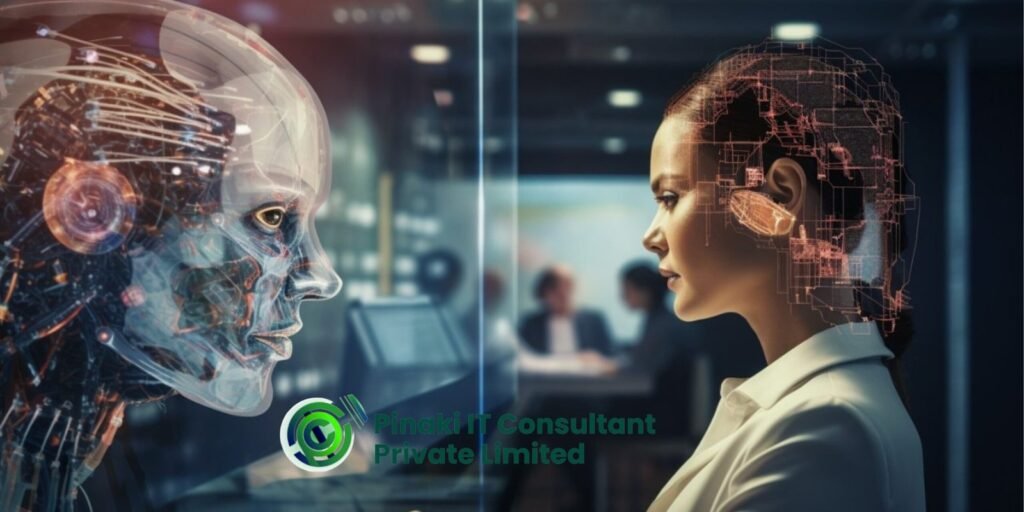
Introduction The rapid advancements in artificial intelligence (AI), machine learning, and robotics have given rise to autonomous systems that are reshaping industries. Pinaki IT Consultant Private Limited has been actively involved in implementing AI-driven autonomous solutions across various sectors. This case study presents real-world applications of AI-driven autonomous systems, the challenges faced during implementation, and their long-term impact on business and society. Background Pinaki IT Consultant Private Limited has been at the forefront of AI innovation, working closely with businesses to integrate autonomous systems into operations. Through the application of AI, robotics, and machine learning, the company has successfully optimized logistics, transportation, and workplace automation for its clients. The company has developed and deployed AI-powered solutions that are not only cost-effective but also improve efficiency and productivity. Implementation of Autonomous Systems Self-Driving Vehicles: The Road to Autonomy Pinaki IT Consultant Private Limited partnered with an Indian logistics firm to integrate AI-driven self-driving delivery vehicles into their supply chain. These vehicles utilized real-time AI perception models and sensor fusion to navigate complex urban environments. Project Achievements: Route Optimization: AI algorithms reduced delivery time by 25%. Safety Enhancements: Advanced collision detection decreased accident rates by 40%. Cost Savings: The company reduced fuel and maintenance costs by 30% through autonomous fleet management. Traffic Analysis: Implemented predictive analytics to optimize route planning and reduce traffic congestion. AI in Transportation: Beyond Cars Autonomous transportation extends beyond roads to air and sea, and Pinaki IT Consultant Private Limited has been instrumental in implementing these technologies. Case Study: AI-Powered Drone Delivery System For a leading e-commerce company, Pinaki IT Consultant Private Limited designed an AI-driven drone delivery system. This system improved last-mile delivery efficiency, reducing delays by 35% and operational costs by 20%. Key Features of the Drone System: Automated Flight Path Optimization: AI algorithms determined the most efficient delivery routes. Obstacle Detection and Avoidance: Real-time machine vision enabled drones to navigate safely. Secure Package Handling: Smart locks and tracking systems ensured safe delivery. Autonomous Shipping Integration Pinaki IT Consultant Private Limited collaborated with a maritime logistics provider to develop an AI-powered navigation system for cargo ships. This system improved route efficiency and minimized fuel consumption by 18%. Key Developments: Autonomous Docking Systems: Ships could autonomously dock without human intervention. Weather Prediction AI: Advanced weather forecasting algorithms improved navigation safety. Fuel Efficiency Algorithms: AI-driven fuel optimization reduced emissions and costs. AI-Powered Robotics in Warehousing and Logistics Pinaki IT Consultant Private Limited has successfully implemented AI-powered robotics in warehouses for several major clients, automating inventory management and logistics operations. Project Success: AI-Powered Robotic Arms: Increased order fulfillment speed by 50%. Automated Inventory Systems: Reduced stock mismanagement errors by 70%. Predictive Maintenance Models: Reduced downtime and maintenance costs by 30%. Collaborative Robots (Cobots): Enhanced human-robot collaboration in warehouses, improving overall productivity. Ethical and Safety Considerations Pinaki IT Consultant Private Limited prioritizes ethical AI development by ensuring fairness, transparency, and security in all AI-driven autonomous solutions. Key considerations include: Job Transformation vs. Displacement: Training programs were initiated to upskill employees affected by automation. AI Bias Mitigation: Implementing diverse datasets to prevent biased AI decision-making. Regulatory Compliance: Ensuring all AI implementations align with industry regulations and government policies. Data Privacy & Cybersecurity: Implemented encryption and authentication protocols to prevent unauthorized access to AI-driven systems. Enhancing Human Capabilities with AI Rather than replacing human roles, AI-driven systems implemented by Pinaki IT Consultant Private Limited have enhanced workforce productivity in multiple sectors. Healthcare: AI-Assisted Diagnostics: AI-assisted diagnostics leverage artificial intelligence and machine learning to analyze medical data, detect diseases, and support clinical decision-making. By processing vast datasets, AI enhances accuracy, speeds up diagnoses, and reduces human errors. It aids in imaging analysis, pathology, and personalized treatment, revolutionizing healthcare with efficiency and precision. Robotic Surgery Assistance: Robotic surgery assistance enhances precision, flexibility, and control in minimally invasive procedures. Surgeons operate robotic arms using a console, improving accuracy and reducing human error. These systems offer 3D visualization, tremor filtration, and micro-movements, leading to smaller incisions, faster recovery, and reduced complications, revolutionizing modern surgical techniques for better outcomes. AI-Powered Drug Discovery: AI-powered drug discovery leverages machine learning, deep learning, and big data to accelerate pharmaceutical research. It predicts molecular interactions, identifies potential drug candidates, and optimizes clinical trials. By analyzing vast datasets, AI reduces costs and development time, enhancing precision in drug design and improving treatments for complex diseases like cancer. Retail and Customer Service: AI Chatbots: Improved customer support response times by 40%. Automated Inventory Management: Optimized stock replenishment for retail businesses, reducing shortages by 25%. AI-Powered Recommendation Systems: Enhanced customer experience by providing personalized product suggestions. Future of Autonomous Systems Based on successful implementations, Pinaki IT Consultant Private Limited foresees a transformative shift in industries adopting autonomous systems. Smart Cities Integration The integration of AI into urban infrastructure is a key focus for Pinaki IT Consultant Private Limited. AI-Driven Traffic Management: AI-driven traffic management leverages artificial intelligence to optimize traffic flow, reduce congestion, and enhance road safety. It utilizes real-time data from sensors, cameras, and GPS to predict traffic patterns, adjust signals dynamically, and manage incidents efficiently. AI also supports smart city initiatives by integrating autonomous vehicles and adaptive traffic control systems. Autonomous Public Transport: Autonomous public transport utilizes self-driving technology to operate buses, trams, and shuttles without human drivers. These vehicles rely on AI, sensors, GPS, and advanced communication systems for navigation, safety, and efficiency. They reduce traffic congestion, enhance accessibility, lower operational costs, and promote eco-friendly urban mobility with minimal human intervention. Smart Waste Management: Smart Waste Management utilizes IoT, AI, and data analytics to optimize waste collection, reduce environmental impact, and enhance efficiency. Sensors in bins monitor waste levels, enabling timely collection and minimizing overflow. Automated sorting, recycling technologies, and smart routing of garbage trucks contribute to sustainability, cost savings, and cleaner urban environments. Fully Autonomous Public Transport Pinaki IT Consultant Private Limited has been working on AI-driven mass transit solutions to enhance efficiency and accessibility. Autonomous Buses: Successfully tested in closed environments, with ongoing trials for
The Role of Ethical Hacking in Strengthening Cybersecurity

In today’s digital age, the importance of cybersecurity cannot be overstated. As our reliance on technology grows, so does the threat landscape. Cybercriminals are becoming increasingly sophisticated, targeting everything from individual accounts to large-scale corporate networks. To combat these threats, the field of ethical hacking has emerged as a vital component of modern cybersecurity practices. What is Ethical Hacking? Ethical hacking, also known as penetration testing or white-hat hacking, involves the deliberate probing of systems, networks, and applications to identify vulnerabilities before malicious hackers can exploit them. Ethical hackers use the same techniques as their malicious counterparts, but with the goal of enhancing security rather than compromising it. By simulating attacks, ethical hackers help organizations understand where their security defenses are weakest and what needs to be done to bolster them. The Importance of Ethical Hacking in Cybersecurity Key Techniques in Ethical Hacking The Future of Ethical Hacking As cyber threats continue to evolve, the role of ethical hackers will become even more critical. Emerging technologies such as artificial intelligence (AI) and machine learning (ML) are likely to play a significant role in both cyber-attacks and defense mechanisms. Ethical hackers will need to adapt to these changes, staying ahead of cybercriminals by leveraging these technologies for advanced threat detection and prevention. wayaacademy@gmail.compinakiithub.com